


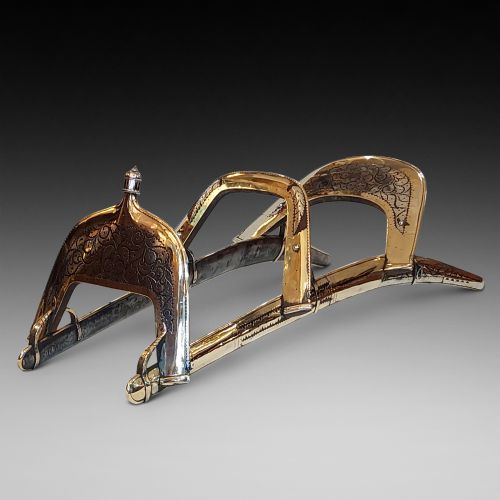


Antique Brass Object
An antique brass object brings utility and decorative weight into a room, connecting a modern interior directly to historical metalwork.
Antique Brass Object
An antique brass object encompasses a diverse range of functional and decorative metalware spanning from the 18th century through the early 20th century. Buyers searching for an antique brass object will encounter items that shift between practical desk accessories and ornamental desk top pieces.
The selection on this page demonstrates that these items extend well beyond simple household hardware into specialised scientific equipment, ceremonial figures, and sculptural desk ornaments. Domestic utility items sit alongside items made for trade, ritual, and education from various international origins.
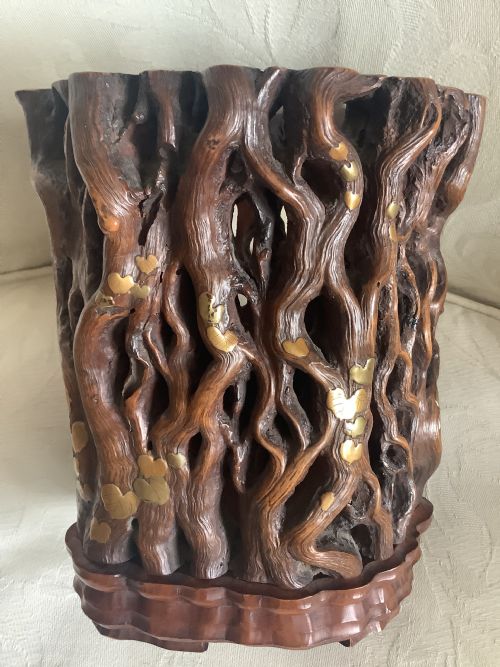
While the broad search term points towards metalware, the inventory includes mixed material pieces pairing brass with copper, wood, enamel, and glass. The most frequently encountered pieces balance tactile utility with sculptural form, reflecting the material culture of their respective periods.
How they were made
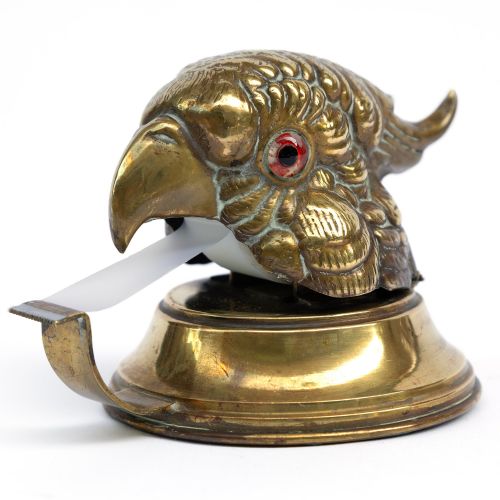
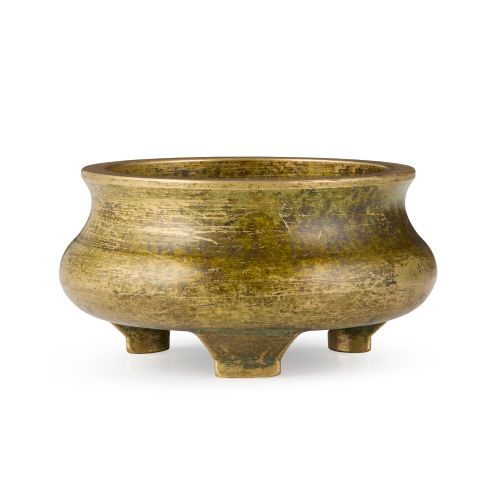
Many of these objects rely on traditional casting techniques, where molten metal is poured into moulds to achieve intricate surface details and solid forms. This method allows for the creation of heavy censers, figural nut crackers, and sculptural desk accessories with lasting structural integrity.
Other items utilise sheet metal construction, involving hand-embossing and soldering techniques to shape copper and brass into functional vessels and decorative vases. Artisans also combined cast components with turned wood, enamel work, and mounted horns to produce composite domestic objects.
Antique Brass Object Retail Price Guide 2026
Typical asking prices for brass object among the pieces listed under this phrase on Sellingantiques today, from the lower quarter to the upper quarter. They describe what is for sale here now, not the wider market.
Current listings include items produced across the 18th, 19th, and early 20th centuries, utilising materials such as bronze, copper, enamel, and hardwood.
What varies in quality
Material selection and structural assembly also dictate the standard of a piece, separating heavy, solid constructions from lighter, mass-produced alternatives. The integration of secondary materials, such as enamel work or fitted wooden bases, demonstrates the maker's technical capability.
The Antique Brass Object Glossary
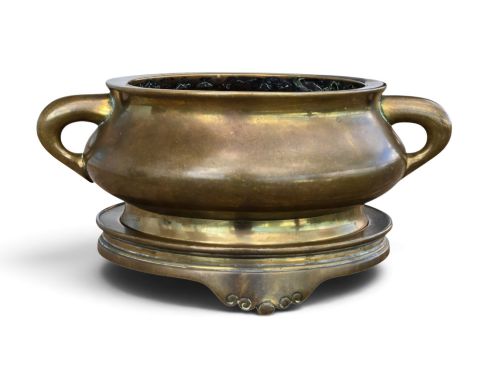
- Censer
- A vessel designed for burning incense during rituals or for ambient fragrance. These typically feature tripod bases and matching pierced lids.
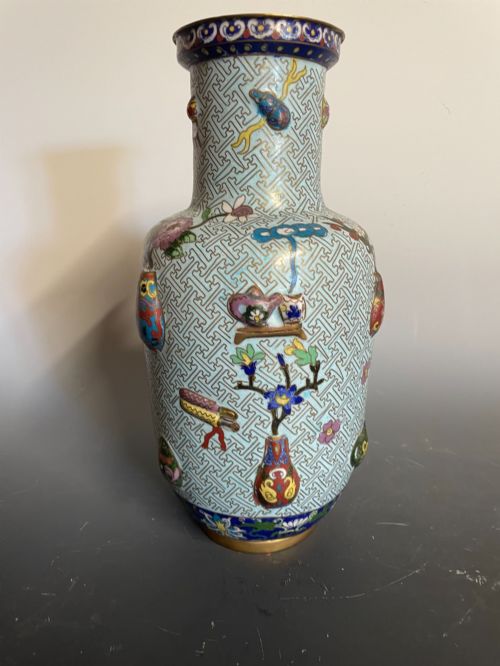
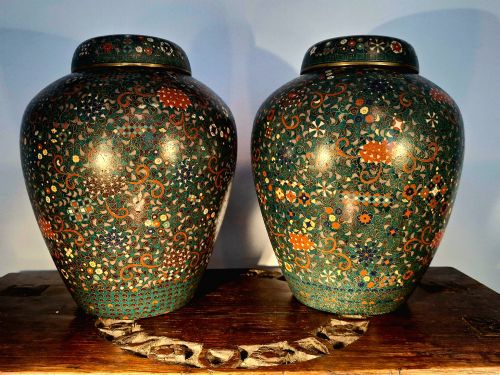
- Cloisonne
- An enamelwork technique where thin metal wires are soldered to a base to form compartments filled with coloured paste and fired. This method creates vibrant patterned surfaces on vases and jars.
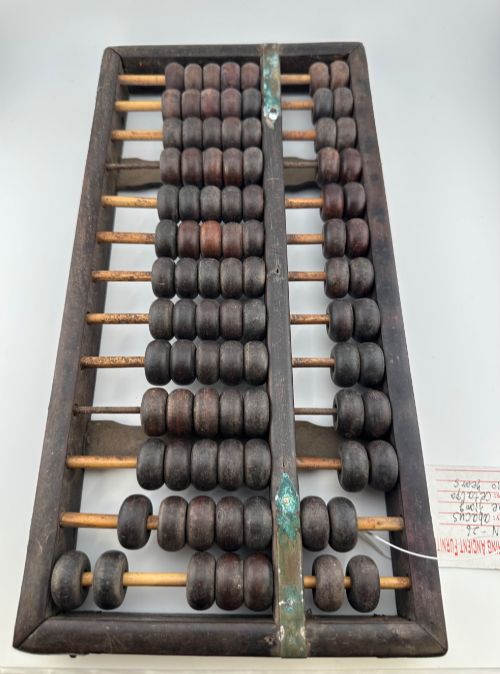
- Abacus
- A calculating tool consisting of wooden frames with sliding beads strung on wires. These served as primary accounting devices in trade and commerce.
- Galvanometer
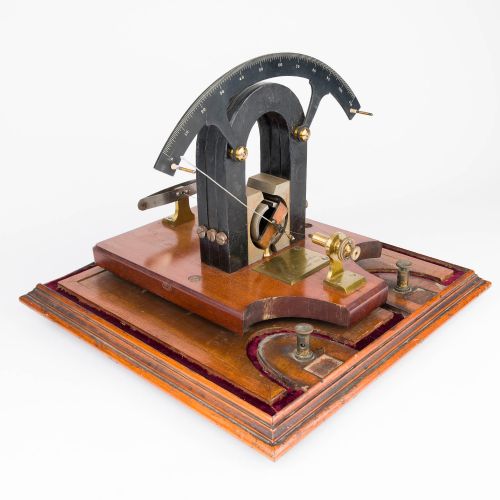
- An electromechanical measuring instrument used to detect and indicate electric current. These scientific devices combine delicate internal coils with graduated dials and brass housings.
Antique Brass Object: Frequently Asked Questions
How do I clean an antique brass object?
Dust the surface regularly with a soft, dry cloth to prevent grime accumulation. Avoid harsh chemical polishes that strip away the historical patina.
Allow the natural ageing process to remain visible, as excessive shining diminishes the character accumulated over centuries.
Were these objects meant for daily use?
Many items, such as tape dispensers, nut crackers, and desk accessories, served practical functions in Victorian and early 20th-century offices or homes.
Others fulfilled ceremonial, ritual, or scientific roles that kept them confined to specific professional or sacred environments.
How can I tell the period of a brass object?
Examine the manufacturing marks, assembly methods, and stylistic cues unique to Victorian, Qing, or early 20th-century design. Tool marks and construction techniques often reveal the era of production.
Comparing the weight, material composition, and decorative motifs against documented examples helps confirm the age.
Can I mix different periods in my display?
Combining pieces from the 18th, 19th, and early 20th centuries adds historical depth and visual variety to a room. Metalware adapts well to diverse interior schemes.
Focus on the tactile qualities and materials of the objects to create a cohesive arrangement across different eras.