


Antique Brass Miniatures
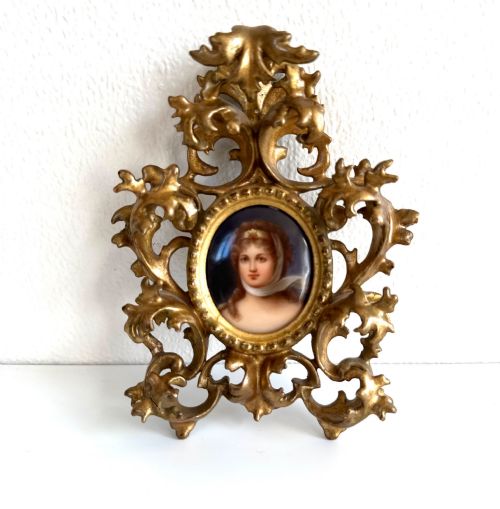
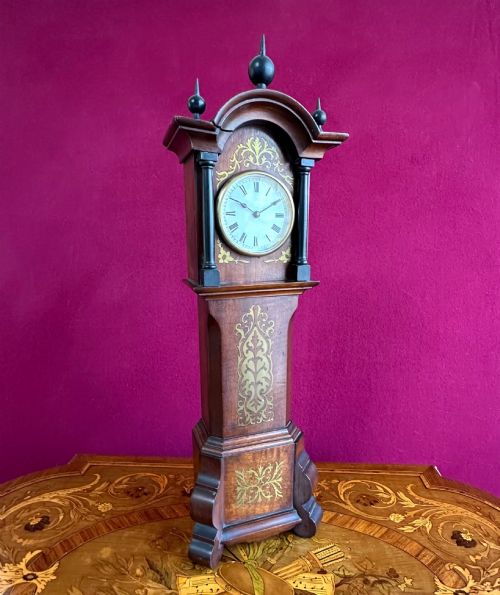
These antique brass miniatures span tiny clocks, portrait frames and decorative models made across the Georgian, Victorian and Edwardian eras.
Antique Brass Miniatures
When you search for antique brass miniatures, you encounter a diverse collection of small-scale domestic objects, timepieces and decorative items. The selection on this page relies heavily on nineteenth-century pieces, alongside eighteenth-century works and later Edwardian examples.
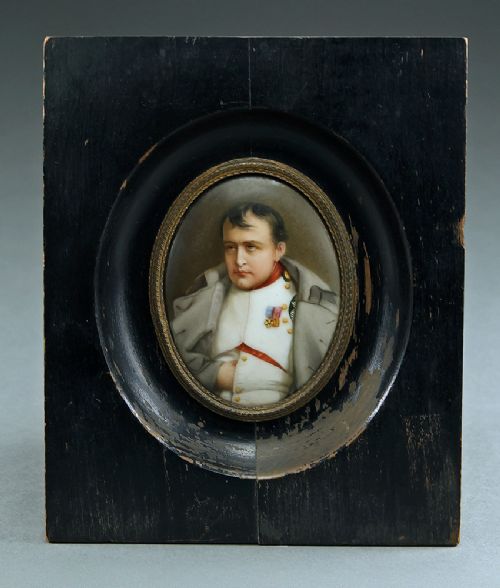
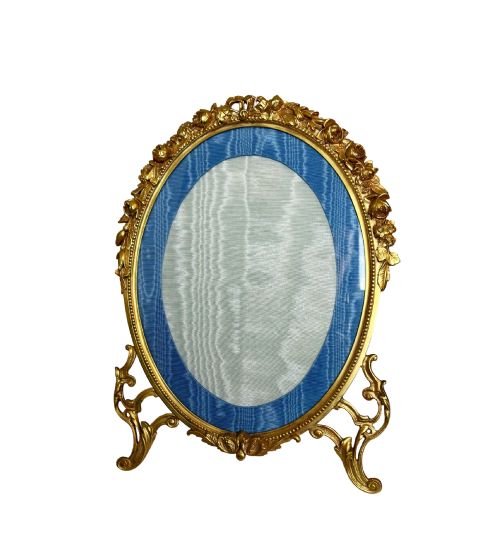
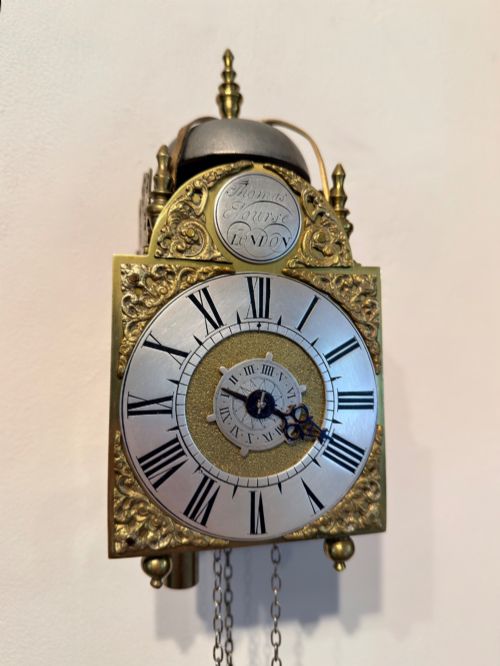
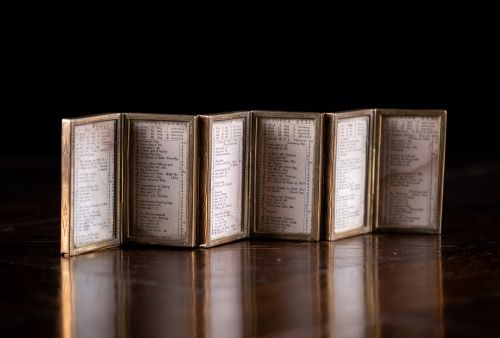
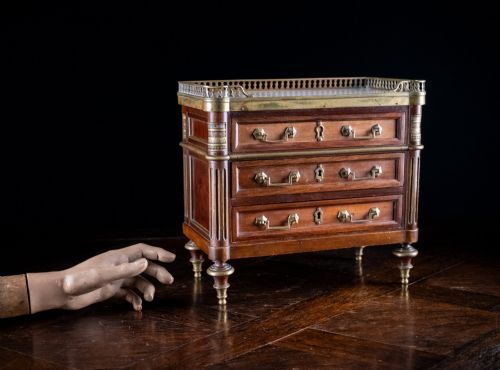
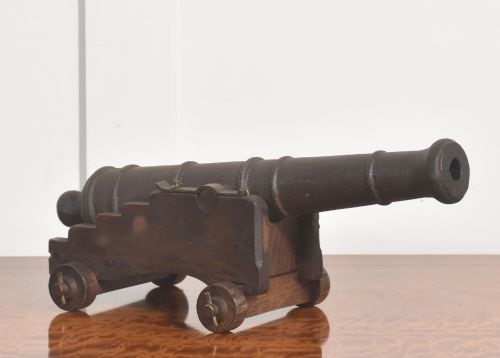
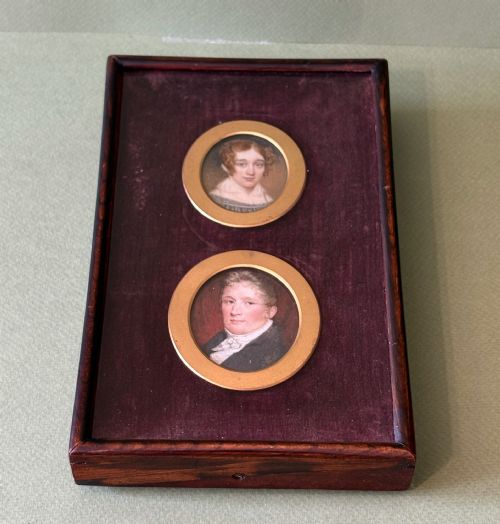
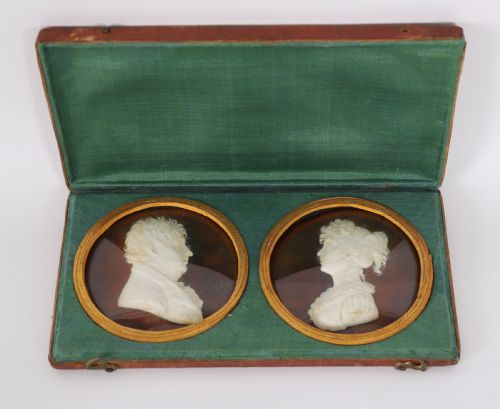
The forms vary widely, encompassing miniature carriage clocks, picture frames, portrait cases, scale cannons and small furniture items. These pieces reflect the tastes of collectors who valued precise craftsmanship on a reduced scale.
Origins span British workshops as well as French makers and continental styles, showing how widely small metalwork travelled. Most items serve a decorative or personal function, often designed for desks, mantelpieces or travel.
Materials and construction
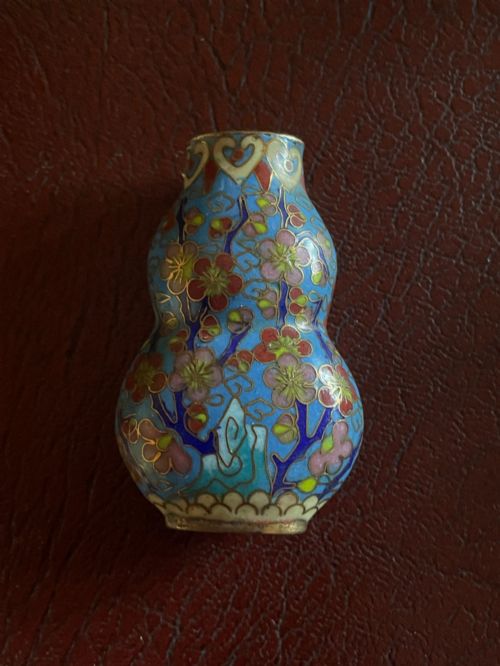
Brass serves as the primary metal substrate, often combined with gilt bronze, copper and gilded mountings. Makers also integrated glass, enamel, paper, wood and mahogany to form complete miniature objects and picture enclosures.
Techniques range from cast and engraved brass casework to delicate enamel painting and gilt framing. Clockmakers implemented miniature gear trains and fusee movements to achieve working timepieces within confined dimensions.
Periods represented span the Georgian, Regency, Victorian and Edwardian eras, alongside specific dates from the eighteenth through to the early twentieth century.
Evaluating craftsmanship
Quality rests in the crispness of the cast brass detailing and the precision of any engraved ornamentation. Finer examples display sharp lines, secure bezel closures and well-proportioned components rather than soft, blurred casting.
The integration of secondary materials dictates overall merit, such as clear hand-painted portraits behind glass or intact enamel work on plaques. Superior items maintain their original mountings, keys and movements without clumsy later replacements.
Mappin and Webb·Rodier·Dumont·John Miers·James Gillespie·George Atkinson
The Antique Brass Miniatures Glossary
- Carriage clock
- A portable spring-driven timepiece designed for travel, typically housed in a brass and glass case.
- Fusee movement
- A mechanism utilising a conical pulley to equalise the power of the mainspring as it unwinds, common in better clocks.
- Gilt metal
- Base metal treated with a thin layer of gold or gold-coloured wash to simulate solid gold.
- Portrait miniature
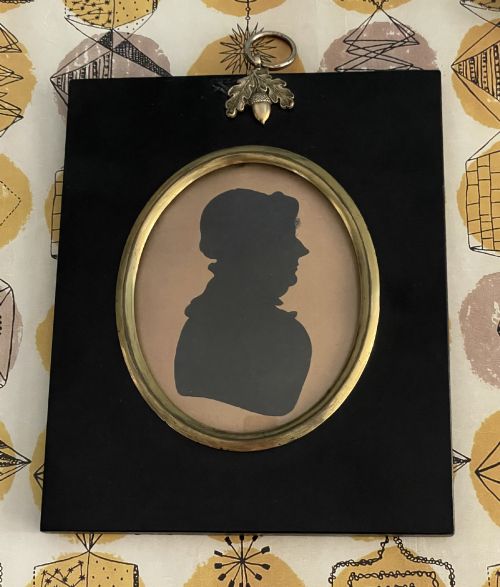
- A small, highly detailed painting or silhouette depicting a person, often set within a framed brass or gilt mount.
- Grand Tour
- A period of European travel undertaken by upper-class young men, yielding souvenir items such as wax reliefs and small bronzes.
Antique Brass Miniatures: Frequently Asked Questions
What are antique brass miniatures?
They are small-scale decorative objects, clocks and frames produced primarily during the eighteenth, nineteenth and early twentieth centuries. Makers utilised brass alongside glass, enamel and wood to create portable items of personal utility.
These pieces reflect domestic interior trends and personal collecting habits of past eras. Their reduced dimensions required specialised metalworking and miniature painting skills.
How do I date a miniature clock?
Dating relies on the style of the brass case, the type of movement and any maker signatures present. Georgian and Regency pieces exhibit different proportions compared to later Victorian carriage clocks or Edwardian productions.
Examining the escapement type, dial layout and key winding mechanism helps narrow the period of manufacture. Comparing construction methods with documented makers provides further chronological clarity.
Where were these small items displayed?
Owners typically placed them on mantelpieces, desks, writing tables and specialised display cabinets. Travel clocks were built with protective outer cases for transit during journeys.
Their compact size allowed collectors to arrange numerous pieces within small interior spaces. They formed part of broader display collections alongside portrait silhouettes and decorative plaques.
Are miniature brass cannons functional?
Some model cannons and signal cannons from the eighteenth and nineteenth centuries were engineered to fire small blank charges. Others served purely as decorative desktop or cabinet ornaments.
Examining the bore, touchhole and carriage construction reveals whether an object was intended for display or actual ordnance use. Most surviving examples function as decorative scale models.