



Antique Brass Mantle Figures
These antique brass mantle figures bring sculptural presence and timekeeping craft to a room, spanning Victorian and continental European workshops.
Antique Brass Mantle Figures
When you search for antique brass mantle figures, you encounter a varied assembly of sculptural timepieces, candelabras, chimney ornaments, and figural lamps. These pieces sit on mantelpieces and shelves, combining cast metal forms with functional clock movements or lighting elements.
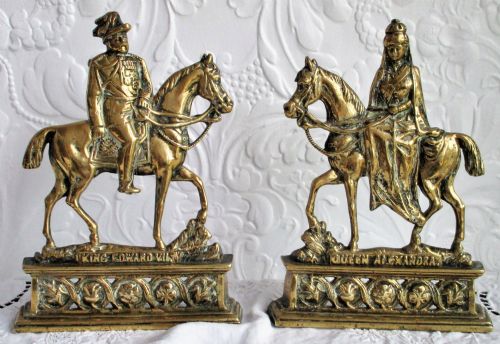
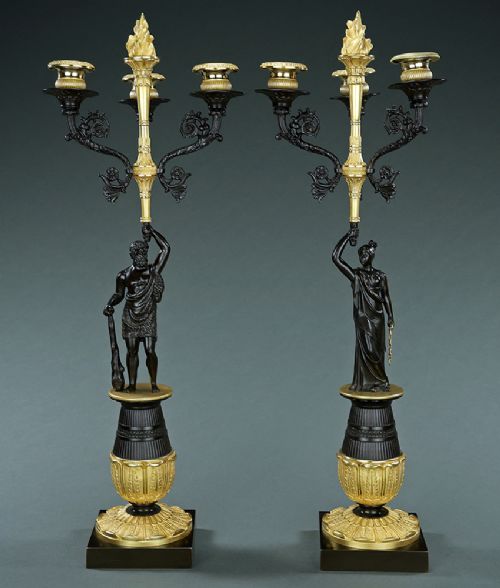
The examples most commonly met on this page belong to the nineteenth century, including Victorian English work and French styles such as Empire, Napoleon III, and Rococo Revival. Figures range from historical portraits and mythological pairs like Hercules and Hesione to putti, young girls, and decorative architectural cases.
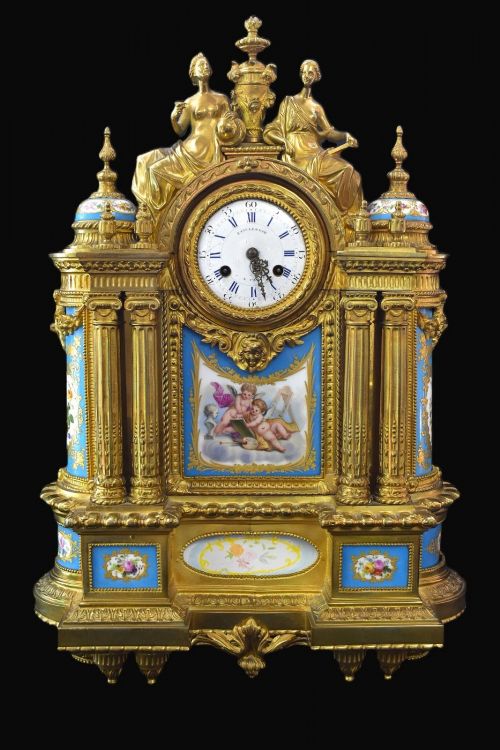
Makers recorded in these listings include Etienne Lenoir and P.H. Mourey, alongside English commemorative pieces depicting figures like King Edward VII and Queen Alexandra. Materials extend beyond brass to incorporate ormolu, gilt bronze, porcelain panels, enamel dials, and marble bases.
How they were made
Foundry workers cast brass, gilt bronze, and ormolu using traditional methods to create detailed figural components and decorative clock cases. Artisans then chased and finished the metal surfaces by hand, applying gilding or patination to accentuate drapery, facial expressions, and ornamentation.
Clockmakers integrated mechanical eight-day striking movements behind enamel or porcelain dials, housing them securely within the metal housings. Secondary materials such as marble plinths, glass covers, and Sevres porcelain inserts were fitted to complete the decorative scheme of each mantel piece.
Antique Brass Mantle Figures Retail Price Guide 2026
Typical asking prices for brass mantle figures among the pieces listed under this phrase on Sellingantiques today, from the lower quarter to the upper quarter. They describe what is for sale here now, not the wider market.
Materials recorded across the inventory include brass, ormolu, gilt bronze, patinated bronze, marble, porcelain, enamel, and glass.
What varies in quality
The integration of materials also defines the grade of a piece, such as the weight of the marble base, the quality of hand-painted porcelain panels, and the complexity of the clock movement by named makers like P.H. Mourey or Etienne Lenoir.
Etienne Lenoir·P.H. Mourey
The Antique Brass Mantle Figures Glossary
- Ormolu
- Gilded bronze produced by applying a mercury and gold amalgam to a bronze base and heating it to drive off the mercury. This technique yields a rich, durable golden surface seen on many French nineteenth-century clock cases.
- Patinated bronze
- Bronze treated with chemical solutions to produce a specific surface colour and texture. This finish highlights the sculptural contours of figural subjects without relying on gold leaf.
- Candelabra
- A branched candlestick holder designed to stand on a mantelpiece or table. These often match the style and materials of accompanying mantel clocks.
- Chimney ornament
- A decorative object intended for display on the shelf above a fireplace. They frequently depict portraits, historical figures, or decorative animals.
- Eight day movement
- A mechanical clock movement that requires winding approximately once a week. This type of mechanism is common in Victorian and French mantel clocks.
Antique Brass Mantle Figures: Frequently Asked Questions
What materials make up these mantle figures?
These decorative objects and clocks utilise brass, gilt bronze, ormolu, and patinated bronze for their primary structures. Many pieces incorporate additional elements such as Sevres porcelain panels, enamel dials, marble bases, and glass.
English chimney ornaments often focus on brass and specific commemorative figures, while French examples lean heavily towards gilded bronze and figural sculptural groups.
How do I identify French nineteenth-century styles?
French pieces from this period generally fall into categories like Empire, Napoleon III, and Rococo Revival. Empire and Second Empire works display classical restraint or opulent ornamentation, whereas Rococo Revival pieces feature asymmetrical scrolls and naturalistic floral motifs.
Signatures or marks on the bronze castings and clock movements, such as those by P.H. Mourey or Etienne Lenoir, help pinpoint the origin and workshop.
Where were these figures originally displayed?
These items were designed primarily for placement on fireplace mantelpieces in formal sitting rooms and parlours of nineteenth-century homes. They served both a decorative function as chimney ornaments and a practical purpose through integrated clock movements or candelabra arms.
Pairs of chimney ornaments or garnitures were often arranged symmetrically flanking a central mantel clock to balance the fireplace arrangement.
How do I care for antique brass and bronze?
Dust the metal surfaces gently with a soft, dry brush to prevent the accumulation of dirt in recessed chasing and crevices. Avoid chemical polishes, abrasive cloths, and commercial cleaners, which can strip original gilding, patination, or delicate surface finishes.
Maintain mechanical clock movements by having them professionally cleaned and serviced periodically to ensure proper functioning of the eight-day striking mechanism.