


Antique Brass Hinges
Antique brass hinges fix doors and lids securely while adding period detail to furniture and architectural joinery.
Antique Brass Hinges
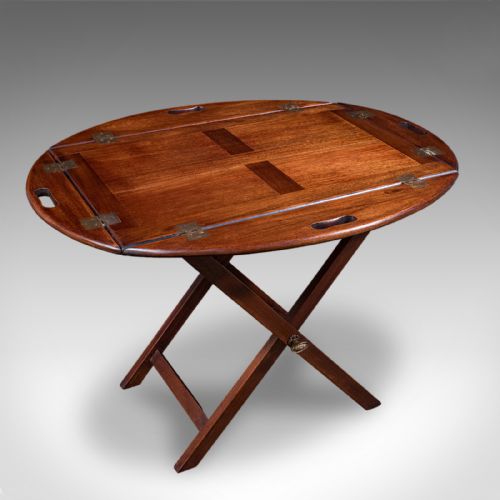
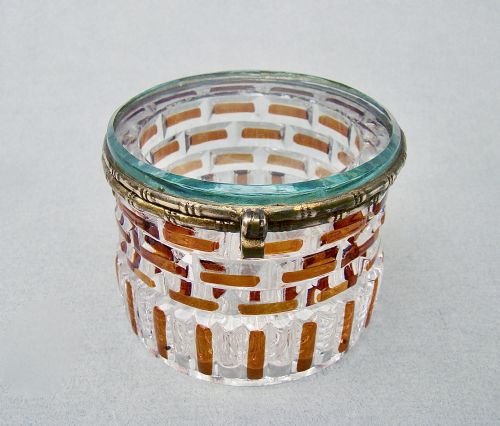
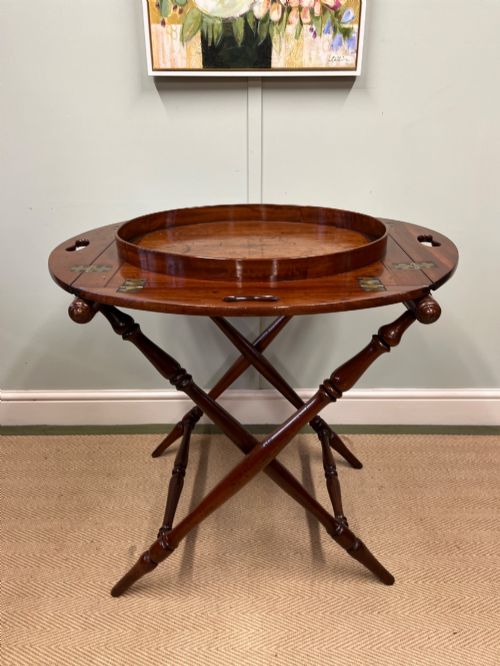
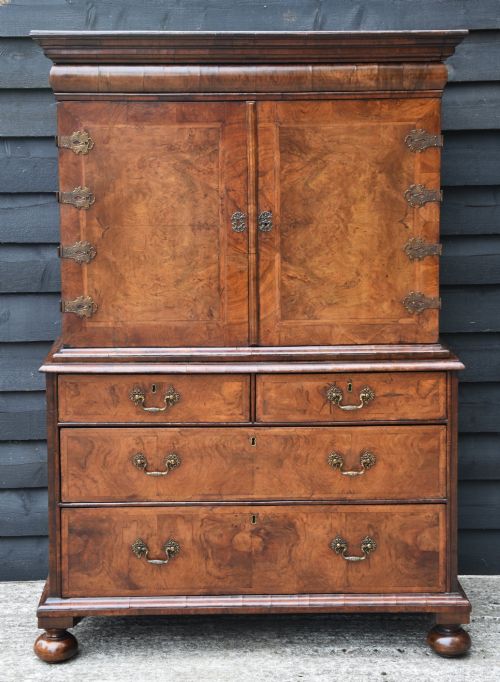
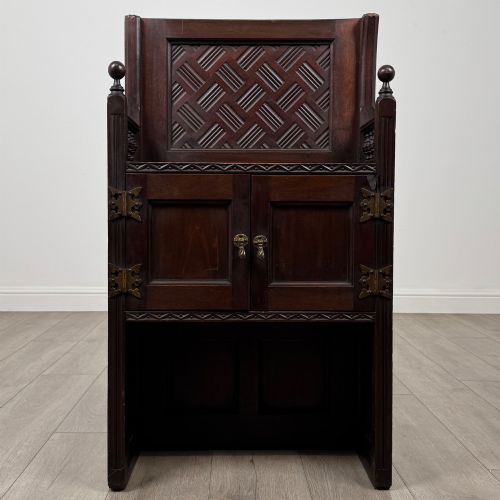
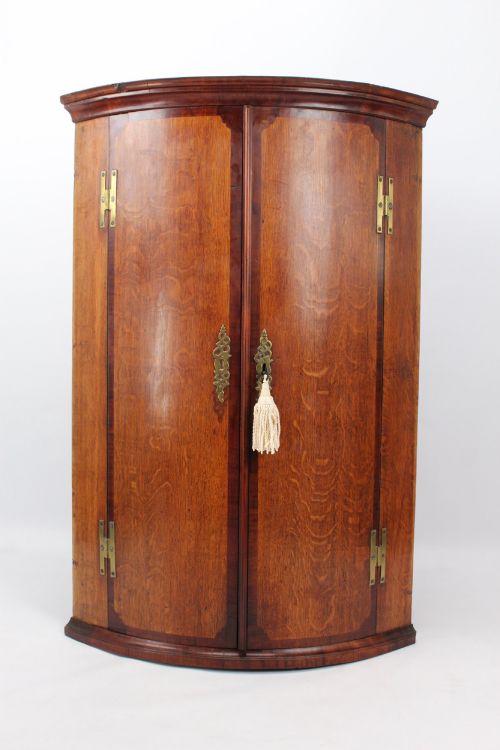
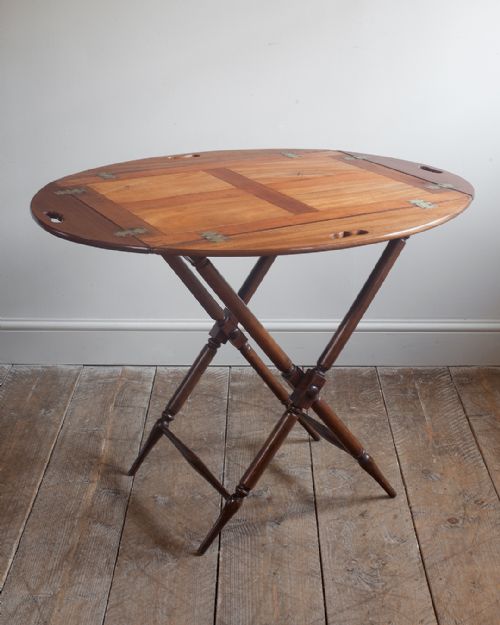
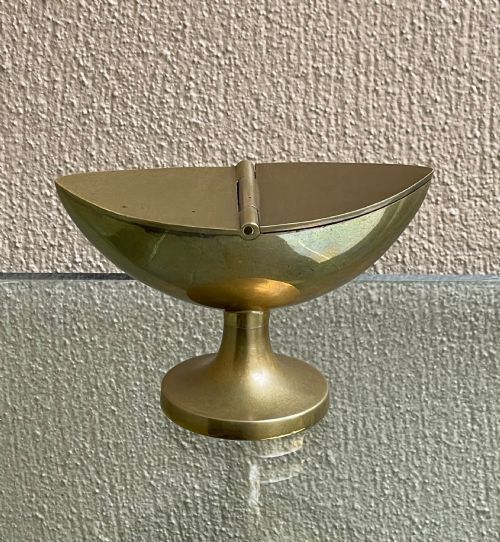
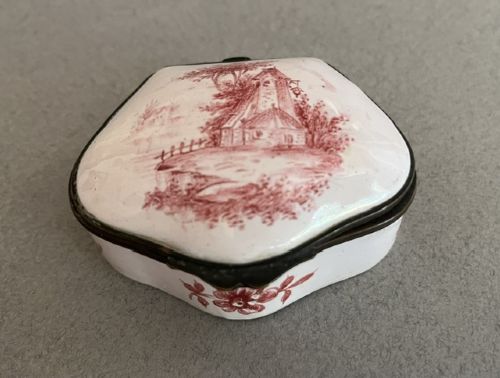
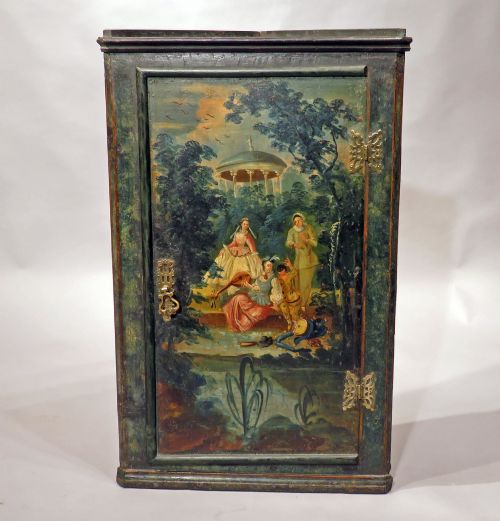
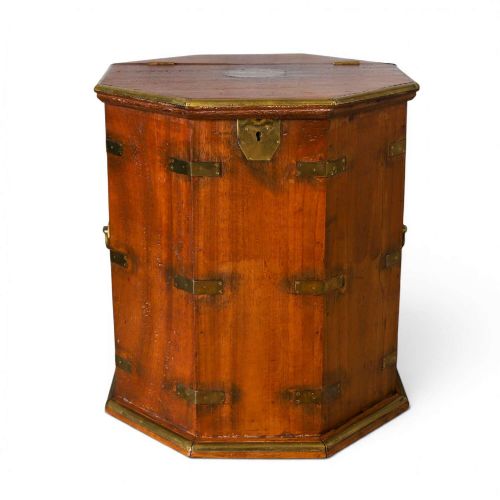
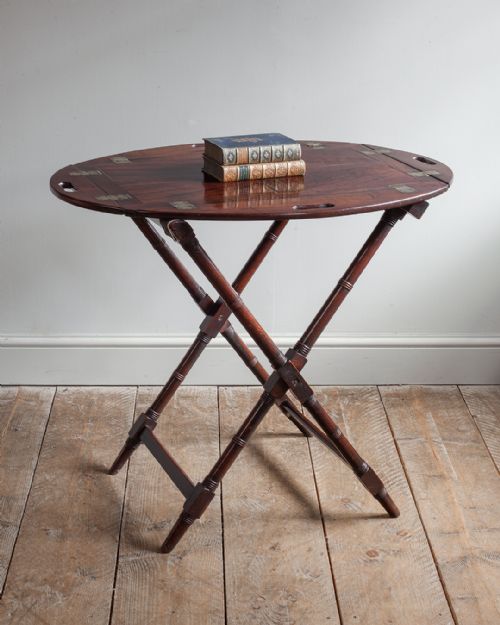
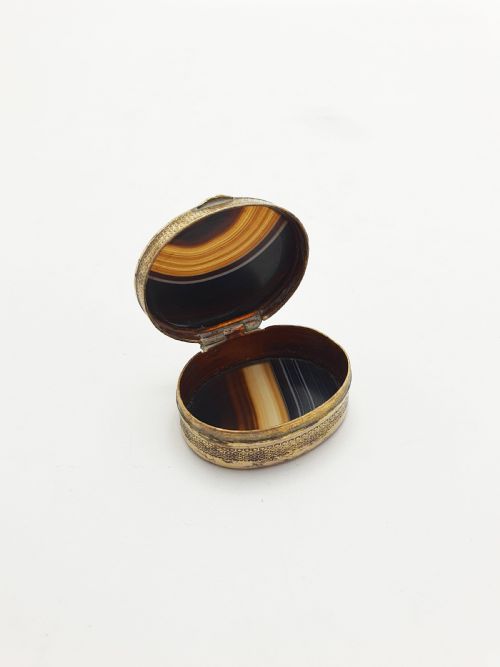
Antique brass hinges span several centuries of domestic and campaign furniture, primarily appearing on small boxes, cabinets, and folding tray tables. A buyer searching for antique brass hinges encounters hardware salvaged from larger pieces or preserved in original working order on period fittings.
The inventory on this page reflects pieces from the Georgian, Victorian, and Edwardian eras, alongside items spanning the 18th to 20th centuries. While the broader listing includes cabinets and trays that utilise brass mounting, the specific hinge hardware dates across these established periods.
Materials and construction methods
Brass serves as the primary metal component, chosen for its durability, corrosion resistance, and warm metallic tone. Makers cast or stamp the brass components, often finishing surfaces with hand filing and simple engraving.
Iron pins and steel screws frequently accompany these brass plates, showing period-specific threading and head formation that help date the hardware.
Listings featuring brass hardware span the Victorian era, the Edwardian period, and the 19th century.
Assessing quality in period hardware
Quality rests on the weight of the metal and the precision of the casting. Thicker brass plates resist bending under daily load and hold countersunk screw holes cleanly without splitting.
Superior examples retain crisp detail in any decorative border or hinge knuckle, whereas lower-grade items show soft edges from worn moulds or hasty finishing.
John Moyr Smith·Kralik·Loetz
The Antique Brass Hinges Glossary
- Brass
- A copper and zinc alloy prized for its workability and golden appearance on period furniture. It forms the structural base for most antique hinges.
- Campaign
- A style of portable furniture designed for military officers, often featuring recessed brass hardware and hinges to prevent snagging during travel.
- Georgian
- A design period covering the 18th and early 19th centuries, known for restrained proportions and quality metalwork. Hinges from this era balance utility with understated decoration.
- Victorian
- A manufacturing period spanning the 19th century, characterised by industrial expansion and varied decorative revivals. Hardware from this time ranges from plain utilitarian joints to ornate Gothic designs.
- Edwardian
- A stylistic period bridging the late 19th and early 20th centuries, favouring lighter domestic forms. Hinges from these years often reflect refined manufacturing techniques.
Antique Brass Hinges: Frequently Asked Questions
How do I date antique hinges?
Dating relies on examining the manufacturing marks, screw slot types, and the method of shaping the brass. Hand-filed knuckles and irregular cast plates generally point to earlier centuries.
Later Victorian and 20th-century examples show more uniform machine stamping and standardised screw sizes.
Are these hinges suitable for modern doors?
Many period hinges remain fully functional and can be fitted to new cabinet doors or restoration projects of matching scale. Load limits depend on the thickness of the brass and the length of the leaves.
Lighter hinges suit small boxes or decorative panels rather than heavy entrance doors.
How should I clean antique brass?
Gentle washing with warm water and mild soap removes surface dirt without stripping the historic patina. Avoid harsh chemical polishes that strip away the aged surface.
Soft brushes help clear accumulated grime from screw recesses and hinge knuckles.
What is the difference between cast and stamped brass?
Cast brass is poured into a mould, resulting in heavier, thicker plates with slight surface variations. Stamped brass is pressed from sheet metal, yielding lighter and more uniform components.
Cast versions typically appear on older or higher-status furniture.