


Antique Brass Helmet
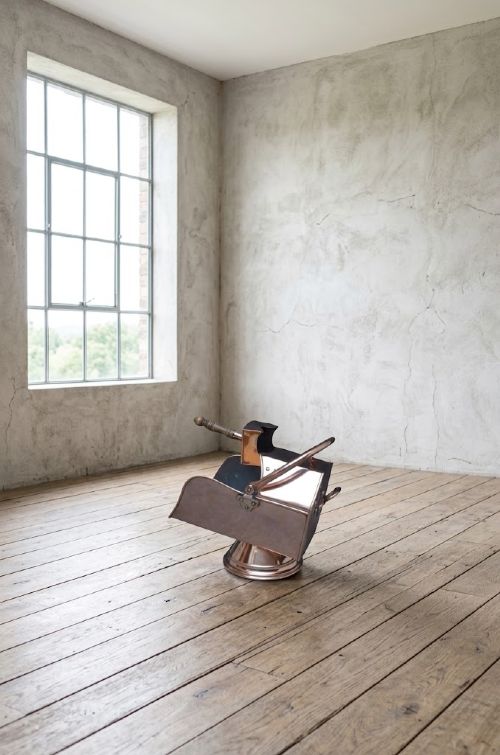
An antique brass helmet typically takes the form of a domestic fireside coal scuttle or a military headpiece crafted during the nineteenth and early twentieth centuries.
Antique Brass Helmet
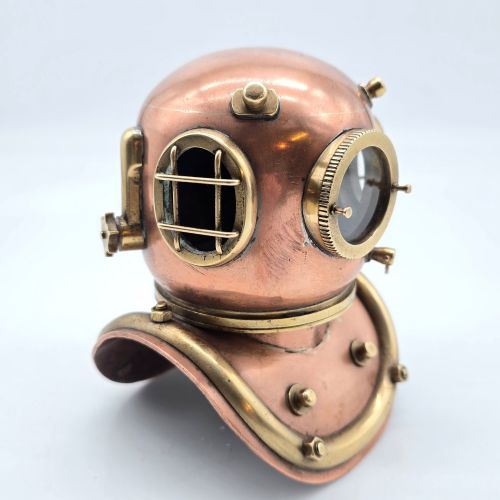
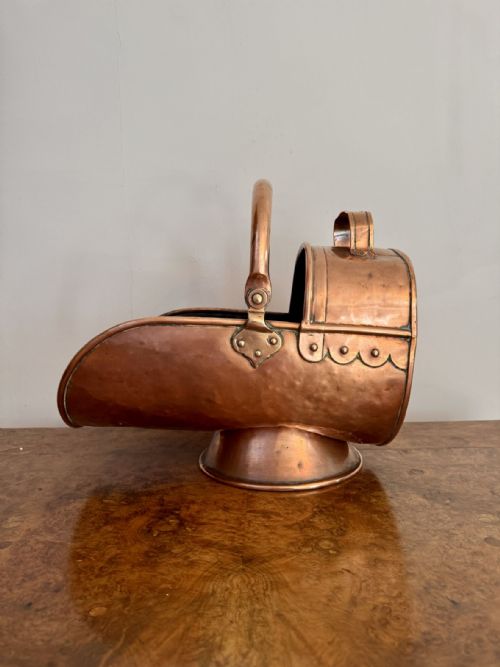
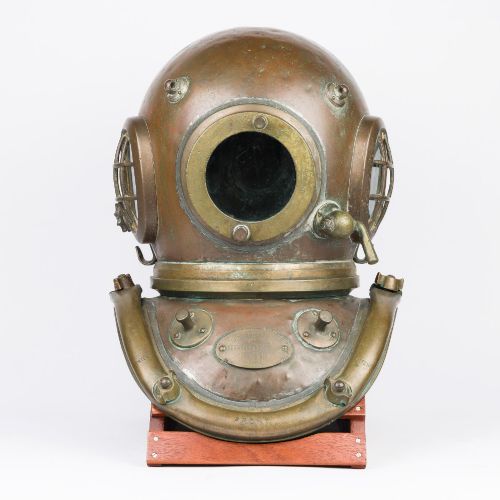
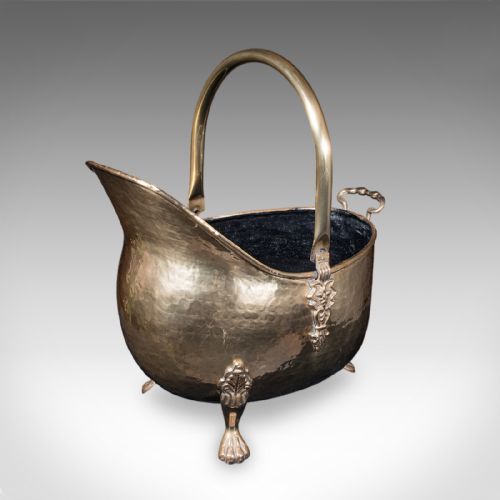
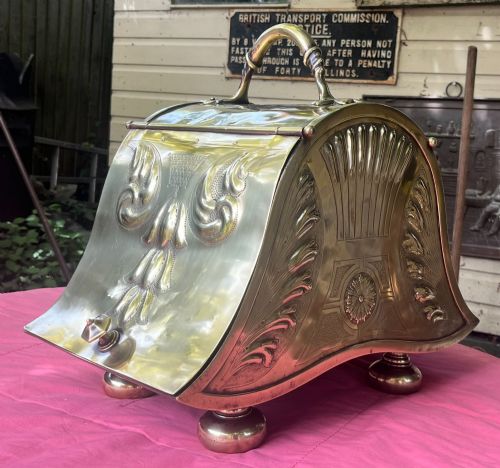
When searching for an antique brass helmet, buyers encounter two distinct categories: functional domestic coal scuttles shaped like classical helmets and actual military headgear fashioned from brass, copper, and steel. The domestic varieties dominate the selection, predominantly originating from the Victorian and Edwardian periods as hearth accessories.
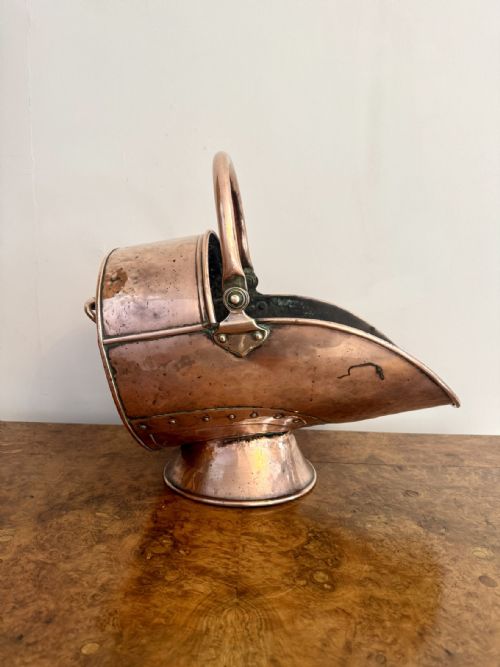
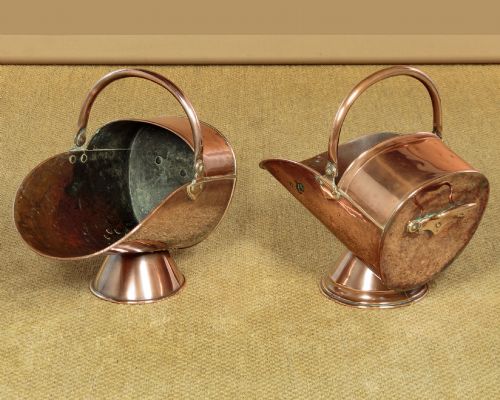
The domestic coal scuttles are designed with a tapered body, a wide mouth for scooping fuel, and a sturdy handle for carrying coal to the fireplace. These functional vessels frequently incorporate copper bodies paired with brass fittings, alongside wooden elements and ceramic or china handles.
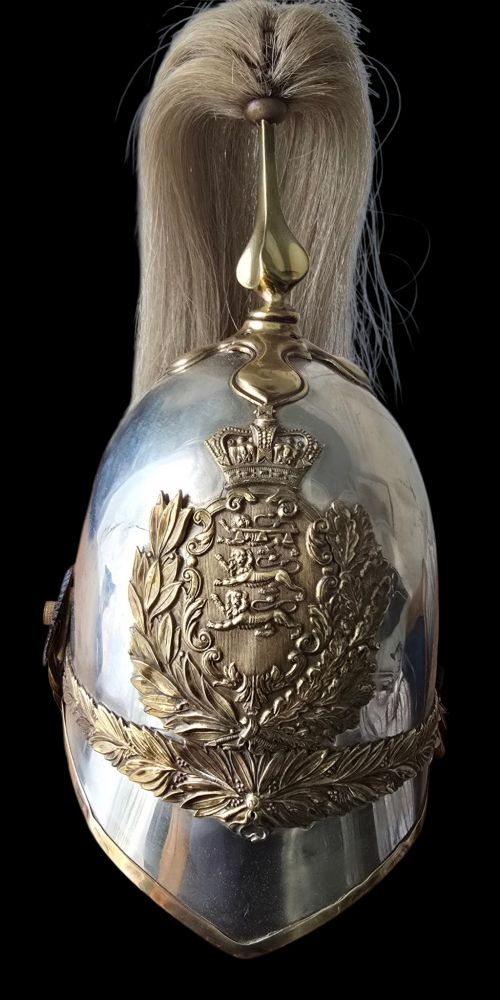
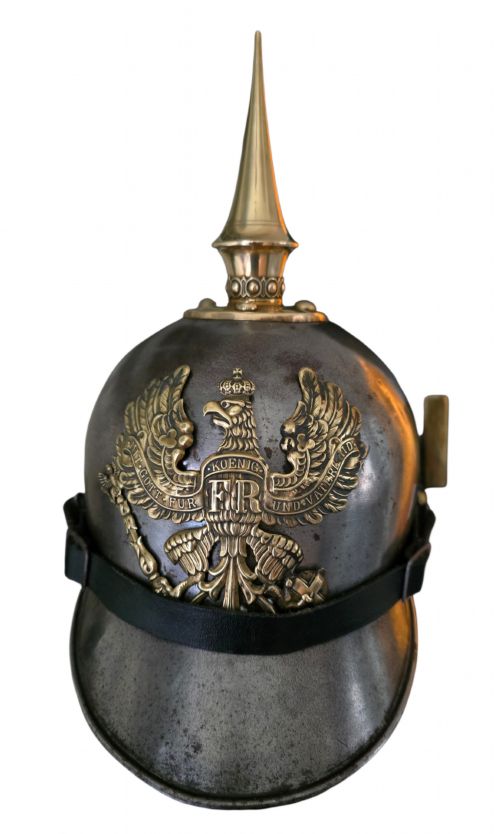
Military examples represent actual protective headwear, including nineteenth-century cavalry helmets, German Pickelhaube spiked helmets with brass fittings, and French fireman helmets. These pieces combine brass plates and spikes with leather liners, horsehair plumes, and occasionally steel bodies.
How they were made
Makers constructed domestic coal helmets using sheet brass and copper, joining the metal panels with seams, rivets, and sometimes claw feet. Foundry work produced cast brass handles, hinges, and shovels that accompanied the scuttles.
Military helmets relied on pressed brass and steel plates shaped over forms, embellished with gilt bronze fittings and metal emblems. Interior leather liners and horsehair attachments required specialised stitching and mounting techniques to secure the components to the metal shell.
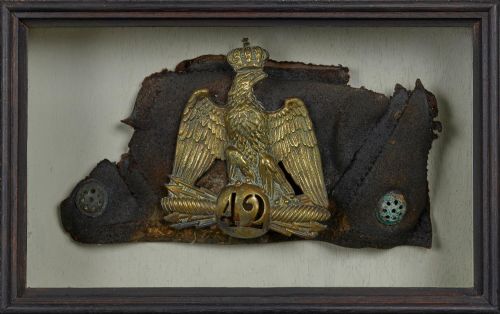
Napoleon's infantry regiments apparently inspired some makers to shape coal buckets into military headwear.
What varies in quality
Quality in domestic coal helmets rests upon the gauge of the metal, the weight of the brass castings, and the integrity of the construction. Heavier brass and copper sheets resist dents and warping from daily fireside use, while Maker-marked pieces demonstrate superior craftsmanship.
Military variations depend on the preservation of original components, such as leather chin scales, horsehair plumes, and regimental metal plates. Intact liners and original gilt finishes distinguish standard issue items from officer-grade or well-preserved examples.
Benham and Froud·William Souter and Sons·Siebe Gorman
The Antique Brass Helmet Glossary
- Coal scuttle
- A container used for holding and carrying coal to a fireplace. These vessels often take the curved shape of a classical helmet.
- Toleware
- Enamelled and japanned metalware produced in imitation of Asian lacquerwork. Tin military hat boxes and certain containers utilise this technique.
- Shako
- A tall, cylindrical military cap adorned with a visor and sometimes a plume. Examples include partial remains from Napoleonic infantry regiments.
Antique Brass Helmet: Frequently Asked Questions
How were brass coal helmets used?
These vessels sat by the hearth to store and transport coal for the fireplace. A matching shovel often accompanied the scuttle for loading fuel into the grate.
The distinctive helmet shape allowed the user to tip the contents forward in a controlled stream. Handles positioned at the rear and top facilitated lifting and pouring.
Are these military helmets wearable?
Most antique military helmets were sized for nineteenth-century heads and feature aged, inflexible leather interiors. Wearing them can stress fragile stitching and brittle materials.
Collectors generally display these pieces on stands rather than wearing them. Preserving the original lining and exterior finish takes priority over practical use.
How do I date a brass helmet?
Stylistic clues, construction methods, and maker marks help establish an age. Victorian domestic pieces often display heavy gauge copper and brass with ceramic handles.
Military helmets carry specific model designations, regimental plates, and crown stamps tied to particular reigns and conflicts. Comparing the hardware and shape to documented examples narrows down the decade.
What is the difference between brass and copper scuttles?
Many domestic helmet scuttles combine both metals, using copper for the main body and brass for the base, handle, and rim. Pure brass versions appeared in heavy cast or sheet form.
Copper developed a warm reddish tone, while brass offered a brighter golden appearance. Makers frequently paired the two metals for decorative contrast.