



Antique Brass Goods
These antique brass goods bring tactile weight and warm metallic gleam to a room, spanning periods from the eighteenth century to the early twentieth.
Antique Brass Goods
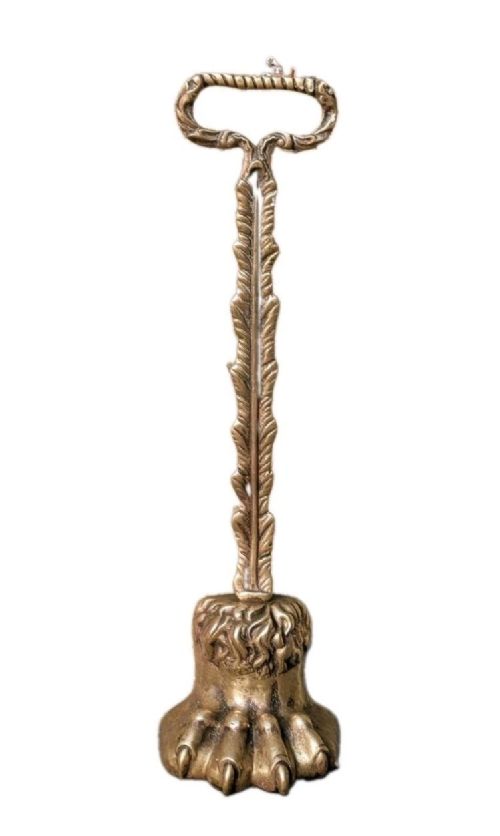
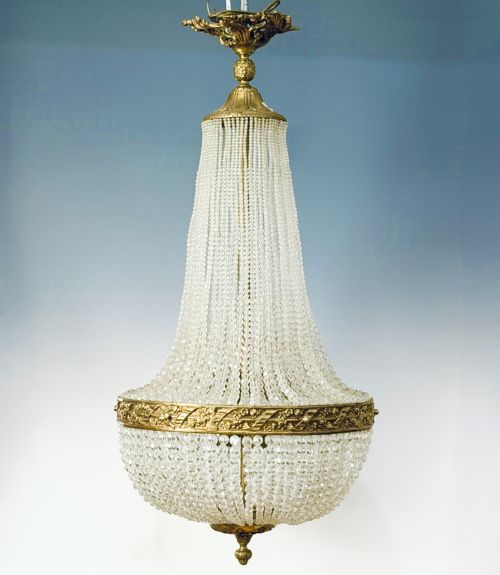
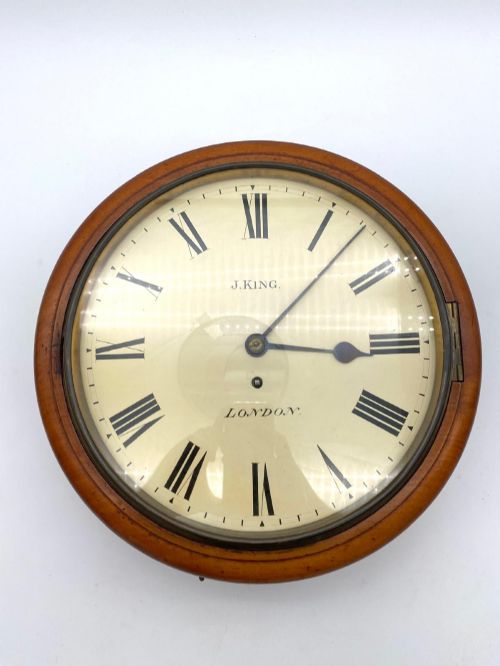
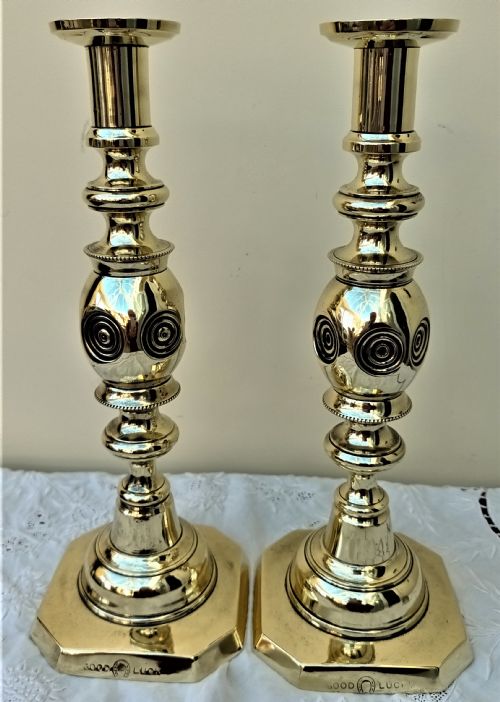
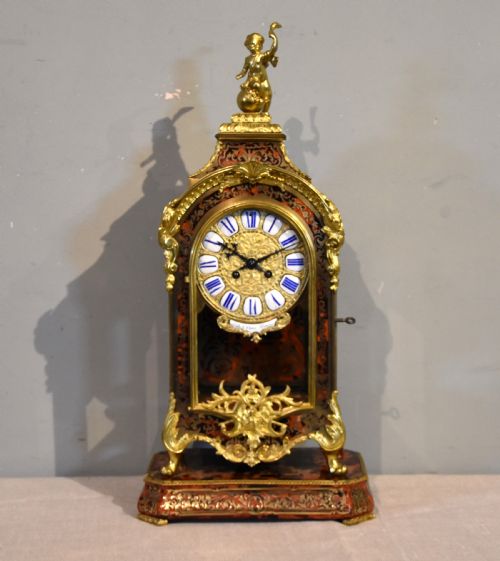
When searching for antique brass goods, collectors encounter a diverse array of domestic items intended for both utility and display, primarily originating from the Victorian, Edwardian, and Georgian eras. The selection commonly includes functional household fixtures such as candlesticks, umbrella stands, log bins, and heavy coat hooks, alongside intricate timepieces and lighting.
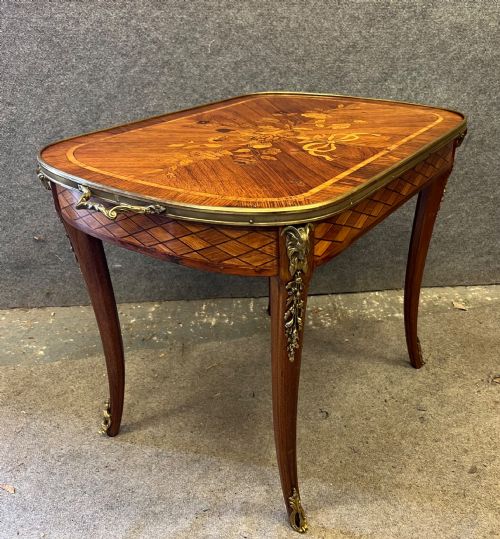
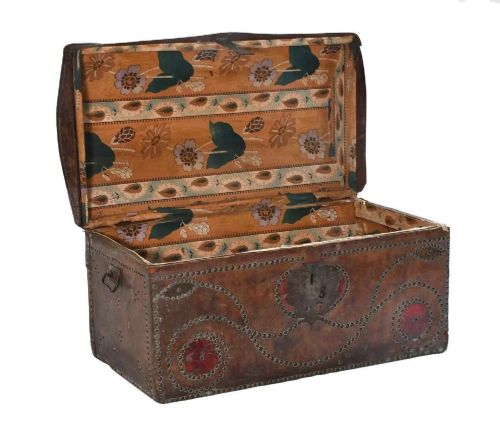
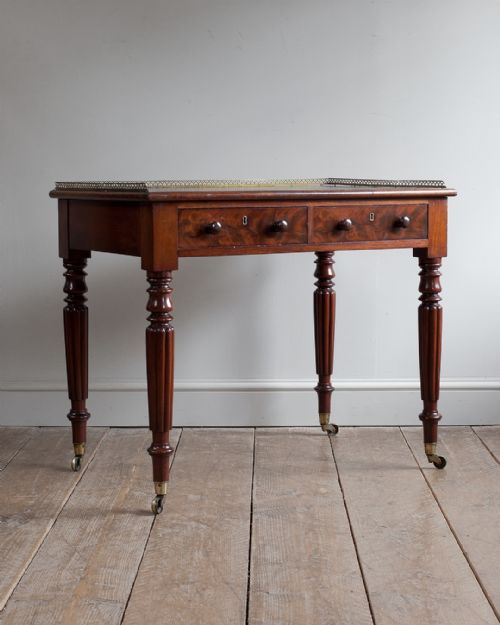
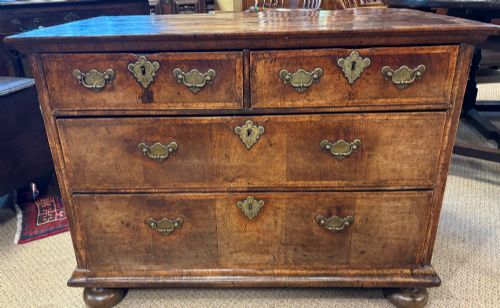
The objects recorded here demonstrate how foundational this alloy was to period interiors, appearing as structural mounts on campaign chests and writing slopes or standing alone as column candlesticks and wall lights. Buyers meet pieces that reflect the aesthetic shifts from eighteenth-century restraint through nineteenth-century elaboration up to early twentieth-century design.
How they were made
Metalworking techniques for these items relied heavily on casting and forging, often combining solid brass components with complementary materials like mahogany, walnut, glass, and iron. Heavier utilitarian objects such as log bins and umbrella stands utilised durable cast and sheet construction designed to withstand daily domestic service.
Finishing methods involved careful turning on lathes, hand-chasing, and polishing to accentuate the natural golden hue of the alloy. Many pieces incorporate supplementary structural elements in wood or steel, secured with traditional joinery and fitted hardware.
Antique Brass Goods Retail Price Guide 2026
Typical asking prices for brass goods among the pieces listed under this phrase on Sellingantiques today, from the lower quarter to the upper quarter. They describe what is for sale here now, not the wider market.
Materials in this category span solid brass alongside contrasting woods like mahogany, walnut, and rosewood.
What varies in quality
Distinctions in quality rest upon the crispness of the casting detail, the weight of the metal utilised, and the integrity of the original surface patination. Superior examples retain sharp decorative motifs and robust structural components without excessive wear from over-cleaning.
The relationship between the brass fittings and any secondary materials, such as wood or leather, defines the overall standard of craftsmanship. Pieces that maintain their original mounts, handles, and structural stability demonstrate the higher tier of period manufacturing.
Thomas Vernon·William Speakman·James Gillespie
The Antique Brass Goods Glossary
- Brass
- A copper and zinc alloy valued for its durability and warm golden colour. It serves as the primary material for period candlesticks, hardware, and decorative vessels.
- Patina
- The surface texture and coloration developed through age, handling, and oxidation. This natural layer distinguishes authentic period pieces from modern reproductions.
- Campaign
- A style of portable furniture designed for travel, typically fitted with recessed brass corners, binding, and flush handles. These sturdy mounts protected edges during military transport.
- Chasing
- A metalsmithing technique used to refine and decorate the surface of cast metal by indenting with a hammer and punch. It creates crisp relief details on high-grade candlesticks and decorative items.
Antique Brass Goods: Frequently Asked Questions
How do I clean antique brass?
Maintenance requires minimal intervention to preserve the historic surface skin. Gentle dusting with a soft cloth keeps the metal clear of accumulation without stripping the accumulated character.
Harsh chemical polishes remove the underlying layers of age and reduce the visual depth of the object. Most collectors prefer to leave oxidation undisturbed in recessed areas.
What is campaign style brass?
Campaign pieces feature integrated brass corners, straps, and recessed handles designed to withstand frequent travel. These protective additions prevented wooden carcases from splitting during military deployment.
The metal hardware functions both as structural reinforcement and decorative framing for mahogany or camphor wood surfaces.
How do I date antique brass?
Dating relies on manufacturing marks, fastening methods, and stylistic shifts across the eighteenth and nineteenth centuries. Earlier cast examples often display subtle irregularities from sand casting.
Later Victorian and Edwardian production utilised more uniform industrial methods and standardised threading. Comparing the object to documented period examples confirms the era of origin.
Where should I place brass items?
These pieces suit both traditional and contemporary interiors, providing metallic contrast against wood, glass, and textile surfaces. Heavy items like log bins or umbrella stands anchor hallways and hearths.
Smaller objects such as candlesticks and desk accessories add focal points to side tables and mantelpieces. Proper placement balances the reflective quality of the metal within the room's natural light.