
Antique Brass Dressing Table
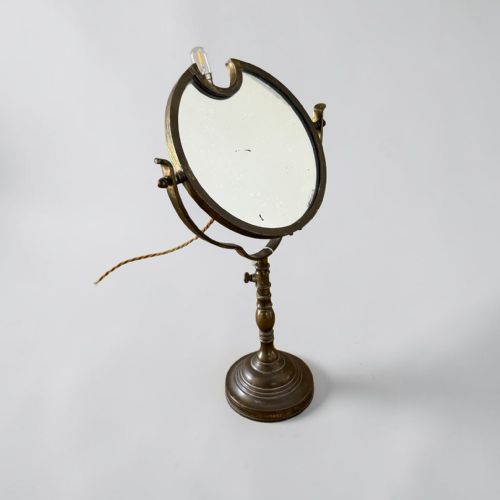
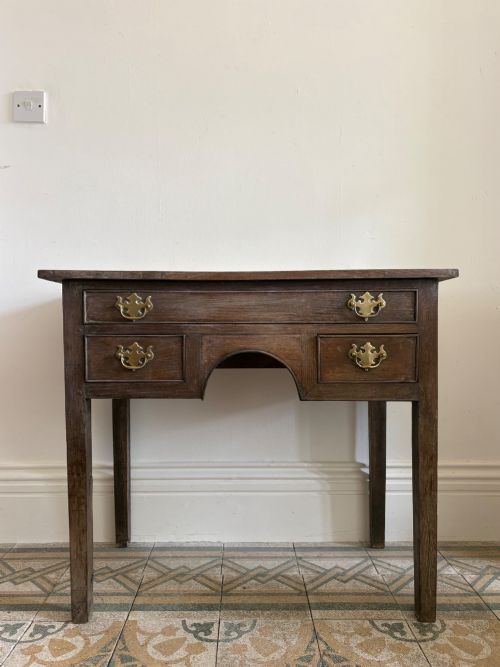
These antique brass dressing table examples range from small swing mirrors to fitted lowboys, bringing functional elegance to a bedroom.
Antique Brass Dressing Table
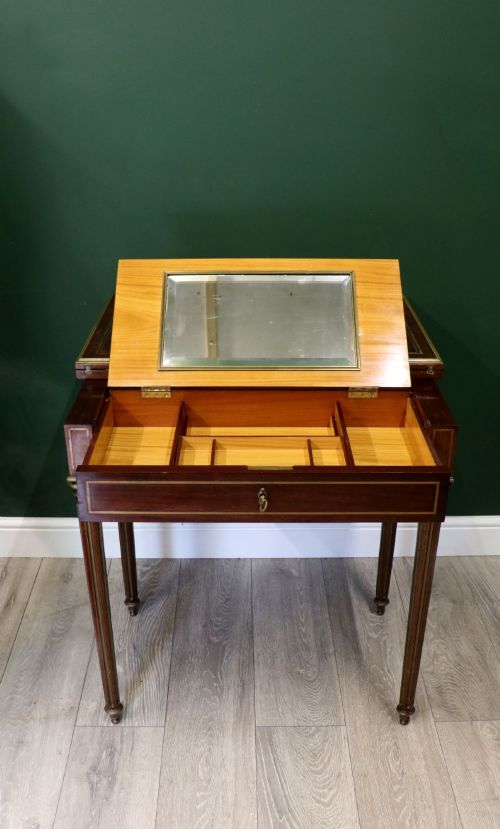
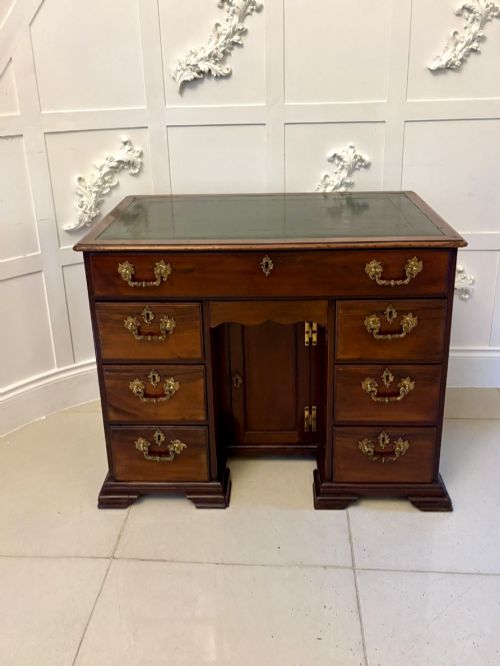
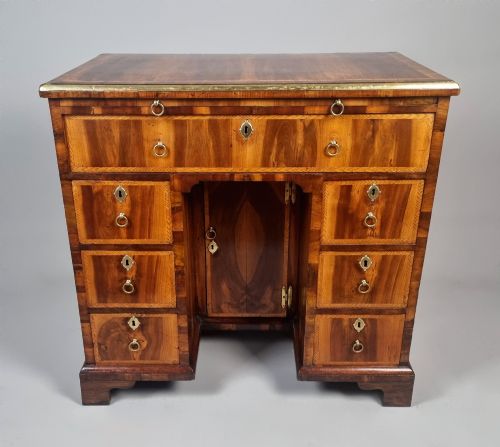
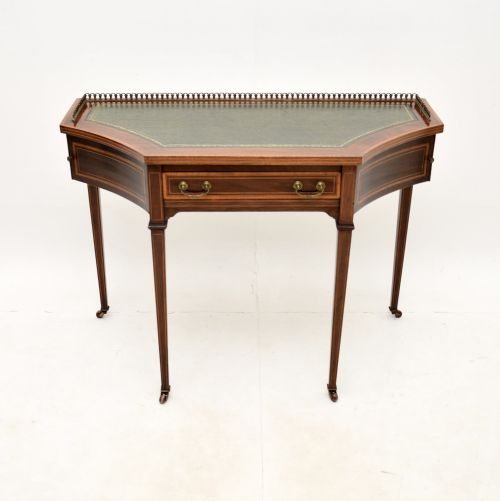
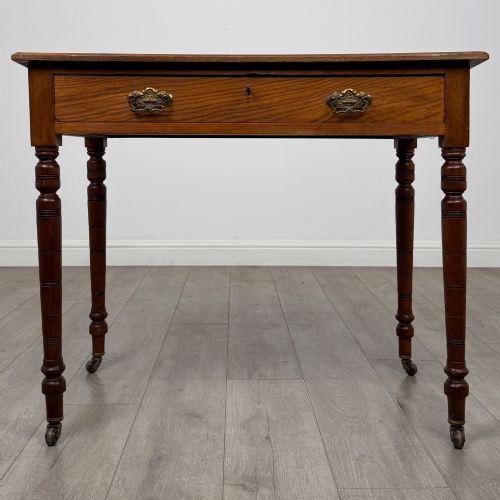
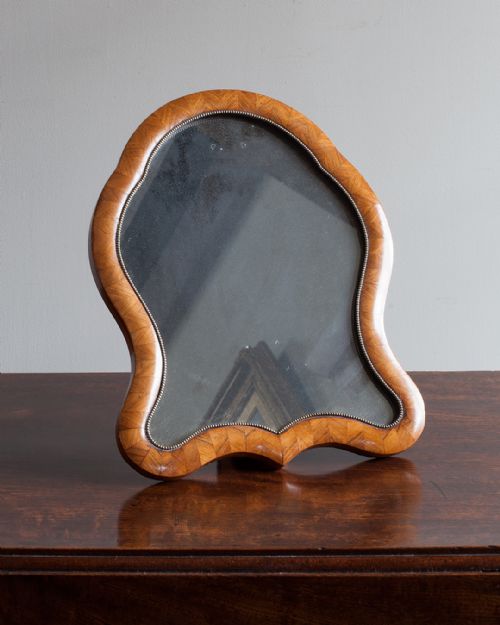
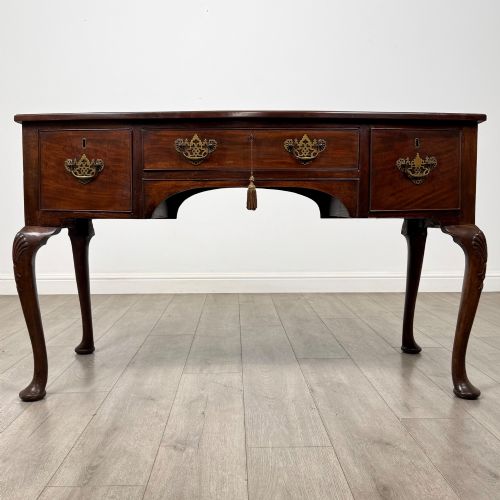
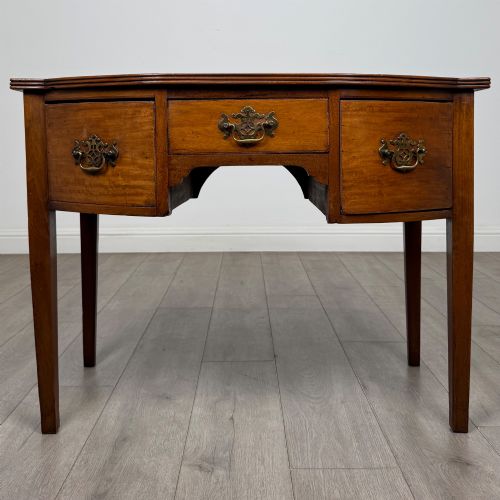
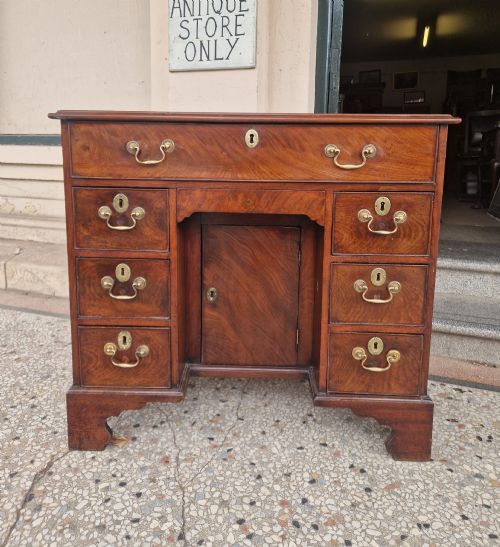
When you search for an antique brass dressing table, you encounter a variety of forms spanning the Georgian, Victorian, and Edwardian periods. The selection includes dressing table mirrors, lowboys, and kneehole desks accented with brass handles, hinges, or mounts. These pieces combine practical storage with the decorative metalwork characteristic of their respective eras.
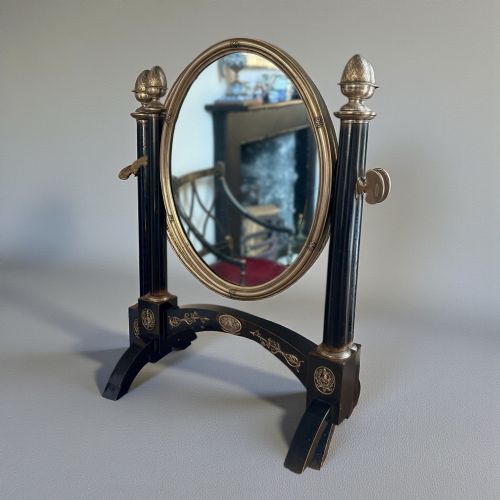
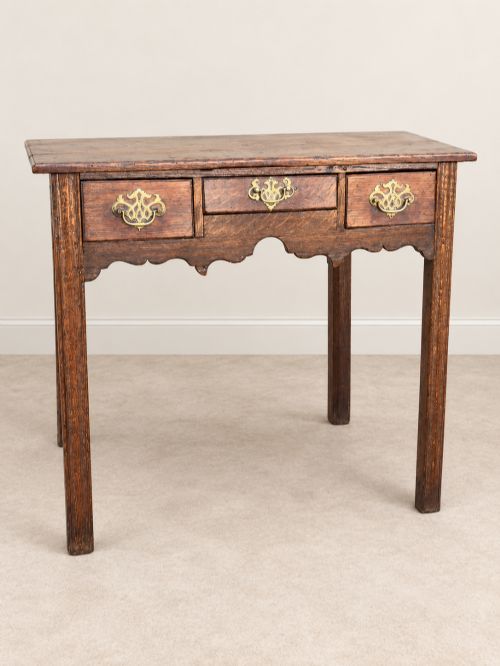
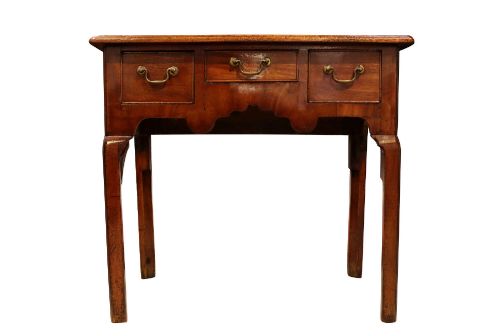
The version you are most likely to meet on this page is a table mirror or a lowboy side table fitted with brass hardware. Eighteenth-century pieces frequently appear as oak or mahogany lowboys with original brasses, while later nineteenth-century examples often take the form of adjustable swing mirrors or kidney-shaped desks. Each type reflects the changing domestic requirements for personal grooming and writing spaces across the centuries.
Materials and construction methods
Cabinet makers utilised primary timbers such as mahogany, oak, walnut, and satinwood, frequently pairing them with secondary woods for drawer linings. Structural joinery relied on traditional dovetailed drawers and pegged tenons, ensuring durability over centuries of daily use.
Brass formed an integral component, appearing as cast handles, escutcheons, swing mirror frames, and decorative mounts. Gilding and champlevé enamel techniques also feature on finer mirror frames and vanity boxes, highlighting the detailed metalworking skills of the period.
The listings span from the eighteenth century to the twentieth century, incorporating mahogany, oak, walnut, and solid brass.
Distinctions in craftsmanship and preservation
The standard of a piece depends heavily on the crispness of the timber grain, the integrity of the original polish, and the retention of matching period brassware. Tables retaining their authentic handles and uncompromised structural joints command greater interest from collectors.
Surface preservation separates standard examples from exceptional ones. Pieces exhibiting untouched patination on both the wood and the brass components demonstrate careful custodianship, whereas heavily restored surfaces alter the historic character of the item.
Maples of London and Paris·Thiebaut Freres
The Antique Brass Dressing Table Glossary
- Lowboy
- A small oak or mahogany table with one or more drawers, commonly used as a dressing table or side table in the eighteenth century. It typically stands on slender cabriole or straight legs.
- Toilet mirror
- A smaller tabletop mirror, often mounted on a swing frame above a small box base containing drawers. These were placed atop chests of drawers or dedicated dressing tables.
- Ormolu
- Gilt bronze mounted onto furniture or decorative objects, popular in French-influenced nineteenth-century designs. The technique involves applying a gold amalgam to a bronze base.
- Champleve
- An enamelling technique where troughs or cells are sunk into the surface of a metal object and filled with vitreous enamel before firing. It appears frequently on late nineteenth-century brass frames and caskets.
Antique Brass Dressing Table: Frequently Asked Questions
How do I date an antique dressing table?
Dating relies on examining the timber species, secondary woods, and construction methods like hand-cut dovetails. Hardware such as brass handles and backplates also offers reliable clues to the period of manufacture.
Stylistic cues, including the presence of Georgian bracket feet or Victorian walnut veneers, help narrow the decade of origin.
What is the difference between a lowboy and a dressing table?
A lowboy is a compact table with drawers, frequently utilised as a dressing surface before larger dedicated dressing suites became common in the nineteenth century. They share similar proportions but generally lack attached mirrors.
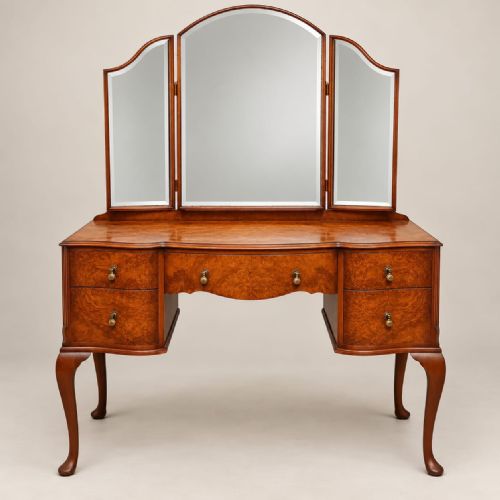
Dressing tables often incorporate fixed or swinging mirrors directly into their design, sometimes featuring complex kidney-shaped configurations or multiple smaller drawers.
Are brass mounts usually original?
Original brass mounts show consistent wear patterns and match the ghost marks left on the timber from decades of contact. Replacement hardware often leaves extra screw holes or clean wood beneath the backplate.
Inspectors look for period-appropriate casting techniques that align with the estimated age of the wood.
How should I care for antique brass hardware?
Gentle dusting with a dry microfibre cloth prevents the accumulation of grime without disturbing the natural patination. Avoid harsh chemical polishes that strip away the aged surface character of the brass.
Waxing the surrounding timber requires care to avoid getting residue onto the adjacent metal mounts.