





Antique Brass Candlesticks Set
These antique brass candlesticks set pieces bring warmth and steady light to a room, offering the heavy substance and rich patination of past centuries.

Antique Brass Candlesticks Set
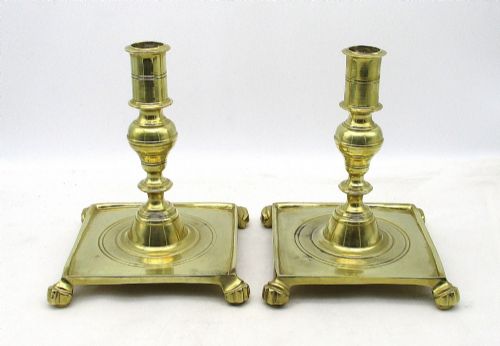
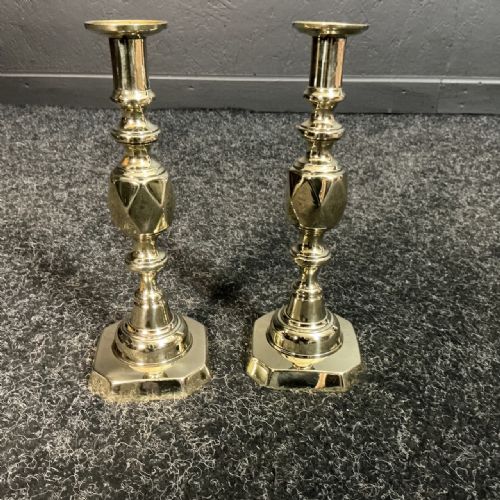
When you search for an antique brass candlesticks set, you encounter matching pairs, quartets, and graduated groupings designed to illuminate tables and mantelpieces. The selections span the nineteenth century, including Victorian, Regency, and Edwardian periods, alongside ecclesiastical and French revival designs.
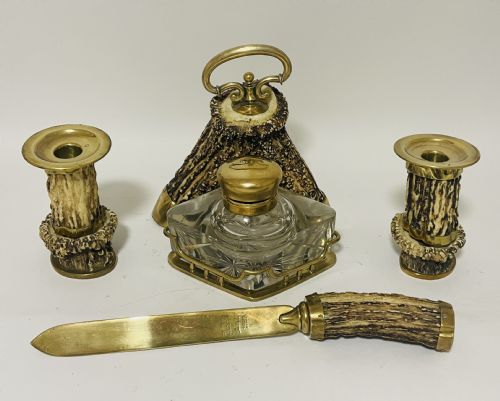
You will find matched sets of four alongside taller column forms and decorated pairs. Some examples incorporate contrasting materials like bronze, cut glass, and enamel, while others remain strictly in cast brass.
The origins stretch from British workshops to French foundries and Anglo-Indian makers, reflecting diverse domestic and ceremonial uses. Each set carries the marks of its period, whether through Gothic Revival motifs or classic Corinthian proportions.
Materials and construction
The pieces rely on cast brass and solid bronze, shaped through traditional founding techniques that produce substantial weight and distinct surface textures. Makers frequently utilised ormolu, painted metal, and cloisonne enamel for decorative enrichment.
Many examples combine cast components with turned shafts and threaded fixings, demonstrating the modular construction typical of nineteenth-century metalwork. Surviving surfaces display natural patination accrued from decades of polishing and handling.
Antique Brass Candlesticks Set Retail Price Guide 2026
Typical asking prices for brass candlesticks set among the pieces listed under this phrase on Sellingantiques today, from the lower quarter to the upper quarter. They describe what is for sale here now, not the wider market.
Assessing quality and finish
Quality rests upon the crispness of the casting and the thickness of the metal, distinguishing heavy, sharp mouldings from softer, later reproductions. Superior sets maintain strict symmetry across all pieces, particularly in graduated heights or matching quartets.
Finer examples retain original surface treatments such as gilding, polychrome paint, or enamel work without excessive wear. The integrity of construction, including tight joints and straight stems, marks the distinction between standard production and workshop excellence.
Finnigan Manchester
The Antique Brass Candlesticks Set Glossary
- Cast brass
- Molten alloy poured into moulds to create three-dimensional objects. This method allows for intricate relief work and heavy, durable construction.
- Corinthian column
- A classical architectural order featuring an ornate capital decorated with acanthus leaves. It appeared frequently on nineteenth-century candlesticks.
- Cloisonne enamel
- A technique where enamel paste is applied within compartments defined by soldered metal wires. It provides vibrant colour to decorative desk accessories and garnitures.
- Ormolu
- Finely ground high-carat gold applied to a bronze or brass base, creating a rich golden finish. It is characteristic of Regency and French revival metalwork.
- Garniture set
- A coordinated group of ornamental objects, such as a clock flanked by candlesticks, designed to sit together on a mantelpiece.
Antique Brass Candlesticks Set: Frequently Asked Questions
How do I clean antique brass candlesticks?
Dust gently with a soft cloth to preserve the accumulated patination and historic surface character.
Avoid harsh chemical polishes that strip away the aged tone and reduce the visual depth of the metal.
Were these sets used for dining tables?
Many examples served to light dining rooms, drawing rooms, and studies before the widespread adoption of electricity.
Taller sets often originated in churches or grand halls where greater illumination was required.
How can I date my candlesticks?
Examine the casting seams, base construction, and stylistic motifs to align the piece with documented periods like the Victorian or Regency eras.
Tool marks and assembly methods provide reliable clues regarding nineteenth-century manufacturing techniques.
Why are sets of four difficult to find?
Matching quartets often became separated over generations as pieces were divided among heirs or moved to different rooms.
Surviving sets of four represent more substantial original commissions for formal interiors.