

Antique Brass and Iron
These antique brass and iron pieces bring robust metalwork and polished warmth into a room, offering both daily utility and lasting character.
Antique Brass and Iron
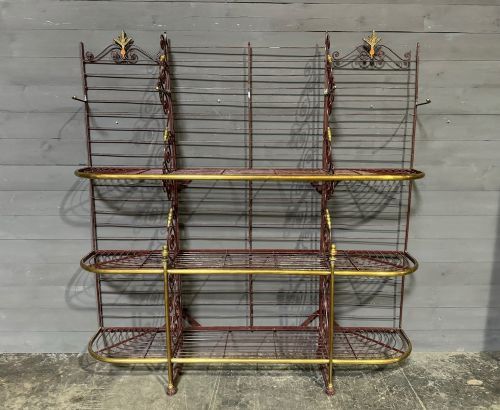
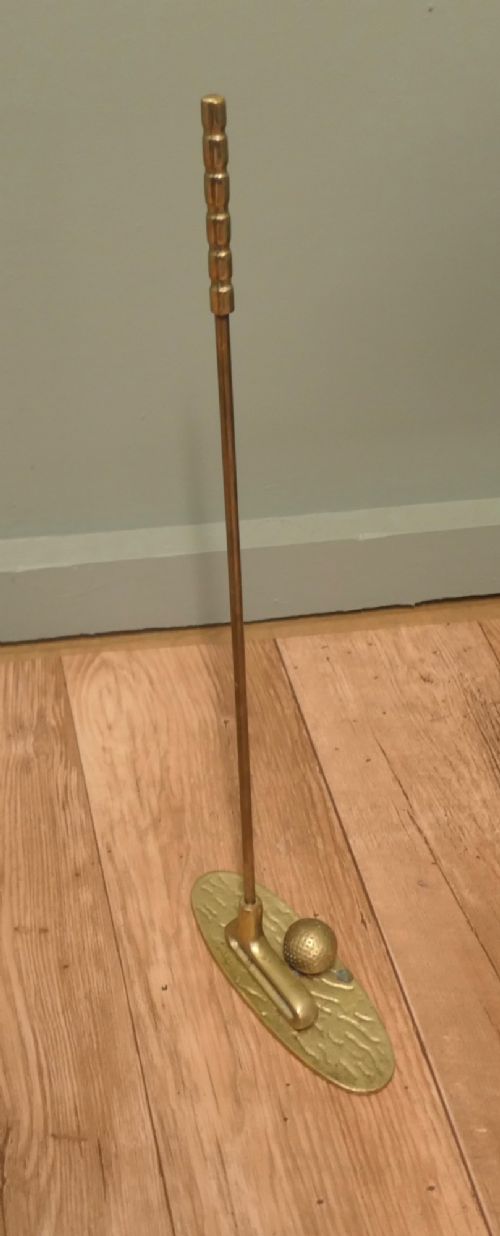
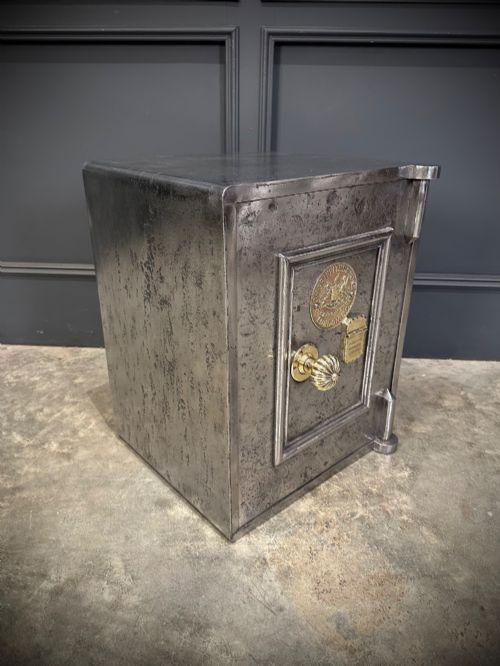
When you search for antique brass and iron, you encounter a robust mix of domestic metalwork spanning the nineteenth and early twentieth centuries. The selection on this page centres heavily on sleeping furniture, alongside hearth equipment and occasional tables.
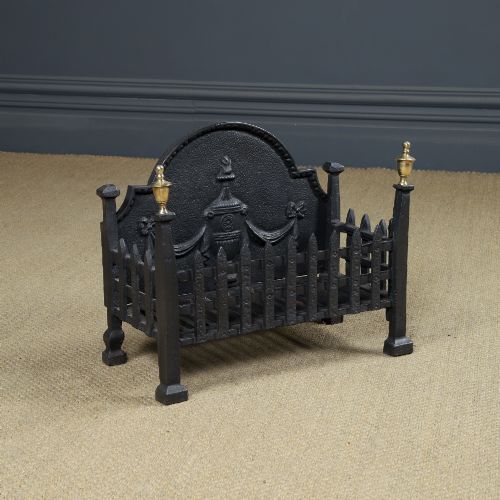
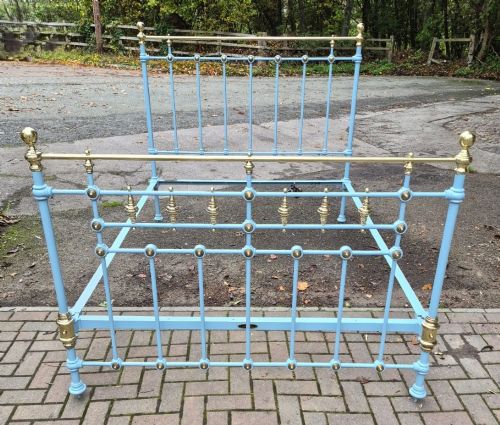
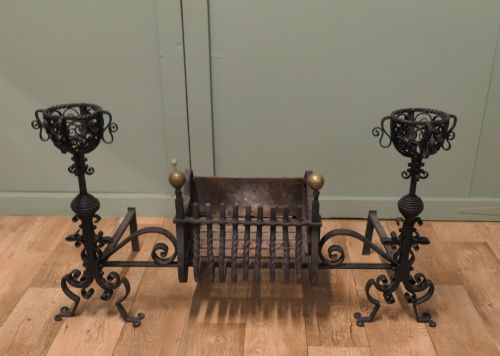
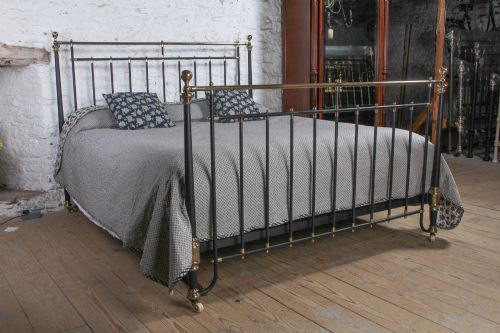
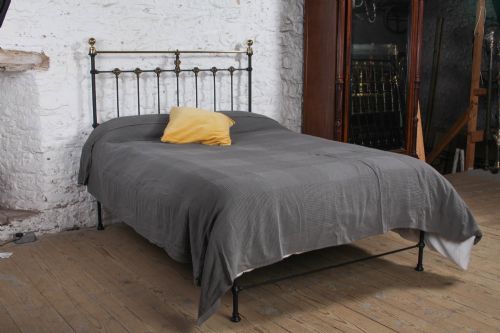
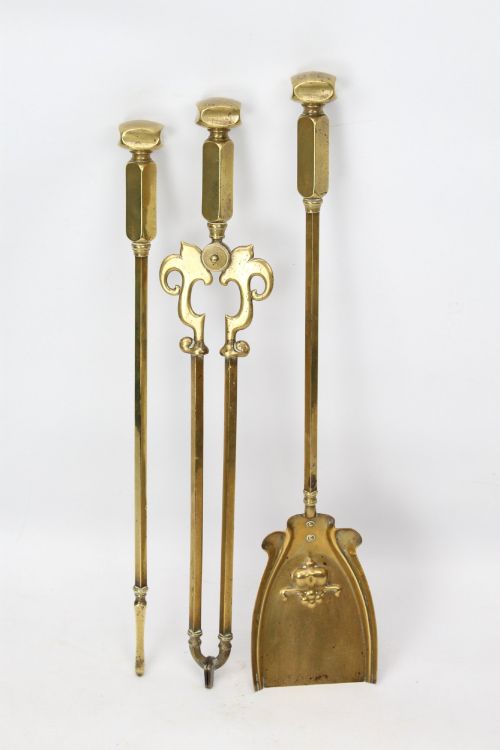
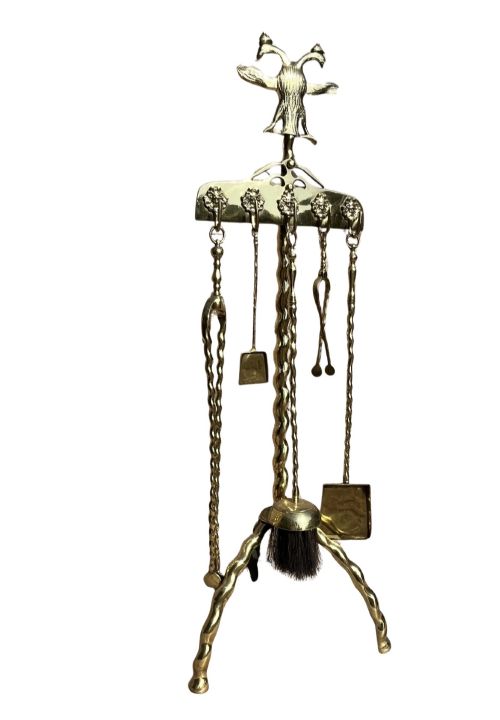
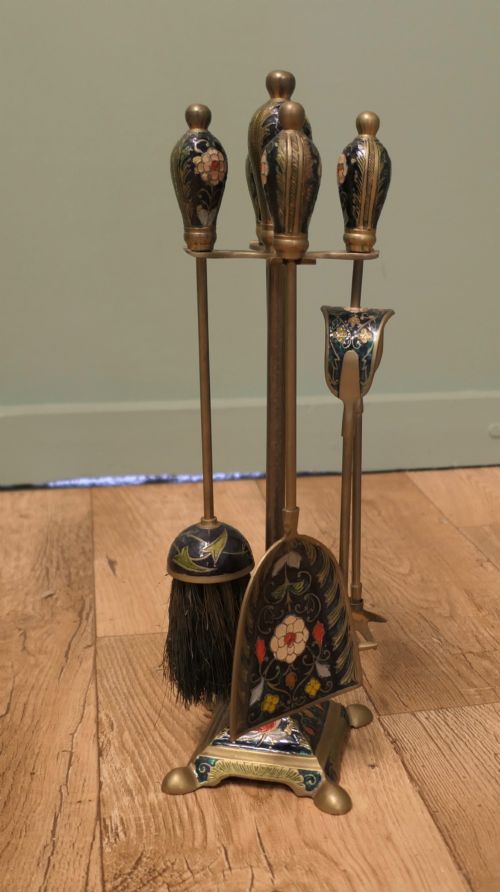
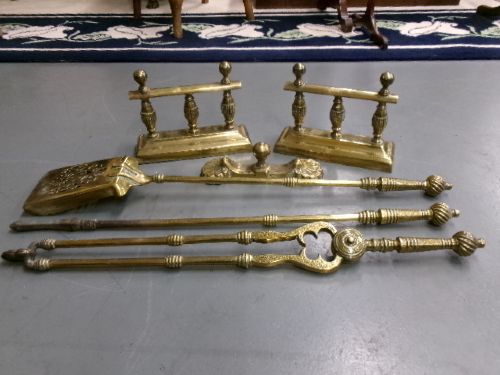
Bedsteads dominate the offerings, ranging from single frames to king sizes, often combining dark iron structures with bright brass rails and knobs. Fireplace accessories such as grates, fire dogs, and fenders appear frequently, pairing heavy iron bodies with polished brass finials.
Stylistic influences stretch from Georgian and Regency forms through Victorian ornamentation to Edwardian simplicity and Art Deco lines. These objects served utilitarian household roles, yet manufacturers applied considerable decorative care to their metal components.
How they were made
Maker workshops utilised cast iron and wrought iron for structural strength, forming rigid frames and load-bearing components that could support heavy use. Brass was applied as sheet, tubing, or cast elements to provide decorative contrast against the dark, painted or finished iron surfaces.
Foundries employed casting techniques to shape intricate ornamentation on fire grates, bedstead corners, and stick stands, while turning and polishing brass components to a bright finish. Secondary materials like ceramic, marble, steel, and oak occasionally supplemented the metal framework in tables, scales, and beds.
Antique Brass and Iron Retail Price Guide 2026
Typical asking prices for brass and iron among the pieces listed under this phrase on Sellingantiques today, from the lower quarter to the upper quarter. They describe what is for sale here now, not the wider market.
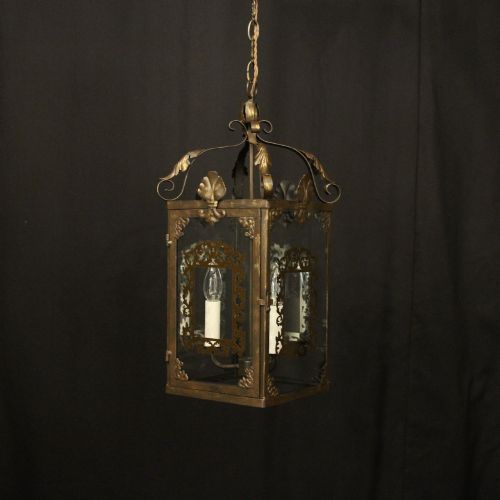
Object forms span beds, fire grates, coffee tables, umbrella stands, scales, and chandeliers across multiple centuries.
What varies in quality
Quality in these metal furnishings rests upon the crispness of the casting detail and the proportion of brass elements relative to iron. Pieces produced by established makers exhibit cleaner joints, more substantial brass tubing, and heavier gauge iron that resists flexing.
The degree of original finish preservation and the integrity of structural connections dictate the standing of an individual piece. Finer examples retain their original castors, decorative finials, and surface patination without heavy pitting or structural replacement.
Herbert & Sons London·Hoskins & Sewell·Winfield·Coalbrookdale
The Antique Brass and Iron Glossary
- Bedstead
- The structural framework of a bed, supporting the mattress and head and footboards. In this inventory, these items frequently combine iron tubing with brass rails.
- Fire Dog
- A metal support used to hold logs in an open fireplace, often sold in pairs with matching brass or iron ornamentation.
- Fender
- A low metal guard placed in front of a fireplace to contain rolling embers and sparks. Regency examples in the evidence display decorative brass work.
- Stick Stand
- A vertical household accessory designed for holding umbrellas and walking sticks. Cast iron versions from periods like the Edwardian era often incorporate drip trays.
- Grate
- An iron basket or frame that holds fuel within a fireplace. These range from simple basket designs to ornate Adam style variations.
Antique Brass and Iron: Frequently Asked Questions
How do I clean antique brass and iron?
Dust iron surfaces regularly with a soft cloth and apply a light coat of paste wax to protect the metal from moisture. Polish brass components sparingly using a traditional metal cleaner, taking care not to let residue stain the adjacent iron.
Avoid harsh chemical solvents or abrasive pads that can strip historic patination and scratch the metal surfaces. Gentle maintenance preserves the contrast between the dark iron and bright brass elements.
What is an iron fire basket?
An iron fire basket is a self-contained metal grate designed to hold coal or wood inside an open hearth. They allow air to circulate around the fuel for efficient burning while containing the fire safely.
Victorian and Georgian examples often feature decorative brass mounts or matching fire dogs. They serve as both functional heating units and decorative focal points in period rooms.
How do I date a brass and iron bed?
Dating relies on construction methods, tube thickness, joint fixings, and stylistic cues from periods like the Victorian or Edwardian eras. Early pieces often feature hand-finished joints and heavier cast iron components, whereas later items show more standardised industrial manufacturing.
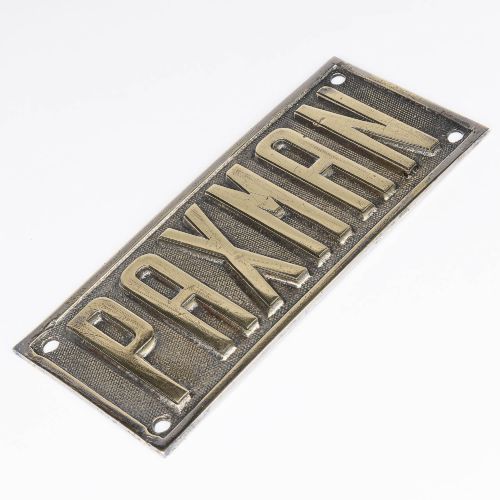
Maker stamps on the iron frame or brass plaques can also narrow down the production decade. Comparing the decorative motifs, such as Aesthetic Movement designs, helps place the object in its historical context.