


Antique Boy Portrait Artwork
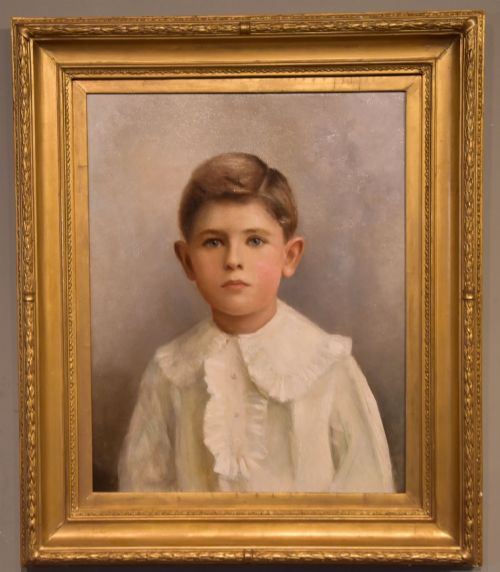
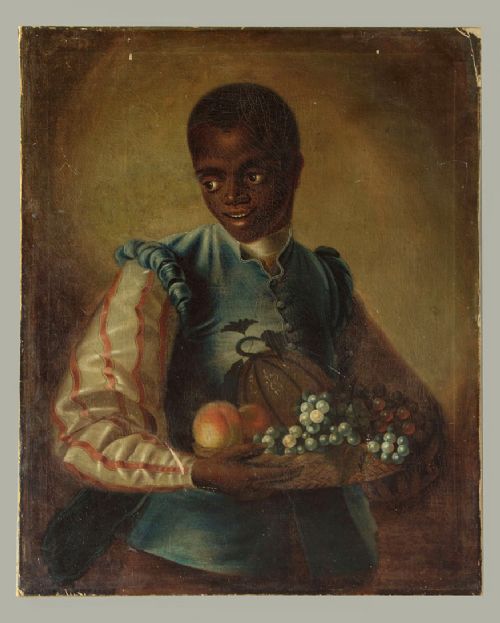
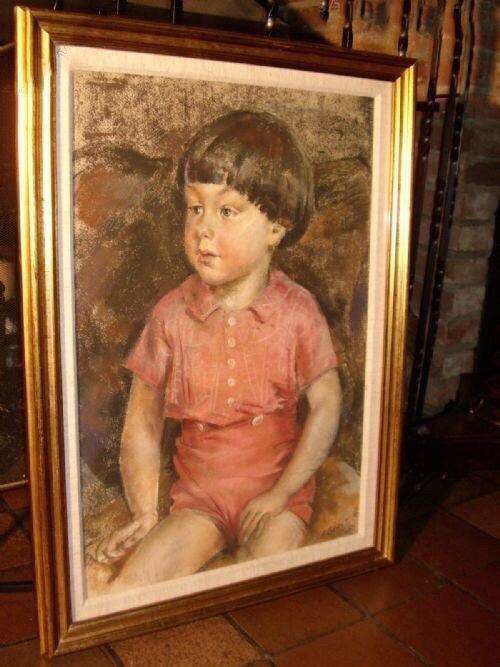
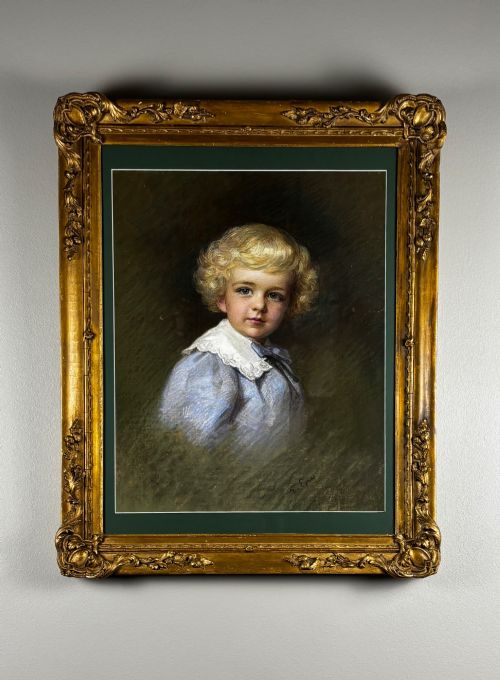
These antique boy portrait artwork pieces capture centuries of youth on canvas and paper, offering buyers a direct window into historical childhood.
Antique Boy Portrait Artwork
When searching for antique boy portrait artwork, buyers encounter painted and drawn likenesses spanning from the seventeenth century through the mid-twentieth century. The selection leans heavily toward oil paintings on canvas, alongside watercolours, pastels, and pencil works representing diverse social ranks and settings.
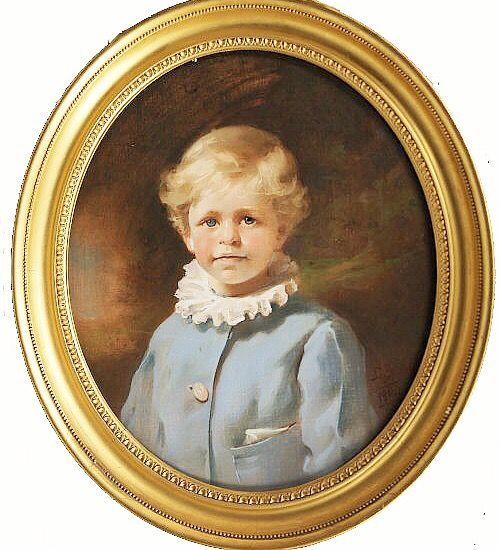
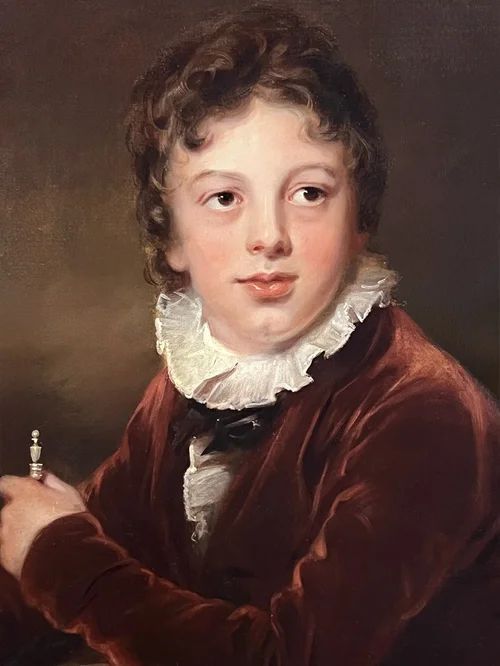
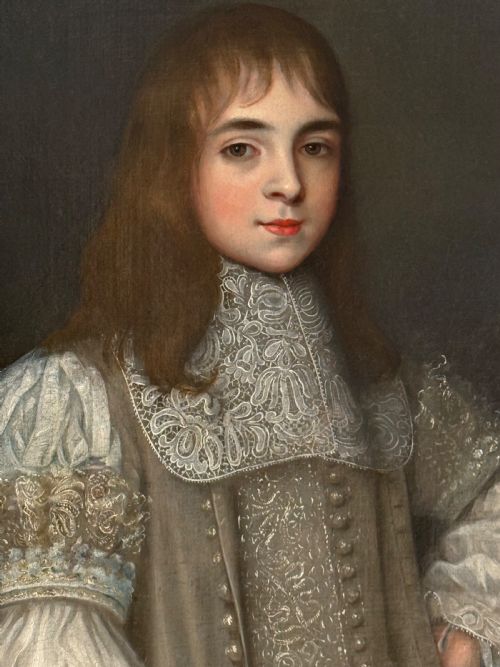
Pieces range from formal oil commissions by named artists to provincial watercolours and naive studies. Portrait styles shift across eras from British Baroque and Georgian formality to Victorian realism, Edwardian impressionism, and mid-century modern interpretations.
Materials and Techniques
Artists relied primarily on oil paint applied to stretched canvas or panel, utilising rich pigments to build depth in clothing and background shadows. Watercolour, gouache, and pastel on paper or card appear frequently for lighter, more intimate depictions.
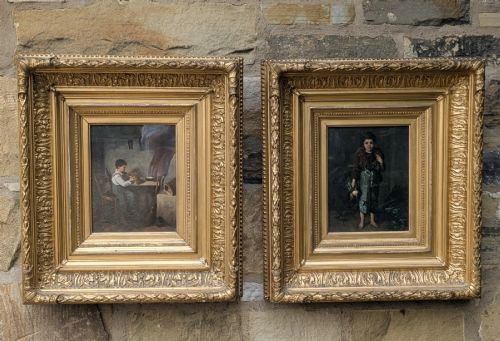
Frames typically consist of carved and gilded wood, or simple wooden mouldings that protect the fragile paper or canvas surfaces beneath glass or open air.
Listings feature works spanning from the seventeenth century through the mid-twentieth century, executed in oil, watercolour, pastel, and pencil.
Assessing Artistic Merit
Quality rests in the precision of facial rendering, the handling of light across skin and fabric, and the psychological presence of the sitter. Superior examples demonstrate a confident command of anatomy and texture.
Lesser works often stem from provincial or untrained hands, displaying stiffness in posture and proportion, though these naive pieces carry their own distinct charm.
Leon Sprinck·Margaret Sarah Carpenter·John Michael Wright·Henry Windsor Fry·William Jones of Bath·J.A. Grant·Emily Eyres·Septimus Scott·Evaristo Cappelli·Luca Postiglione·William Tate·Joseph Wright of Derby·Louis Leopold Boilly·Bartolome Murillo·Herbert Butler·William Henry Hunt·Enoch Seeman·Philip Mercier·Arthur Pond·Frank Owen Salisbury·Robert Byng·Largilliere·John Russell
The Antique Boy Portrait Artwork Glossary
- Pastel
- A dry medium composed of powdered pigment and a binder, pressed into stick form for drawing on paper. Pastel works require protection behind glass to prevent smudging.
- Gouache
- An opaque water-based paint that dries to a matte finish, often combined with pastel in historical portraiture. It allows artists to add solid highlights.
- Naive
- A style characterised by a rejection of formal academic perspective and proportion, typically produced by self-taught artists. These works emphasise directness over technical accuracy.
- Giltwood
- Wood that has been carved and coated with a thin layer of gold leaf or metallic powder. It forms the decorative surface of many antique frames.
Antique Boy Portrait Artwork: Frequently Asked Questions
How do I date an antique portrait?
Dating relies on stylistic clues such as the sitter's clothing, hairstyle, and framing techniques. Costume historians use specific collar shapes, jacket cuts, and textiles to narrow down the decade.
Signatures, stretcher construction, and canvas stamps also provide reliable chronological markers for works lacking documentation.
What is the difference between oil and pastel?
Oil paintings utilise slow-drying pigmented linseed oil on canvas or wood panels, creating durable surfaces that accept deep layering and restoration. Pastels use dry pigment sticks on paper, yielding a velvety texture requiring glass protection.
Oils generally tolerate environmental shifts better than delicate pastel or watercolour works on paper.
How should I display portraits at home?
Hang paintings away from direct sunlight and steady heat sources to protect organic pigments and canvas integrity. Adequate wall spacing allows historical frames to project properly without crowding.
Pairing period works with neutral backgrounds helps integrate centuries of artistic style into modern interiors.
Why do some portraits show children with pets or toys?
Animals and toys in historical portraits often symbolised status, affection, or allegorical themes of innocence and gentle temperament. Dogs represented loyalty and companionship, while spinning tops or maps hinted at education and future responsibilities.
These personal objects help reveal how families wished to preserve the memory of their children.