


Late Victorian Portrait Artwork
Late victorian portrait artwork captures individual likenesses and character through the skilled hands of nineteenth-century painters and draughtsmen.
Late Victorian Portrait Artwork
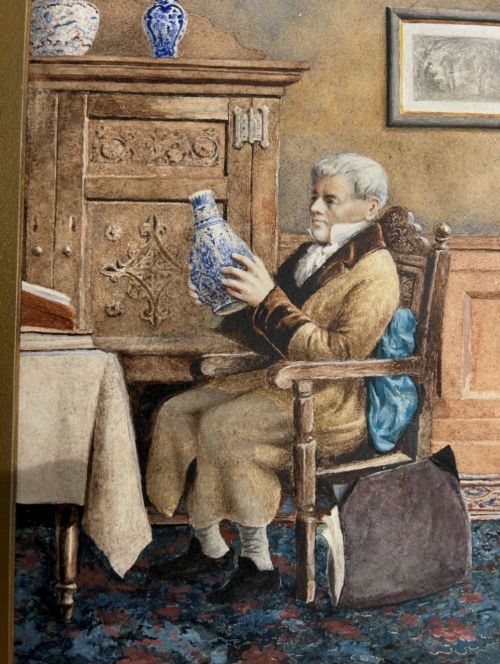
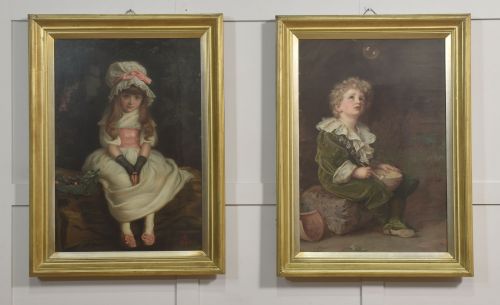
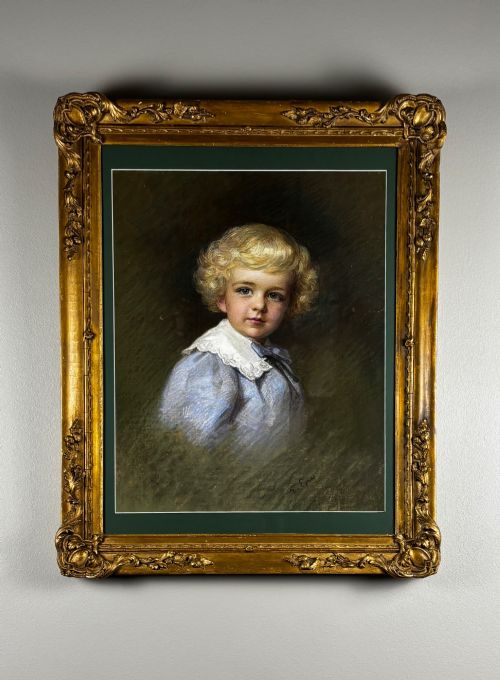
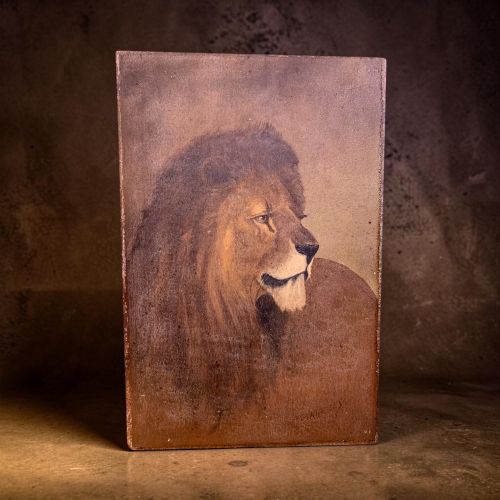
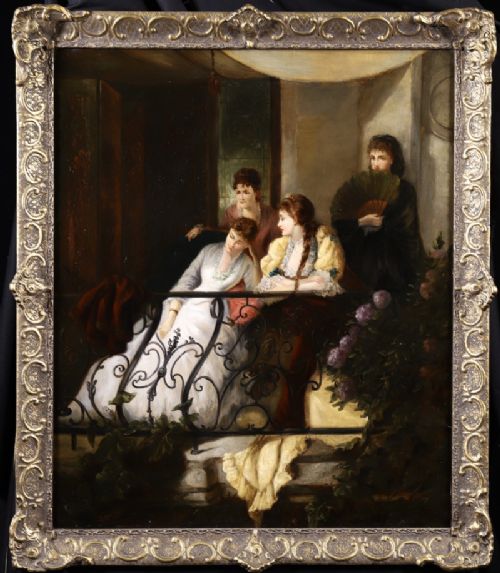
The version you are most likely to meet on this page is a framed painting on canvas, wood, or paper, dating from the late nineteenth century. These pieces range from naive folk art studies to accomplished academic oils and delicate watercolours.
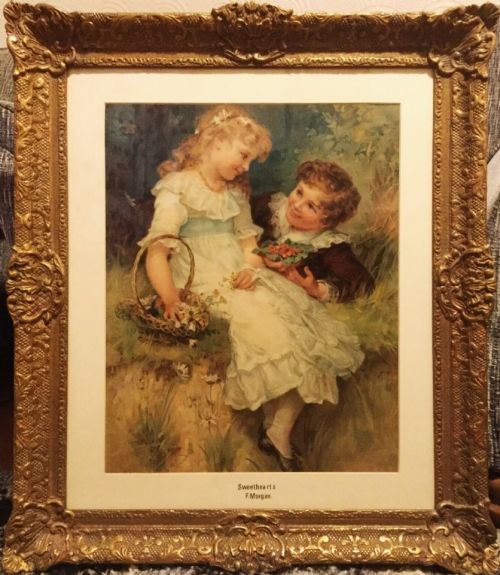
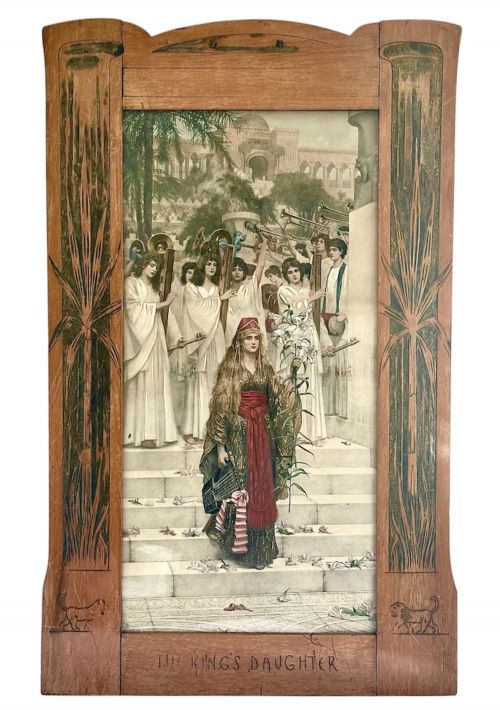
Subjects vary from children and society ladies to shepherds, fishermen, and exotic figures reflecting the reach of the period. Artists recorded their sitters in domestic interiors, garden settings, and minimal backgrounds that focus attention entirely on the face.
How They Were Made
Artists painted these portraits using oil on canvas, wood panels, or paper supports, building up skin tones and fabrics through layered brushwork. Watercolour and gouache were applied to paper with fine brushes to achieve translucent washes and crisp details.
Framing played an integral role in presentation, utilising giltwood and carved wood frames that protected the surface and completed the visual weight of the artwork. Mixed media works and photogravures also employed specialised printing and mounting techniques common to the era.
The selection includes portraits from British, Scottish, and continental European schools, alongside Indian gouache miniatures from the same era.
What Varies in Quality
The distinction between ordinary and superior works rests on the artist's command of anatomy, light, and psychological depth. A master hand captures the texture of a fabric and the distinct personality of the sitter with economy and precision.
Condition and originality dictate the standing of a piece within its class. Surviving works with undisturbed surfaces, original pigments, and period frames hold greater integrity than those altered by heavy restoration or housed in replacement mounts.
Henry Stacy Marks·Frederick Morgans·Herbert Gustave Schmaltz·Emily Eyres·John A Monteith·Philip Richard Morris·Sir Thomas Brock·K and K Hof Atelier Pietzner·CE Howson·William Joseph Carroll·Kathleen Winifred Molesworth·Robert Kemp·Mary Eley·Eva Hollyer·Montagu Barstow·Harold Arthur Burke·Ralph Hedley·Theobald Chartran·Robert Gemmell Hutchison·John Singer Sargent
The Late Victorian Portrait Artwork Glossary
- Watercolour
- A painting method where fine pigment is suspended in water-soluble binders and applied to paper. This technique yields transparent washes that rely on the reflective quality of the paper beneath.
- Gouache
- An opaque water-based paint containing pigment mixed with a binding agent and white filler. It produces a dense, flat colour field often combined with watercolour for highlights.
- Chrystoleum
- A Victorian technique where a hand-coloured photograph or print was made translucent with oil and mounted beneath curved glass. Artisans then applied additional paint to the reverse side to create depth.
- Photogravure
- A photographic printing process that uses an intaglio copper plate to reproduce fine tonal gradations. It translates photographic portraits into rich, ink-based images on paper.
- Giltwood
- Wood carved and coated with a thin layer of gold leaf or metallic powder. It was extensively utilised for framing Victorian artwork to add brilliance and formal presence.
Late Victorian Portrait Artwork: Frequently Asked Questions
What subjects appear in these portraits?
The works depict a broad cross-section of society, including children, family groups, literary figures, and working people. Artists also recorded sitters from distant regions, reflecting contemporary interests in travel and diverse cultures.
Many pieces focus on named individuals with specific social roles, while others capture anonymous subjects engaged in domestic or pastoral daily routines.
How do I care for antique works on paper?
Works executed on paper require protection from direct sunlight to prevent the fading of watercolours, pastels, and printed inks. Stable indoor humidity levels protect the paper support from warping and foxing over time.
Displaying these pieces away from heat sources and utilising acid-free mounting materials ensures the longevity of the artwork for future generations.
Are these paintings usually signed by the artist?
Many pieces carry visible signatures, monograms, or studio stamps, while others remain anonymous works produced by competent practitioners or regional schools. Signatures often appear in the lower corners of the canvas or paper support.
Unsigned works are attributed through stylistic comparison, period framing, exhibition labels, and written inscriptions recorded on the reverse of the stretcher or frame.
What is the difference between an oil and a watercolour?
Oils use pigment suspended in drying oils applied to canvas or wood, allowing for rich textures, thick impasto, and deep colour saturation. Watercolours use water-soluble binders on paper to create light, luminous effects.
Oils were traditionally chosen for formal, durable portraits intended to hang in reception rooms, whereas watercolours offered an intimate medium suited to domestic interiors.