

Antique Box Stool
An antique box stool combines practical hidden storage with a traditional seat, making it a clever addition to any room.
Antique Box Stool
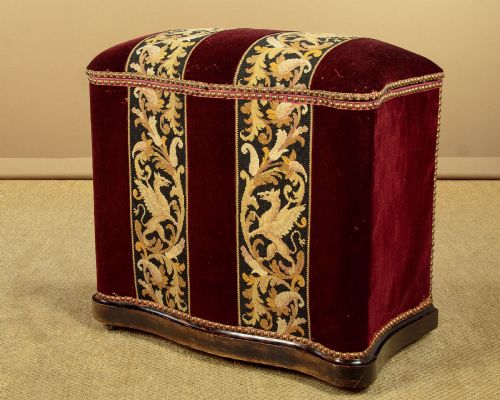
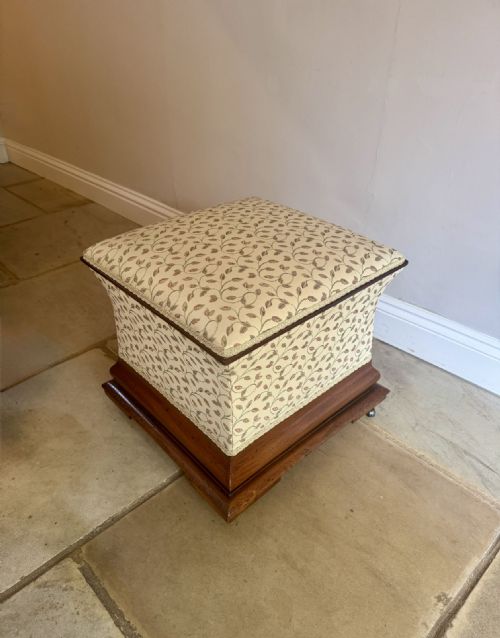
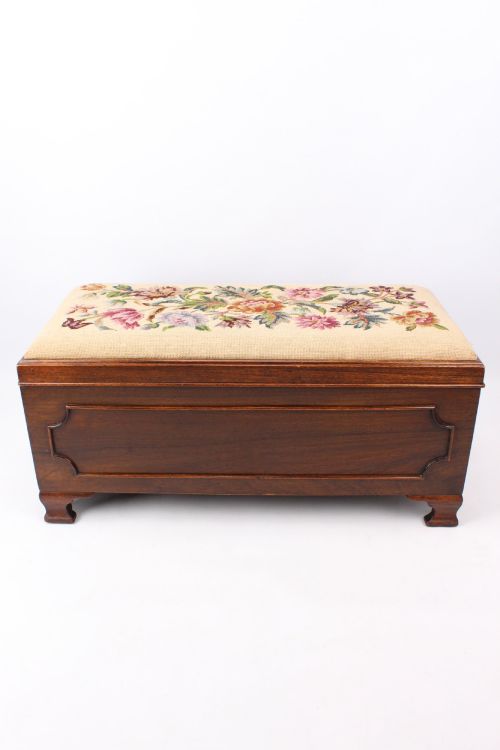
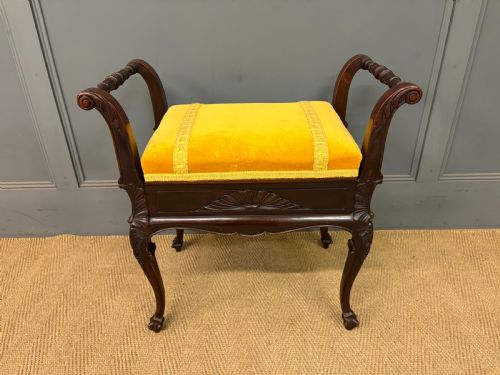
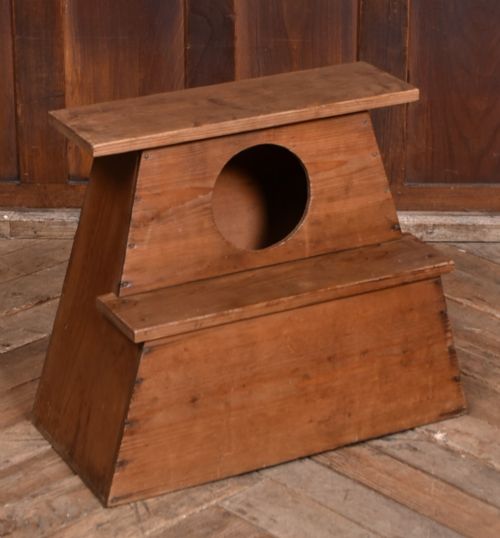
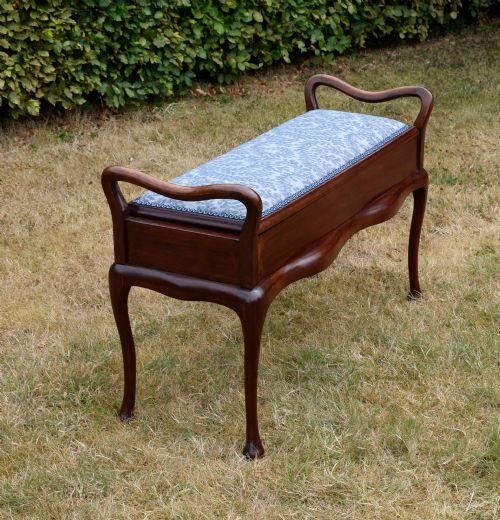
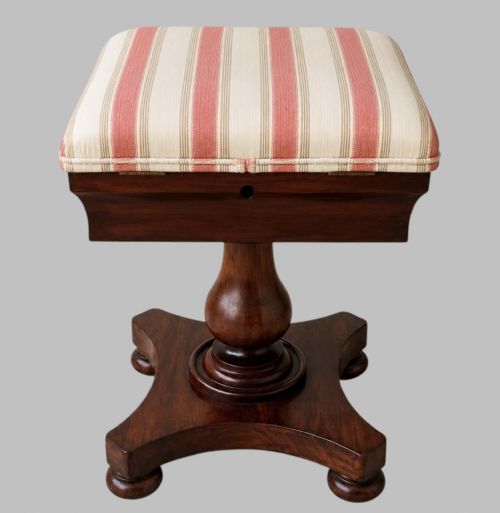
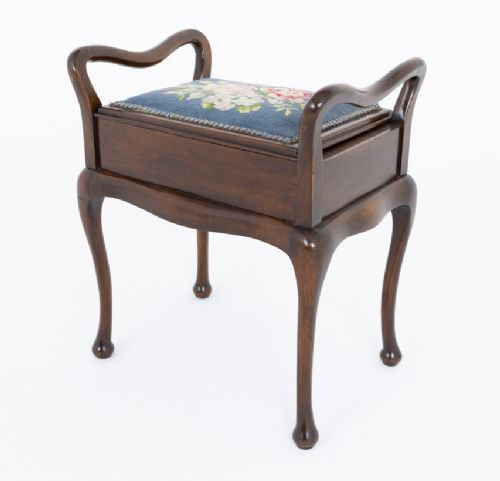
An antique box stool serves dual purposes by combining a seated platform with an interior compartment for storage. Buyers searching for an antique box stool will find pieces designed for various domestic uses, including sewing, piano playing, and blanket storage.
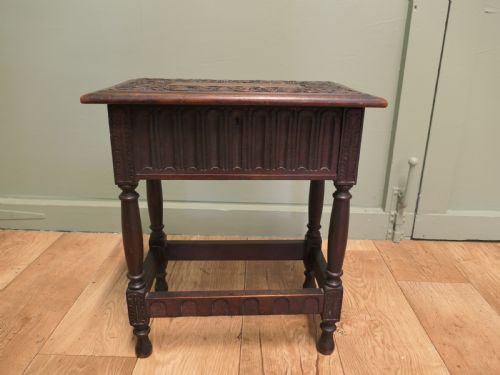
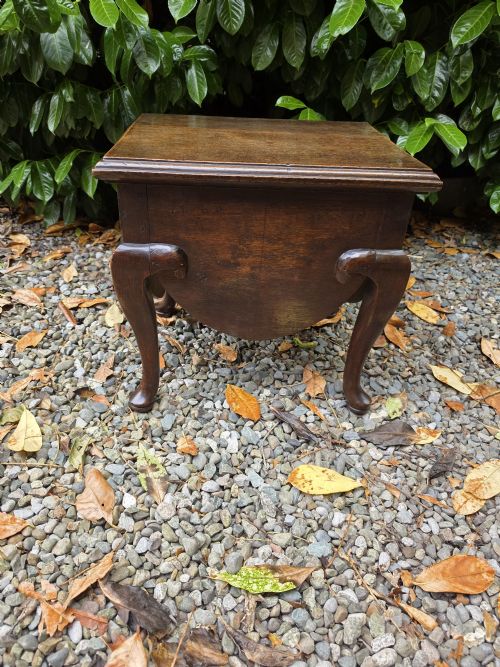
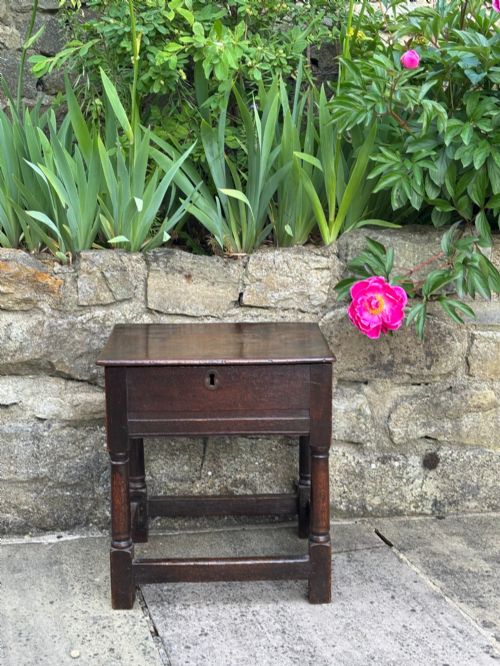
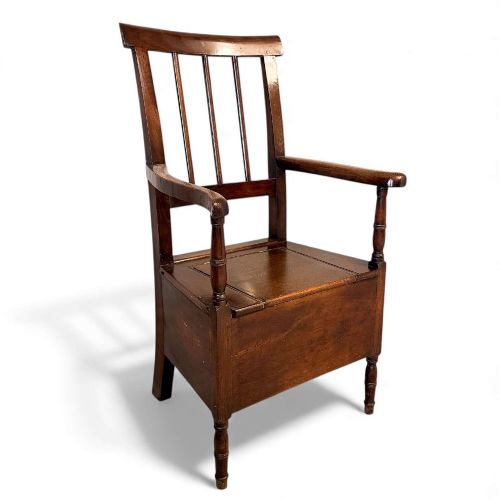
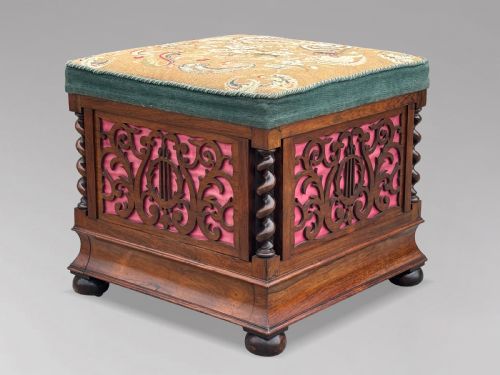
The selections span multiple eras, with Victorian and 19th-century mahogany and rosewood examples appearing frequently alongside earlier 17th and 18th-century oak variants. Formats range from upholstered ottomans and duet piano stools to commode chairs and joint coffin stools adapted for storage.
Origins vary from country house workshops to urban cabinet makers, yielding items that function equally well as footstools, occasional tables, and discreet receptacles for household items.
Materials and construction methods
Cabinet makers utilised dense hardwoods such as mahogany, oak, walnut, and rosewood to build the structural frames and concealed boxes of these seats. Joinery techniques varied from sturdy mortise and tenon joints in earlier oak pieces to fine veneering and turning on later Victorian and Regency examples.
Upholstery completed the design, employing materials like velvet, leather, tapestry, needlework, and modern designer fabrics such as Liberty prints over padding and webbing. Brass hardware often provided hinges for lids, handles for lifting, and decorative lion paw feet on grander Regency models.
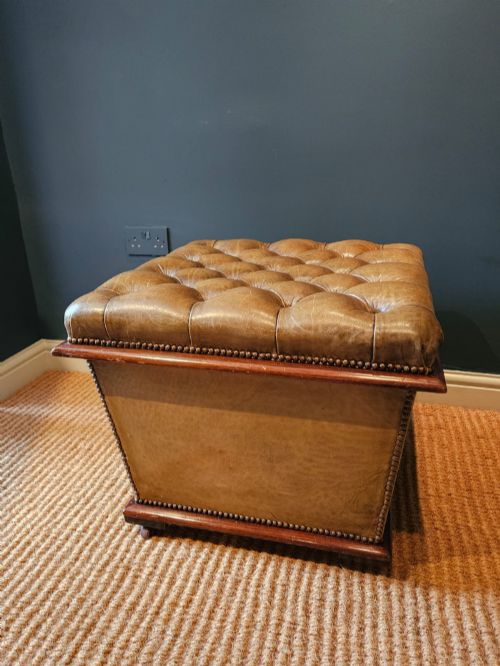
One late-Victorian storage ottoman comes with its original maker stamp from Hallett and Sons, ready for your blankets.
Factors that define quality
The selection of timber grain and the precision of the joinery set finer pieces apart from utilitarian workshop items. Superior examples display carefully matched veneers, hand-carved details, and robust internal box construction that withstands decades of opening and closing.
Originality of the upholstery materials, needlework seats, and brass hardware significantly influences the integrity of a piece. Finer specimens retain their period hinges, castors, and internal linings without modern structural alterations.
The Antique Box Stool Glossary
- Ottoman
- A low, upholstered seat or footstool with a hinged lid that opens to reveal a storage compartment inside. They became particularly popular during the Victorian and Regency periods for blankets and needlework.
- Commode chair
- A piece of seating furniture enclosing a concealed chamber pot or storage space beneath a removable seat. Early examples from the 17th and 18th centuries often disguised these functions within architectural oak or walnut cabinetry.
- Joint stool
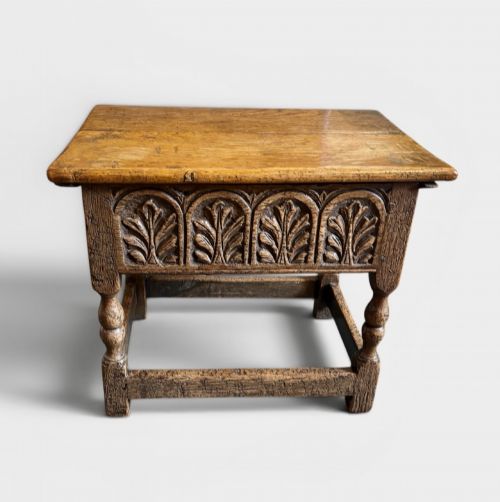
- A sturdy wooden stool constructed with pegged mortise and tenon joints rather than turned legs. These 17th and 18th-century oak items frequently served multiple domestic duties as seating, small tables, or linen boxes.
- Duet piano stool
- An extended bench designed for two people to sit side by side while playing the piano. Many feature a lift-up seat lid for organising sheet music.
- Work box stool
- A multi-functional small piece of furniture combining a sewing box or storage well with an upholstered seat. Examples from the William IV and Victorian eras often include internal compartments for threads and tools.
Antique Box Stool: Frequently Asked Questions
What is an antique box stool used for?
These pieces provide a seat while concealing an internal compartment for storing blankets, sheet music, or sewing supplies.
Historically, variations like close stools and commodes fulfilled specific domestic sanitation or dressing needs before indoor plumbing became standard.
How do I date an oak box stool?
Examine the construction joints, timber grain, and tool marks visible on the underside and inside the storage compartment. Seventeenth-century versions typically feature pegged mortise and tenon joinery in solid oak.
Later Victorian interpretations often utilise machine-sawn boards, veneered surfaces, and modern brass hinges.
Can I use an antique ottoman daily?
Most sturdy mahogany and oak examples handle regular sitting and footrest duties quite comfortably. Check the internal hinges and frame stability before putting heavy daily use on older upholstery.
Delicate rosewood or antique needlework seats benefit from more careful placement in low-traffic rooms.
What is the difference between a piano stool and a standard stool?
Piano stools are specifically proportioned for keyboard practice and frequently include hinged lids that open to reveal storage for sheet music. Many Victorian and Edwardian examples feature upholstered tops designed for extended sitting periods.
Standard footstools or ottomans prioritise general room seating and blanket storage.