
Antique Box Seat
An antique box seat combines practical storage with domestic seating, drawing on centuries of vernacular woodworking traditions across Europe.
Antique Box Seat
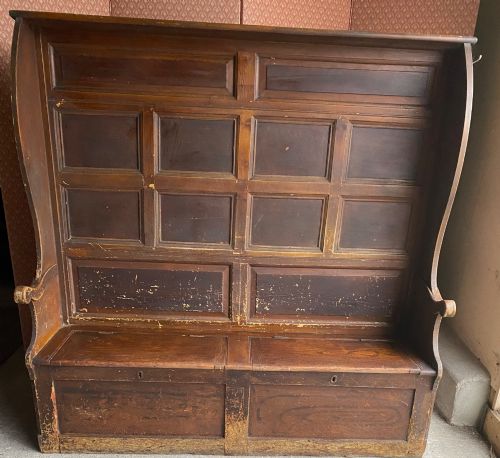
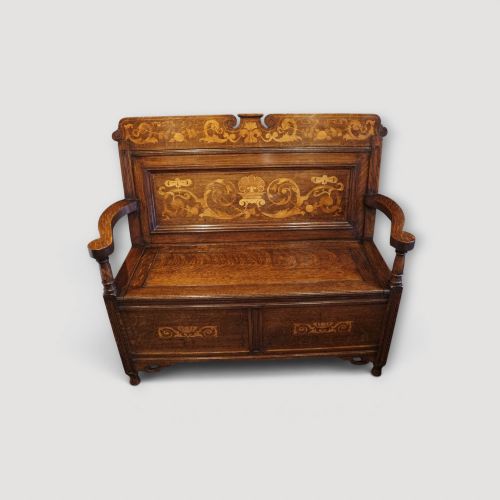
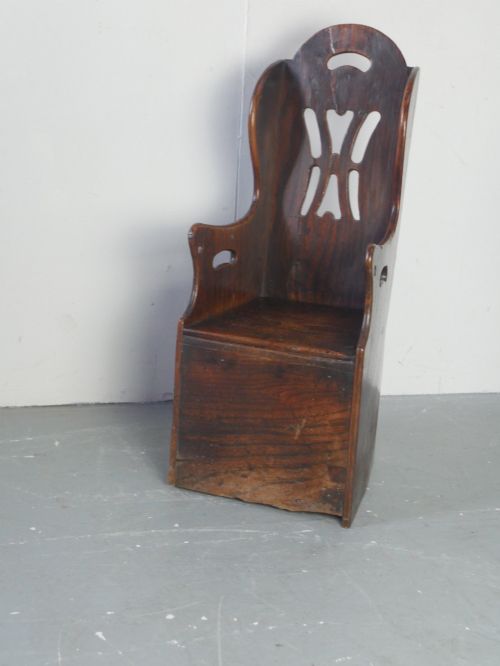
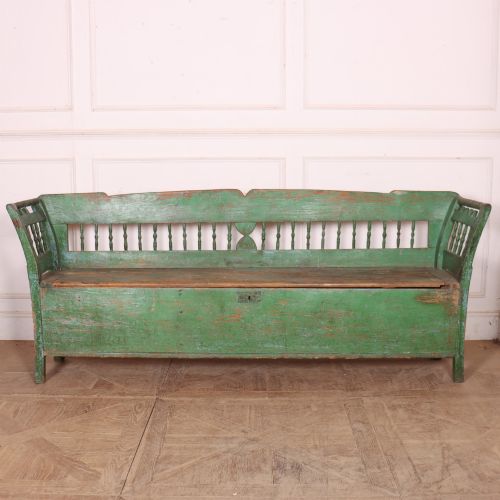
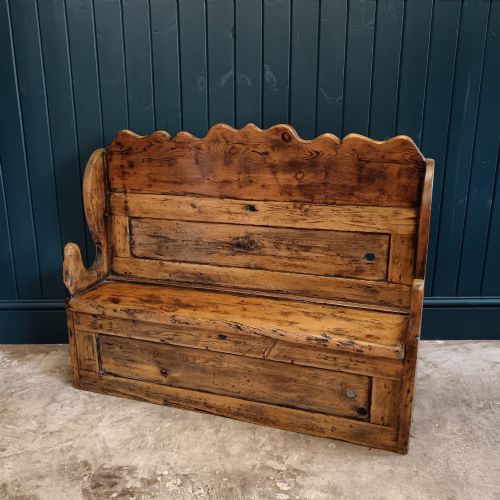
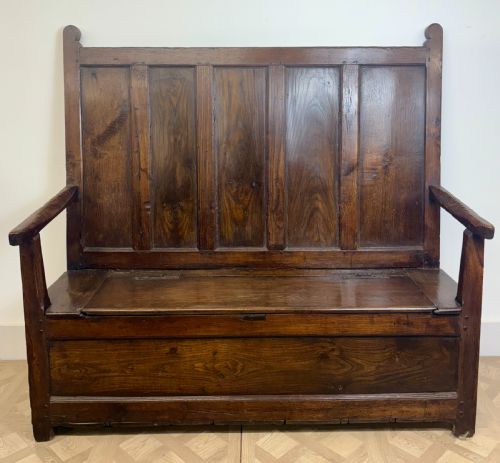
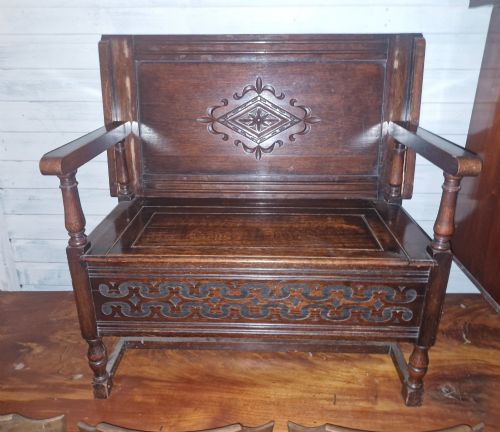
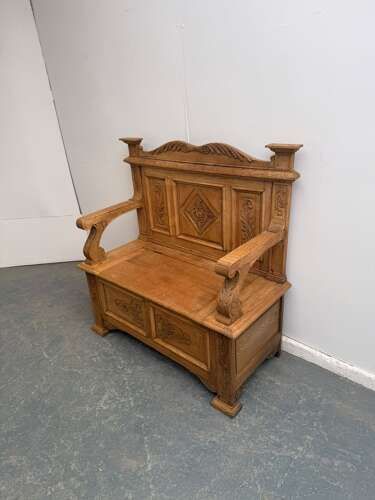
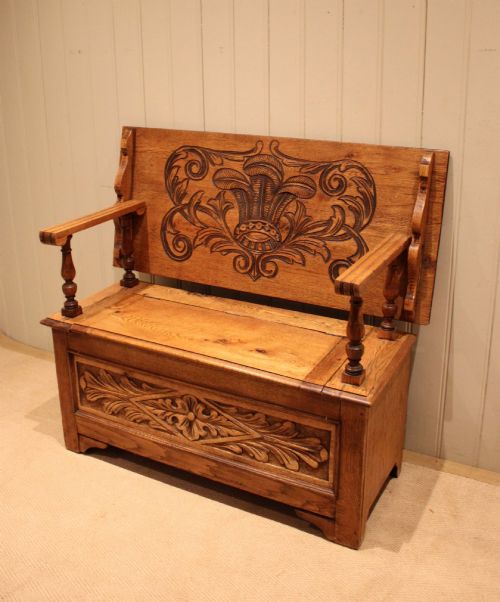
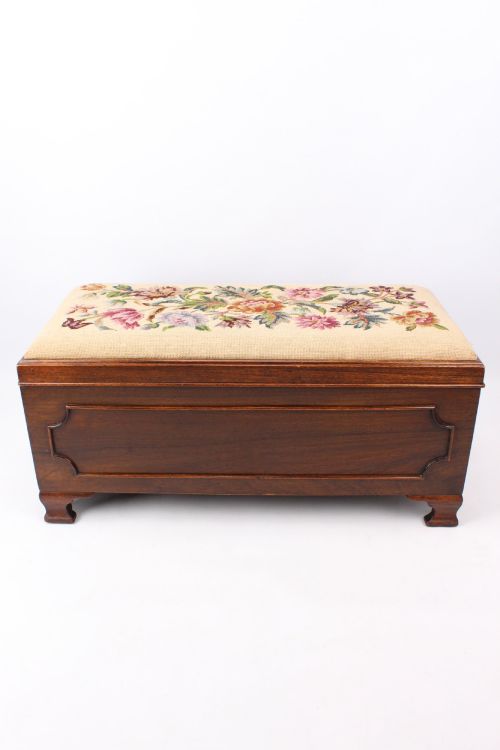
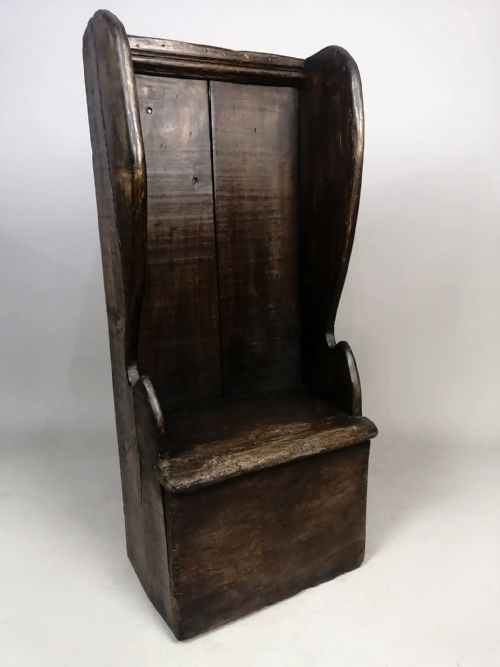
An antique box seat provides a functional lift-up lid or compartment beneath the sitting surface, combining storage with seating. These pieces range from substantial 17th and 18th century oak settles to smaller Victorian piano stools, hall benches, and child's lambing chairs.
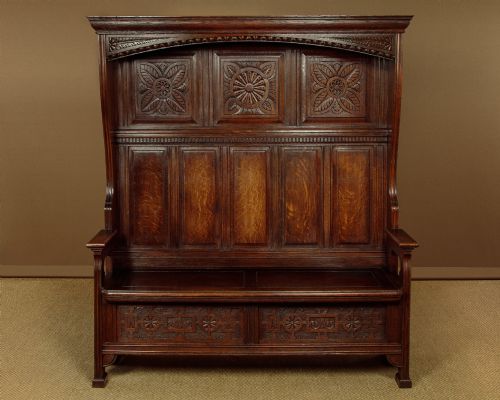
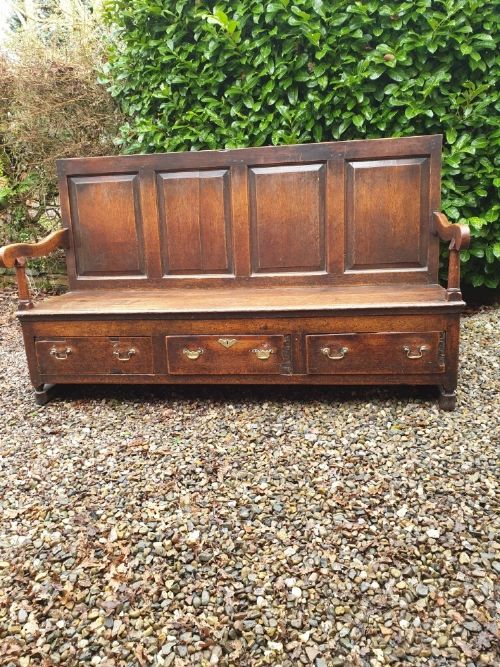
The selection on this page leans heavily towards oak settles, country benches, and mahogany or walnut piano stools spanning the 17th to the early 20th centuries. Buyers frequently encounter regional variations, including English country vernacular pieces and continental farmhouse benches.
Forms vary from high-back panel settles designed to block cold drafts in older homes to compact hallway boxes and ottomans with needlework or upholstered pads. Each variant serves the fundamental domestic purpose of concealing household items while offering a place to sit.
How they were made
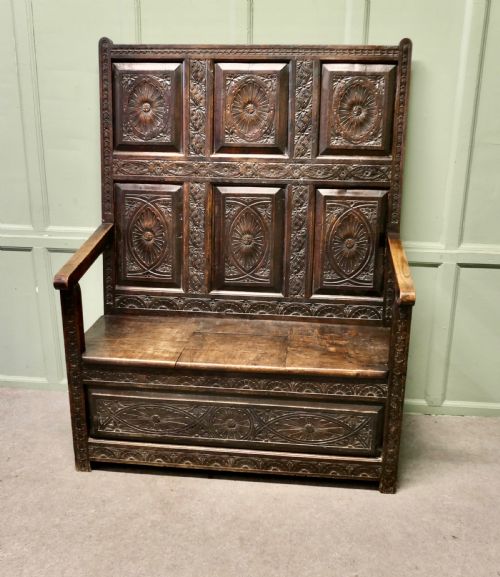
Carpenters and joiners relied primarily on solid timbers such as oak, pine, mahogany, and elm, utilising pegged mortise and tenon joints for structural rigidity. Early pieces display hand-carved panels, while later 19th and 20th century examples incorporate turned supports and applied mouldings.
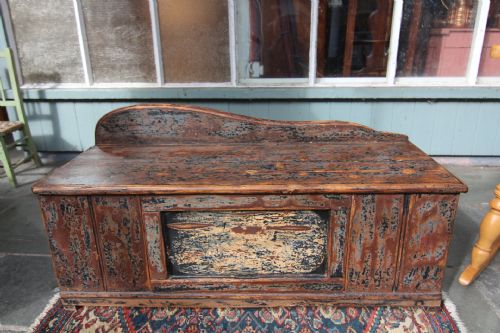
Surface treatments range from traditional wax finishes on waxed oak and mahogany to polychrome paint, polychrome barge work, and fabric or velvet upholstery on piano stools and ottomans. Iron and brass hardware, including hinges and handles, secure the lifting seats and storage compartments.
Listings feature items spanning the 17th, 18th, 19th, and early 20th centuries, constructed from oak, pine, mahogany, walnut, and fruitwood.
What varies in quality
The integrity of the timber and the depth of hand-carving distinguish standard utilitarian items from finer country house or guild-produced examples. Superior pieces retain their original patination, structural joints, and hardware without excessive modern interventions.
The refinement of the joinery and the balance of proportions dictate the overall character of a box seat, from robust 17th century north country settles to delicate Edwardian inlaid piano stools.
James Shoolbred & Co.
The Antique Box Seat Glossary
- Settle
- A wooden bench with a high back, solid arms, and a box seat compartment beneath the cushion. They were traditionally placed near hearths to block draughts.
- Lambing chair
- An enclosed wooden armchair featuring high wings and a concealed box base, originally designed for shepherds during cold lambing seasons.
- Cassapanca
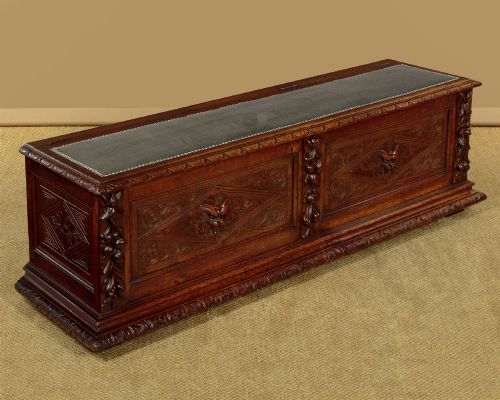
- An Italian wooden bench featuring a deep chest base and a backrest, combining seating and large-scale storage.
- Mortise and tenon
- A traditional woodworking joint where a projecting tongue fits snugly into a matching cavity, securing the frame without reliance on metal fasteners.
- Panelling
- Flat wooden sections framed by stiles and rails, frequently decorated with carvings or linenfold motifs on earlier cabinetwork.
Antique Box Seat: Frequently Asked Questions
How were box seats used historically?
In earlier centuries, high-backed box settles stood near fireplaces to shield occupants from cold draughts while storing fuel or textiles inside the base. Smaller hall benches and piano stools provided convenient spots in corridors or parlours for footwear and sheet music.
The enclosed design protected stored items from dust and dampness in unheated rooms, making them central to everyday domestic organisation.
How do I date an oak box settle?
Dating relies on examining construction methods, tool marks, timber selection, and stylistic details such as panel carvings or turned legs. Earlier 17th and 18th century examples display pegged joinery, hand-riven boards, and deep patination accumulated over generations of use.
Later Victorian and Edwardian iterations often introduce machine-sawn elements, different secondary timbers, and distinct revival styles reflecting the aesthetic tastes of their time.
Where should I place a box seat at home?
A box seat fits well in entrance hallways for storing shoes, at the foot of a bedroom bed for linens, or in a living room as a functional focal point. Their dual purpose makes them exceptionally useful in spaces requiring discreet storage without sacrificing floor area.
Consider the clearance needed to lift the seat lid fully when positioning the piece against a wall or beneath a window.