



Antique Botanical Pot
An antique botanical pot brings the structure and colour of the garden indoors, offering a tactile home for plants through earthenware, porcelain, and metal.
Antique Botanical Pot
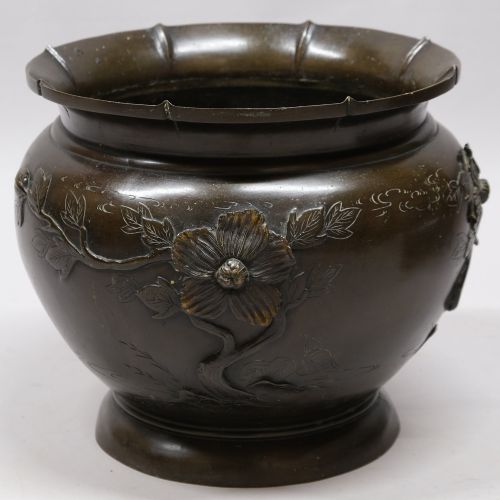
When you search for an antique botanical pot, you encounter an array of vessels designed to house or depict flora, ranging from large earthenware jardinieres to delicate porcelain potting vessels.
The selections span the eighteenth, nineteenth, and early twentieth centuries, capturing shifts in design from Georgian utility to Victorian and Edwardian ornamental styles.
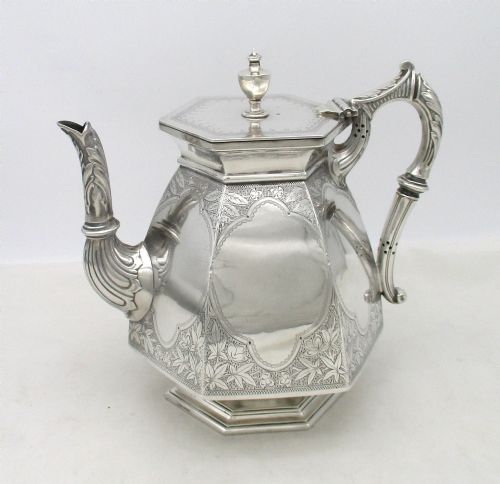
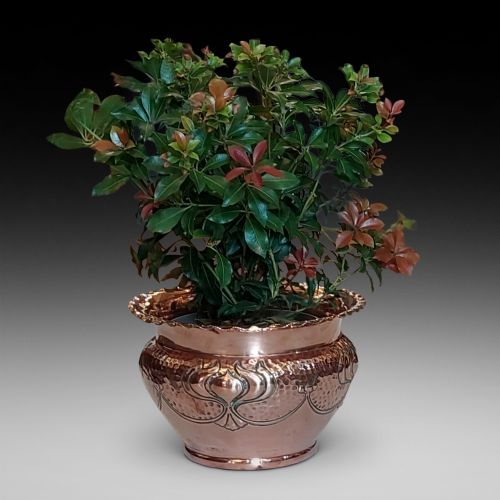
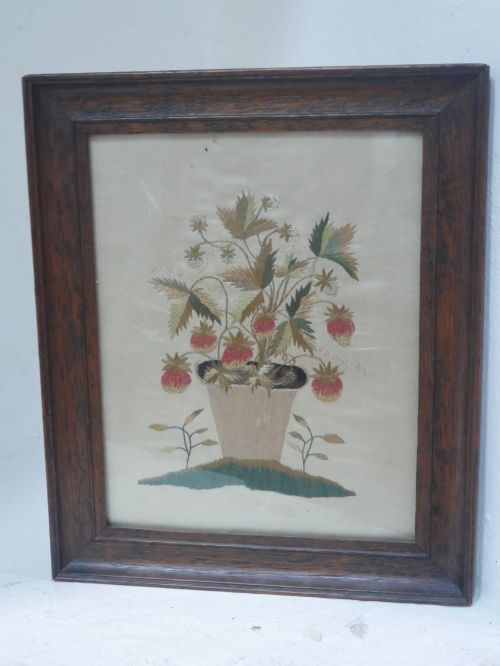
Forms include footed planters, cachepots, and majolica pails alongside oil paintings, watercolours, and needlework depicting botanical subjects.
Materials and construction
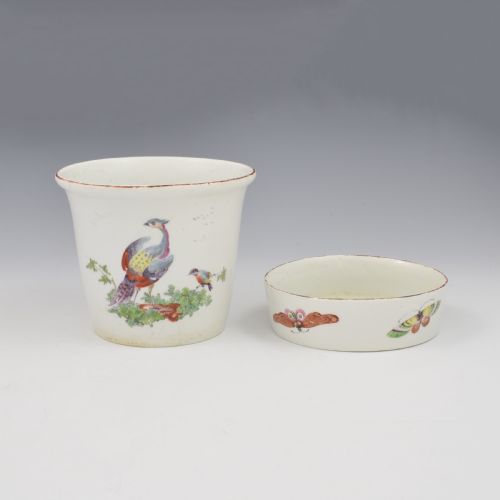
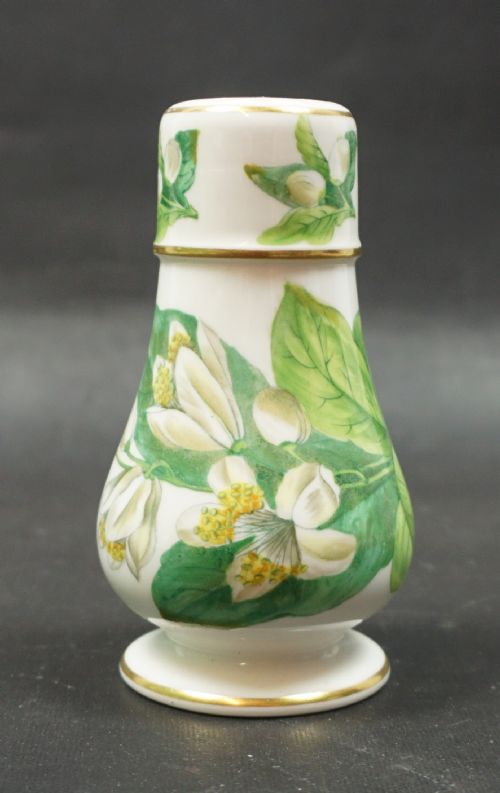
Potters shaped earthenware, soft-paste porcelain, and stoneware on the wheel or in moulds before applying hand-painted or transfer-printed floral decoration and coloured glazes.
Metalworkers hammered and spun copper, bronze, and silver plate to create durable jardinieres and planters suited for interior flora.
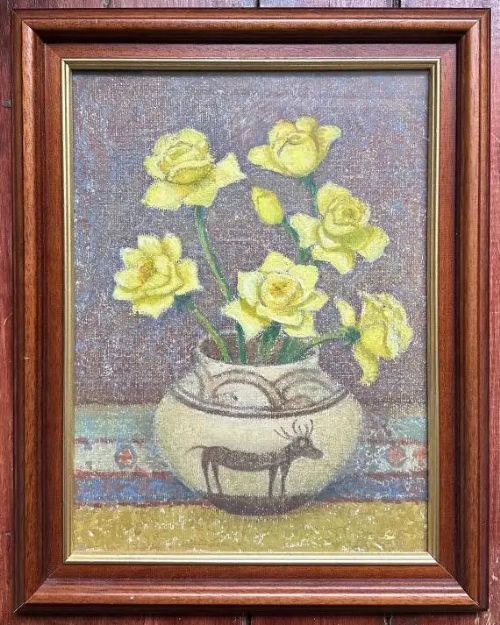
Artists utilised oil on canvas and watercolour on paper to record plants in terracotta pots and arrangements of pelargoniums.
Antique Botanical Pot Retail Price Guide 2026
Typical asking prices for botanical pot among the pieces listed under this phrase on Sellingantiques today, from the lower quarter to the upper quarter. They describe what is for sale here now, not the wider market.
Several items showcase strawberries and pelargoniums, proving that Victorians loved botanical art just as much as indoor houseplants.
Judging the work
Superior examples demonstrate precision in hand-painted botanical detail and careful control of ceramic glazes or metal patination.
The distinction between standard production and exceptional work lies in the crispness of modelling, the depth of colour in majolica or soft-paste bodies, and the integrity of construction.
The Antique Botanical Pot Glossary
- Jardiniere
- A large ornamental pot or stand for holding plants or flowers. These vessels sit on tables or directly on the floor.
- Cachepot
- An ornamental container used to hide an ordinary flowerpot. It lacks drainage holes, protecting furniture from water.
- Majolica
- A type of earthenware glazed with tin opacifiers and painted with bright lead glazes. It gained popularity in the nineteenth century for vibrant plant pots.
- Soft-Paste Porcelain
- A ceramic material made from a mixture of clays and glassy frit. It was fired at lower temperatures than hard-paste porcelain.
- Pounce Pot
- A small container with a perforated lid used to sprinkle powder over paper. This prepares the surface for ink.
Antique Botanical Pot: Frequently Asked Questions
How do I use an antique botanical pot safely?
Place a plastic liner or saucer inside ceramic and metal vessels to protect the historic material from moisture and soil.
Ensure proper drainage or remove plants for watering outside the container.
What is the difference between a jardiniere and a cachepot?
A jardiniere is typically larger and often stands on its own base or floor, serving as a primary display piece for plants.
A cachepot functions strictly as an outer sleeve to conceal a plain growing pot.
How do I identify a Victorian ceramic pot?
Look for heavy earthenware bodies finished with colourful majolica glazes or intricate hand-painted floral motifs characteristic of the period.
Maker marks and registration numbers on the base often confirm nineteenth-century production.
Can I display these pots outdoors?
Historic ceramics and metalwork suffer damage from frost and extreme weather fluctuations.
Keep these pieces indoors where temperature and humidity remain stable.