



Antique Botanical Panel
An antique botanical panel brings the quiet observation of the natural world directly onto the wall through paint, needlework or carved wood.
Antique Botanical Panel
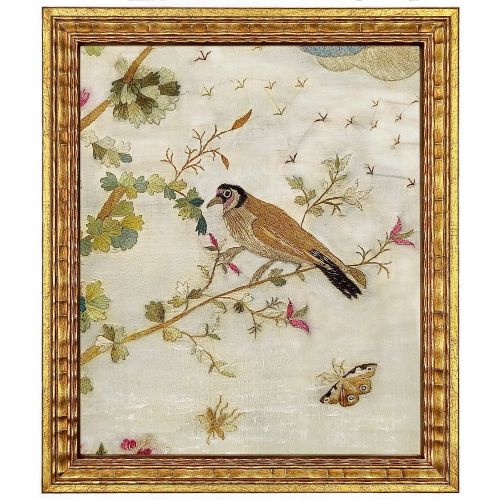
When you search for an antique botanical panel, you are looking at decorative wall art and textile pieces that focus on flowers, plants and natural subjects. The selection spans centuries of craftsmanship, ranging from Georgian and Victorian works to mid-century creations.
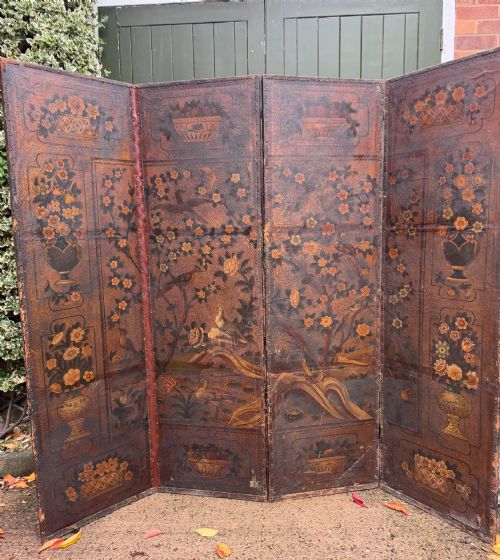
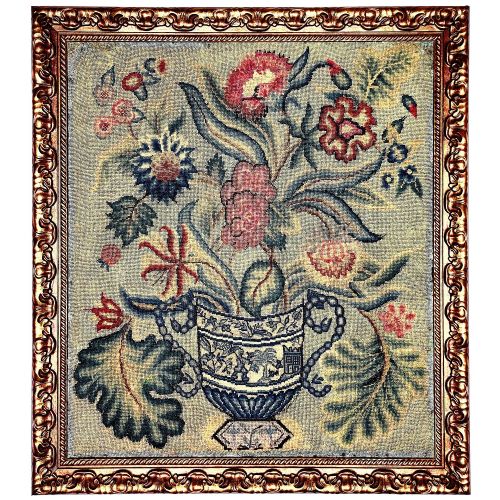
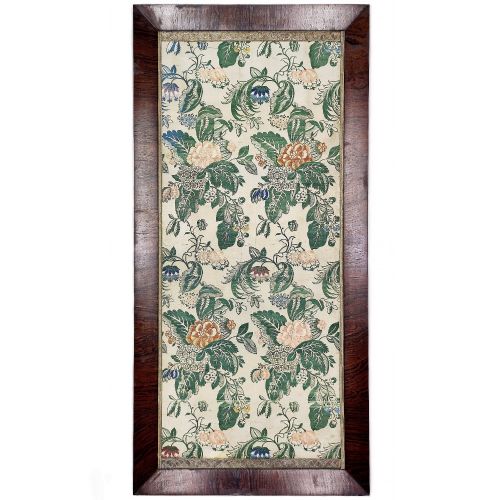
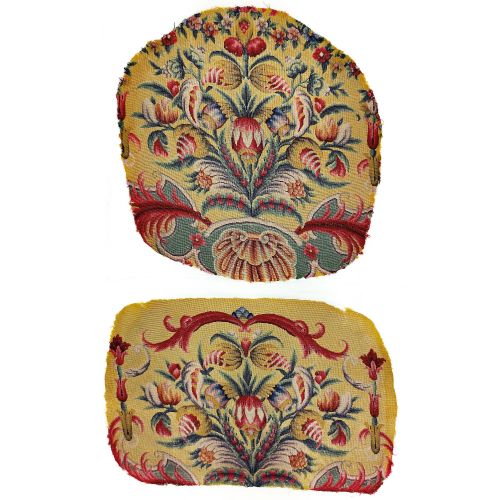
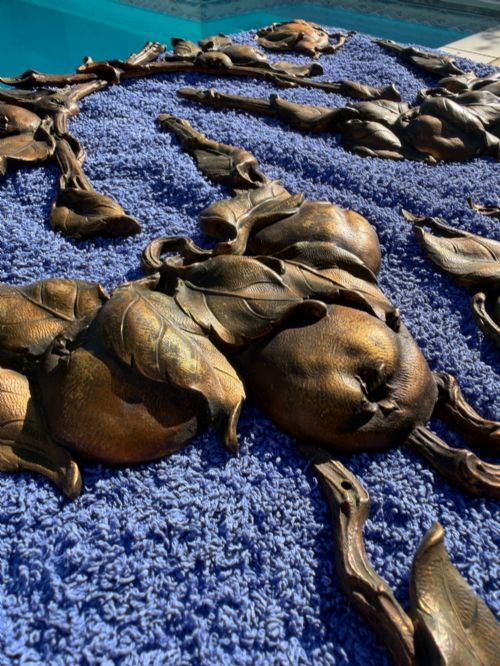
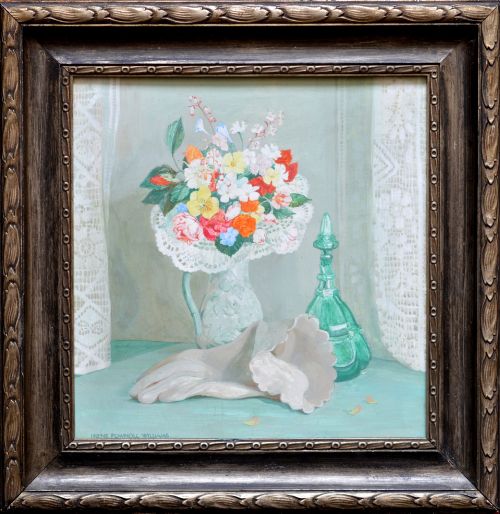
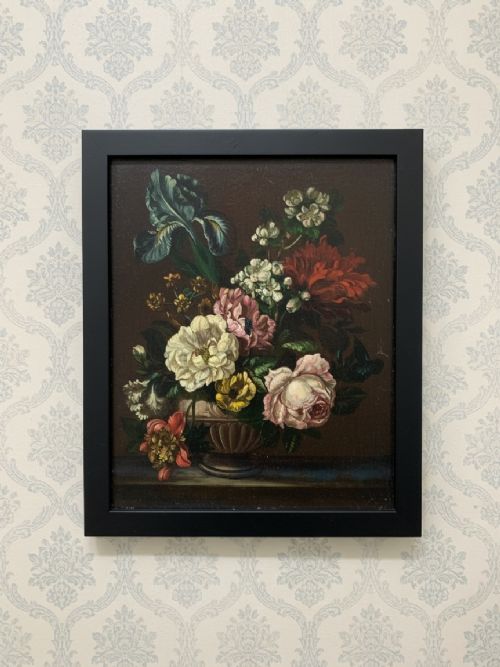
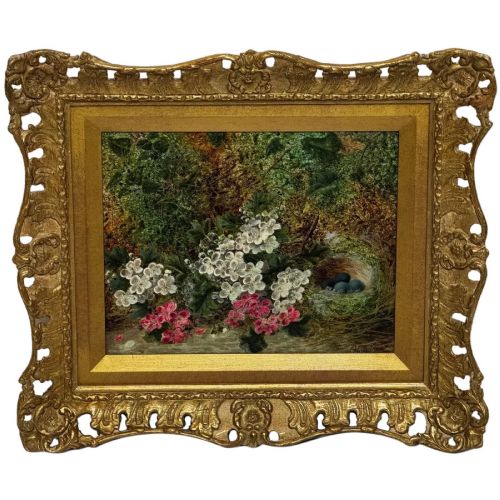
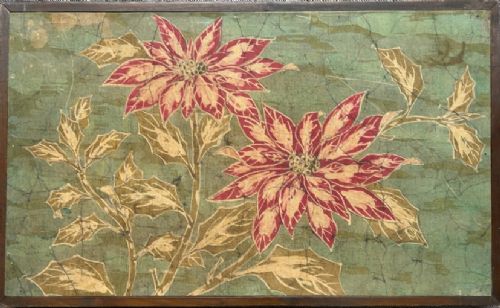
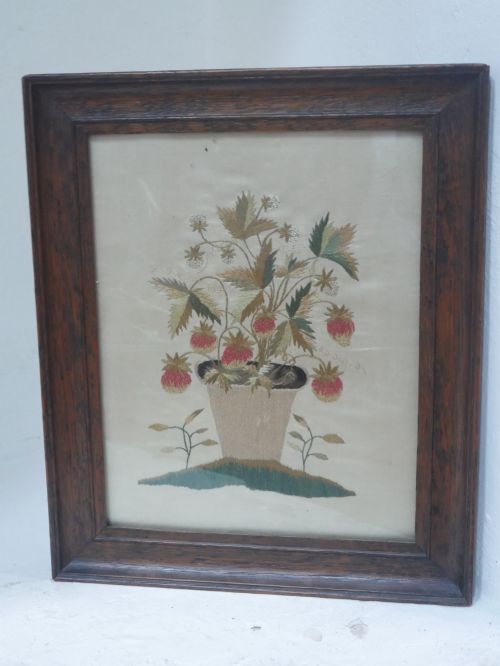
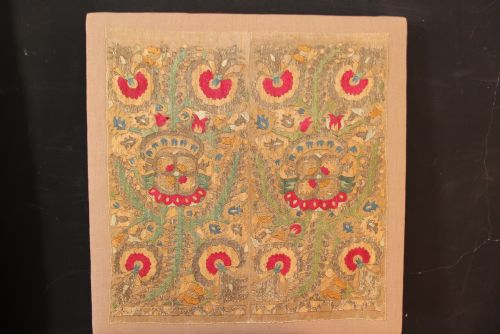
The objects appearing here take several distinct forms, including oil paintings on wooden boards, framed silk and wool needlework pictures, hand-painted leather screens and carved wooden architectural elements. Many originate from British, French, Dutch and Asian workshops.
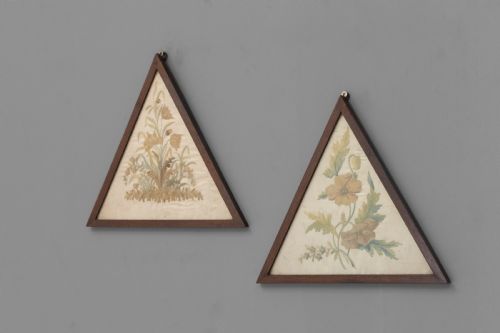
You are most likely to meet painted panels featuring floral still lifes and framed needlework depictions of garden flowers. These pieces reflect a sustained historical fascination with natural science and domestic decoration.
Materials and construction methods
Makers utilised rigid supports such as oak, mahogany and porcelain panels for oil paintings and tempera works, applying ground layers before building up the botanical details. Silk, wool, linen and canvas served as foundations for embroidered textile panels and beadwork pictures, often stretched over frames or backed with leather.
Finishing techniques involved the application of oil paint, gold leaf gilding, delicate needle stitches and hand-carved relief work on hardwoods. Protective layers of glass frequently secured framed textile works and delicate water-based pigments from atmospheric damage.
Antique Botanical Panel Retail Price Guide 2026
Typical asking prices for botanical panel among the pieces listed under this phrase on Sellingantiques today, from the lower quarter to the upper quarter. They describe what is for sale here now, not the wider market.
Materials recorded in the inventory include wood, silk, glass, oil paint, wool, linen, gold leaf and canvas.
Distinctions in quality
The upper tier of these works displays exceptional control of botanical accuracy, colour harmony and fine brushwork or precise needle tension. Master artists and skilled embroiderers captured the intricate anatomy of petals and foliage with lifelike precision.
Lesser examples often rely on formulaic repetition, stiffer compositions or simpler execution in the paint and threadwork. The integrity of the original material ground - whether stable wood panels free from warping or textiles with minimal fading - strongly influences the overall standing of the piece.
Poix Blin·Oliver Clare·William Rayworth·Irene Christobelle Pownoll Williams
The Antique Botanical Panel Glossary
- Panel
- A flat, relatively thin piece of wood, metal, porcelain or leather used as a rigid support for painting or decorative carving. Wooden boards were commonly prepared with gesso before artists applied oil paint.
- Needlework
- Decorative stitching executed with a needle using thread, wool, silk or beads on a fabric ground. Historical examples include botanical pictures and floral studies.
- Tempera
- A permanent, fast-drying painting medium consisting of coloured pigments mixed with a water-soluble binder medium, such as sticky egg yolk. It produces a flat, matte surface.
- Gilding
- The application of gold leaf or powder to surfaces such as wood frames, bronze mounts or porcelain highlights. This technique enhances decorative depth and catches ambient light.
- Verdure
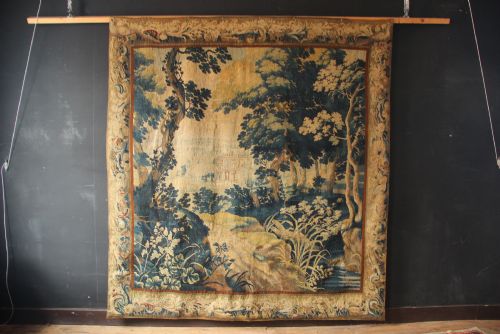
- A type of tapestry or wall hanging featuring a stylized landscape background dominated by green foliage, trees and plants. These large textiles often incorporated natural motifs.
Antique Botanical Panel: Frequently Asked Questions
How should I hang a heavy wooden panel?
Wooden panels require secure wall fixings distributed evenly to support their weight without straining the historic material. Metal brackets or strong picture wire attached directly to the frame provide reliable stability.
Avoid hanging these pieces in areas subject to direct sunlight or damp conditions, as fluctuations in temperature can cause wood to warp or split over time.
How do I care for antique textile panels?
Textile panels benefit from protection against direct light to prevent silk and wool threads from fading. Keeping them behind UV-filtered glass shields the delicate fibres from dust and atmospheric pollution.
Gentle dusting with a soft, dry brush helps maintain the surface without disturbing fragile stitching or loose threads.
What is the difference between oil on canvas and panel?
Oil paintings on canvas rely on flexible woven fabric stretched over a wooden stretcher frame. In contrast, oil paintings on panel use rigid wooden boards or porcelain as a solid foundation.
Panels generally offer a smoother, unyielding surface for fine brushwork, whereas canvas provides natural flexibility against minor environmental changes.
Can I use a painted leather screen as a divider?
Painted leather screens were originally designed to partition rooms and block draughts in large domestic spaces. Their multi-fold construction allows them to stand independently on the floor.
Care must be taken to place them where they will not be repeatedly bent or struck, as historic leather and painted surfaces can crack under physical stress.