



Antique Botanical Fine Art
These antique botanical fine art pieces bring historic floral subjects and natural studies into interiors through period watercolours, oil paintings, and needlework pictures.
Antique Botanical Fine Art
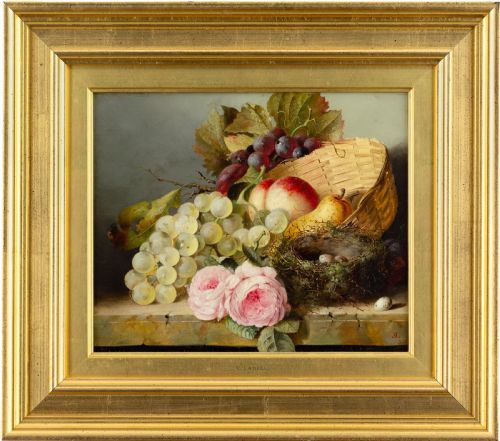
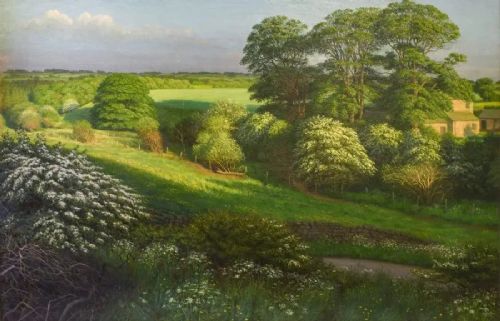
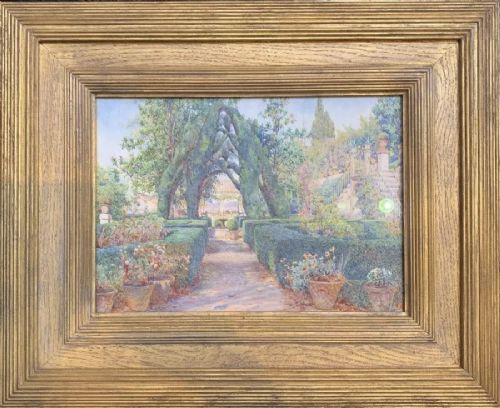
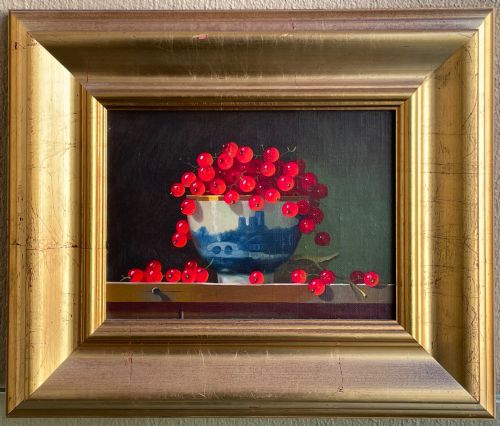
When searching for antique botanical fine art, buyers encounter framed watercolours, gouache paintings, and oil paintings depicting flowers, gardens, and fruit. These works range across the nineteenth and early twentieth centuries, capturing detailed studies of blooms, summer meadows, and blossoms.
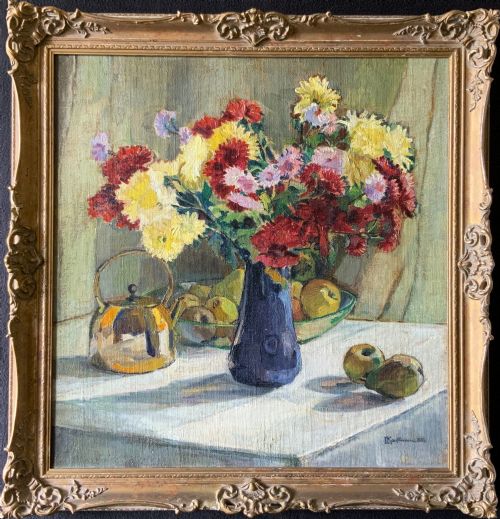
The pieces appearing on this page extend from Victorian depictions to early twentieth-century modernist floral still lifes. Painters of these periods rendered natural specimens with botanical accuracy or expressive brushwork, framing them in period wooden mouldings.
Materials and construction
Artists executed these works primarily using watercolour, gouache, and oil paint on paper, canvas, and board. The physical components reflect traditional studio practices of the nineteenth and early twentieth centuries, utilising stable pigments and prepared grounds.
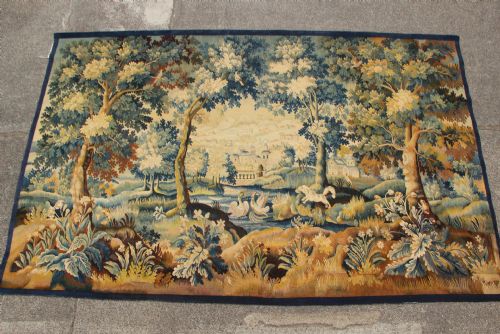
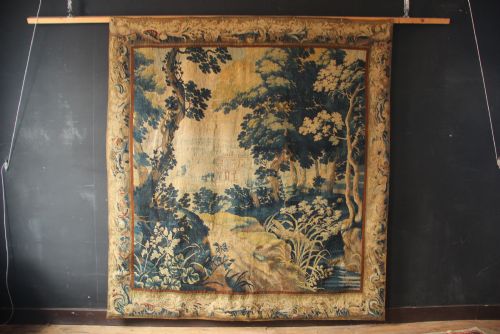
Framing forms an integral part of the physical object, employing wood and giltwood to house the paintings and needlework. Textile works incorporate wool on canvas or specialised embroidery threads to build up textured floral compositions.
Several canvases feature parrots supervising casual arrangements of melons and peaches.
Distinctions in quality
Quality in these works rests upon the handling of the medium and the precision of the botanical or floral rendering. Superior examples display confident brushwork in oils or delicate control of wash in watercolours, achieving realistic depth and light.
The integration of the artwork with its period frame and the clarity of the signature or provenance elevate certain pieces. Condition of the paper or canvas, stability of the paint surface, and preservation of the original framing elements distinguish finer examples.
Edward Ladell·Ernest Arthur Rowe·Émile Gallé·Alice Anne Renshaw·William Duffield·Beatrice Parsons·Margaret Evangeline Wilson·Harold Edward Conway·John Sherrin·Cuthbert Edmund Swan·George Lance·William B. Hough·Owen Bowen
The Antique Botanical Fine Art Glossary
- Watercolour
- A paint consisting of colour suspended in a water-soluble binder, used extensively on paper for detailed floral studies. It allows for transparent washes and subtle colour layering.
- Gouache
- An opaque watercolour medium that includes a white pigment filler, producing denser, more saturated colour areas. Artists often combined it with watercolour to highlight specific petals and leaves.
- Oil on canvas
- Pigments bound in a drying oil applied to a stretched woven fabric support. This medium permits rich impasto and deep tonal gradations.
- Still life
- A painting genre focused on inanimate subject matter, predominantly arrangements of flowers, fruit, and natural objects. It highlights the artist's ability to render light, texture, and form in a controlled setting.
- Needlework picture
- A decorative textile piece created by stitching wool or silk threads onto a canvas ground to form pictorial scenes. These works substitute traditional paint with meticulously worked thread.
Antique Botanical Fine Art: Frequently Asked Questions
How are antique floral paintings framed?
These works are typically housed in period wooden or giltwood frames that reflect the aesthetic of their specific decade. The mouldings complement the subject matter through carved or gilded decorative details.
Buyers should examine whether the frame appears original to the artwork, as period matching enhances the historical integrity of the piece.
What subjects appear in these works?
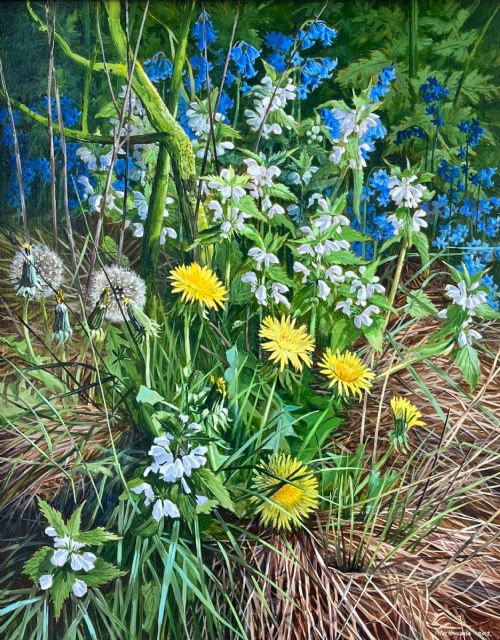
The subjects span garden scenes, woodland floors, and tabletop arrangements of fruit and flowers. Artists recorded specific blooms like roses, bluebells, and crocuses with varying degrees of botanical precision.
These compositions reflect nineteenth and early twentieth-century interests in natural history, horticulture, and domestic decoration.
How should I care for watercolour paintings?
Watercolour works require protection from direct sunlight to prevent the fading of delicate pigments on paper. Framing under conservation glass helps filter ultraviolet light and shields the surface from atmospheric dust.
Maintaining stable indoor humidity levels prevents the paper support from warping or developing foxing over time.
Can I date a painting by its style?
Stylistic markers, such as the loose impressionistic brushwork of the early twentieth century or the tighter realism of the Victorian era, provide broad chronological indicators. Signatures, inscriptions on the reverse, and framing materials assist in narrowing the date further.
Comparing the handling of light and composition with documented works by known painters confirms the period of execution.