
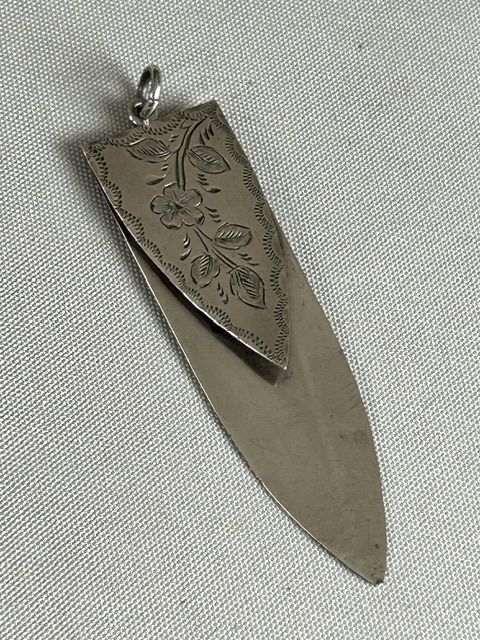


Antique Bookmark
These antique bookmark examples span delicate woven silks to robust sterling silver trowels, offering both practical page-holding and tangible connection to past reading habits.
Antique Bookmark
An antique bookmark represents a small reading accessory designed to save a page without damaging the volume. When exploring the marketplace for an antique bookmark, buyers encounter varied forms from the nineteenth and twentieth centuries.
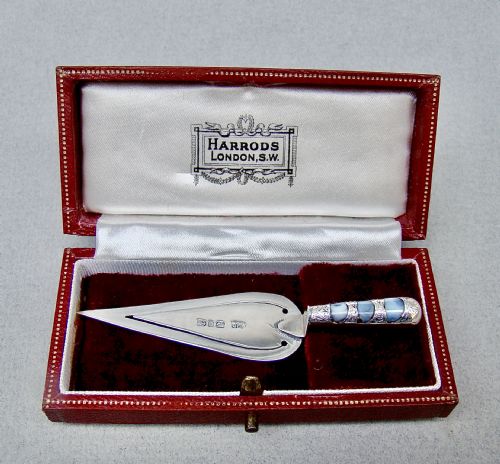
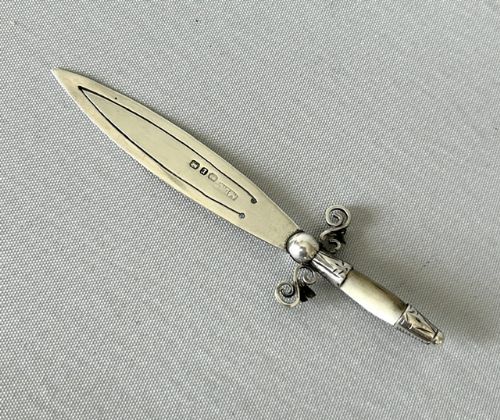
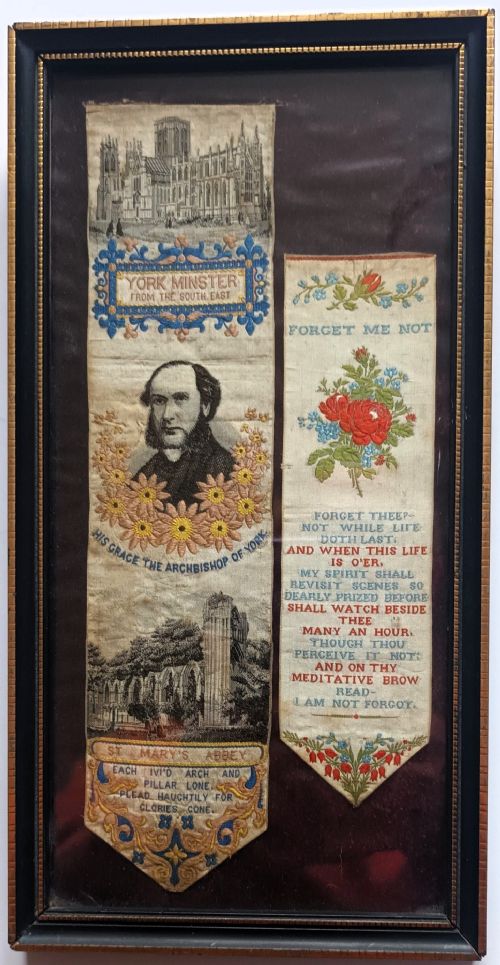
The material evidence shows distinct formats ranging from framed woven silk textiles to metal page turners and small hand tools. Novelty shapes dominate the surviving examples, including miniature trowels, daggers, swords, and teddy bear figures.
Origins span the Victorian, Edwardian, and Art Deco periods, with specific items bearing Birmingham hallmarks or connected to makers such as Stevens of Coventry. Buyers frequently find sterling silver combined with mother of pearl, banded agate, or glass.
How They Were Made
Silks were woven on specialised looms using intricate thread combinations to create detailed pictorial and textual bookmarks, later preserved behind glass in frames. Metal versions utilise sterling silver formed into specific novelty shapes like trowels and daggers.
Engraving and chasing techniques applied to silver surfaces provide decorative patterns, whilst organic materials such as mother-of-pearl and banded agate are cut, polished, and riveted securely to metal handles.
Readers in the past marked their place with miniature garden trowels, tiny swords, and even teddy bears.
What Varies in Quality
Quality depends upon the crispness of the silver hallmarks, the clarity of hand engraving, and the structural integrity of the fitted organic materials like mother-of-pearl or agate. Superior examples retain their original polish and show minimal wear to the delicate structural joints.
Textile bookmarks differ based on the tightness of the silk weave and the preservation of vibrant original colours within their framed settings. Novelty designs with detailed sculptural elements and legible maker marks represent higher craftsmanship.
Stevens of Coventry·Crisford & Norris·Adie & Lovekin
The Antique Bookmark Glossary
- Hallmark
- An official stamp applied to precious metals indicating purity, assay office, and date of manufacture. These tiny impressions confirm the authenticity and origin of silver pieces.
- Page Turner
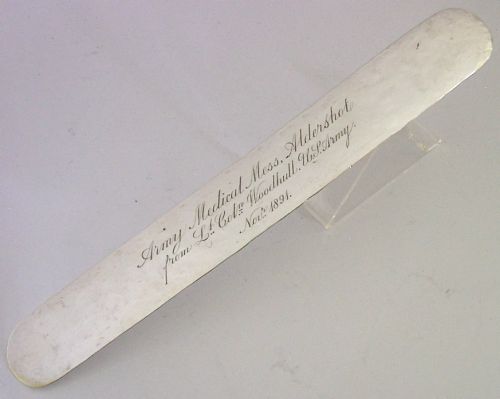
- A large hand tool resembling a knife used for slitting uncut paper pages in books. Examples often feature silver handles paired with ivory, bone, or mother-of-pearl blades.
- Trowel Bookmark
- A novelty bookmark shaped like a miniature garden trowel. This specific design was popular during the Victorian and Edwardian eras.
- Banded Agate
- A variety of chalcedony quartz featuring distinct natural colour layers or stripes. It was frequently polished and mounted into silver desk accessories and bookmarks.
- Stevengraph
- A small woven silk picture produced by Thomas Stevens of Coventry. These colourful woven panels were widely mounted as bookmarkers and framed wall art.
Antique Bookmark: Frequently Asked Questions
What materials were used?
Survival examples incorporate sterling silver, woven silk, mother-of-pearl, banded agate, and glass.
Metals were frequently combined with natural organic inlays to provide textural contrast.
How were they used?
These pieces served to mark pages in books without bending or creasing the paper leaves.
Larger versions combined the function of a bookmark with a page turner for uncut volumes.
Are hallmarks always present?
British silver pieces usually display clear assay office marks and date letters.
Silk markers and unmarked novelty items rely on stylistic attribution and period context.
How do I date them?
Hallmarks provide precise year markers for silver items based on stamped date letters.
Stylistic shifts between Victorian Gothic revival, Edwardian elegance, and Art Deco geometry also indicate periods.