
Antique Bookcase Display Shelves
These antique bookcase display shelves bring timeless timber and practical tiered storage together to house a growing library or exhibit curios.
Antique Bookcase Display Shelves
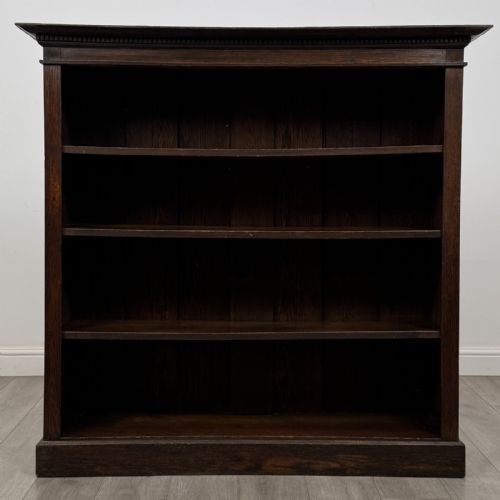
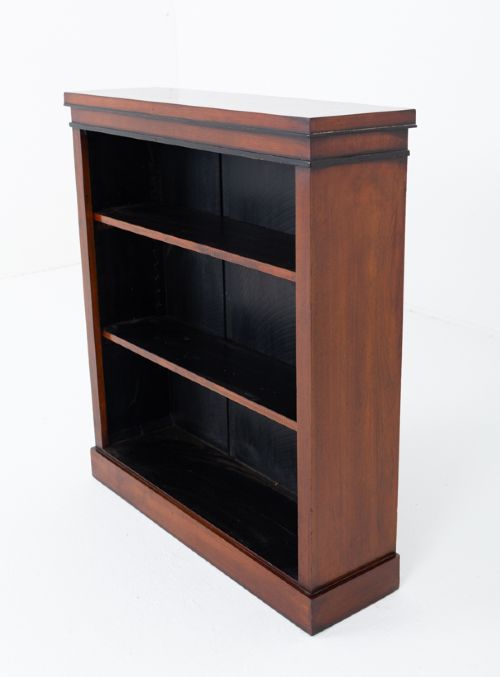
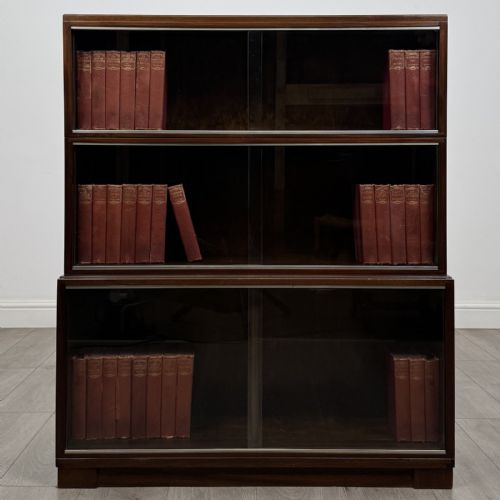
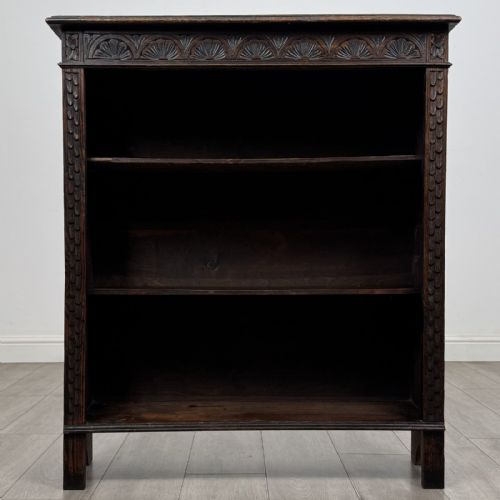
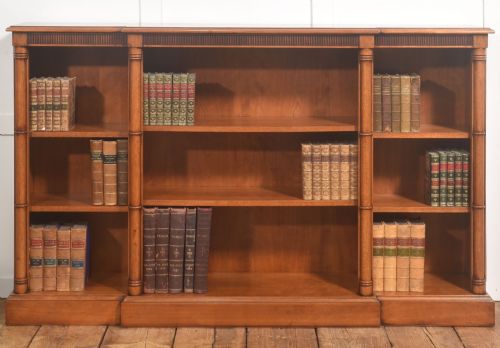
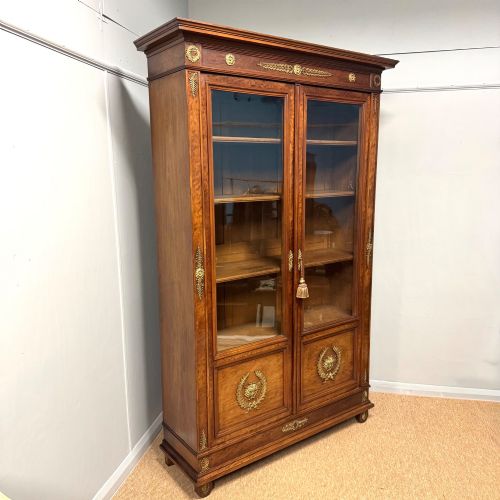
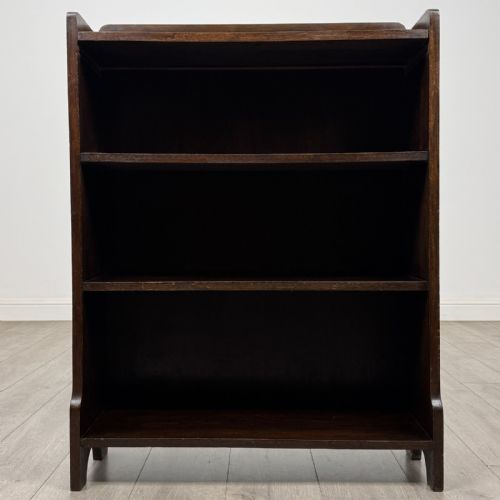
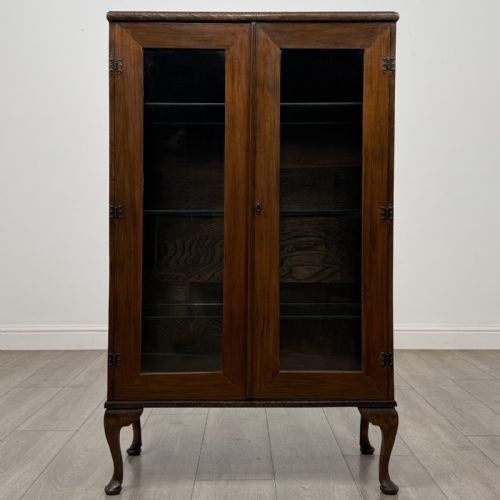
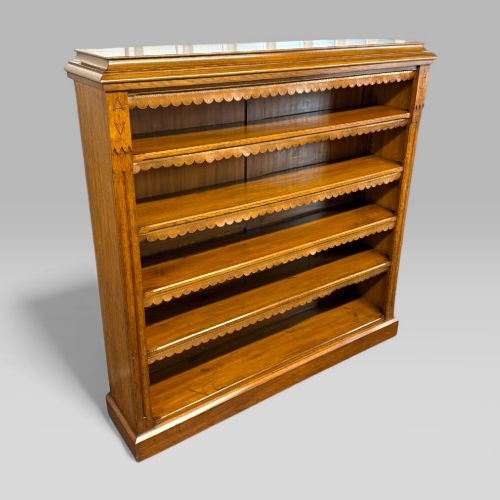
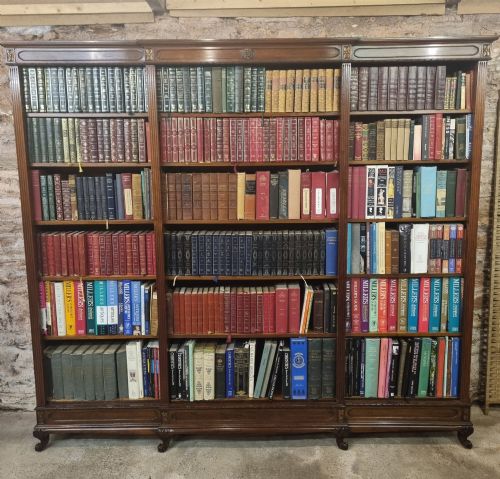
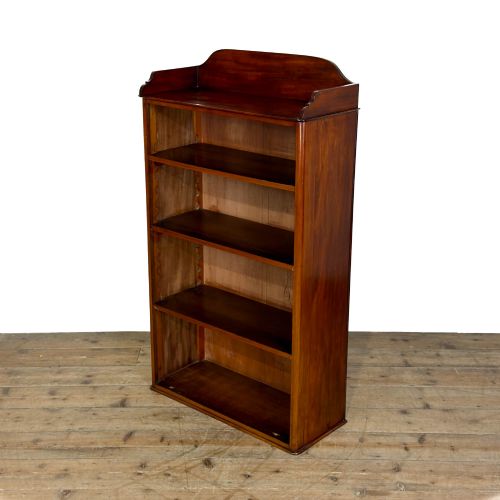
When searching for antique bookcase display shelves, buyers encounter a diverse selection of floor-standing bookcases, wall-hanging shelves, and multi-tiered etageres designed to exhibit books and decorative objects alike. The pieces range from compact Edwardian oak and mahogany units to larger Victorian library cabinets outfitted with adjustable shelving.
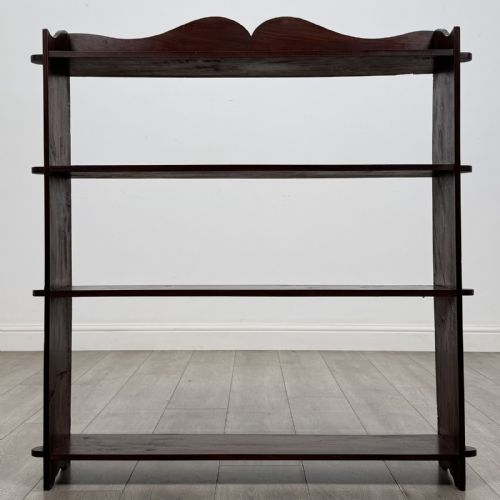
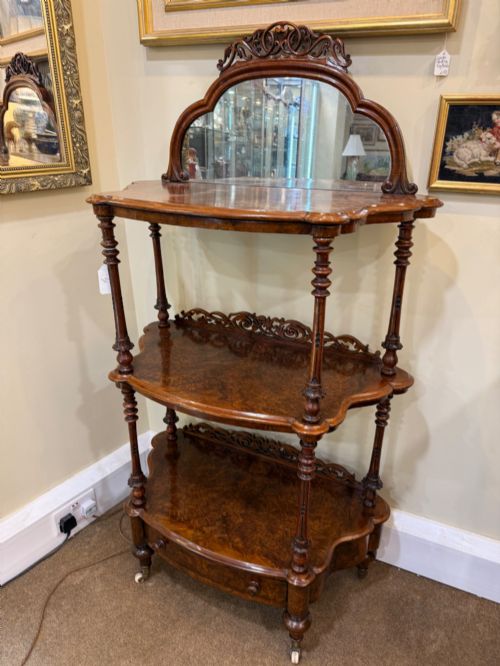
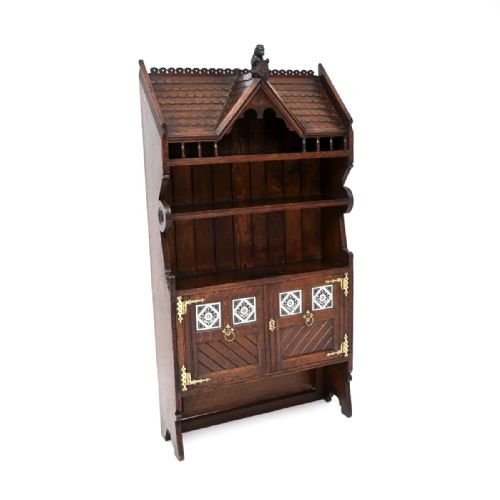
The most common forms seen on this page are open mahogany and oak bookcases originating from the nineteenth and early twentieth centuries. Alongside these standard floor models, smaller wall-mounted shelves and bamboo or walnut whatnots appear frequently, offering vertical storage solutions for tighter spaces.
How they were made
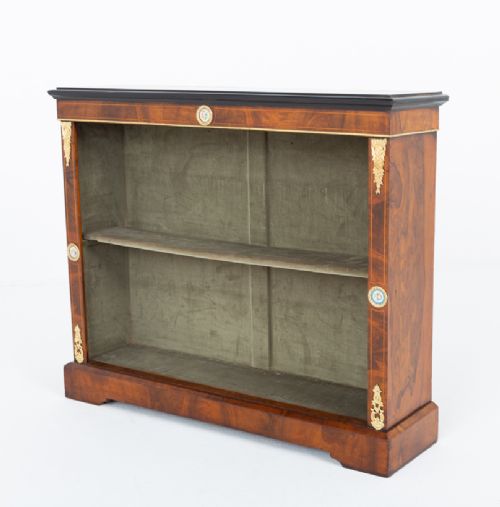
Cabinet makers relied primarily on solid hardwoods such as mahogany, oak, and walnut, frequently enhancing surfaces with burr walnut veneers, satinwood inlay, or hand-carved detailing. Structural integrity often depended on traditional joinery paired with brass fittings, castors, and glazed glass doors where contents needed protection.
Makers integrated functional mechanics into their designs, incorporating adjustable wooden shelves supported by peg systems or ratchets to accommodate varying book sizes. Surface finishes ranged from polished clear French polishes to painted treatments in blue or teak, suiting both formal libraries and rustic country interiors.
Keep an eye out for bamboo and Japanese-inspired etageres that brought unexpected botanical charm into Victorian parlours.
What varies in quality
The distinction between standard utility furniture and superior cabinet-making lies in the selection of timber figures, such as highly figured burr walnut or rich mahogany, and the precision of inlaid marquetry or carved fretwork. Finer examples display meticulous attention to secondary timbers and robust internal construction designed to bear heavy volumes without sagging.
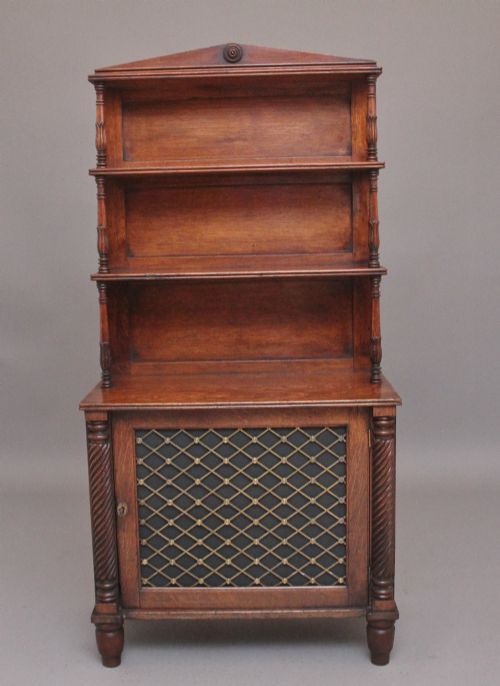
Design sophistication also separates the range, with tiered waterfall silhouettes, neoclassical Empire influences, and signed maker pieces commanding greater design interest than plain utilitarian storage. The presence of original brass castors, intact glazed astral panels, and adjustable shelf mechanisms further elevates a piece.
EDWARDS and ROBERTS·Gabriel Viardot
The Antique Bookcase Display Shelves Glossary
- Whatnot
- A multi-tiered open piece of furniture used for displaying ornaments, books, or curiosities. These typically feature slender upright supports and graduated shelves.
- Waterfall bookcase
- A distinct shelving form where each tier steps back progressively from the one below, creating a sloping profile reminiscent of cascading water.
- Astral glazed
- A term describing glass cabinet doors divided into smaller panes by wooden or brass lattice bars, often seen in refined library bookcases.
- Marquetry
- The decorative craft of applying thin pieces of wood veneer to a structure to form intricate pictorial patterns or geometric designs.
- Aesthetic Movement
- A late nineteenth-century style prioritising visual beauty and craftsmanship over narrative content, frequently seen in dark woods and Japanese-inspired forms.
Antique Bookcase Display Shelves: Frequently Asked Questions
How do I know if the shelves are adjustable?
Many nineteenth and early twentieth-century library pieces feature internal rack systems or traditional wooden pegs that allow shelves to be repositioned for different book heights.
Reviewing the specific listing details will confirm whether the shelving mechanism remains functional and original to the piece.
What is the difference between a whatnot and an open bookcase?
A whatnot is generally a multi-tiered display unit with lighter upright supports designed specifically for ornaments, ceramics, and smaller volumes. An open bookcase is a heavier, sturdier structure built predominantly to hold large collections of reading books.
Both forms appear across Victorian and Edwardian periods, serving distinct spatial and decorative functions in a room.
How can I tell an Edwardian piece from a Victorian one?
Victorian pieces, spanning much of the nineteenth century, often feature heavier carved oak, darker mahogany finishes, and robust library proportions. Edwardian furniture from the early twentieth century tends to introduce lighter golden oak, delicate satinwood inlay, and airier dimensions.
Examining the underlying timber figure and decorative motifs helps clarify the likely period of manufacture.