

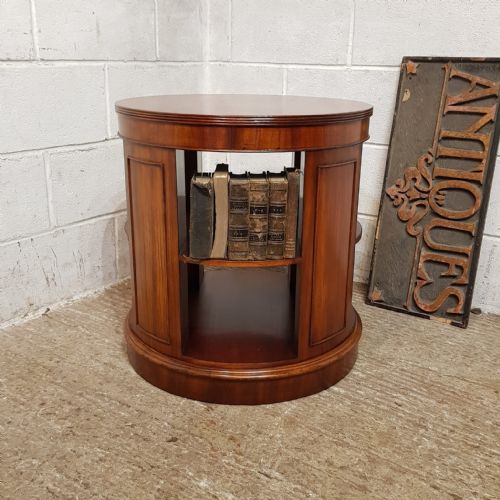


Antique Bookcase C1900
An antique bookcase c1900 brings architectural timber and glazed cabinetry into the home, offering practical storage for a growing library.
Antique Bookcase C1900
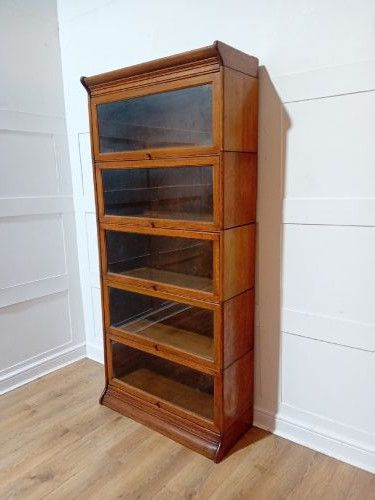
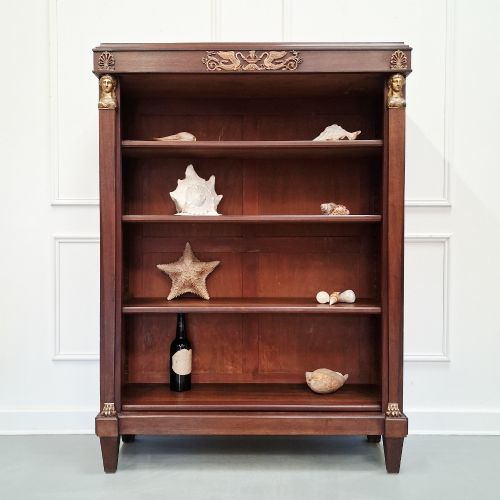
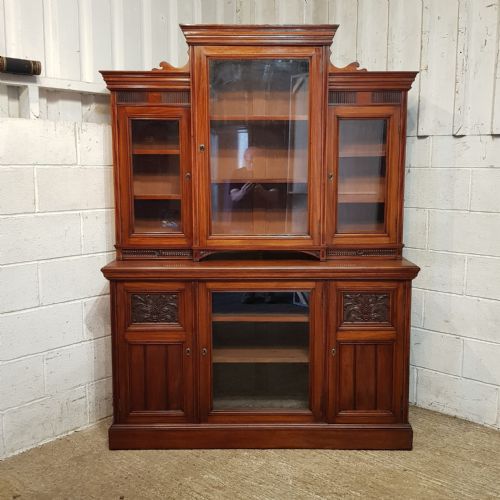
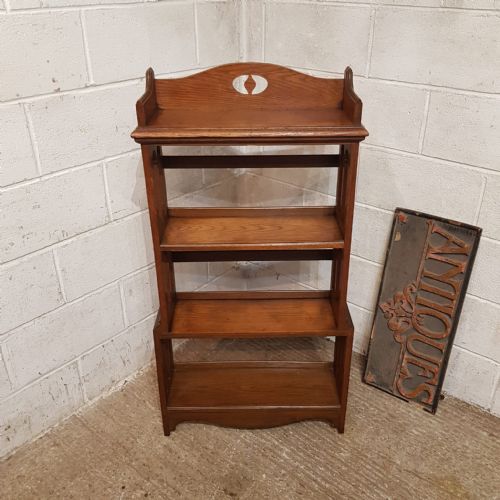
An antique bookcase c1900 encompasses an array of formats built around the turn of the twentieth century, bridging late Victorian production and the Edwardian era. Pieces span open oak shelving, tall breakfront designs, and revolving bookstands suited to domestic interiors.
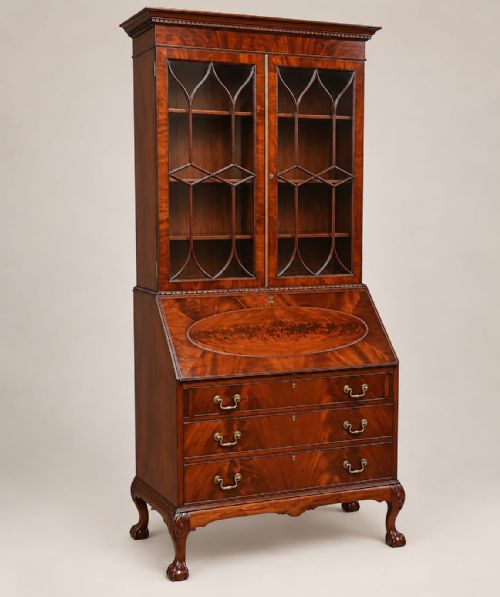
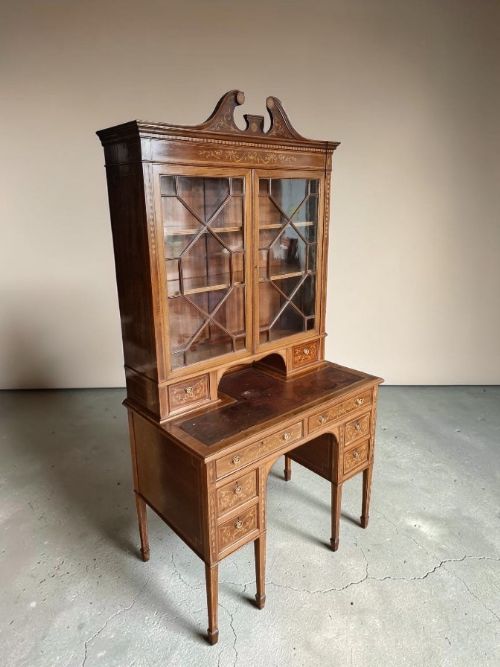
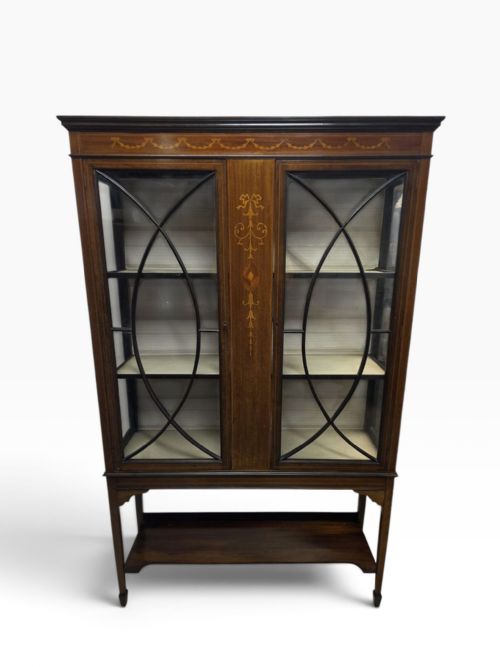
Bureau bookcases and display cabinets dominate the selection, frequently combining fitted writing desks with glazed upper doors. Mahogany and oak serve as the primary timbers, often enhanced by satinwood inlay or revival styling.
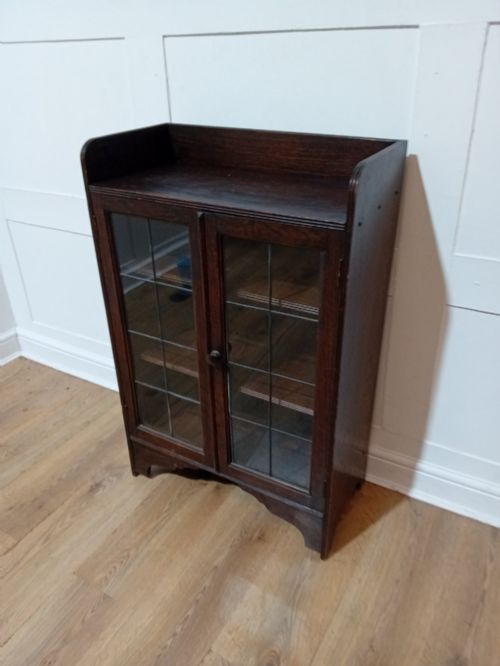
Edwardian interpretations lean towards Sheraton and Chippendale revivals, while Arts and Crafts examples utilise plainer oak construction. Miniature cabinets and corner units provide compact alternatives for smaller spaces.
How they were made
Cabinet makers constructed carcasses using solid mahogany and oak, applying satinwood veneers and decorative inlay to selected surfaces. Glass panels were secured within wooden frames or astragal glazing bars.
Brass handles, escutcheons, and gilt metal mounts complete the hardware, while leather inserts occasionally feature on desk surfaces. Carved detailing appears on specific Arts and Crafts and revival pieces.
Antique Bookcase C1900 Retail Price Guide 2026
Typical asking prices for bookcase c1900 among the pieces listed under this phrase on Sellingantiques today, from the lower quarter to the upper quarter. They describe what is for sale here now, not the wider market.
Periods represented span the late Victorian era through the Edwardian period up to nineteen fifteen.
What varies in quality
Selection of timber grain and precision of marquetry inlay determine the refinement of revival and Edwardian pieces. Finer cabinets display balanced proportions across serpentine fronts and breakfront configurations.
The complexity of internal fittings, such as adjustable shelving and fitted bureau interiors, separates standard utility furniture from finer workshops.
Edwards And Roberts
The Antique Bookcase C1900 Glossary
- Astragal glazed
- Glass doors divided into smaller panes by narrow wooden mouldings. These bars reinforce the structure while creating a traditional grid pattern.
- Breakfront
- A large cabinet where the central section projects forward from the flanking wings. This architectural arrangement adds depth and visual weight to larger bookcases.
- Bureau bookcase
- A combination of a sloping desk front folding down for writing, positioned beneath a shelved bookcase section. It offers both storage and workspace within one unit.
- Marquetry
- Decorative patterns formed by fitting together contrasting veneer pieces into wood surfaces. It appears frequently on Edwardian revival furniture.
- Revolving bookcase
- A freestanding rotating stand designed to hold accessible volumes on multiple sides. These compact items sit easily beside armchairs.
Antique Bookcase C1900: Frequently Asked Questions
What styles are common in an antique bookcase c1900?
Edwardian and Arts and Crafts designs shape the majority of these pieces, alongside revival movements like Sheraton and Chippendale.
Craftsmen also drew on French Empire and Chinoiserie aesthetics for specific display cabinets and bureau variants.
How do I distinguish an open bookcase from a glazed cabinet?
Open bookcases provide direct access to shelves without doors, suiting daily reading material.
Glazed cabinets enclose the shelving behind glass panels, protecting delicate volumes from dust and light.
What is a bureau bookcase used for?
The lower section provides a fold-down writing surface with internal pigeonholes and drawers for correspondence.
The upper section functions as a traditional bookcase with doors concealing the stored volumes.
Are revolving bookcases sturdy enough for heavy books?
Revolving bookstands utilise a central pivot mechanism designed to balance weight evenly across the rotating tiers.
They support standard octavo volumes securely while allowing easy rotation in tight spaces.