



Antique Book Binding
An antique book binding brings tactile depth to a shelf, housing centuries of literature, history, and craftsmanship within leather, vellum, and gold leaf.
Antique Book Binding
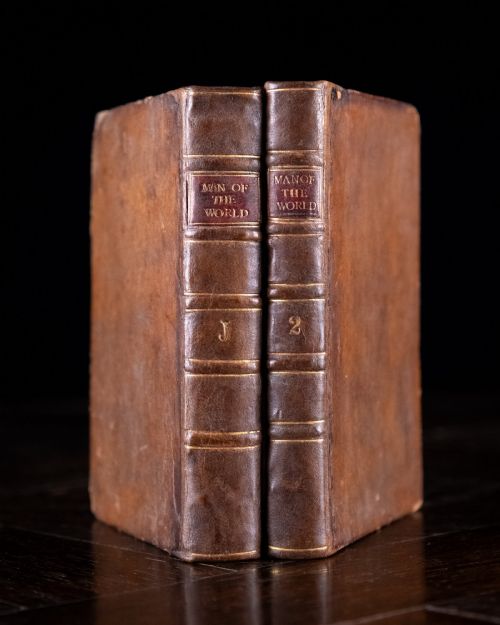
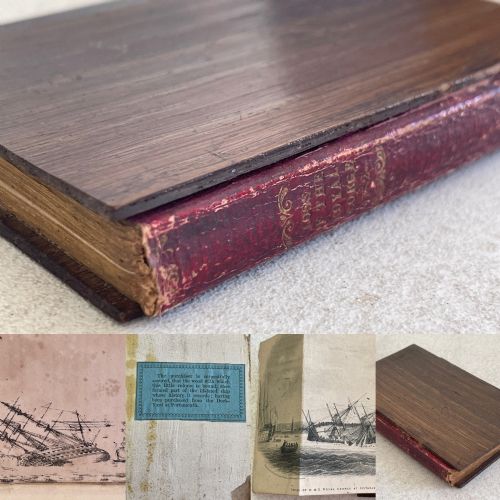
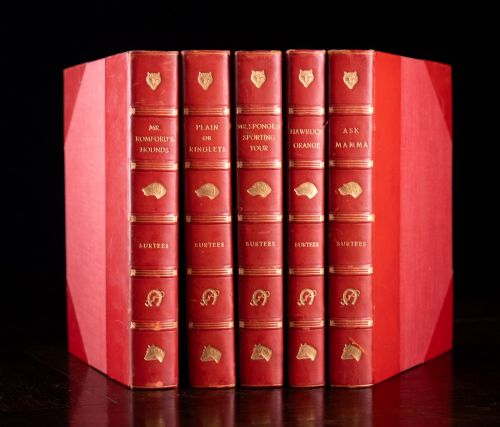
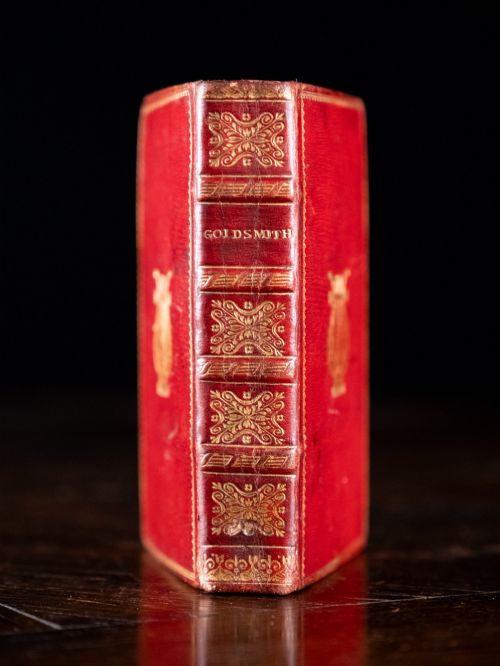
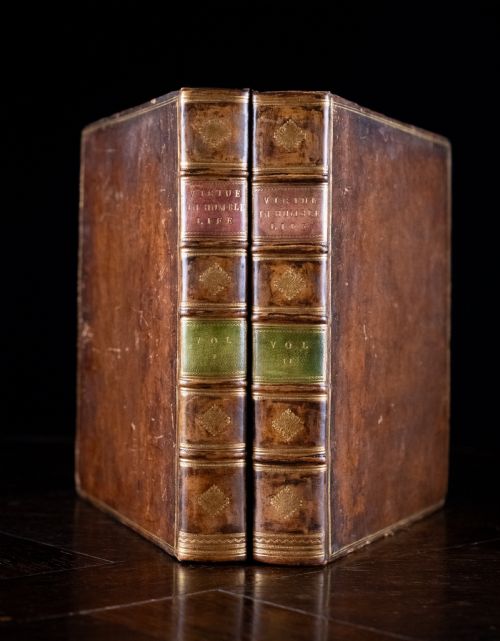
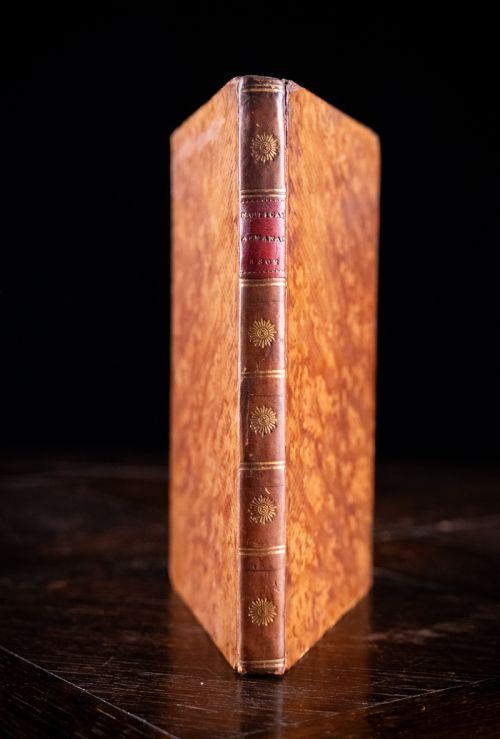
An antique book binding represents the physical vessel of historical texts, spanning from the eighteenth century through the Victorian and Edwardian eras. When searching for an antique book binding, buyers encounter complete sets of novels, religious texts, and individual volumes encased in period materials. The selections available here range from miniature books and leather-bound library sets to framed painted wood book covers and decorative faux book games boards.
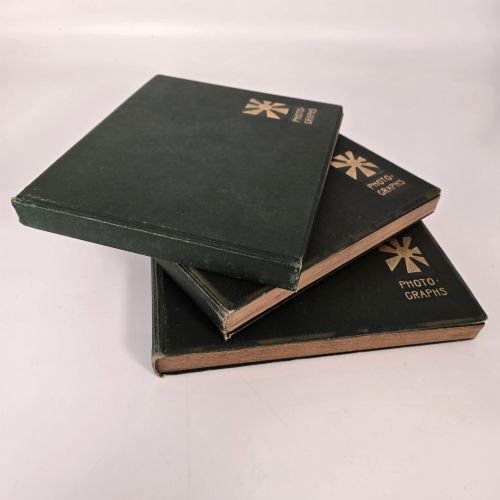
Most pieces date from the nineteenth century, reflecting the mass production of literature alongside hand-finished craftsmanship. Victorian and Edwardian examples dominate the selection, often appearing in multi-volume sets or substantial family bibles. Alongside standard bindings, the inventory includes specialised forms such as photograph albums, campaign writing slope book rests, and decorative wall art panels.
The materials enclosing these texts tell as much of a story as the pages inside, utilising calfskin, vellum, cloth, and wood augmented by brass and gold leaf. Some items take on alternative functions, transitioning from reading material into decorative objects or games boards. Every piece carries the physical marks of its period, whether through blind stamping, gilt tooling, or the natural patination of aged leather.
Materials and Construction
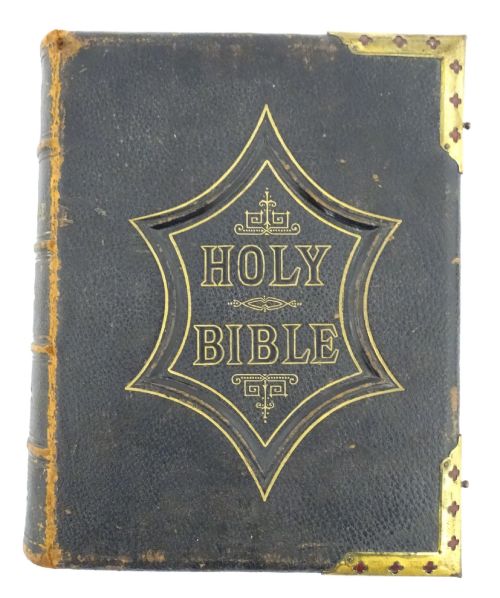
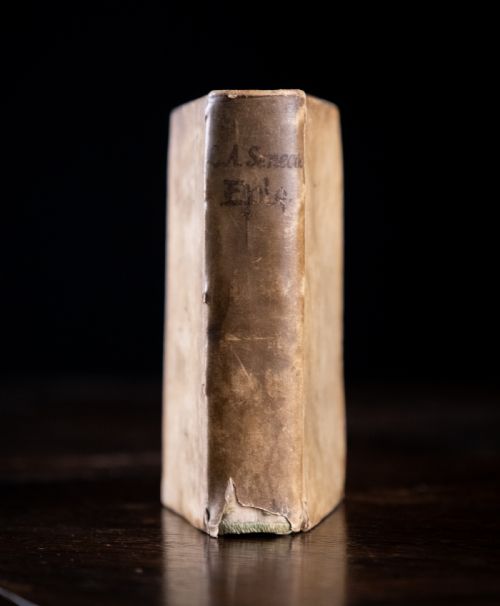
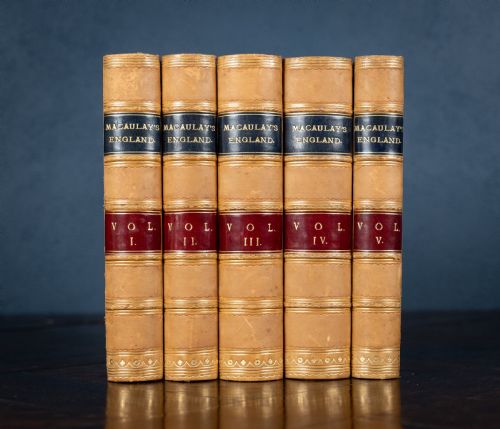
Binders utilised sturdy organic materials including calfskin leather, vellum, cloth, and wood to construct durable covers capable of protecting fragile paper pages. Leather bindings frequently received treatment with gold leaf to impress gilt titles, floral motifs, and decorative borders onto spines and boards. Specialised applications incorporated brass hardware, such as clasps and hinges, alongside painted wood panels.
Techniques relied upon manual folding, sewing signatures together onto cords or tapes, and attaching boards before applying outer coverings. Artisans used tooling irons heated by hand to press decorative patterns and lettering into the leather surfaces, sometimes utilising blind stamping without gold. Vellum was stretched and adhered directly over boards, providing a smooth, resilient white surface that aged distinctively over decades.
Antique Book Binding Retail Price Guide 2026
Typical asking prices for book binding among the pieces listed under this phrase on Sellingantiques today, from the lower quarter to the upper quarter. They describe what is for sale here now, not the wider market.
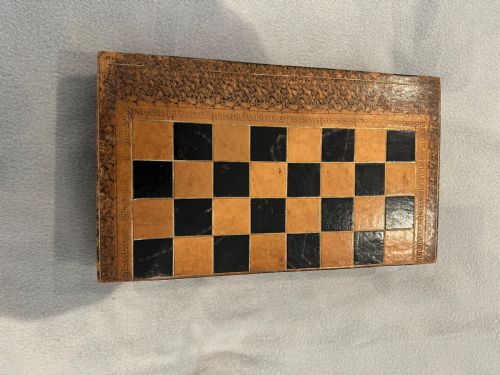
Some bindings hide chessboards and game pieces inside disguised leather covers, fooling unsuspecting visitors into reading a game of strategy.
Distinctions in Quality
Quality rests upon the integrity of the materials and the precision of the binding technique applied by the maker. Superior volumes display finely grained calfskin or unblemished vellum that retains flexibility, alongside crisp, deep impressions from gold leaf tooling. Inferior or heavily degraded examples suffer from brittle leather, detached boards, and faded or flaking gilt work.
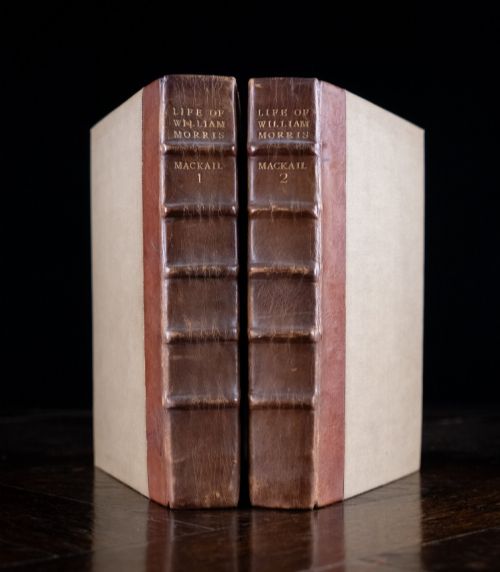
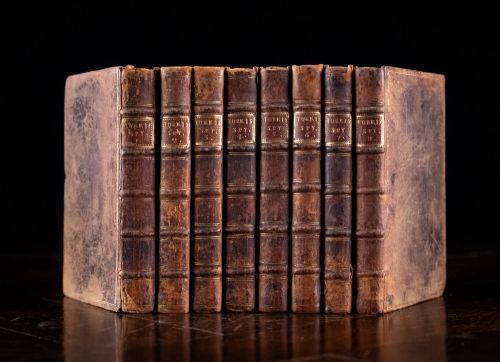
The artistic ambition of the binding elevates certain pieces, particularly where custom tooling, multi-tone leather inlays, or hand-painted wooden covers are present. Complete uniform sets maintaining matching spines and original boards command greater interest than mismatched volumes assembled later. The harmony between the original text block and its housing dictates the overall coherence of the piece.
Icilio Federico Joni
The Antique Book Binding Glossary
- Vellum
- A fine parchment made from calfskin, stretched and treated to create a smooth, durable writing and binding surface. It appears frequently on older or specialised book covers.
- Gilt tooled
- A decorative technique where gold leaf is pressed into leather using heated metal tools to create shiny lettering or ornamentation. This method defines many fine nineteenth-century spines.
- Calfskin
- A soft, supple leather derived from the skin of a calf, utilised widely for high-end historical book bindings. It accepts tooling exceptionally well and develops a rich patina over time.
- Blind stamping
- An embossing method that presses a design into leather without using gold leaf or colour, relying entirely on depth and shadow. It creates subtle, textured patterns on period covers.
- Tavolette
- Painted wooden book cover bindings, associated with Italian aesthetic traditions such as the Sienese Biccherna. These panels function as standalone decorative artworks.
Antique Book Binding: Frequently Asked Questions
How do I care for leather bindings?
Leather requires stable humidity and protection from direct sunlight to prevent the material from drying out and cracking over time. Keeping the books in a well-ventilated space helps preserve the natural oils within calfskin covers.
Handling volumes gently by the middle of the spine rather than pulling them by the headcap prevents structural damage. Dusting them regularly with a soft, dry cloth maintains the surface without introducing moisture.
Are these books complete texts?
Most listings specify whether a volume is part of a multi-volume set, a complete standalone work, or repurposed as a decorative object. Sets often span several volumes published together, such as historical novels or collected essays.
Certain items are decorative faux books designed to function as games boards or storage boxes rather than readable literature. Checking the individual description clarifies whether the pages inside remain intact.
How do I identify the period of a binding?
Dating relies upon a combination of typography, paper characteristics, and the specific style of the leather tooling applied to the exterior. Victorian and Edwardian bindings often feature elaborate blind stamping and distinctive publisher cloth or calfskin designs.
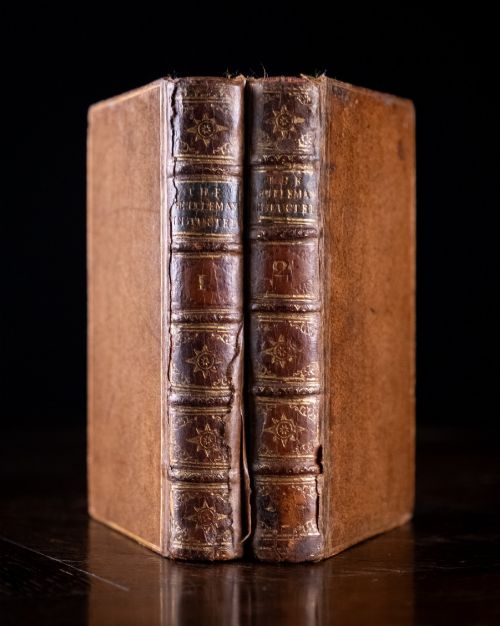
Earlier eighteenth-century examples display characteristic spine raised bands, marbled endpapers, and hand-pressed typography. Comparing the binding style with the printed date on the title page confirms the era.