

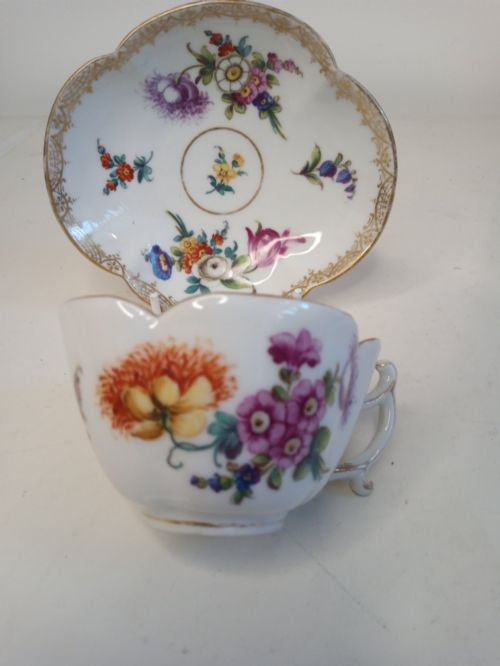


Antique Bone China Set
An antique bone china set brings the height of English porcelain craftsmanship and painted decoration directly to the table.
Antique Bone China Set
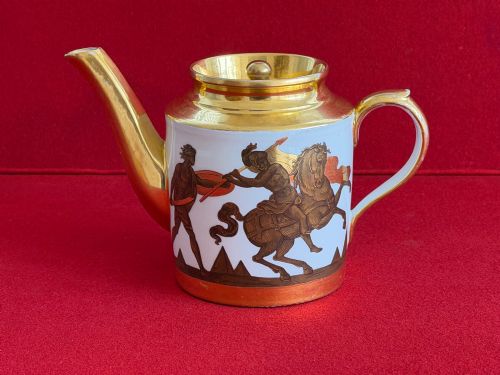
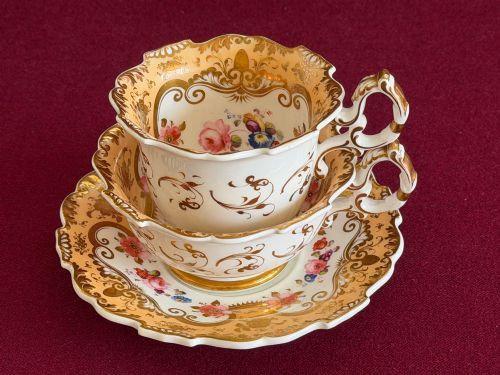
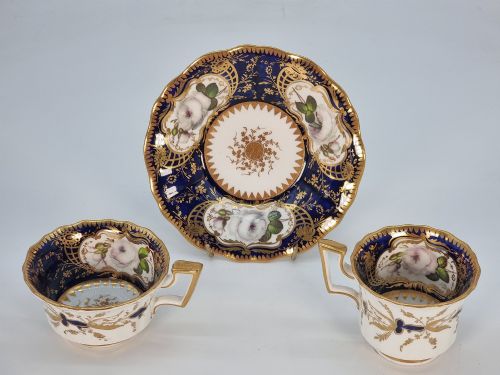
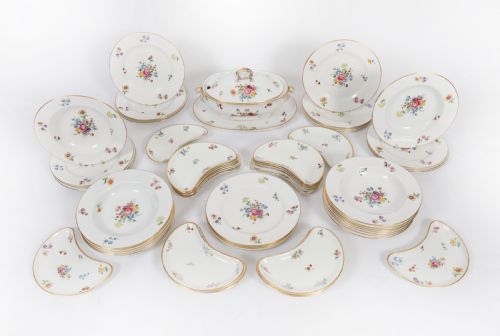
When searching for an antique bone china set, collectors encounter varied service forms ranging from intimate trios and afternoon tea groups to larger dessert and dinner services. These groupings span multiple stylistic eras, including Regency, Victorian, Edwardian, and Art Deco periods, each reflecting the changing domestic habits of past centuries.
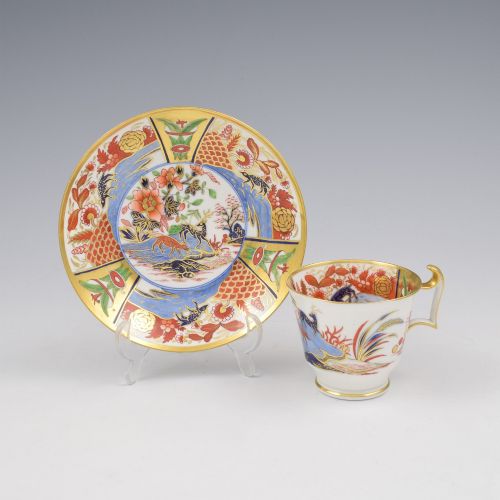
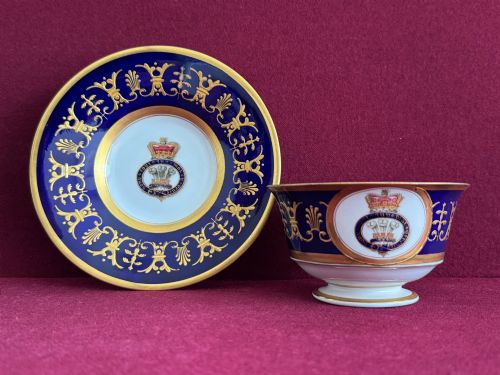
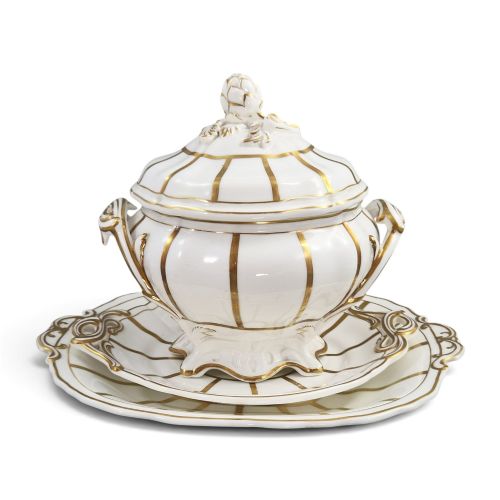
The objects themselves manifest as teacups and saucers, coffee cups, sauce tureens, and comprehensive tea services produced by historic English factories. Most examples combine utilitarian function with ornamental refinement, utilising shapes like the Shrewsbury shape or Bat Wing pattern to define their period origin.
Distinctions in quality and execution
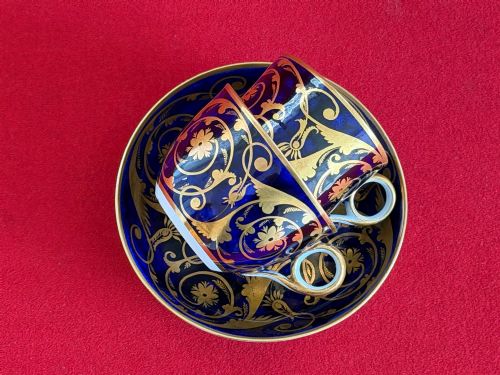
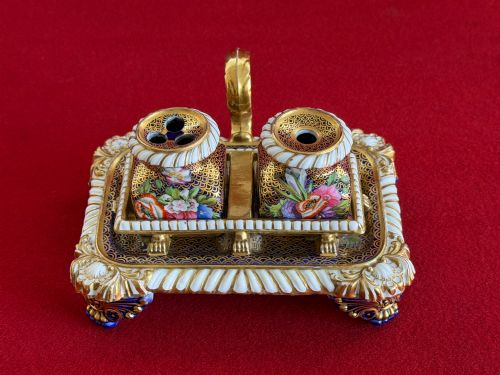
Quality separates through the finesse of the hand painting, the precision of the gilding, and the translucency of the ceramic body itself. Superior pieces display crisp, detailed brushwork executed by named or skilled factory artists rather than basic stencilled outlines.
The architectural elegance of the form, such as well proportioned handles and balanced saucer depths, also dictates the calibre of the set. Consistency across all matching components of a service indicates a higher standard of original factory production.
Antique Bone China Set Retail Price Guide 2026
Typical asking prices for bone china set among the pieces listed under this phrase on Sellingantiques today, from the lower quarter to the upper quarter. They describe what is for sale here now, not the wider market.
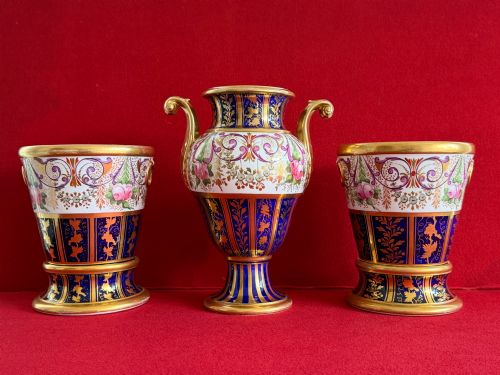
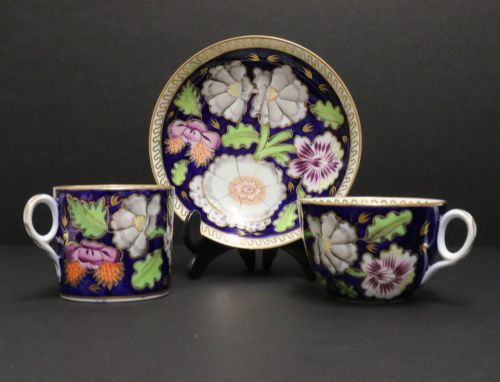
Early nineteenth century cabinet pieces proudly display pattern names like 'Crazy Cow' and 'Bengal Tiger' alongside delicate floral tea services.
Spode Porcelain·Barr And Barr Worcester·H And R Daniel·Royal Crown Derby·Coalport·Davenport·Copeland·Royal Worcester·Shelley·Minton·Wedgwood·Doulton
The Antique Bone China Set Glossary
- Trio
- A matched set consisting of a teacup, saucer, and matching side plate. This configuration became a staple of nineteenth century English tea drinking.
- Gilding
- The application of gold leaf or gold paint to ceramic surfaces for decoration. Skilled artisans used this technique to highlight rims, handles, and moulded details.
- Bone china
- A type of soft porcelain composed of clay mixed with bone ash. This material yields a strong, translucent body suited to thin walled vessels.
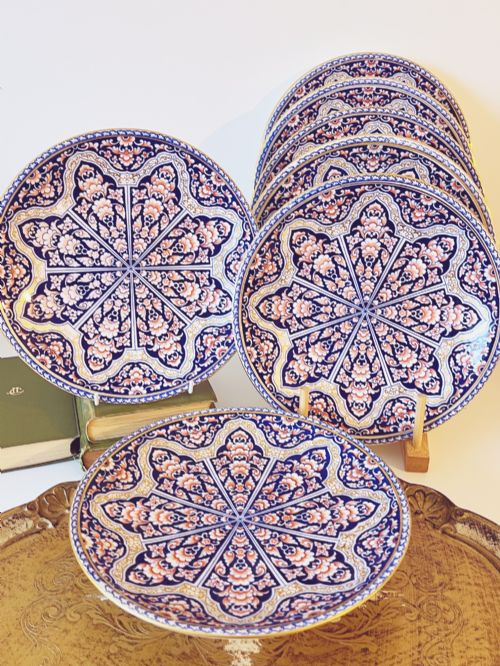
- Imari
- A decorative style inspired by Japanese export porcelain featuring deep cobalt blue, iron red, and gilt ornamentation. English potteries adopted this palette during the Regency and Victorian periods.
- Sauce tureen
- A covered serving dish designed for gravies or sauces. These pieces formed part of larger nineteenth century dinner and dessert services.
Antique Bone China Set: Frequently Asked Questions
What is a true trio?
A true trio consists of a matching teacup, saucer, and side plate originating from the same factory production batch. These sets provide a unified aesthetic for formal afternoon tea service.
Collectors prize true trios because stray pieces were frequently substituted over time. Finding a complete, untouched group confirms the original integrity of the set.
How do I date an English tea set?
Dating relies upon factory backstamps, shape names, pattern numbers, and stylistic markers such as Regency handles or Art Deco geometric motifs. Reference marks often correspond to specific decades of production.
Comparing the paste texture and enamel colours against known factory timelines helps narrow the date range. Subtle variations in baseline forms indicate specific manufacturing periods.
Can I use antique china daily?
Using antique bone china requires careful handling, hand washing with mild soap, and avoiding sudden thermal shock from boiling water or microwaves. Historic enamels and gold leaf can wear down with aggressive cleaning.
Many collectors prefer to reserve these sets for special occasions to preserve the hand painted surfaces. Gentle usage ensures the survival of delicate handles and thin porcelain bodies.
What does blush ivory mean?
Blush ivory refers to a specialised ceramic ground finish developed by factories like Royal Worcester in the late nineteenth century. It creates a warm, creamy matte appearance resembling natural ivory.
This background was typically decorated with hand painted floral motifs and enriched with raised gilding. The technique captures the aesthetic tastes of the late Victorian period.