

Antique Bone Box
An antique bone box brings tactile history to a desk or dressing table, offering small-scale craftsmanship from past centuries.
Antique Bone Box
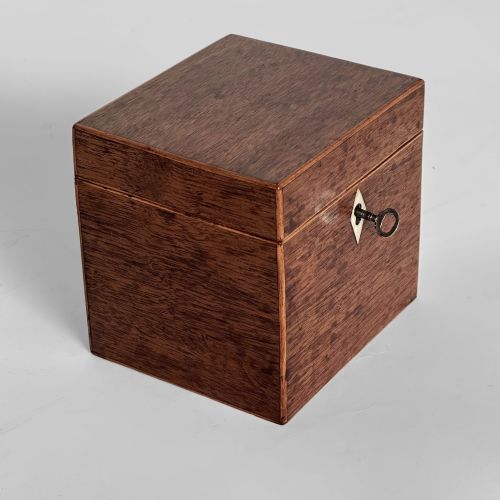
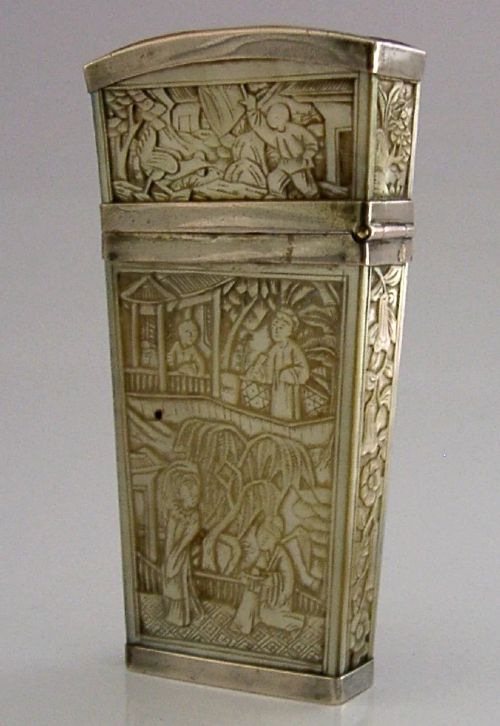
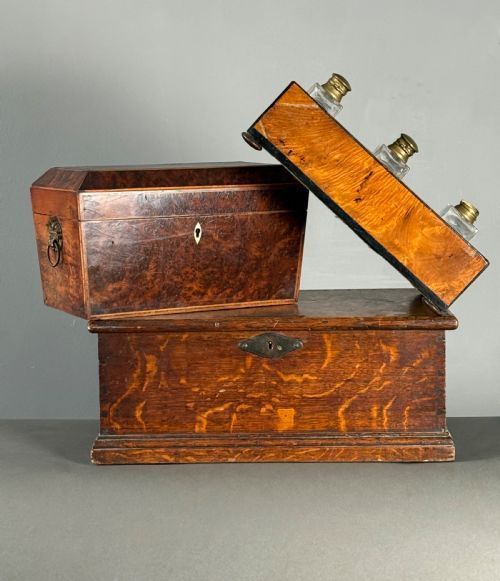
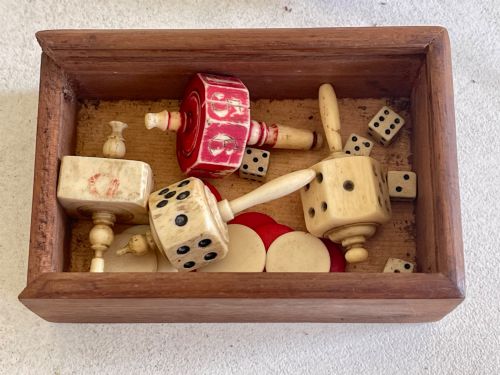
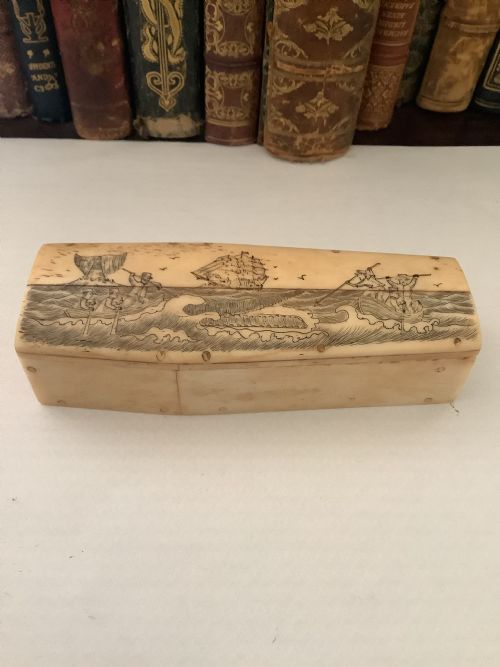
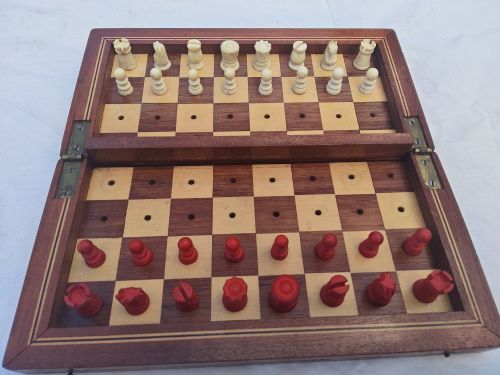
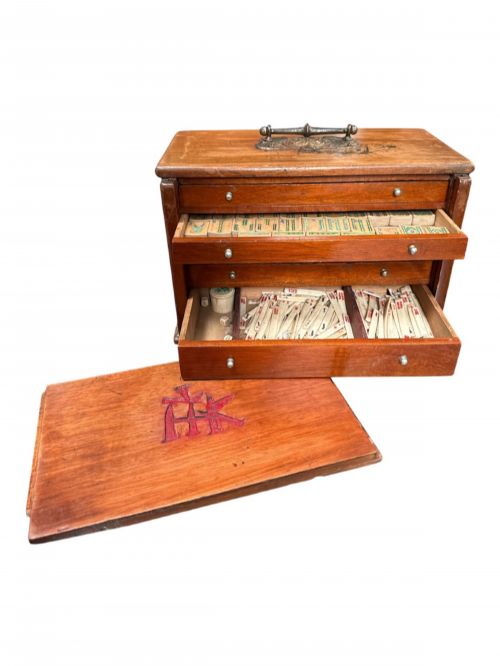
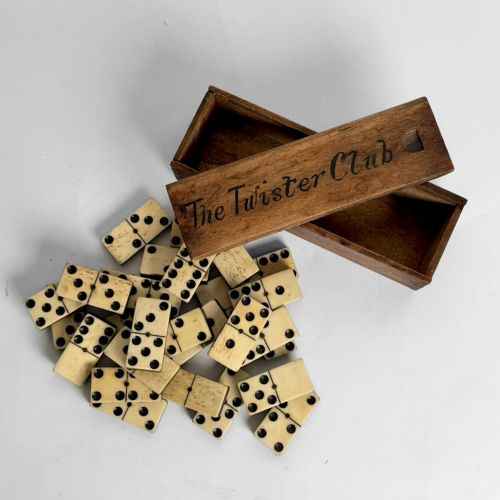
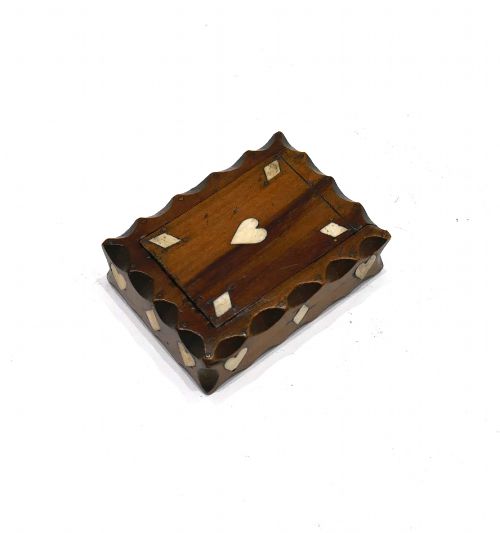
When searching for an antique bone box, collectors encounter a diverse range of functional receptacles spanning the eighteenth, nineteenth, and early twentieth centuries. These pieces appear in forms as varied as small pocket snuff containers, stationery holders, tea caddies, and fitted gaming sets.
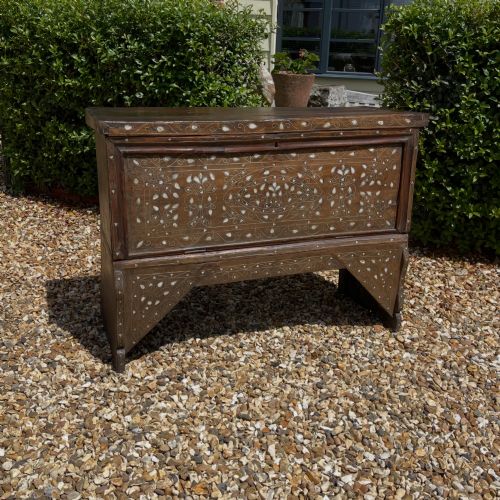
The objects originate from varied workshops across English, Anglo-Indian, Chinese Export, and Middle Eastern traditions. The nineteenth-century examples, particularly those associated with prisoner of war work or treen production, form a large portion of the items met on this page.
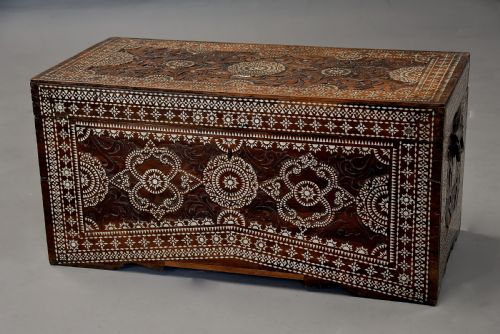
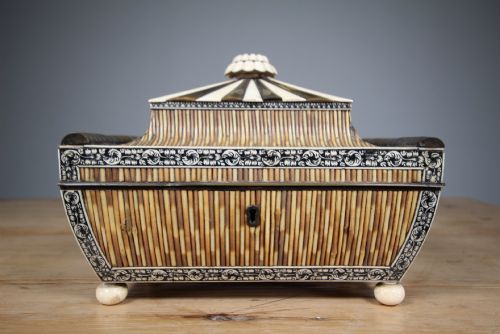
Varying styles reflect distinct regional aesthetics, moving from austere Georgian outlines to intricate Victorian folk art, Sadeli mosaic, and porcupine quill decoration. Each piece serves as a physical record of domestic habits, travel, and material culture from its period of origin.
Materials and construction methods
Construction relies heavily on combining dense organic skeletal material with structural hardwoods such as mahogany, ebony, walnut, fruitwood, and partridge wood. Artisans shaped bone through carving, turning on lathes, and slicing into thin veneers to build geometric patterns.
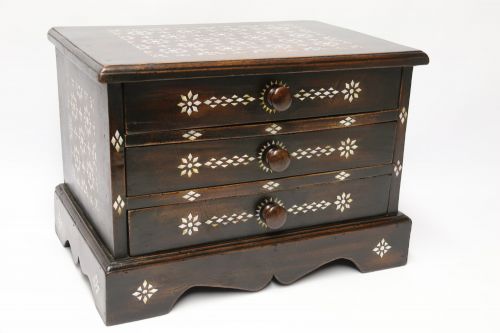
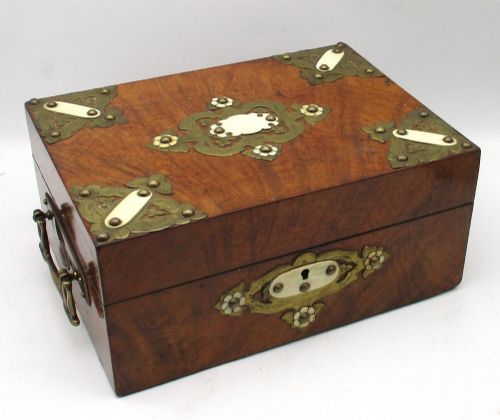
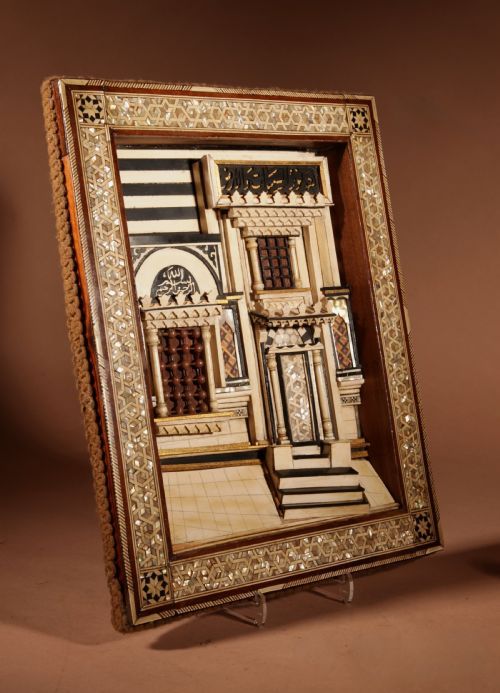
Inlay techniques frequently incorporate contrasting elements like brass, metal, mother-of-pearl, and ebony alongside bone components. Regional traditions utilised specific methods, such as the micro-mosaic Sadeli work seen on Anglo-Indian pieces or the minute interlocking joints found in Prisoner of War items.
Listings feature eighteenth-century work, Victorian folk art, and nineteenth-century Anglo-Indian boxes combining bone, porcupine quill, and ebony.
Markers of distinction and finesse
Quality rests upon the precision of the carving, the tightness of the joinery, and the integrity of the inlaid veneers. Superior pieces display crisp linear definition in geometric patterns and fine sculptural depth in figural or architectural relief elements.
The graduation between standard utility items and masterwork examples depends on the complexity of the internal fittings, the retention of original surface patination, and the harmonious integration of multiple materials like brass, wood, and bone.
The Antique Bone Box Glossary
- Treen
- Small handmade wooden objects for domestic use. These pieces often feature contrasting bone inlay and date from the nineteenth century.
- Sadeli
- A complex micro-mosaic technique utilised on Anglo-Indian boxes. Artisans assembled tiny geometric rods of bone, horn, and metal into intricate patterns.
- Caddy
- A container designed originally for storing tea leaves. Examples often feature internal compartments lined with wood and decorated with bone trim.
- Teetotum
- A small multi-sided spinning die used for gambling games. Prisoners of War frequently carved these items from cattle bone during the Napoleonic era.
- Quill box
- A decorative receptacle adorned with porcupine quills. These items are typically associated with nineteenth-century Ceylonese and Anglo-Indian craftsmanship.
Antique Bone Box: Frequently Asked Questions
What were antique bone boxes used for?
These receptacles served numerous domestic and personal functions across past centuries, holding items like dry tea leaves, playing cards, sewing implements, and tobacco. Wealthy households utilised them on dressing tables and writing desks for precious trinkets and correspondence.
Smaller formats accompanied owners during travel, securing snuff, gaming counters, or drawing instruments. Their secondary role was purely decorative, displaying fine craftsmanship in public rooms.
How do I care for antique bone?
Organic materials require stable environmental conditions away from direct sunlight, radiators, and rapid humidity fluctuations. Excessive dryness causes bone to become brittle and prone to cracking.
Dusting should occur gently with a dry, soft brush rather than liquid cleaners or polishes. Natural oils on fingers can discolour old bone over extended periods, so handling with clean hands is advisable.
How can I tell the period of a box?
Dating relies on examining construction techniques, hardware, timber choices, and decorative motifs characteristic of specific eras. Georgian examples often display restrained classical proportions, whereas Victorian pieces frequently exhibit heavier ornamentation and folk art styles.
Internal linings, paper labels, and the ageing patination of the underlying wood provide additional chronological clues. Comparing the construction of joints and hinges against known period pieces helps narrow down the decade of manufacture.