





Antique Boarded Box
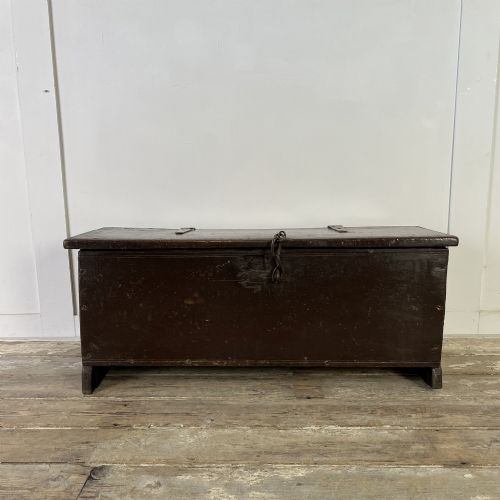
An antique boarded box holds simple utility in thick planks of oak joined by pegged ends.
Antique Boarded Box
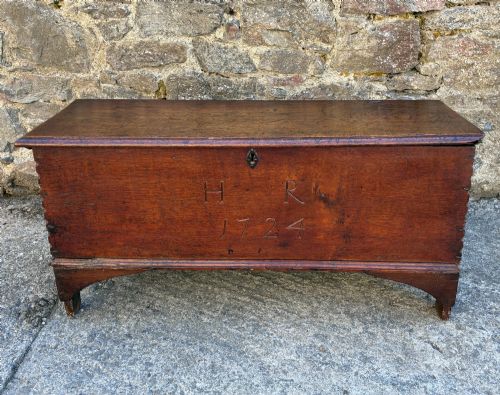
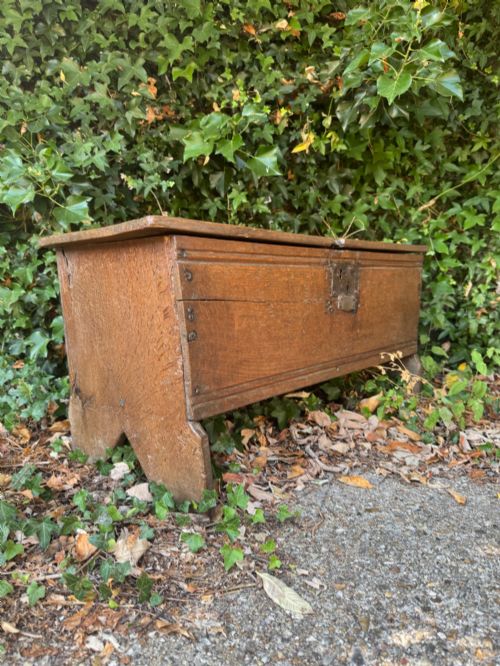
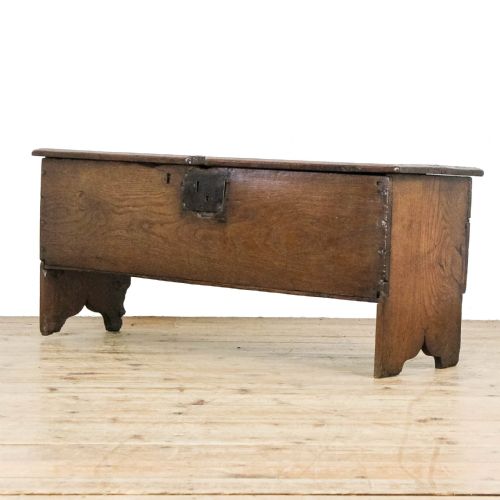
When you search for an antique boarded box, you meet sturdy storage vessels constructed from upright planks joined directly at the edges rather than built around a separate internal frame. These utilitarian containers appear most frequently in heavy oak, often taking the form of six-plank coffers or sword chests from the sixteenth and seventeenth centuries.
Early vernacular makers relied on this straightforward construction method for domestic storage, producing pieces that served multiple household roles. The listings on this page reflect this heritage, showing heavy plank construction alongside later regional variations in elm and pine.
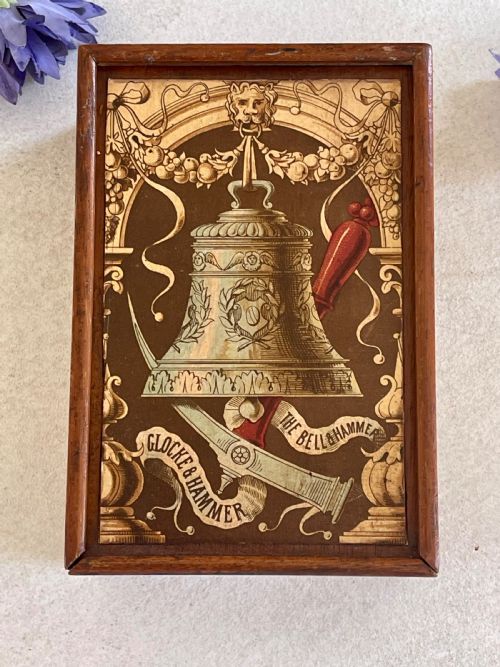
Beyond the basic storage chests, the category broadens to include smaller domestic containers made from various woods, though the core of the search remains rooted in heavy boarded construction.
How they were made
Makers constructed these pieces using thick boards of native timber, principally oak, joined at the corners with pegged tongue-and-groove joints or straightforward butt joints reinforced with iron nails or wooden dowels. The surfaces were often hand-adzed or planed, leaving visible tool marks that record the manual labour of early carpentry.
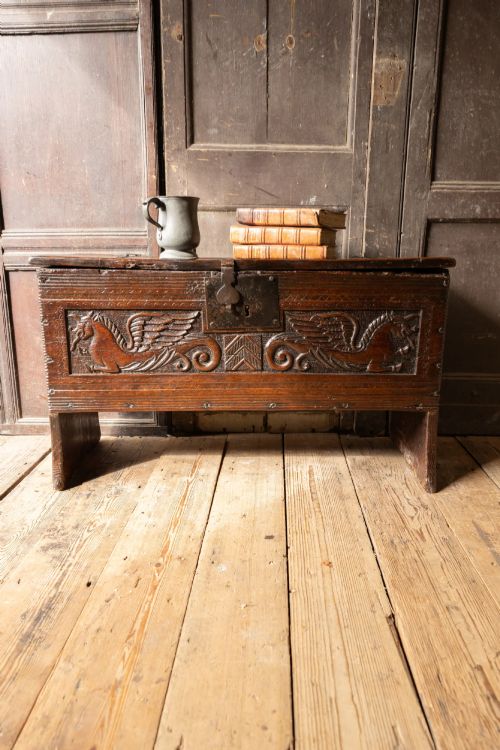
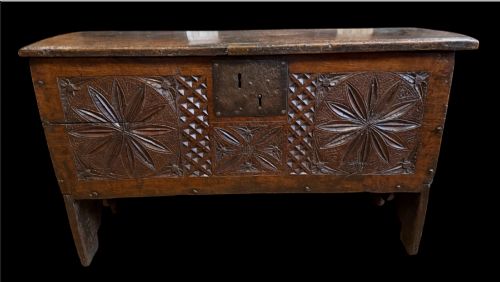
Decoration on the earliest examples involves shallow chip-carving, incised geometric patterns, or carved winged fantastic beasts, executed directly onto the solid timber face rather than applied as separate mouldings.
Antique Boarded Box Retail Price Guide 2026
Typical asking prices for boarded box among the pieces listed under this phrase on Sellingantiques today, from the lower quarter to the upper quarter. They describe what is for sale here now, not the wider market.
Some early boarded chests feature wonderfully aggressive carved beasts peering out from the front panel to ward off curious hands.
What varies in quality
The distinction between ordinary utility and higher quality lies in the integrity of the original boards and the depth of the early carved decoration. Pieces retaining their original baseboards, lid hinges, and untouched surface patination command greater appreciation among collectors.
Proportion and restraint in any carving also dictate the visual strength of the piece, separating straightforward domestic work from more ambitious regional craftsmanship.
The Antique Boarded Box Glossary
- Boarded box
- A storage container constructed from flat planks joined directly edge-to-edge without a structural internal frame.
- Six-plank coffer
- A simple chest built from six distinct pieces of timber representing the floor, lid, ends, front, and back.
- Sword chest
- A narrow, elongated chest historically used for storing personal weaponry, appearing frequently in seventeenth-century oak.
- Vernacular furniture
- Items made by local craftsmen for everyday domestic use, drawing on regional traditions rather than metropolitan court styles.
- Pegged joint
- A method of securing timber components using hand-whittled wooden dowels driven through pre-drilled holes.
Antique Boarded Box: Frequently Asked Questions
What were antique boarded boxes used for?
These robust containers served households as secure storage for valuable textiles, documents, and personal belongings. Their solid construction protected contents from dampness and pests in early domestic interiors.
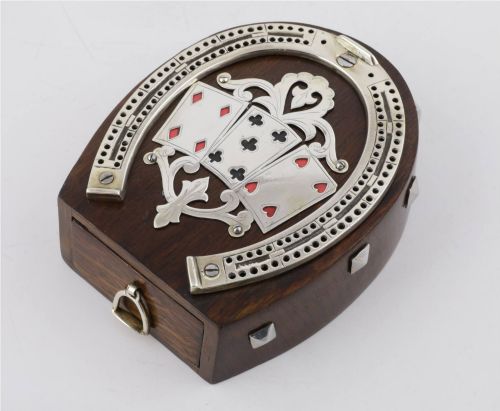
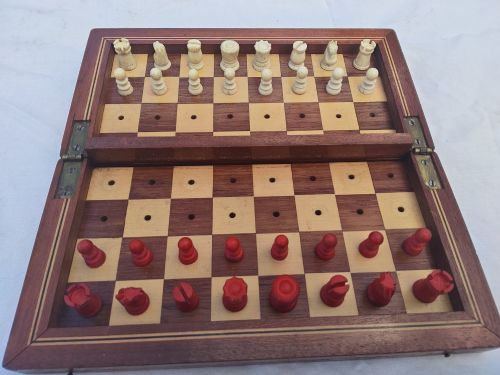
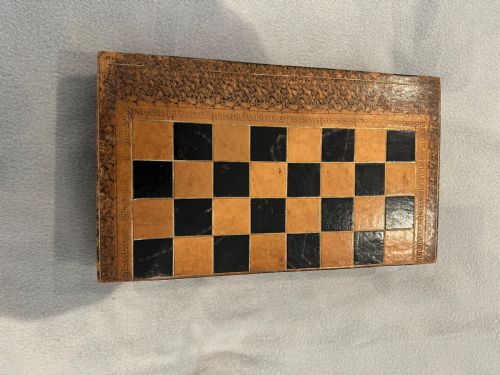
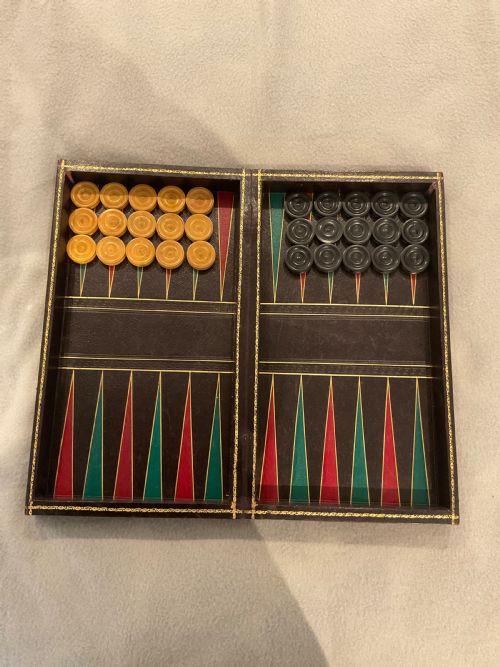
Over subsequent centuries, smaller variants evolved to hold specialised items like games equipment or writing materials while retaining the fundamental box form.
How do I date an early oak boarded box?
Dating relies heavily on examining the tool marks, construction methods, and the style of any carved ornamentation. The use of hand-split boards and pegged joints typically points towards sixteenth or seventeenth-century vernacular production.
Secondary indicators include the presence of early iron strap hinges and the overall weathering of the native oak timber.
Are these chests heavy to move?
The reliance on thick solid oak planks means these containers possess considerable physical weight. Their heavy construction was intended for permanent placement against walls rather than frequent relocation.
Smaller variants in lighter timbers or regional elm offer more manageable proportions for modern domestic settings.
How should I care for an old oak box?
Maintaining these wooden pieces involves keeping them away from direct heat sources and sudden humidity shifts that cause timber to split. Regular dusting with a dry cloth preserves the dry patination of the aged surface.
Applying occasional specialist wax helps nourish dry oak without creating an artificial gloss.