





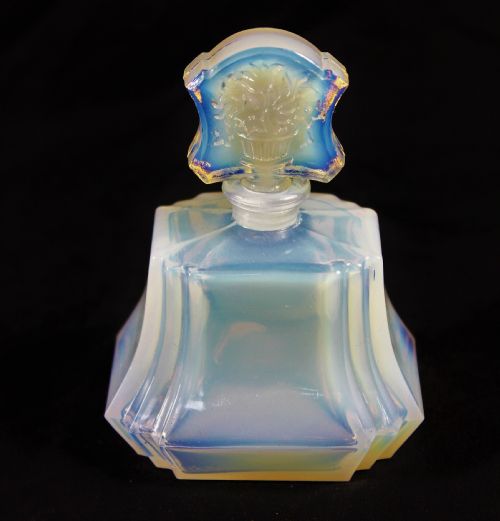


Antique Blue Vanity Bottle
An antique blue vanity bottle brings sapphire and azure tones to dressing tables through centuries of blown glass and silver mounts.
Antique Blue Vanity Bottle
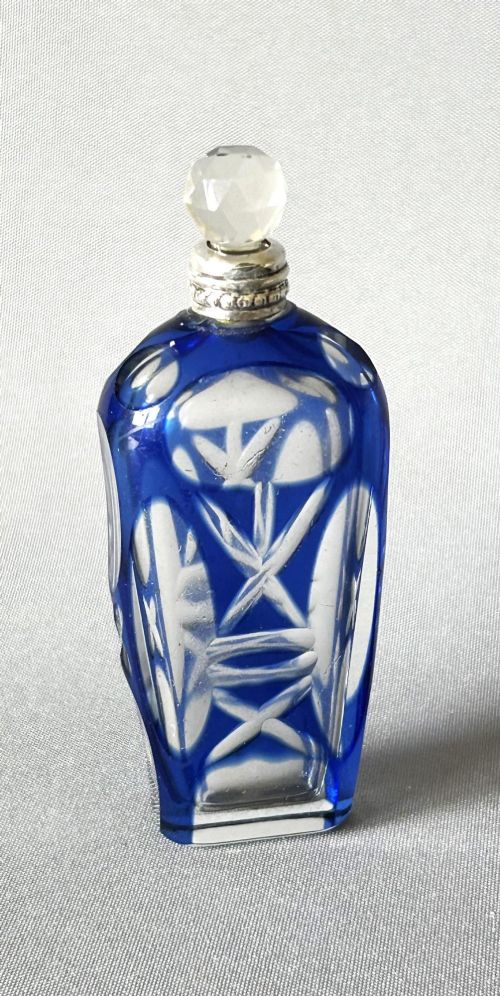
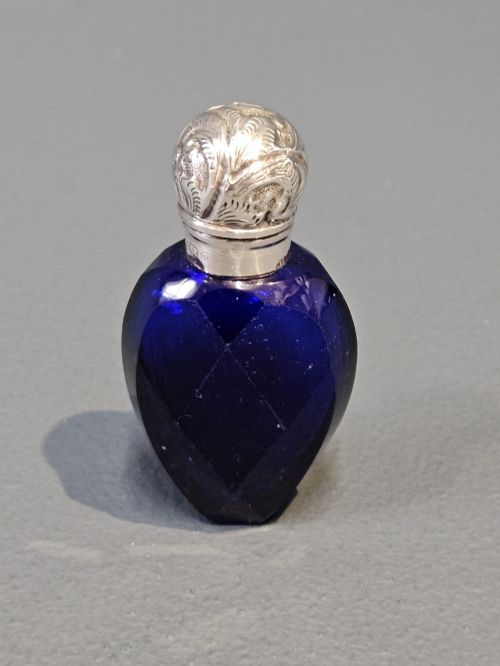
When someone searches for an antique blue vanity bottle, they encounter a range of dressing table containers including scent bottles, perfume bottles, and dressing table jars. These pieces span periods from the Georgian era through the Victorian period and into the Art Deco years of the twentieth century.
The selection on this page relies heavily on nineteenth-century glasswork alongside 1930s opalescent glass pieces. Collectors find everything from Bristol blue glass mounted in sterling silver to intricate French opalescent vessels.
Forms extend beyond standalone scent flasks to incorporate fitted vanity cases and dressing boxes lined with velvet and fitted with brass hardware. Each object reflects the personal grooming habits and dressing room elegance of its era.
Materials and construction
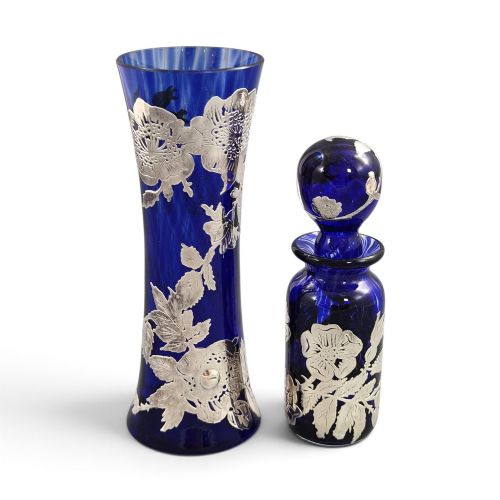
Glass forms the primary body of these vessels, utilising techniques such as pressing, cutting, and blowing to achieve deep cobalt hues or milky opalescent finishes. Makers combined this blue glass with sterling silver tops, gilt mounts, and delicate brass accents.
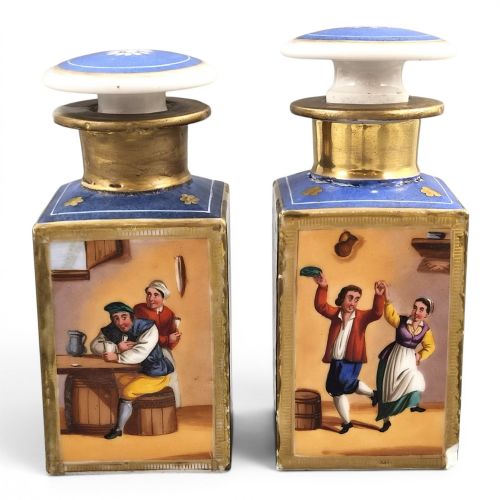
Surface decoration frequently involves hand-painted scenes, guilloche enamel, and intricate murrine work fused directly into the body. Fitted boxes integrate timber frames like walnut and kingwood with velvet interiors to cradle individual glass flasks securely.
Antique Blue Vanity Bottle Retail Price Guide 2026
Typical asking prices for blue vanity bottle among the pieces listed under this phrase on Sellingantiques today, from the lower quarter to the upper quarter. They describe what is for sale here now, not the wider market.
Listings span from Georgian and Regency travelling cases to Victorian Bristol blue glass and 1930s French opalescent perfume bottles.
Distinctions in quality
Quality rests upon the crispness of the glass mouldings and the precision with which metal mounts fit the vessel necks. Superior pieces display hand-finished details, clear hallmarks on silver components, and unblemished enamel work without chips or restoration.
Signatures from notable designers and documented workshop origins elevate the standing of individual pieces above unmarked utilitarian containers. The integrity of internal stoppers and the original condition of fitted travelling cases further divide standard examples from exceptional finds.
Jacob Petit·Franchini And Bigaglia·Rene Lalique·Sabino
The Antique Blue Vanity Bottle Glossary
- Guilloche enamel
- A decorative technique where precise patterns are engine-turned into metal beneath a translucent layer of coloured enamel. This method creates shimmering geometric effects popular on twentieth-century vanity items.
- Opalescent glass
- A milky glass type that diffuses light and displays iridescent blue or orange tones depending on the angle of illumination. It defines many iconic French pieces from the interwar period.
- Murrine
- Coloured glass rods heated and drawn out, then sliced to reveal complex cross-sectional patterns embedded within the main vessel body. This Italian technique demands high technical skill from the glassblower.
- Bleu de Roi
- A deep, rich royal blue ceramic and glass colour developed in eighteenth-century France. Pieces utilising this shade often feature hand-painted figural or landscape panels.
Antique Blue Vanity Bottle: Frequently Asked Questions
How do I clean an antique scent bottle?
Wash the glass gently using warm water and mild soap, avoiding harsh abrasives that might damage historic surfaces. Keep moisture away from silver mounts and enamel panels to prevent corrosion.
Allow the bottle to dry completely upright before replacing any stopper. Old glass can be fragile, so ultrasonic cleaning machines should be avoided entirely.
Are stoppers usually original?
Many surviving bottles retain their matched glass or silver-plated stoppers, though replacements occur frequently due to accidental breakage over time. Examining the ground glass fit helps determine if the stopper belongs to the neck.
Slight variations in colour or wear patterns often indicate a replacement piece. Collectors prefer matching components but accept period replacements when quality remains high.
How do I date a blue glass bottle?
Dating relies on a combination of manufacturing marks, silver hallmarks, stylistic cues, and glass tint characteristics. Georgian and Victorian pieces often show pontil scars and hand-cut facets, while 1930s items display machine moulding and signature stamps.
Comparing the object against documented maker outputs clarifies the production decade. Metal stamps provide the most reliable chronological anchors when present.
Can I use these bottles for perfume?
Most antique bottles function adequately for holding modern liquids, provided the interior is clean and the stopper seals correctly. Historic cork liners inside silver caps often require replacement to prevent leaks.
Volatile oils can sometimes affect vulnerable enamel or historic glass interiors over extended periods. Many collectors prefer displaying them empty to preserve their delicate interior surfaces.