




Antique Blue Book
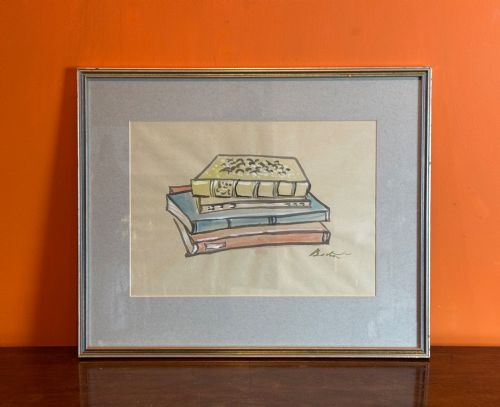
These antique blue book selections bring together bound volumes, prints, and panels spanning the nineteenth and early twentieth centuries.
Antique Blue Book
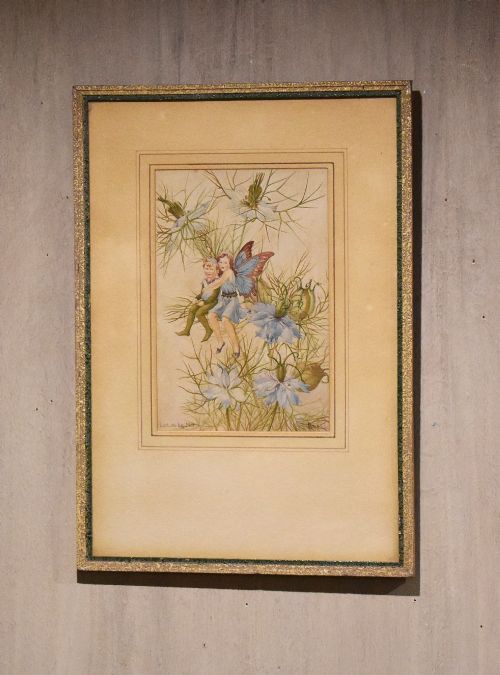
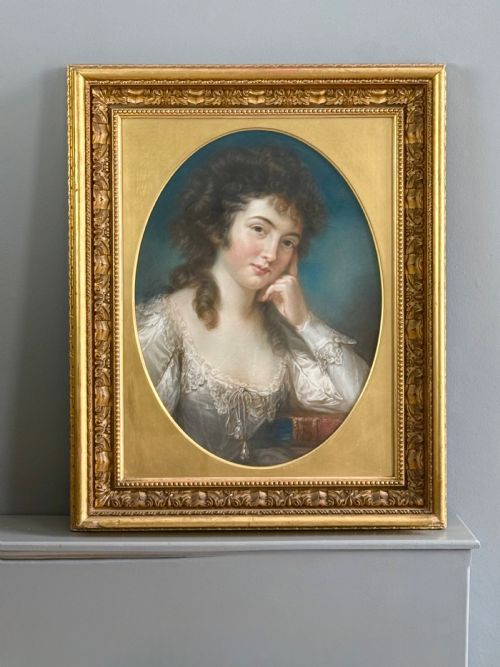
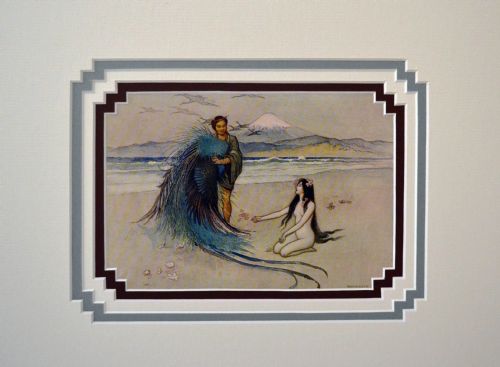
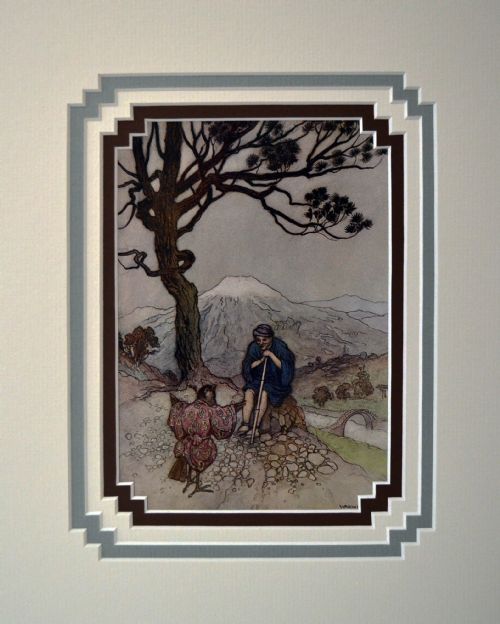
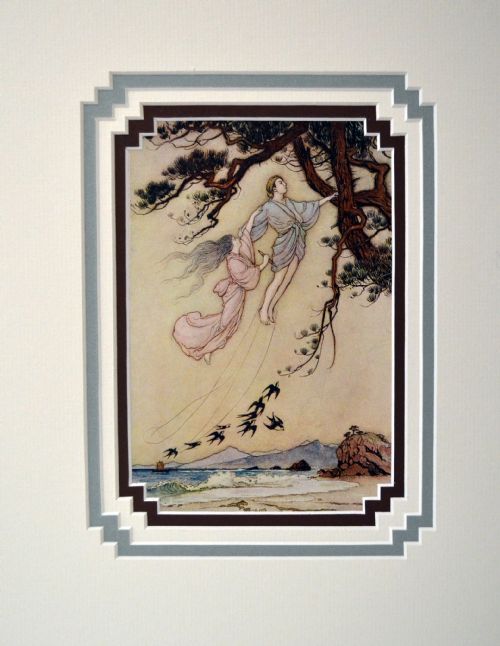
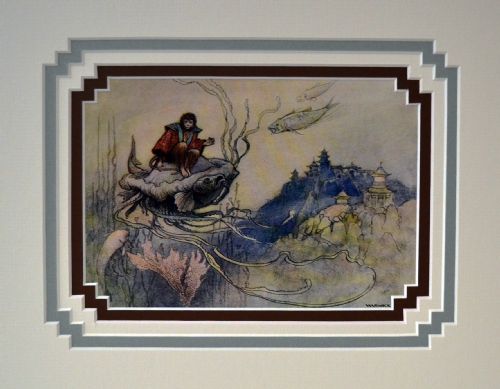
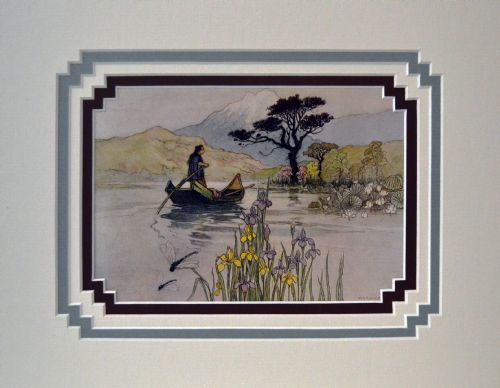
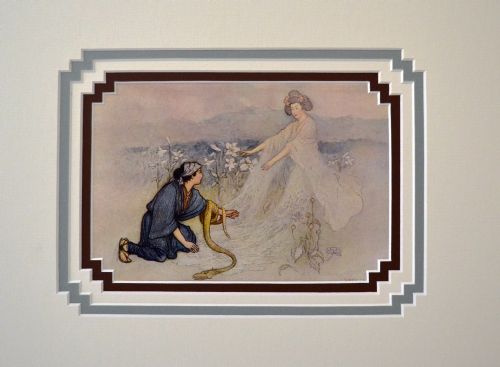
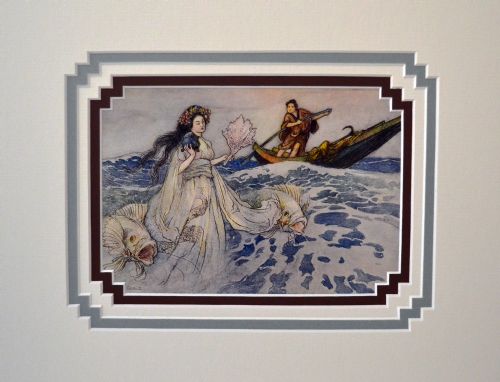
When you search for an antique blue book, you encounter a diverse range of bound volumes, individual prints, and decorative bindings that span from the English Regency period through the Edwardian era. The pieces listed here incorporate works such as first edition prints by Warwick Goble, hand-written poetry, German cartography atlases, and French publications.
Most items you will meet on this page date from the nineteenth century up to the 1920s, encompassing various forms from framed book cover bindings to complete memoirs and library bookcases. These objects bridge the gap between literature and visual art, offering tactile connections to past centuries.
Materials and construction
The construction of these pieces relies heavily on traditional bookbinding materials, including leather, cloth, cardboard, paper, and card, often complemented by fine gilding. Volumes are frequently bound with sturdy board and finished with detailed paper or leather outer layers to protect the text blocks within.
Visual works within this category utilise ink on paper, mount board, and glass for framing, while specific decorative panels incorporate painted wood. Bindings sometimes feature precious metals or specialised pigments, such as the sterling silver and blue agate elements found in related page markers.
Antique Blue Book Retail Price Guide 2026
Typical asking prices for blue book among the pieces listed under this phrase on Sellingantiques today, from the lower quarter to the upper quarter. They describe what is for sale here now, not the wider market.
Someone once bound their private poetry in Regency leather so carefully that gentlemen's private verses survived two centuries to be read today.
Judging quality in bindings and prints
The distinction between tiers of quality rests on the integrity of the original binding, the crispness of the printing or hand-written script, and the condition of the materials. Master binderies utilised superior leatherwork and precise gilding that withstands the passage of time better than standard commercial output.
Artistic execution and provenance also elevate certain items, such as signed first editions, original painted wooden bindings, or specialised cartography. Pieces that retain their original structural components without excessive restoration sit comfortably at the higher end of the spectrum.
Warwick Goble·Icilio Federico Joni·Henry Young And Son
The Antique Blue Book Glossary
- First edition
- The earliest printed commercial release of a book, highly prized by collectors for its proximity to the author's original intent.
- Gilding
- The application of gold leaf or gold dust to the edges, spine, or covers of a bound book to ornament and protect the surface.
- Cartography
- The study and practice of making maps, found in historical atlases and reference books from the nineteenth and early twentieth centuries.
- Tavolette
- Painted wooden book cover bindings originating from historical Sienese administrative traditions, often framed as independent decorative art.
Antique Blue Book: Frequently Asked Questions
How were these books used?
Historical books and atlases served practical purposes as reference materials, personal journals, poetry anthologies, and educational fairy tales.
Many volumes were also designed as decorative household objects, meant to be displayed in libraries or parlours.
How should I care for leather bindings?
Leather bound volumes require stable environmental conditions away from direct sunlight and excessive moisture to prevent the material from drying out.
Handling them with clean hands and supporting the spines when removing them from shelves preserves their structural integrity.
How do I identify Edwardian prints?
Edwardian prints are typically identified by their illustrative styles popular during the reign of King Edward VII, often featuring distinct artistic movements like Art Nouveau.
Checking the publication date and the signature of illustrators such as Warwick Goble helps confirm the period.