

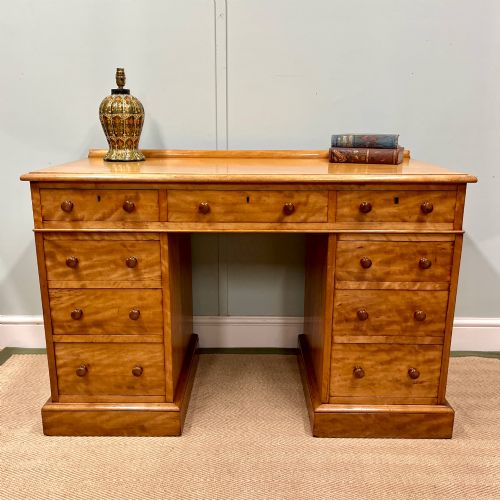


Antique Blond Wood Drawers
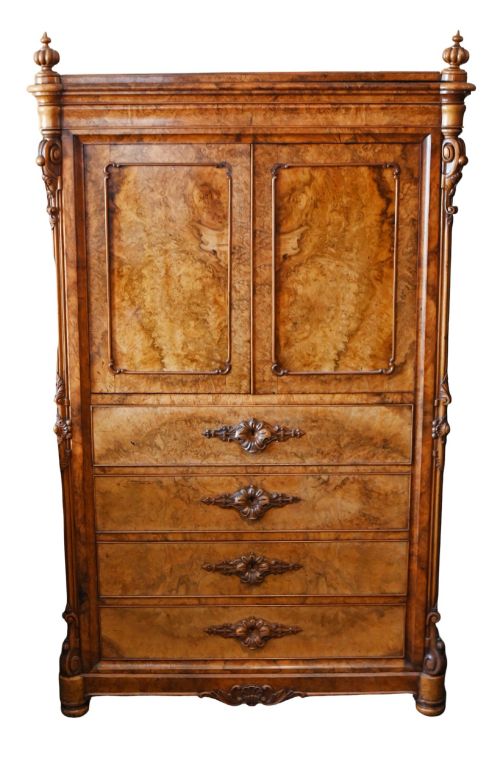
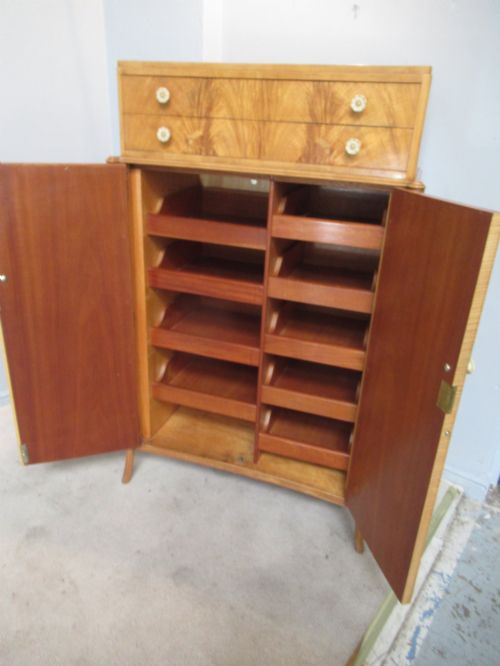
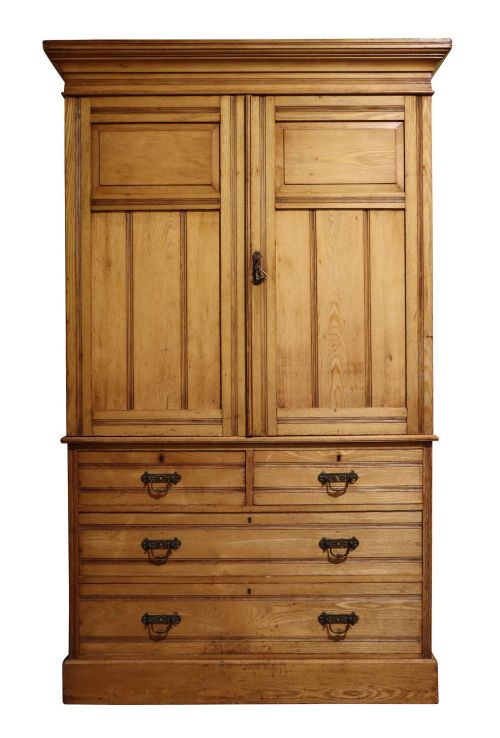
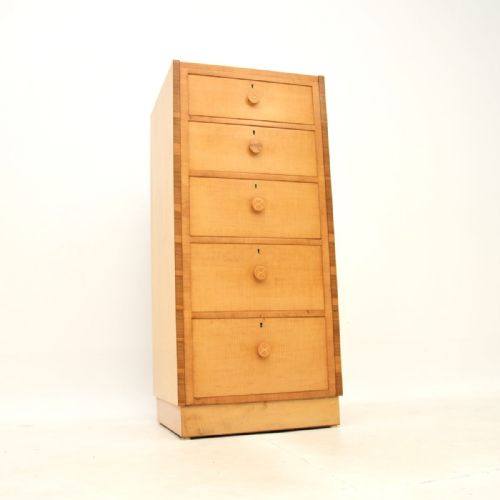
These antique blond wood drawers bring pale, figured timbers like birch, maple and satinwood into domestic spaces, offering both storage and strong grain patterns.
Antique Blond Wood Drawers
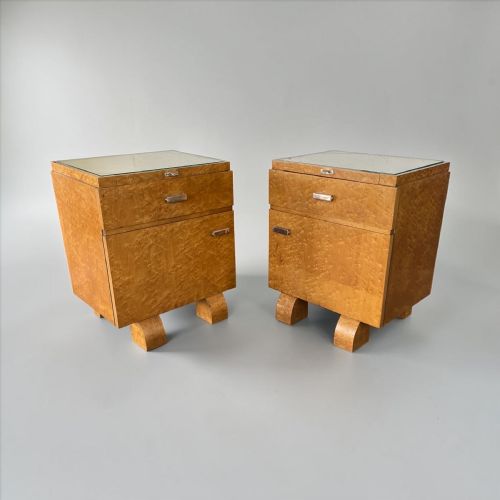
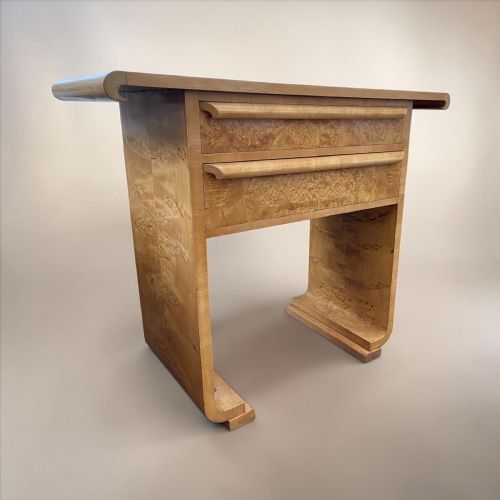
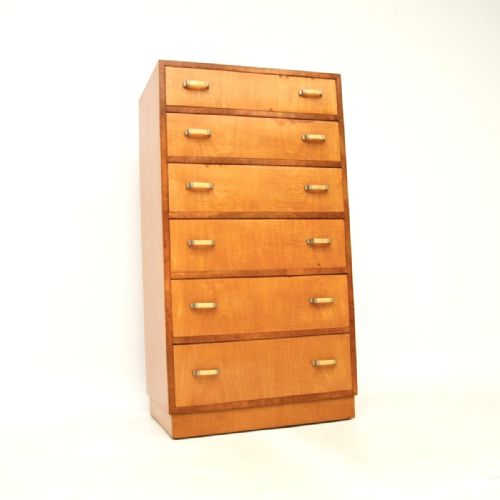
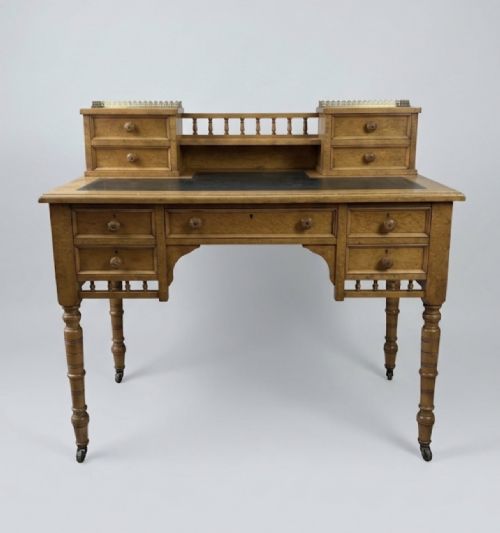
When searching for antique blond wood drawers, buyers encounter a range of forms primarily consisting of chests of drawers, alongside writing desks, linen presses, tallboys and bedside tables. These pieces span periods from the eighteenth century through the Victorian era and into the Art Deco period of the nineteen-thirties.
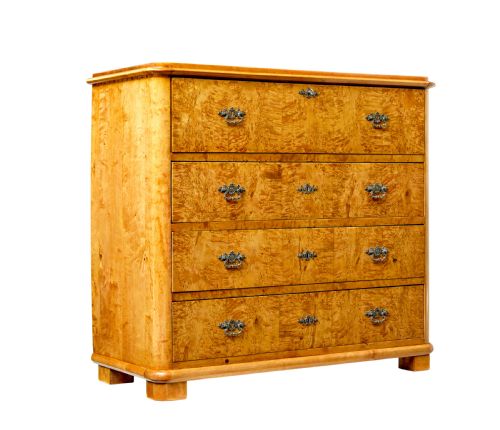
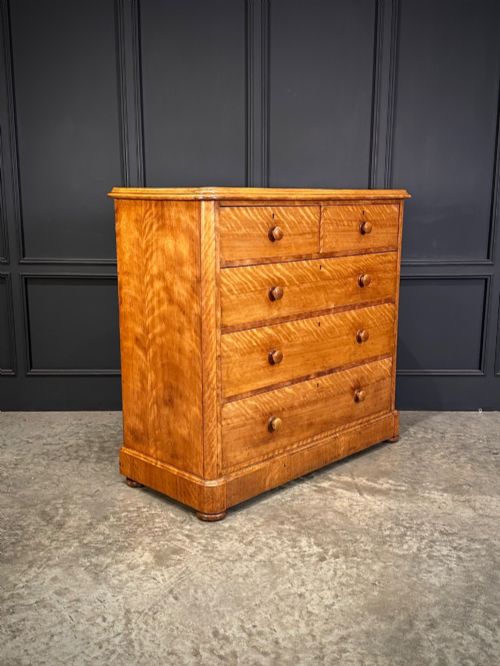
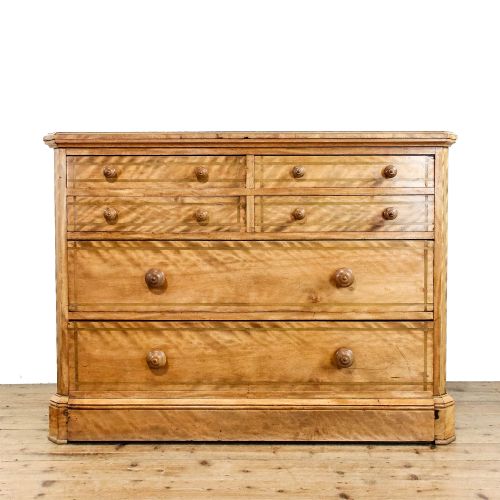
The most common examples on this page are nineteenth-century Swedish chests of drawers rendered in birch, flame birch, and masur birch. Alongside these Scandinavian pieces, English Victorian satinwood and ash items appear frequently, often taking the form of compact bedside drawers or larger storage chests.
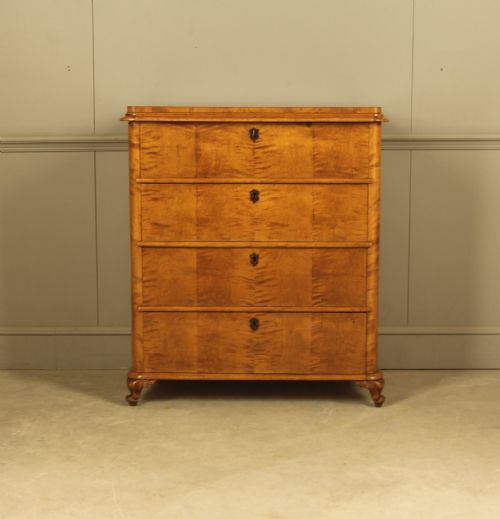
Continental workshops also contribute varied designs, including Biedermeier cabinets and Louis Philippe secretaire desks. The overarching category covers practical household furniture unified by pale timbers and timber veneers rather than a single regional origin.
How they were made
Cabinetmakers utilised pale hardwoods and softwoods, employing birch, satinwood, maple, ash and pine across different elements of construction. Fine veneers such as birds eye maple, burr birch and flame birch were selected for drawer fronts and exterior surfaces to showcase striking natural grain patterns.
Structural integrity relied on solid secondary timbers like pine, whilst brass hardware frequently served for drawer pulls and escutcheons. Surface finishes were applied to protect the light wood while enhancing the natural figures inherent in masur and flame variations.
Antique Blond Wood Drawers Retail Price Guide 2026
Typical asking prices for blond wood drawers among the pieces listed under this phrase on Sellingantiques today, from the lower quarter to the upper quarter. They describe what is for sale here now, not the wider market.
A simulated birch hand-painted chest proves that cabinetmakers sometimes went to great lengths to fake the blond wood look.
What varies in quality
The visual impact of the timber figure dictates much of the distinction between standard and superior examples, with heavily figured flame, burr, and birds eye maple commanding attention through deliberate grain matching. The crispness of carved details, such as the lyre forms on occasional tables or empire revival motifs, further separates workshop standards.
Construction methods also define the tier of a piece, distinguishing between solid timber carcases and veneered surfaces applied over secondary woods. The integration of functional elements like superstructure drawers, mirrored backs, and secretaire fitted interiors indicates the ambition of the original maker.
Maple and Co·Heal and Son·Fortnum and Mason·Betty Joel·Holland and Sons·Gemla Fabrikers
The Antique Blond Wood Drawers Glossary
- Birds Eye Maple
- A figure in maple wood resembling tiny swirling eyes caused by depressions in the growing rings. This distinct pattern is frequently utilised on front panels of desks and chests.
- Masur Birch
- A decorative timber variant displaying dark streaks and swirling knots across a pale ground. It originates primarily from Scandinavian regions and appears on nineteenth-century chests.
- Secretaire
- A desk or cabinet featuring a fold-down writing flap that conceals small drawers and pigeonholes. These items combine writing surfaces with standard storage drawers.
- Tallboy
- A tall chest of drawers consisting of one chest stacked upon another or built as a single elevated unit. They maximise vertical storage capacity in bedrooms.
- Biedermeier
- A Central European style dating from the nineteenth century prioritising clean lines and polished pale veneers over heavy ornamentation. Pieces from this movement often feature birch or walnut timbers.
Antique Blond Wood Drawers: Frequently Asked Questions
What is blond wood furniture?
Blond wood furniture refers to pieces constructed from pale timbers such as birch, satinwood, maple and ash. These materials provide a light visual weight compared to darker woods like mahogany or walnut.
Items in this category span multiple periods from the eighteenth century to the twentieth century, encompassing Scandinavian, English and continental European origins.
How do I identify Swedish birch drawers?
Swedish birch drawers from the nineteenth century typically display distinct pale tones combined with striking figures like flame birch or masur birch. They often feature clean lines associated with Biedermeier or Empire revival styles.
Construction details frequently include solid birch or pine secondary woods with minimal carved ornamentation, allowing the natural grain of the light timber to dominate the aesthetic.
Where were satinwood chests used?
Satinwood chests of drawers were traditionally placed in bedrooms and dressing rooms during the Victorian era and earlier periods. Their pale, reflective surfaces brightened domestic interiors.
Smaller satinwood pieces also functioned as bedside cabinets or writing tables within refined residential settings.
How do I care for antique maple?
Antique maple surfaces benefit from dusting with a soft, dry cloth to prevent accumulation of grit. Avoid placing pieces in direct sunlight to maintain the pale tone of the timber.
Application of appropriate paste wax preserves the finish and protects the wood without sealing it permanently.