




Antique Block Print
These antique block print pieces bring tactile history to a room through carved stamps and hand-printed textiles.
Antique Block Print
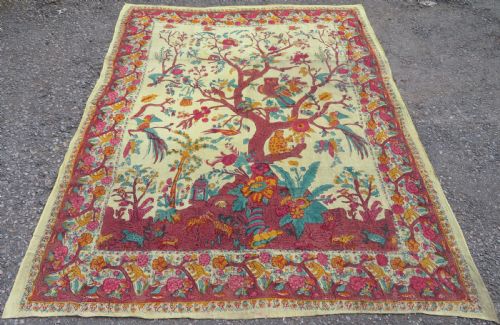
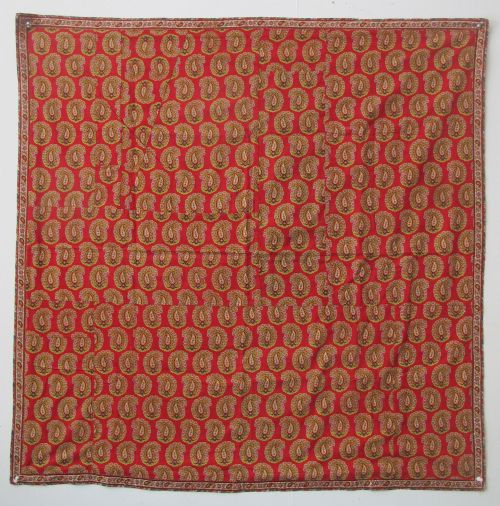
When you search for antique block print, you encounter a specialised selection of printing blocks, printing plates, and textiles. These items range from English wallpaper print stamps to Indian palampore bed covers and Persian Qajar wall hangings.
You are most likely to meet Victorian English brass-inlaid wooden printing blocks alongside Indian and Persian textiles from the nineteenth century. These objects represent both the tools of production and the finished results of traditional block printing.
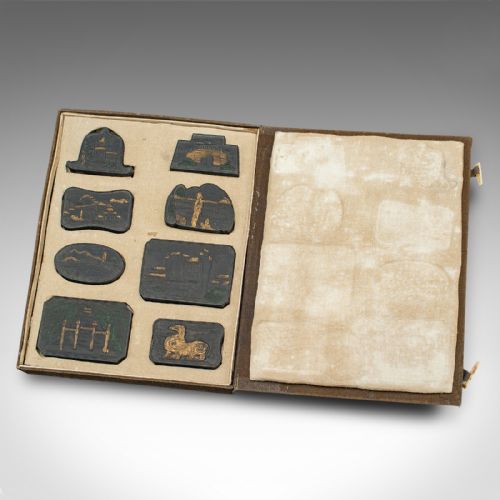
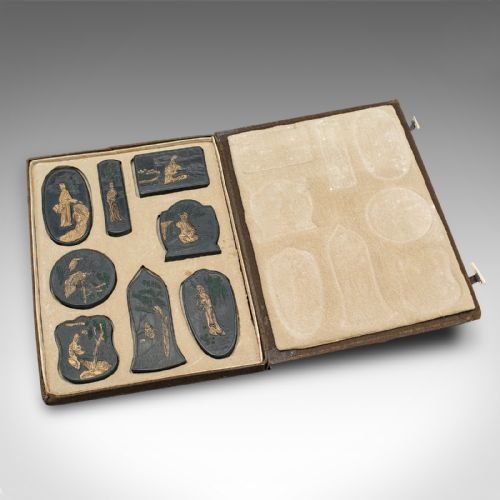
The assortment includes Chinese calligraphic ink blocks and nineteenth-century lithographic metal printing plates from Halifax. Each object records the physical methods of pattern creation from the Georgian era through to the early twentieth century.
Materials and construction
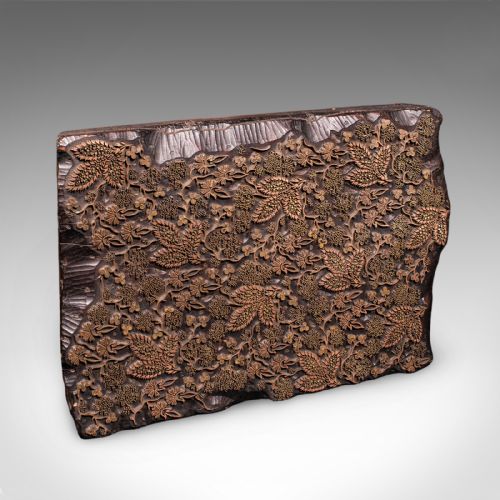
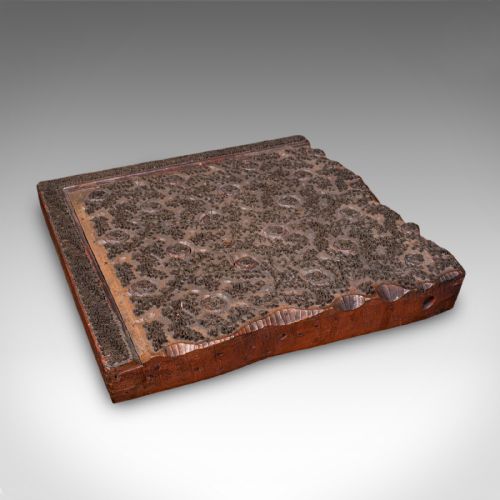
Makers utilised dense woods fitted with carved brass pins and strips to create durable printing blocks for wallpaper and fabrics. Artisans hammered metal strips into wooden bases to hold sharp, repetitive lines for continuous pattern repeats.
Textiles received colour through natural dyes applied to woven cotton and fabric panels via hand stamping. Lithographic metal printing plates and copper components provided alternative surfaces for graphic reproduction during the nineteenth century.
Antique Block Print Retail Price Guide 2026
Typical asking prices for block print among the pieces listed under this phrase on Sellingantiques today, from the lower quarter to the upper quarter. They describe what is for sale here now, not the wider market.
This selection spans the Victorian, Georgian, and Arts and Crafts periods, featuring materials such as brass, copper, and natural dyes.
Judging quality and execution
The fineness of the metalwork and the depth of the wood carving dictate the visual crispness of the resulting impression. Tighter pinning in brass-inlaid stamps allows for intricate, enduring patterns that superior pieces maintain.
The preservation of natural dyes on cotton panels and textiles determines the longevity of the visual design. Pieces displaying complex register alignment and steady hand application stand apart from simpler utility stamps.
John Horner Halifax Pontifex·Liberty of London
The Antique Block Print Glossary
- Printing block
- A carved wooden tool, often inlaid with brass strips, used to transfer patterns onto textiles or paper. These stamps form the backbone of traditional hand-printing methods.
- Palampore
- A large, hand-painted or block-printed cotton bed cover originating from India. These textiles typically feature elaborate tree of life or floral compositions.
- Lithographic plate
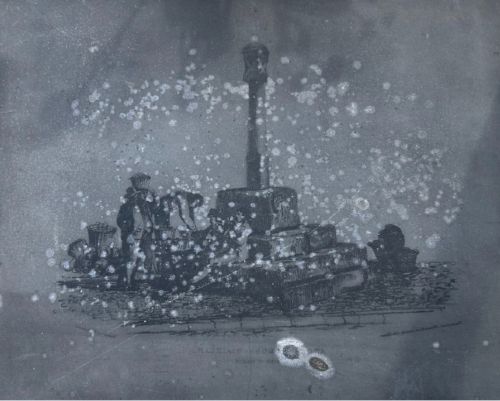
- A metal plate utilised for planographic printing in commercial and artistic contexts. They carry etched or drawn images for mechanical reproduction.
- Qajar textile
- Fabric produced in Persia during the Qajar dynasty, known for painted and block-printed designs. They display distinct regional iconography from the mid-nineteenth century.
Antique Block Print: Frequently Asked Questions
How were printing blocks used?
Artisans pressed these carved wooden and brass tools into dye or ink before applying them manually to fabric or paper surfaces. The pressure had to remain consistent to ensure an even transfer of the design.
Workers repeated the process across large lengths of material, aligning each impression carefully to build up complex multi-coloured patterns for furnishings and garments.
How do I clean an antique textile?
Historic fabrics demand gentle handling and protection from direct sunlight to preserve the delicate natural dyes. Dusting with a soft brush is usually sufficient for wall hangings and panels.
Avoid immersion in water or chemical cleaning unless assessed by a professional textile conservator, as nineteenth-century dyes can be unstable.
How do I date a printing block?
Dating relies on examining the timber species, the complexity of the brass pinwork, and any maker marks stamped into the side. Victorian examples often combine heavy tropical woods with precise geometric brass inlay.
Later twentieth-century pieces tend to show simpler construction methods and different handling wear compared to their nineteenth-century predecessors.
Can I hang printing blocks on the wall?
Many collectors display carved wooden printing blocks as sculptural wall art due to their intricate surface relief and rich patination. Their sculptural depth creates strong visual shadows when mounted properly.
Ensure any mounting system supports the weight of the dense wood and metal components without damaging the historic structure.