
Antique Blanket Chest Drawers
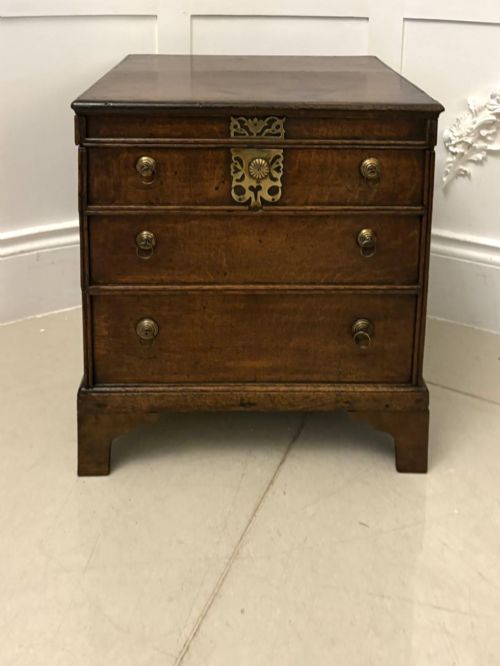
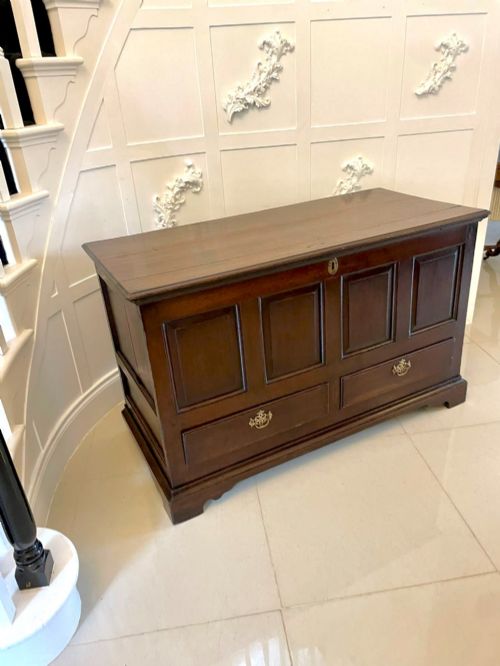
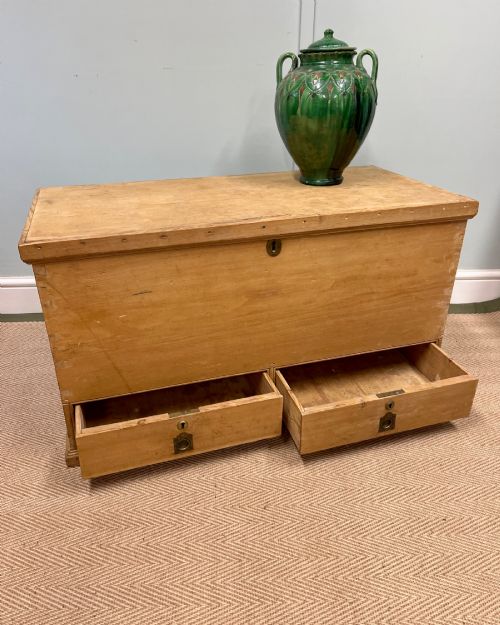
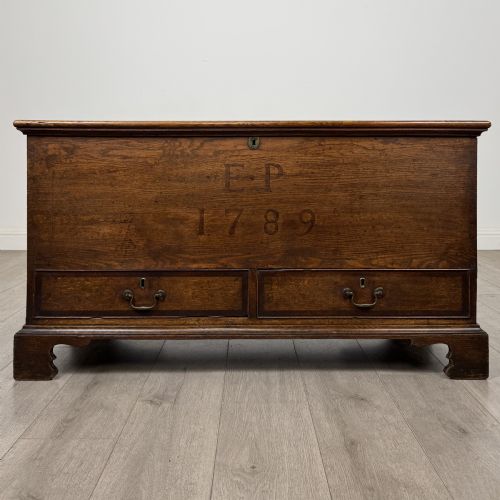
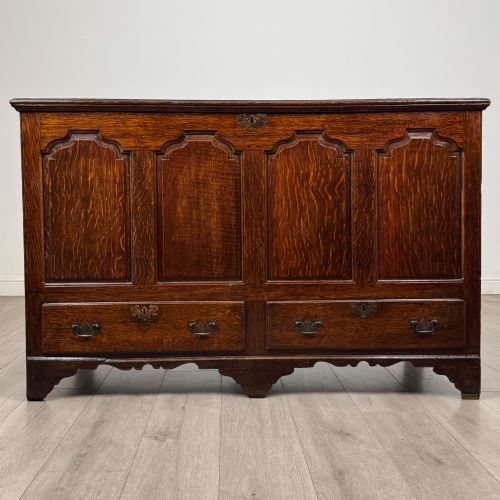
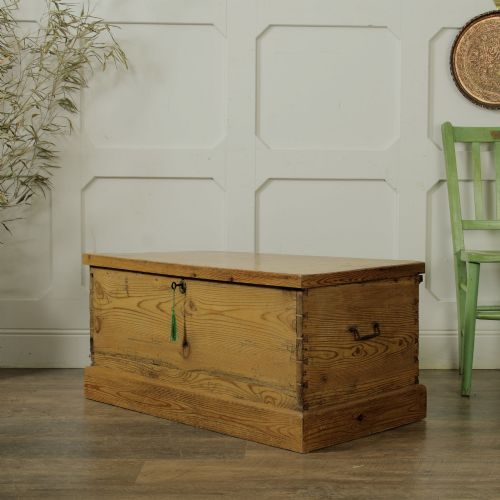
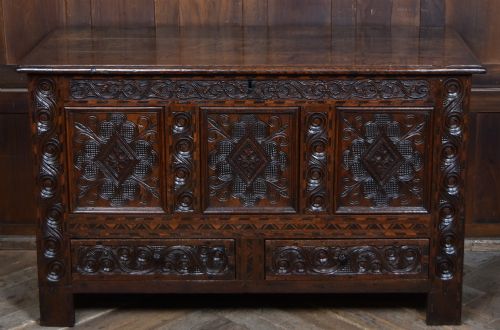
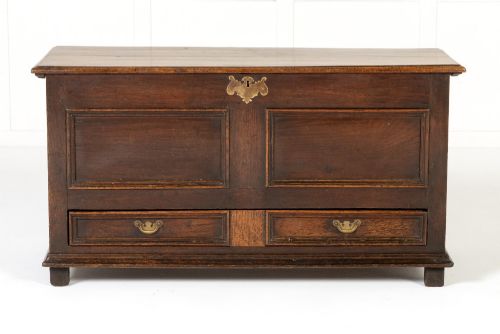
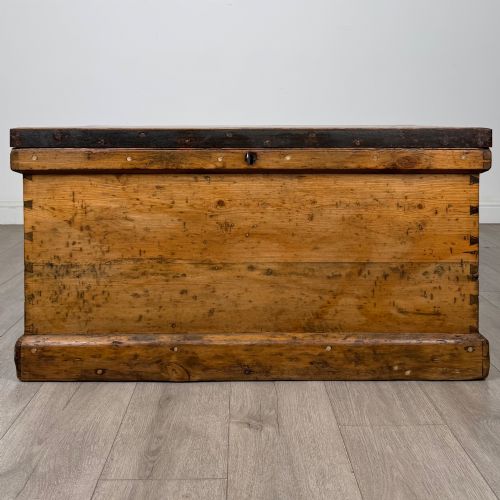
These antique blanket chest drawers combine lidded top storage with base compartments, most often met in sturdy oak and pine.
Antique Blanket Chest Drawers
When you search for antique blanket chest drawers, you encounter a hybrid form that bridges the gap between a traditional storage coffer and a chest of drawers. The most common versions on this page are mule chests and coffer bachs originating from the seventeenth, eighteenth, and nineteenth centuries.
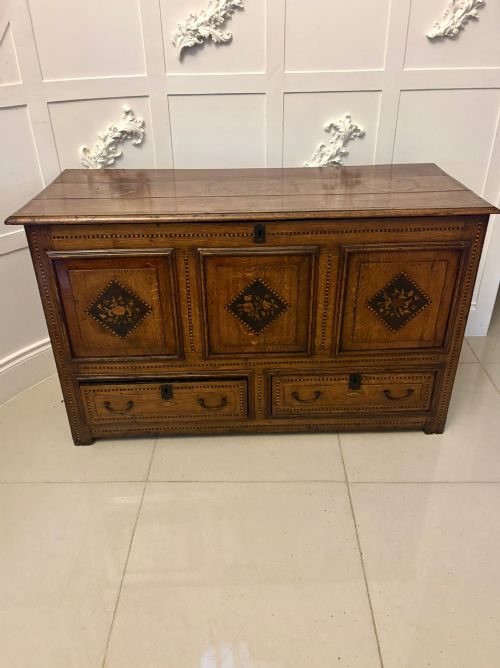
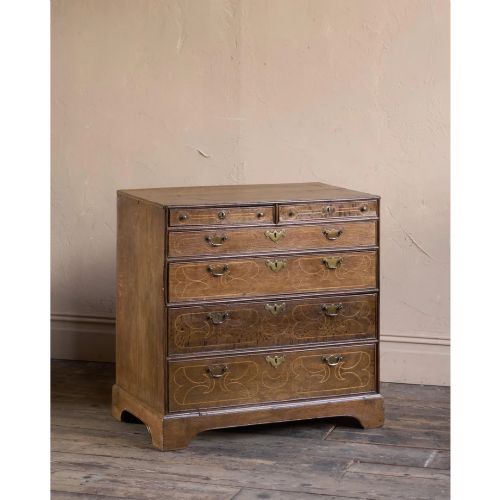
The material heritage leans heavily towards native timbers, particularly oak and pine, though mahogany and walnut pieces appear across Georgian and Victorian periods. Forms range from rustic country examples to refined vernacular pieces featuring crossbanding and marquetry inlay.
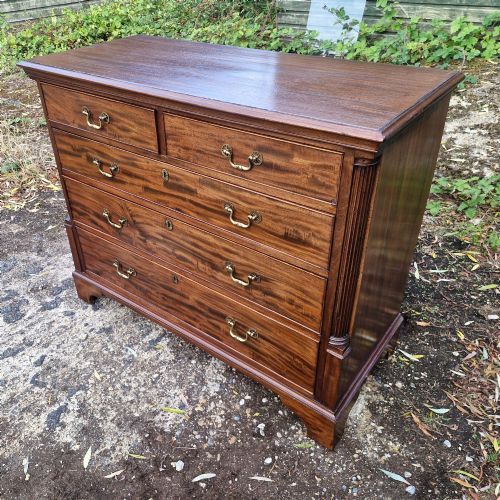
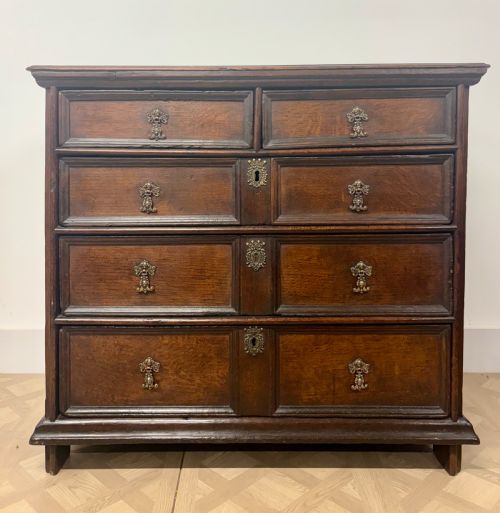
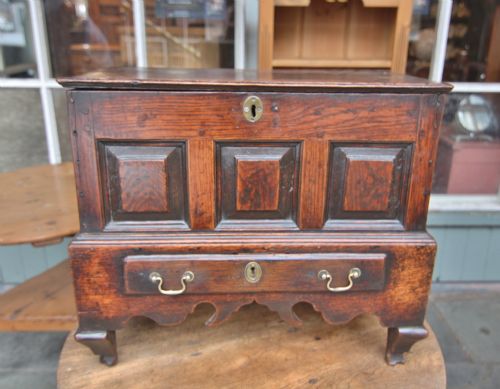
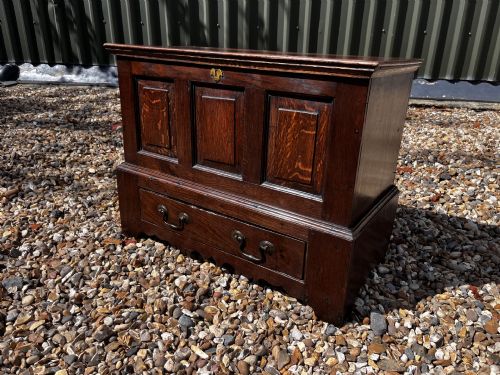
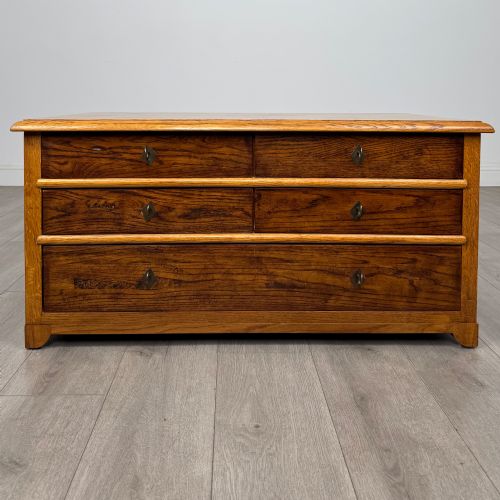
Mule chests predominate, offering a hinged lid above one or two drawers at the base, designed to hold linens and garments. Smaller Welsh coffer bachs and apprentice pieces also feature, alongside standard chests of drawers adapted for blanket storage.
Materials and Technique
Carpenters built these pieces primarily from solid oak, pine, and mahogany, utilising panel-and-frame construction to accommodate the natural seasonal movement of timber. Brass handles, iron hinges, and occasionally bone inlay supplied the functional and decorative hardware.
Surface finishes vary from waxed and polished grain to original paint and shellac, showing the working methods of rural cabinetmakers and urban workshops alike. Drawer construction relies on traditional hand-cut dovetails, while lids often employ pegged frame joints or solid boarded construction.
Several mule chests include internal till boxes designed for keeping small valuables safe beneath the heavy lid.
Assessment of Quality
The distinction between standard utility items and finer examples rests on the choice of timber and the sophistication of decorative enrichment. Figure in the wood, such as burr elm panels or fiddleback mahogany, elevates a piece, as does delicate marquetry inlay or crossbanding.
Structural integrity and the retention of original surfaces dictate the standing of these items. Pieces that keep their initial paint, original brasswork, and untouched drawer linings hold greater integrity than those altered or stripped over subsequent centuries.
The Antique Blanket Chest Drawers Glossary
- Coffer bach
- A small Welsh box or chest, usually fitted with drawers beneath the main lidded compartment. The term translates from Welsh as little coffer.
- Mule chest
- A storage chest featuring a hinged lid at the top and one or more drawers built into the base. This form evolved by adding drawers to the traditional blanket chest.
- Crossbanding
- A border technique where thin strips of veneer are laid around the perimeter of a drawer front or panel so the grain runs at right angles to the central surface.
- Marquetry
- The art of applying decorative veneer pieces in wood, bone, or metal to form intricate patterns and pictorial designs across a surface.
Antique Blanket Chest Drawers: Frequently Asked Questions
What is a mule chest?
A mule chest is a hybrid storage piece that combines a hinged top blanket box with one or more drawers fitted in the base. This design bridged the gap between traditional chests and dedicated drawer units.
Carpenters produced them widely in oak and pine during the seventeenth and eighteenth centuries for domestic linen storage.
How do I date an old chest?
Dating relies on observing construction methods, timber choices, and hardware styles across different eras. Seventeenth-century examples often display heavy oak framing and moulded fronts, while Georgian pieces frequently incorporate mahogany and crossbanding.
Tool marks, drawer dovetails, and hinges provide further physical clues to the exact period of manufacture.
Where were coffer bachs made?
Coffer bachs are traditional miniature chests originating primarily from Wales during the seventeenth and eighteenth centuries. Families often commissioned them as marriage gifts or presentation pieces.
Households used them to store small valuables, documents, or precious linens rather than heavy blankets.
How should I clean pine furniture?
Maintenance requires gentle dusting with a soft cloth and occasional application of appropriate beeswax to nourish the timber. Avoid modern liquid polishes containing silicone, which can degrade original painted or waxed surfaces over time.
Keeping pieces away from direct heat sources prevents the wood from drying out and splitting.