
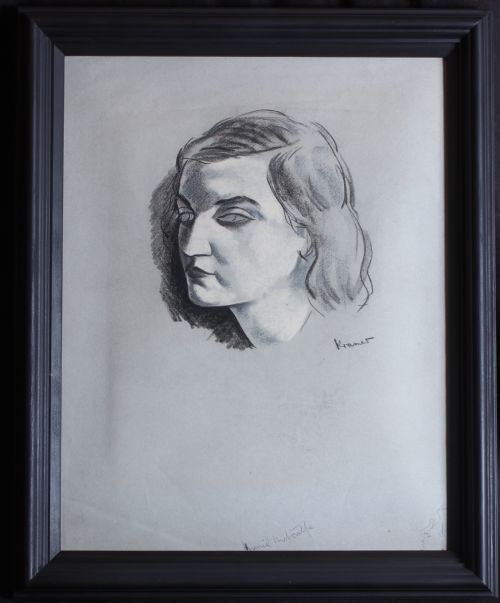
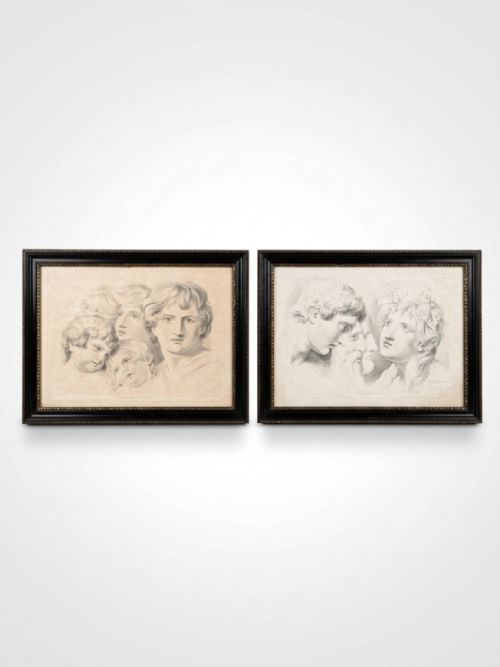
Antique Black Frame Art
Antique black frame art gathers centuries of portraiture, maps, and prints enclosed in dark timber and ebonised mouldings.
Antique Black Frame Art
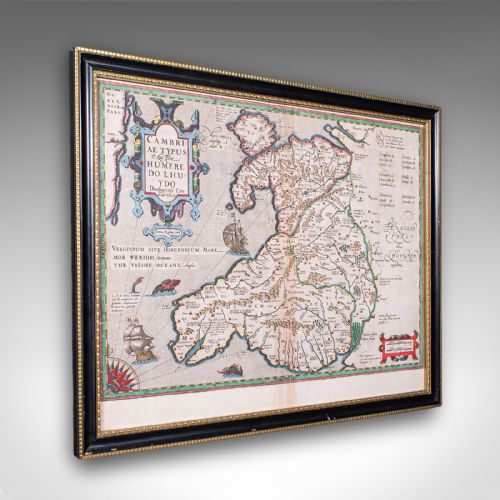
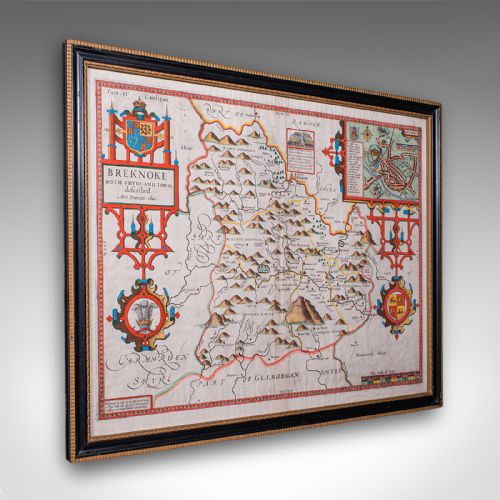
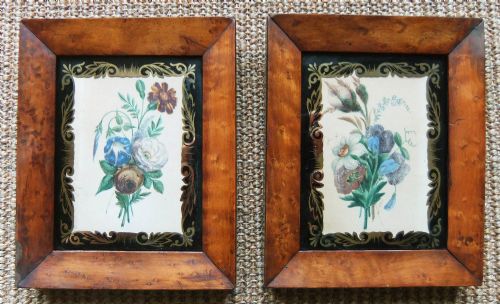
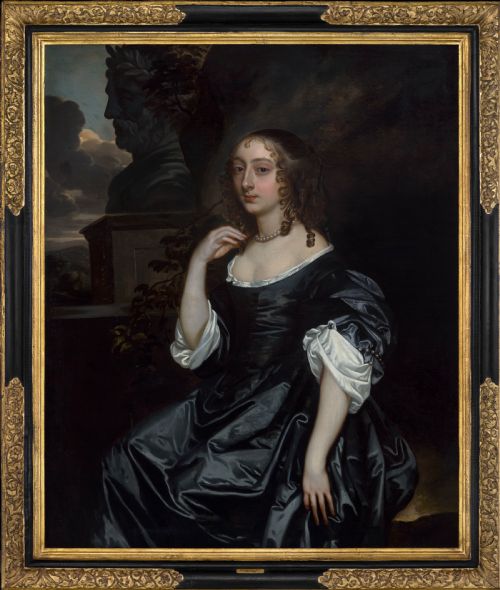
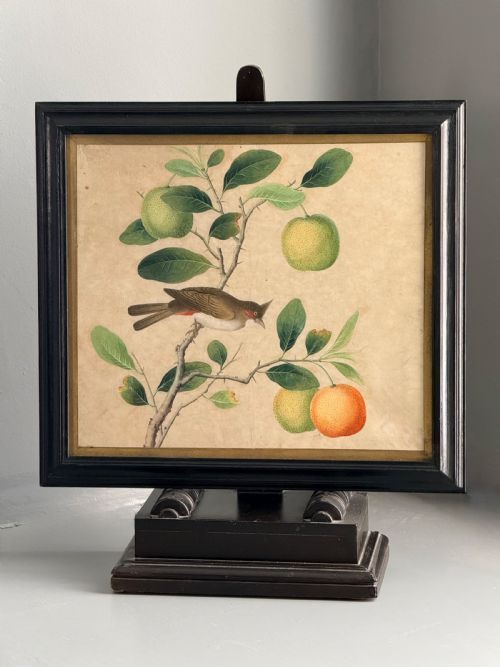
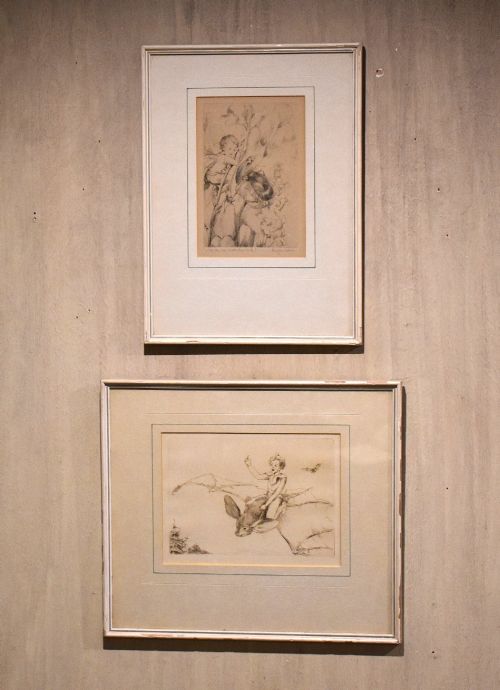
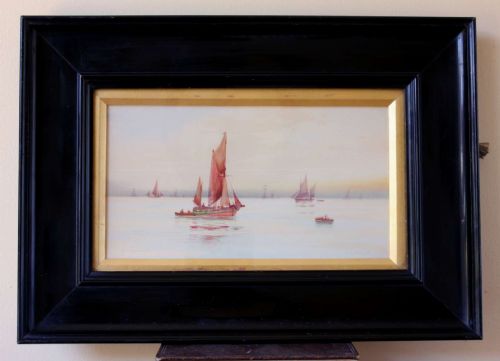
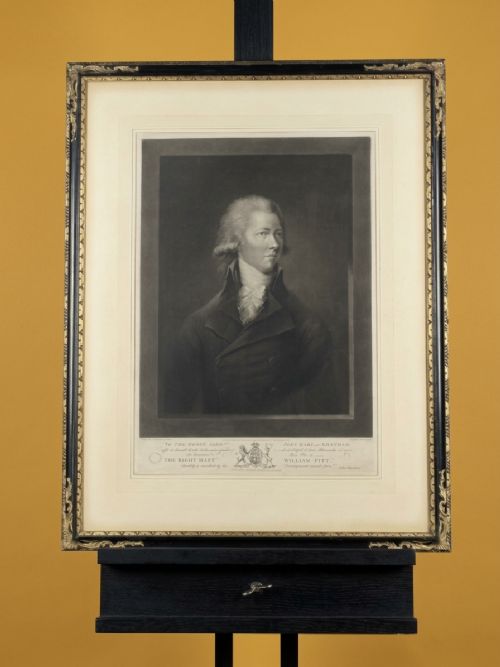
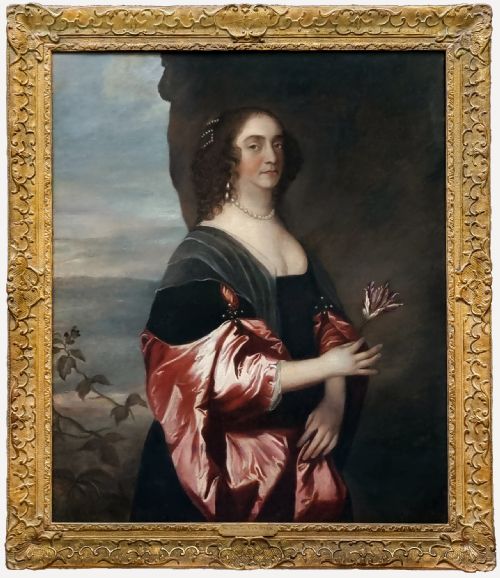
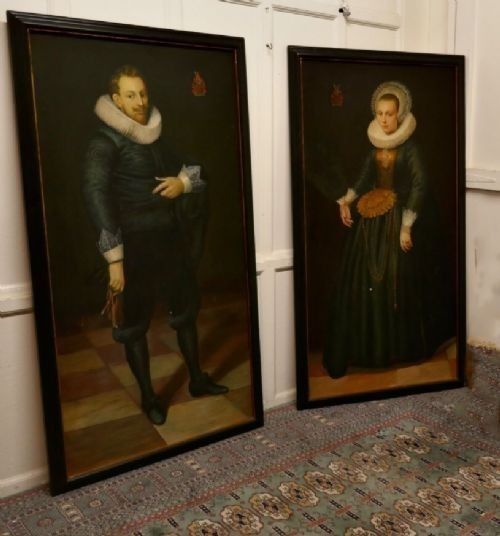
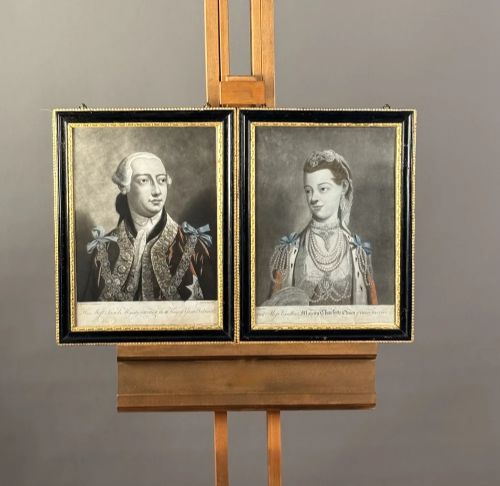
When searching for antique black frame art, buyers encounter a diverse selection of framed works spanning from the sixteenth century through the early twentieth century. These pieces encompass oil paintings, engravings, mezzotints, etchings, watercolours, and silhouettes, often held within period surrounds such as Hogarth mouldings.
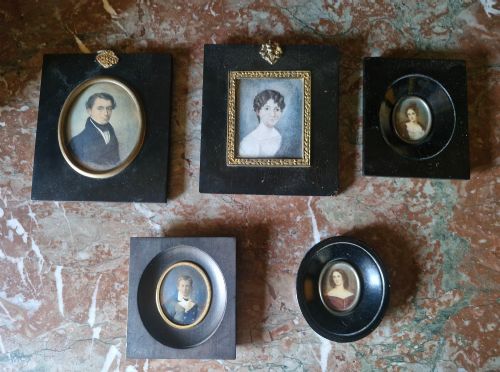
The assortment on this page leans heavily towards portrait miniatures, classical engravings, and maps originating from English, Dutch, and French makers. Examples range from seventeenth-century Baroque etchings and eighteenth-century mezzotints to nineteenth-century silhouettes and watercolour studies.
Selecting a piece involves balancing the character of the imagery with the integrity of the surrounding mount. Collectors find that the darker border serves to anchor the visual weight of the paper, canvas, or panel contained within.
Materials and Construction
Makers utilised woods such as ebonised timber to construct the dark borders that define these works, frequently applying gold leaf accents or gesso layers to catch the light. Canvases, laid paper, pith paper, and vinyl canvas provide the grounds for oil paint, watercolours, ink, and gouache.
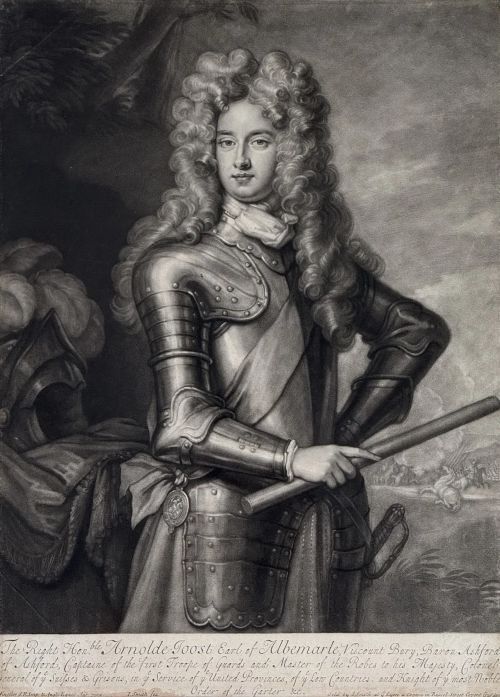
Printmakers employed copper plates for mezzotints and engravings, transferring inked impressions onto paper before framing. Silhouette artists utilised cut paper combined with watercolour or reverse glass painting techniques to capture distinct likenesses.
The physical union of artwork and dark frame often spans centuries, with traditional joinery securing the structural integrity of the surrounding wood. Glazing materials protect delicate paper supports from atmospheric wear over generations.
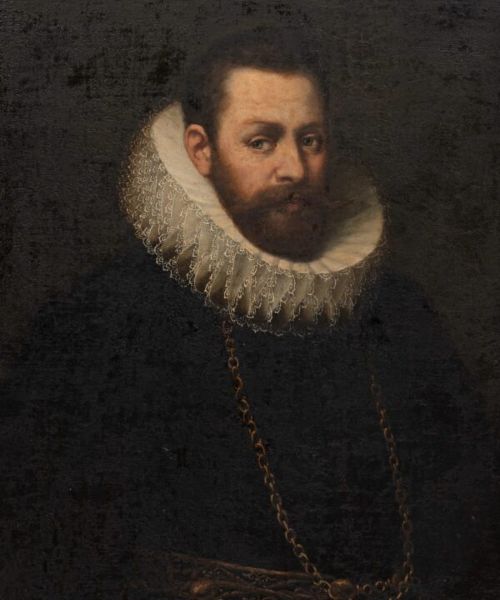
Several seventeenth-century portraits feature ruff collars so intricate they demand closer inspection just to count the folds.
Evaluating Craftsmanship and Preservation
The distinction between standard examples and finer works rests in the precision of the execution and the preservation of the surface. Master printmakers and portraitists achieved remarkable depth through careful tonal gradation and controlled ink application, whereas lesser pieces show flatter, less nuanced handling.
The integrity of the frame itself contributes significantly to the overall merit of the object. Retaining original ebonised finishes and period glass elevates the historical cohesion of the piece.
Provenance and clear attribution to documented engravers, publishers, or schools reinforce the standing of a work within its historical period.
John Speed·Sir Peter Lely·George Keating·Samuel Howitt·William James Hubard
The Antique Black Frame Art Glossary
- Mezzotint
- A printmaking process where the copper plate is roughened to achieve rich dark tones and subtle graduations of light. This technique gained immense popularity in the eighteenth century for reproducing oil portraits.
- Hogarth Frame
- A distinctive narrow wooden moulding, often stepped or ogee-profiled, finished in black lacquer or ebonised polish. It frequently accompanies eighteenth and nineteenth-century English engravings.
- Etching
- A method of printmaking where lines are incised into a metal plate with acid before being inked and pressed onto paper. Seventeenth-century practitioners utilised this technique for intricate classical compositions.
- Silhouette
- A portrait profile cut from dark paper or painted onto card, glass, or plaster. These works became highly fashionable during the Georgian and Regency eras.
- Pith Paper
- A delicate material formed from the cellular pith of the Tetrapanax papyrifer plant, used in nineteenth-century Asian trade painting and gouache works.
Antique Black Frame Art: Frequently Asked Questions
How do I care for antique framed works on paper?
Keep pieces away from direct sunlight to prevent fading of inks, watercolours, and paper supports. Maintain stable indoor humidity levels to protect both the artwork and the wooden frame.
Avoid hanging pieces in damp environments or areas subject to heavy temperature fluctuations. Professional framing using conservation-grade materials ensures long-term preservation.
What distinguishes a mezzotint from an engraving?
Mezzotints rely on textured plates to produce velvety dark areas and smooth tonal transitions. Engravings use sharp lines and cross-hatching to define forms and details.
Printmakers developed mezzotints specifically to replicate the atmospheric quality of oil paintings. Engravings offer sharper, more linear definition suited to maps and architectural subjects.
Are these frames original to the artwork?
Many pieces retain their period or original frames, particularly eighteenth-century engravings and silhouettes housed in Hogarth mouldings. Secondary framing often occurred later to update domestic interiors.
Examination of the rabbet, backing boards, and nail types helps determine the age relationship between the frame and the internal art.
How are portrait miniatures constructed?
Artists painted portrait miniatures directly onto prepared paper, card, or vellum using watercolour or gouache. Many examples received protection behind curved glass within tight bezels.
These small-scale works were designed to be portable or displayed closely grouped on walls. Their execution required immense precision using miniature brushes.