

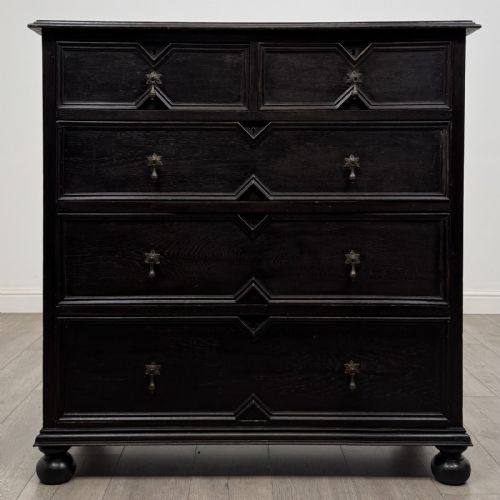
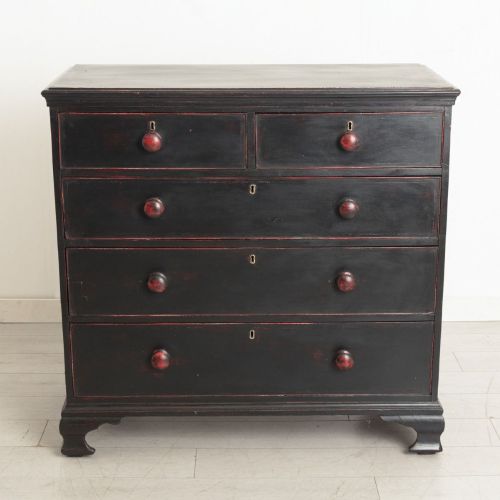
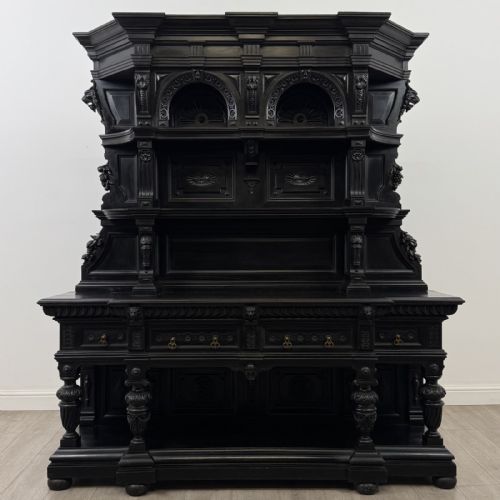
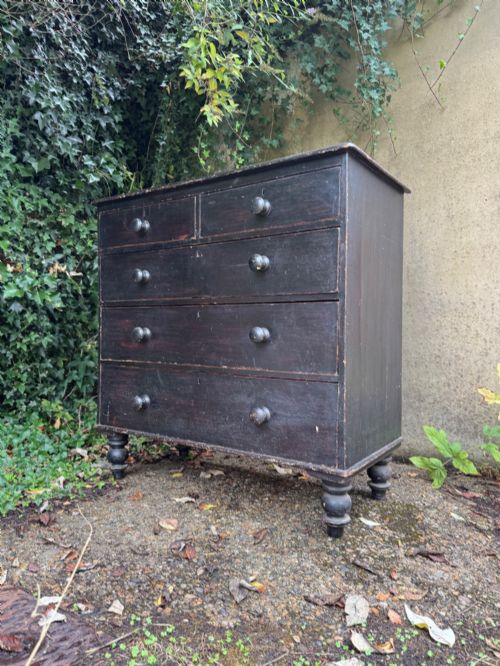



Antique Black Dresser
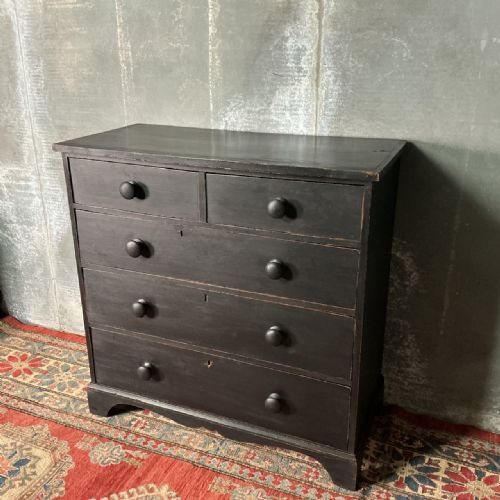
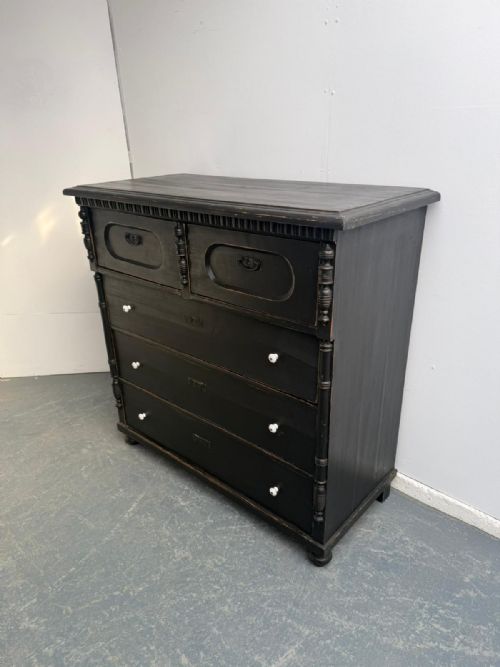
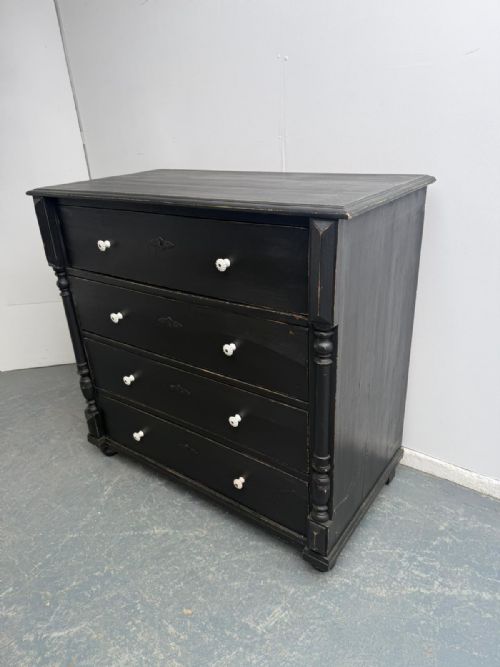
An antique black dresser delivers deep, dark pigment and heavy timber presence to a room, offering practical storage alongside striking visual weight.
Antique Black Dresser
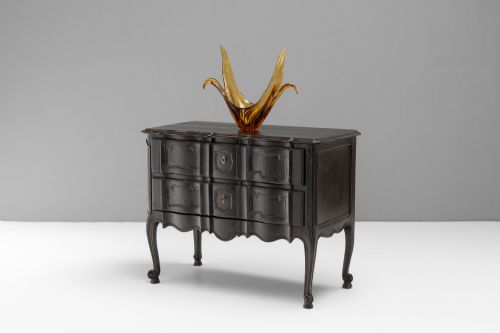
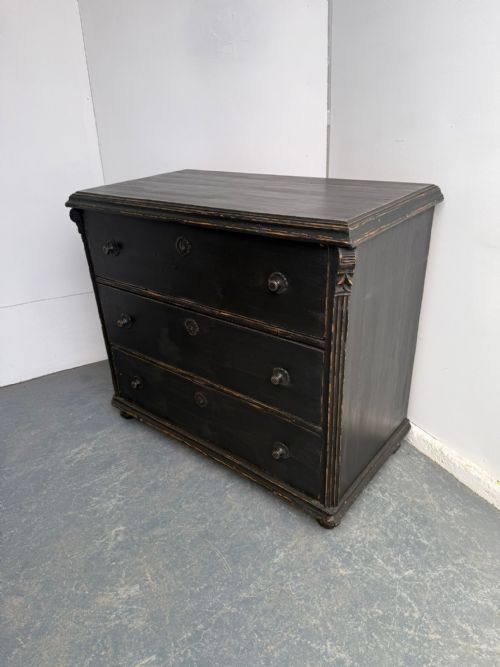
An antique black dresser spans tall kitchen dressers, low dresser bases, and painted chests of drawers originating from English, French, Hungarian, and Italian workshops. Buyers searching for an antique black dresser frequently encounter Victorian pine pieces, Georgian pine examples, and 18th-century country iterations.
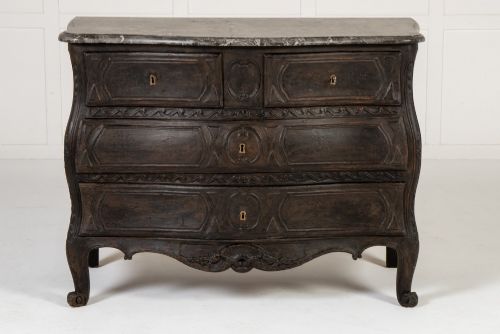
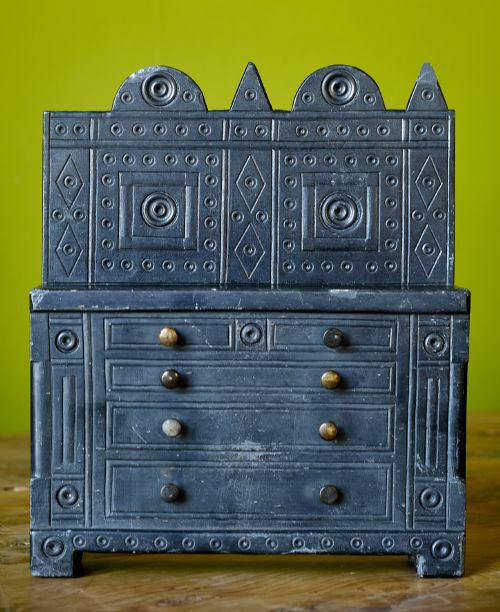
The selection includes breakfront bases, two-door dresser bases, library bookcases, and serpentine commodes finished in dark paint or ebonised surfaces. Miniature folk art models and slate chests also appear alongside larger utilitarian storage furniture.
Periods represented stretch from the 18th century through the Victorian era into the early 20th century, capturing both formal continental commodes and rustic country house furniture.
Materials and construction methods
Carpenters built these pieces primarily from solid pine, oak, and occasionally bleached or carved timber, applying black paint or ebonising the wood directly. Surface treatments often include hand sign-writing, dark pigment layers, and occasional marble tops.
Hardware incorporates brass fixtures and iron details, while specific regional pieces utilise local materials such as Welsh carved slate in miniature folk art models.
Antique Black Dresser Retail Price Guide 2026
Typical asking prices for black dresser among the pieces listed under this phrase on Sellingantiques today, from the lower quarter to the upper quarter. They describe what is for sale here now, not the wider market.
One miniature chest of drawers was carved entirely from Welsh slate, proving that monumental furniture styles occasionally inspired tiny geological sculptures.
Distinctions in craftsmanship and finish
Quality rests in the integrity of the original timber frame and the depth of the dark painted or ebonised finish as it ages. Pieces featuring authentic period paint layers hold distinct character compared to later refinished surfaces.
Construction refinement separates standard utilitarian storage from sophisticated continental commodes with serpentine fronts, shaped panels, and integrated marble tops.
The Antique Black Dresser Glossary
- Ebonised
- Wood finished with a dark stain or black paint to imitate expensive ebony. This technique was popular during the Victorian and Regency periods.
- Dresser base
- The lower cabinet portion of a kitchen dresser, featuring cupboards and drawers without the upper plate racks. These serve well as sideboards.
- Serpentine
- A curved furniture front characterised by a convex centre flanked by concave ends. This contour requires skilled carpentry.
- Commode
- A continental European low chest of drawers or cabinet. French and Italian examples often exhibit decorative carving or marble tops.
- Breakfront
- A large piece of furniture where the central section projects forward from the flanking outer sections. This creates architectural depth in bookcases and dressers.
Antique Black Dresser: Frequently Asked Questions
How do I style a black dresser?
Position the piece against a lighter neutral wall to let the dark paintwork define the space. Keep surrounding decor balanced with complementary wood tones and simple ceramics.
Allow the natural texture of the aged paint or ebonised timber to anchor the room without overcrowding the surface with clutter.
Are these dressers suitable for kitchens?
Many of these pieces originated as kitchen dressers or country house bases designed for daily domestic use. Their sturdy timber construction and deep drawers handle kitchen storage easily.
Ensure painted or marble surfaces are maintained properly against moisture and regular use in active cooking spaces.
What is the difference between a commode and a chest?
A commode typically refers to continental European drawer units, often featuring more ornate shaping like serpentine fronts or marble tops. English chests tend to follow stricter rectangular proportions.
Both categories provide substantial drawer storage while reflecting the regional design preferences of their makers.
How do I identify original black paint?
Original painted surfaces show natural wear, craquelure, and patina accumulated over decades of use. Inspect edges and recesses for consistent pigment ageing and underlying timber preparation.
Avoid pieces with flat, uniform modern emulsion unless a later repaint is clearly documented and desired for the interior scheme.