


Antique Biblical Painting
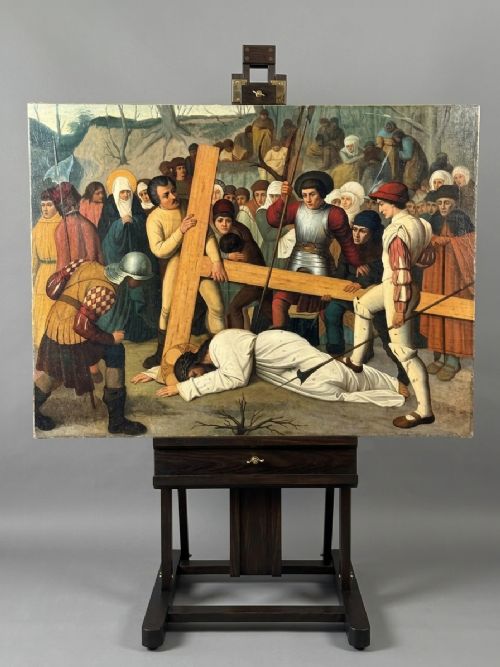
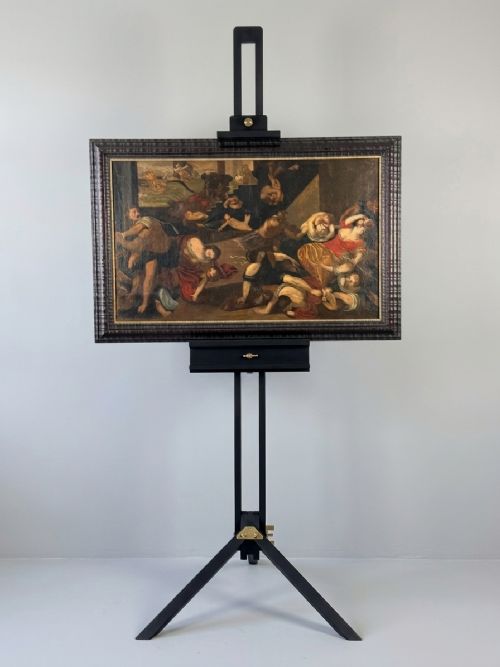
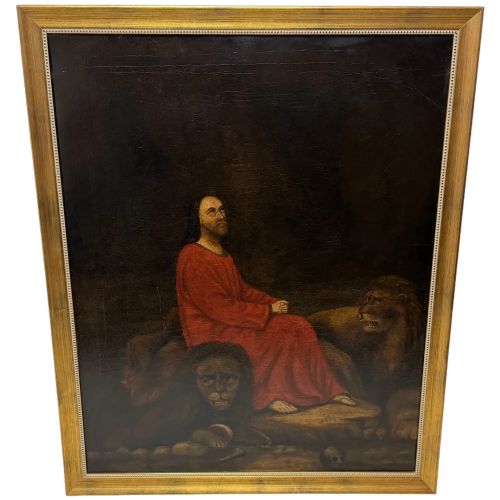
These antique biblical painting works bring centuries of sacred narrative to canvas, wood and glass, offering a direct link to historic devotional art.
Antique Biblical Painting
An antique biblical painting portrays foundational narratives from scripture, ranging from dramatic Old Testament scenes to intimate depictions of the Holy Family. These works emerge from diverse European traditions, capturing spiritual devotion across centuries of artistic endeavour.
The selection encountered most often spans the seventeenth to nineteenth centuries, encompassing both grand oil canvases and smaller devotional pieces. Buyers will find works executed by regional European schools as well as individual artists working within established historical styles.
Beyond traditional canvases, sacred imagery manifests on diverse supports including wood panels, reverse glass, and painted fan leaves. Each object reflects the prevailing aesthetic sensibilities of its period, from Baroque dynamism to Victorian narrative realism.
Materials and technique
Painters relied primarily on oil paint applied to stretched canvas or prepared wood panels, building rich compositions through layered pigment and varnish. These traditional supports provided the stability required for large-scale narrative works intended for institutional or domestic display.
Alternative supports demonstrate the versatility of sacred imagery, utilising glass for reverse painting techniques or delicate paper mounted within gilt metal frames. Artisans also integrated religious scenes into functional household objects such as toleware and serving trays.
Frames play a crucial role in the physical structure of these works, frequently employing carved and gilded wood that complements the visual weight of the painting. The interaction between the artwork and its period frame defines the physical integrity of the piece.
Among the sacred canvases sits a painted fan leaf framing a tiny scriptural moment.
Assessing quality
Depth of colour and the preservation of original pigment layers determine the visual impact of an oil painting over time. Subtle glazing and tonal transitions demonstrate the technical competence of the school or artist behind the brush.
Jozef Janssens·H. Meeson·Antonio Tempesta·Pietro D'asaro·Eugene Hindle
The Antique Biblical Painting Glossary
- Baroque
- A stylistic period spanning the seventeenth and early eighteenth centuries characterised by theatricality, deep shadow, and dynamic movement. Works from this era prioritise emotional intensity and dramatic illumination.
- Oil on canvas
- A traditional painting medium utilising pigments suspended in drying oils applied to a woven fabric support. This combination allows for rich blending and enduring flexibility.
- Reverse painting on glass
- A technique where the image is painted directly onto the back of a glass panel so that the finished work is viewed through the transparent front. This method imparts a distinct gloss and preservation of the pigment.
- Giltwood
- Wood that has been coated with a thin layer of gold leaf or gold paint, commonly utilised for ornate picture frames. It adds a luminous border that enhances the artwork within.
- Toleware
- Enamelled or japanned metalware produced for domestic use, occasionally embellished with detailed narrative scenes. It represents the application of fine art subjects to decorative household objects.
Antique Biblical Painting: Frequently Asked Questions
What subjects appear most frequently?
Narratives from both the Old and New Testaments form the primary subject matter of these works. Common themes include dramatic confrontations, Madonna and Child compositions, and pivotal moments from the lives of saints.
Artists frequently drew inspiration from well-known biblical texts and earlier Renaissance masters to create resonant spiritual imagery for contemporary viewers.
How do I identify the period?
Dating relies on stylistic markers, the preparation of the canvas or panel, and the framing conventions of the era. Baroque works typically display heavy shadows and dynamic movement, whereas Victorian pieces often emphasise clear narrative detail.
Examining the reverse of the canvas, stretcher frames, and any inscribed signatures provides further chronological context.
Where were these paintings displayed?
Historic religious paintings originally hung in churches, private chapels, and domestic spaces dedicated to personal devotion. Smaller pieces served as focal points for private prayer within the home.
Over subsequent centuries, these works transitioned into secular collections while retaining their original devotional character.
How should I care for an oil painting?
Protect antique canvases and wood panels from direct sunlight and extreme fluctuations in temperature and humidity. Stable environmental conditions prevent the cracking of paint and warping of supports.
Dusting should be undertaken gently with a soft, dry brush, avoiding liquid cleaners or abrasive materials that could damage the fragile surface.