





Antique Biblical Figure
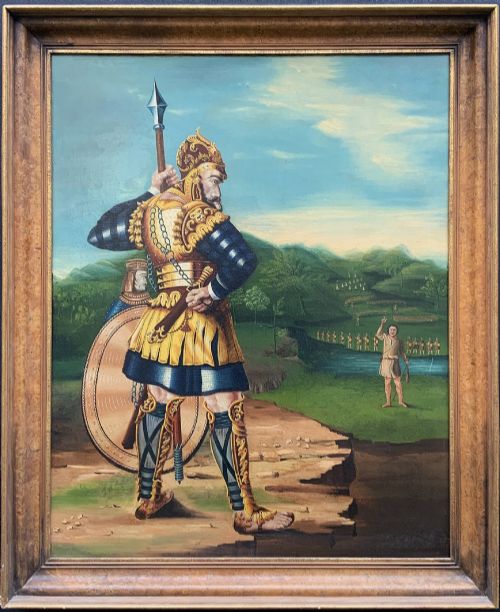
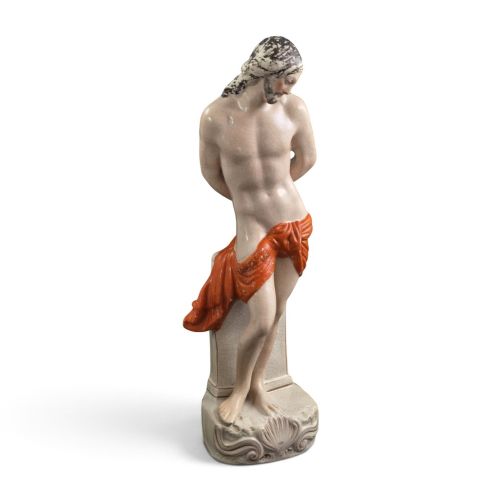
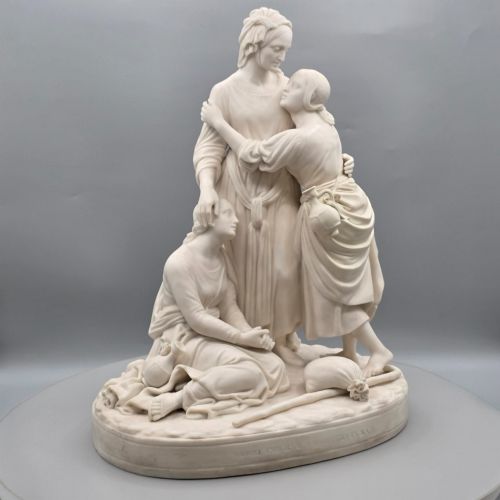
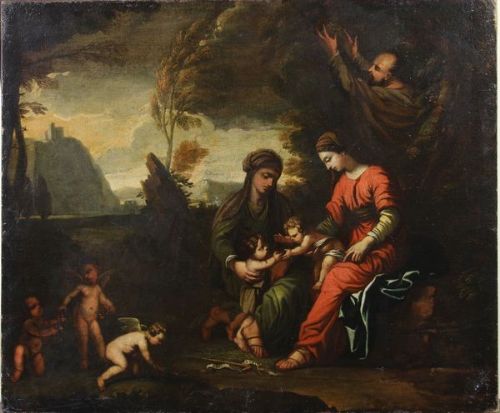
An antique biblical figure brings the weight of sacred history straight into a room, carved from parian, modelled in earthenware or brushed onto canvas.
Antique Biblical Figure
When searching for an antique biblical figure, buyers encounter a diverse range of depictions drawn from scripture, rendered as ceramic groups, oil paintings and bronze sculptures. These pieces span from the seventeenth century through to the twentieth century, reflecting shifting artistic interpretations of religious narratives over hundreds of years.
Ceramic figures take the form of glazed earthenware and parian groups originating from Staffordshire potteries and makers such as Minton and Copeland, often portraying Old and New Testament scenes like Elijah or Rebekah at the well. Meanwhile, the painted works comprise Italian, Venetian and Scottish oils on canvas or board, depicting subjects such as Mary Magdalene and David with Goliath.
Sculptural works in bronze also appear alongside ceramic figurines and large portrait paintings, providing distinct mediums for classic religious subjects. Buyers are most likely to meet Victorian Staffordshire ceramic pieces and European oil paintings on this page, representing the predominant periods and forms recorded in the evidence.
Materials and techniques
Pottery figures are shaped from earthenware or parian ware, utilising slip-casting or hand-modelling techniques before receiving hand-painted polychrome glazes or leaving the ceramic biscuit finish unglazed to emulate carved marble. Staffordshire pieces typically rely on lead glazes applied over earthenware bodies to achieve their characteristic surface sheen.
Painted works utilise oil pigments applied to stretched canvas, wooden panels or artist boards, often employing baroque compositions with dramatic chiaroscuro lighting. Bronze sculptures are produced through the lost-wax casting method, capturing fine anatomical detail in metal before patination.
Antique Biblical Figure Retail Price Guide 2026
Typical asking prices for biblical figure among the pieces listed under this phrase on Sellingantiques today, from the lower quarter to the upper quarter. They describe what is for sale here now, not the wider market.
Even prophets and patriarchs need dusting; Samson and David managed to survive centuries of household routines intact.
Judging quality in religious works
Quality in painted depictions rests upon the expressive handling of the human form, the depth of the palette and the confidence of the brushwork evident in seventeenth-century and later canvases. Finer works display sophisticated spatial arrangement and subtle tonal gradations that elevate narrative scenes beyond simple illustration.
Minton·Copeland·Lakin & Poole·Louis Auguste Moreau
The Antique Biblical Figure Glossary
- Earthenware
- Porous pottery fired at relatively low temperatures, requiring a glaze to become impermeable to liquids. This material forms the base of many Staffordshire ceramic figures.
- Parian ware
- A fine-grained, unglazed porcelain developed in the nineteenth century to imitate carved marble. It is frequently utilised for classical and biblical figural groups.
- Chiaroscuro
- An artistic technique employing strong contrasts between light and dark to give subjects volume and dramatic tension. It appears frequently in oil paintings from baroque traditions.
- Oil on board
- A painting executed with pigment suspended in drying oil applied to a rigid wooden or cardboard panel rather than stretched fabric. Several seventeenth-century works utilise this substrate.
- Polychrome
- Decorated in multiple colours, typically applied to ceramic figures using enamel paints over a fired glaze. This technique defines the surface of many Staffordshire earthenware pieces.
Antique Biblical Figure: Frequently Asked Questions
How should I display a ceramic biblical figure?
Place ceramic figures on stable shelving or cabinets away from direct sunlight to protect enamel colours and glazes from fading over time. Ensure the display surface supports the weight of denser earthenware or parian groups safely.
Allow adequate space around larger sculptural pieces so the narrative details and modelling can be appreciated from multiple angles within the room.
What subjects are most common?
Old Testament narratives featuring figures such as David, Abraham, Elijah and Jacob frequently appear in both ceramic groups and oil paintings. New Testament scenes depicting Christ, the Virgin Mary and Mary Magdalene also recur across various mediums.
These subjects reflect centuries of artistic engagement with sacred texts, translated through regional painting schools and domestic pottery traditions.
How do I care for an oil painting?
Keep painted canvases and boards in environments with stable humidity and temperature to prevent the canvas from slackening or the wooden panels from warping. Avoid exposing oil surfaces to direct heat sources or damp walls.
Dust the painted surface gently with a soft, dry brush rather than using chemical cleaning agents or damp cloths that could harm the historic pigment layers.
Can I identify the maker of a Staffordshire piece?
Makers are sometimes identified through impressed marks, model numbers, or stylistic traits associated with specific potteries operating in nineteenth-century Staffordshire. Comparing the modelling style and glaze characteristics helps link unmarked pieces to known workshops.
Documentation and archival records for specific ceramic groups often confirm the historical attribution of well-documented biblical figures.