


Antique Biblical Artwork
Antique biblical artwork brings centuries of sacred history into your home through devotional oil paintings, engravings, and needlework.
Antique Biblical Artwork
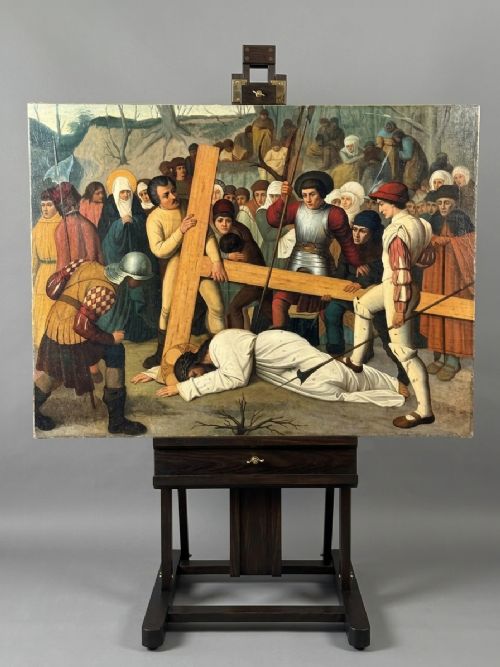
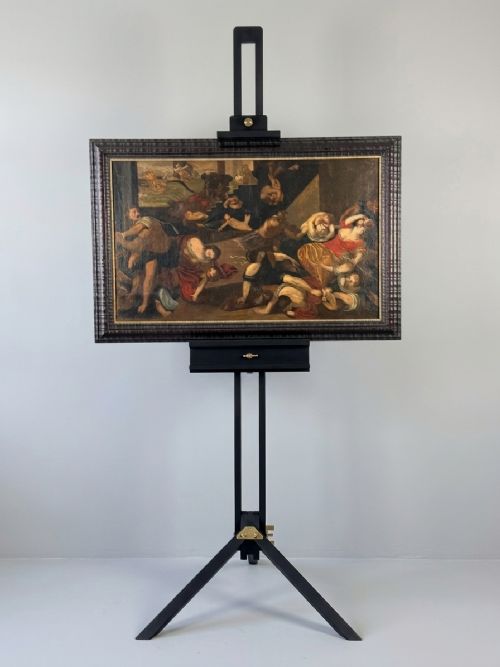
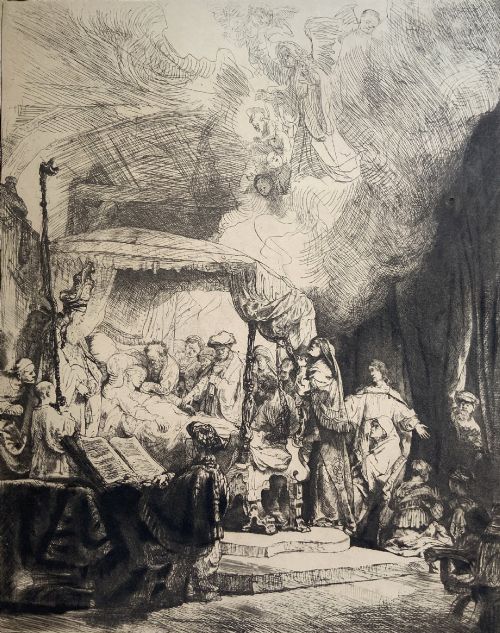
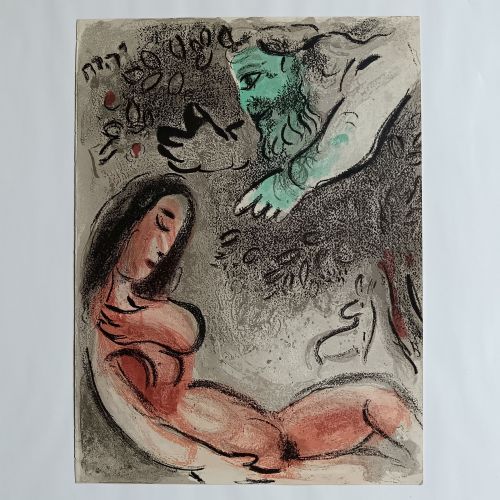
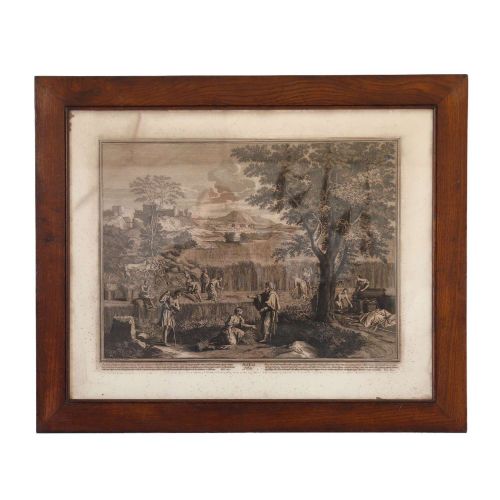
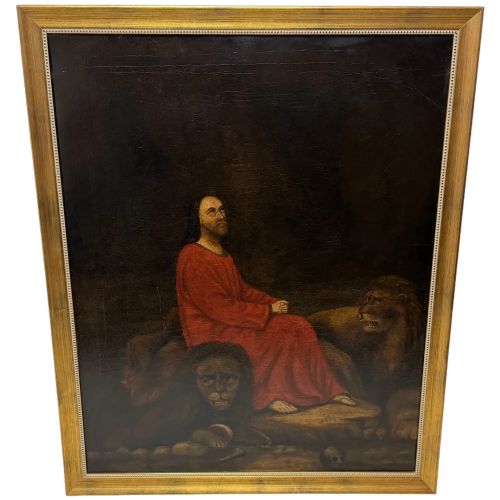
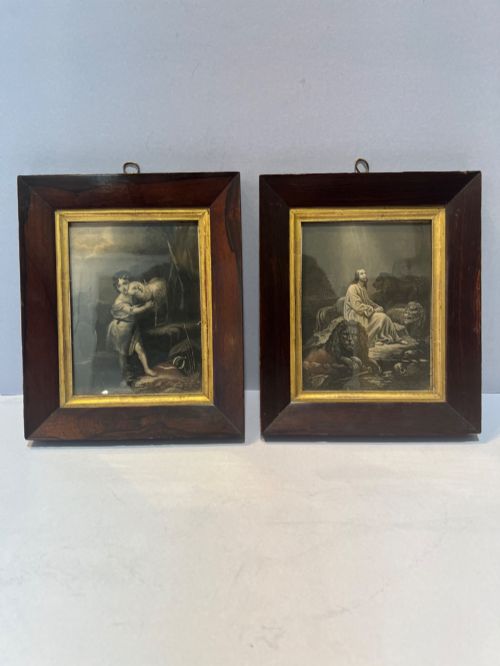
Antique biblical artwork encompasses centuries of sacred visual culture, ranging from intense Baroque narratives to quiet Victorian devotional pieces. When looking for antique biblical artwork, buyers encounter various forms such as large oil paintings, detailed engravings, and framed prints. Pieces on this page originate from the sixteenth century through to the early twentieth century.
The subjects draw directly from scriptural narratives, depicting scenes like the Massacre of the Innocents, Daniel in the Lions' Den, and the Adoration of the Magi. Regional schools from Italy, Flanders, and Britain appear frequently across these listings. Collectors select these works for their historical depth and theological resonance.
Oil on canvas remains the dominant medium, though reverse paintings on glass, silk needlework, and carved mother of pearl plaques also feature. These objects functioned historically as private devotional aids or altarpieces within European traditions. Each period brings distinct stylistic conventions to the depiction of sacred figures.
Assessing quality in religious works
The integrity of the primary support dictates longevity and visual impact. Original canvas tension, stable pigment layers, and minimal repainting elevate a piece's standing among collectors.
The quality of the frame often indicates the original status of the artwork. Period giltwood frames that match the age of the canvas contribute significantly to the overall integrity of the piece.
Listings feature canvas, wood, paper, glass, oil paint, giltwood, and gold leaf across multiple centuries.
Jozef Jansessens·Rembrandt Etching·Amand-Durand·Poussin·Gustave Doré·Adolphe Pannemaker·Antonio Tempesta·Pietro D'asaro·Eugene Hindle·Reynard Le Vieux
The Antique Biblical Artwork Glossary
- Chiaroscuro
- An artistic technique using strong contrasts between light and dark to give subjects volume and dramatic tension. This method defines many seventeenth-century religious canvases.
- Engraving
- A printmaking process where an artist cuts lines into a metal plate to hold ink. These plates produce sharp, highly detailed narrative scenes on paper.
- Needlepoint
- A form of canvas work embroidery using various stitches to create pictorial designs. Silk threads bring colour and texture to religious needlework pictures.
- Reverse painting on glass
- A technique where an image is painted directly onto the back of a glass panel and viewed from the front. This method creates a glossy, luminous surface.
- Giltwood
- Wood that has been treated with a thin layer of gold leaf or gold paint. Frames finished in this manner frequently house devotional paintings.
Antique Biblical Artwork: Frequently Asked Questions
What periods do these pieces date from?
The listings include works spanning from the mid-sixteenth century through the seventeenth and eighteenth centuries, extending into the Victorian era and early twentieth century.
Earlier pieces often reflect Italian or Flemish school traditions, while later items encompass nineteenth-century revival styles and folk needlework.
How were these artworks used originally?
Many oil paintings and carved panels served as private devotional objects in homes or as elements within ecclesiastical settings. Needlework pictures and smaller prints functioned as domestic religious ornaments.
Larger narrative canvases were designed to instruct viewers and prompt spiritual contemplation through dramatic scriptural scenes.
Are all these pieces original paintings?
No, the selection encompasses a variety of mediums beyond oil on canvas and panel. Buyers will find nineteenth-century engravings, etchings, silk needlework pictures, and reverse paintings on glass.
Each medium employs distinct techniques developed by period artisans and printmakers.
How do I identify a school or circle attribution?
Attributions to a school or circle indicate that a piece was produced within the sphere or stylistic tradition of a master artist rather than by their own hand. These designations reflect regional methods and workshop practices of the period.
Documentation or stylistic markers usually guide experts when assigning these historic school titles.