





Antique Beverage Server
An antique beverage server brings period elegance to the table, spanning everything from Georgian silver pots to copper samovars.
Antique Beverage Server
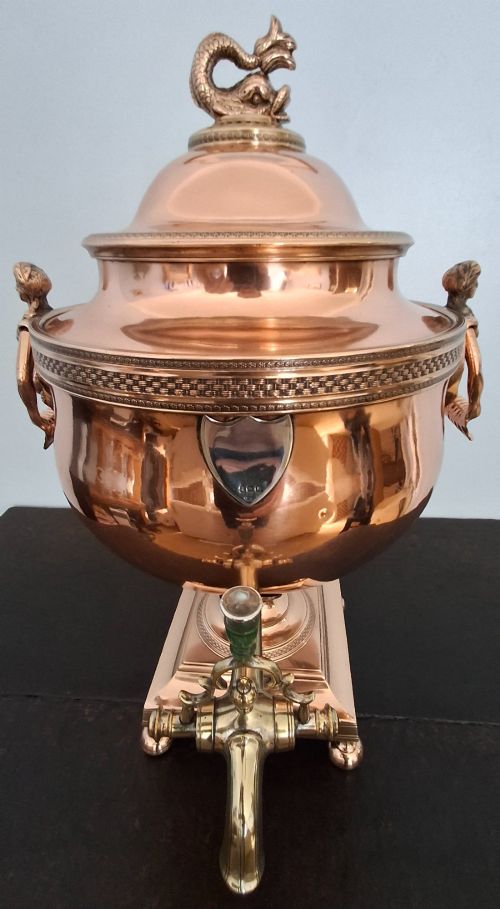
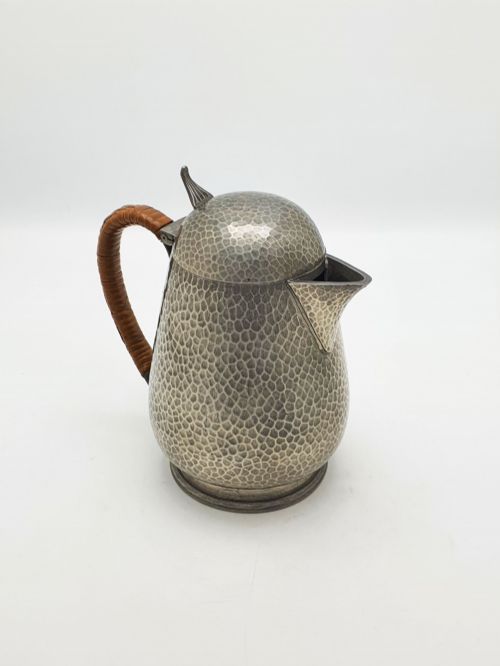
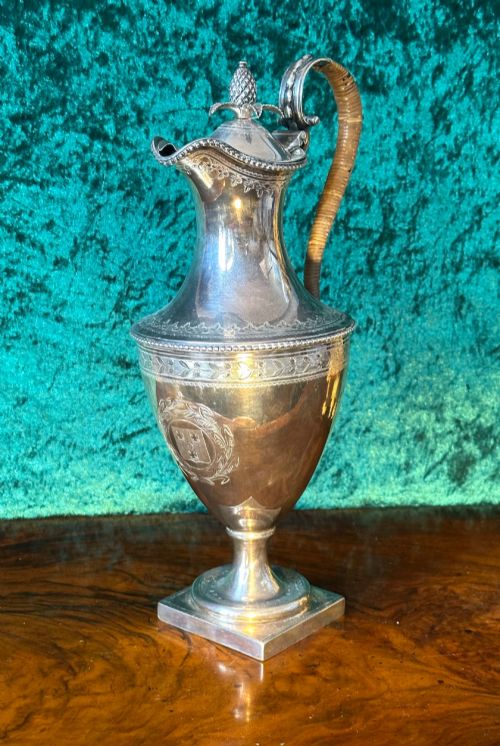
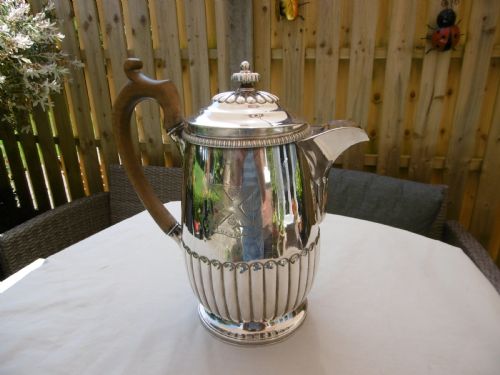
An antique beverage server encompasses a wide array of historical vessels designed for pouring tea, coffee, hot water, claret, and wine. When searching for an antique beverage server, buyers encounter diverse forms ranging from 18th-century pewter coffee urns and Georgian silver pots to Edwardian side-handled vessels and drinks tables.
The pieces appearing on this page stretch across the Georgian, Regency, Victorian, and Edwardian periods, alongside the Arts and Crafts and Art Nouveau styles. Common functional forms include tea urns, coffee pots, claret jugs with glass inserts, hot water pots, and specialised serving tables.
Originating from English, Scottish, Dutch, and continental workshops, these items reflect the social rituals of past centuries. Buyers are most likely to meet silver-plated and copper examples alongside sterling silver and wood pieces.
How they were made
Metalworking techniques dictate the construction of most pieces in this selection, utilising copper, brass, pewter, Old Sheffield plate, silver plate, and sterling silver. Silversmiths and coppersmiths shaped these metals through hammering, casting, and soldering, frequently employing cane for insulated handles.
Glass and wood feature prominently in specific categories, notably in claret jugs combining silver plate with blown glass, and in mahogany drinks or wine tables. Craftspeople applied detailed engraving, crests, and inlaid woodwork to elevate the finished vessels.
Antique Beverage Server Retail Price Guide 2026
Typical asking prices for beverage server among the pieces listed under this phrase on Sellingantiques today, from the lower quarter to the upper quarter. They describe what is for sale here now, not the wider market.
Some Edwardian coffee pots required insulated cane handles so hosts could pour morning brew without burning their fingers on hot metal.
What varies in quality
The distinction between standard and exceptional pieces rests upon the crispness of chased decoration, the weight of the silver or base metal, and the integrity of construction. Maker attribution and documented provenance, such as pieces bearing the mark of Matthew Boulton, elevate a server's standing.
Materials also influence distinction, moving from utilitarian copper and pewter to substantial Old Sheffield plate and heavy sterling silver. Original components, like matching cane handles and undamaged glass inserts, preserve the intended character of the work.
Matthew Boulton·Harrison Brothers and Howson
The Antique Beverage Server Glossary
- Old Sheffield Plated
- A method of fusing a thin sheet of silver to a thicker copper core before shaping. This technique preceded modern electroplating and produces a warm glow where the underlying copper occasionally shows through.
- Samovar
- A heated metal container traditionally used to boil and heat water for tea. These large vessels often feature spigots and rest on decorative bases.
- Claret Jug
- A pouring vessel specifically for red wine, typically combining a glass body with a silver-plated or silver mount, handle, and hinged lid.
- Rafraichissoir
- A specialised French serving table fitted with metal liners for chilling wine or champagne bottles. These 18th-century tables combine fine cabinetmaking with functional dining utility.
- Ewer
- A large pitcher with a wide spout and flared base, historically used for water or wine. In Georgian silver, ewers often served the same function as tall coffee pots.
Antique Beverage Server: Frequently Asked Questions
Can I use an antique tea urn for serving today?
Many metal urns and pots remain structurally sound for modern use if the interior linings are clean and stable.
Check for secure spigots and soldered joints before filling any vessel with hot liquid.
What is the difference between Old Sheffield plate and silver plate?
Old Sheffield plate involves physically fusing a sheet of silver to copper, creating a rich layered material visible at seams.
Later silver plate utilises an electrical current to bond a thin layer of silver over a base metal like brass or white metal.
How can I tell a Georgian coffee pot from a Victorian one?
Georgian coffee pots generally display neoclassical restraint or plain pear-shaped bodies with restrained engraving, dating from the 18th and early 19th centuries.
Victorian pieces from later in the 19th century frequently exhibit heavier ornamentation, bolder floral chasing, and more eclectic revival styles.