

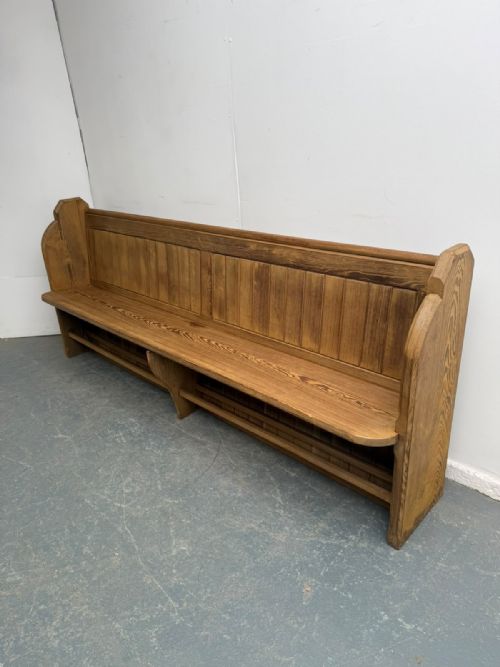
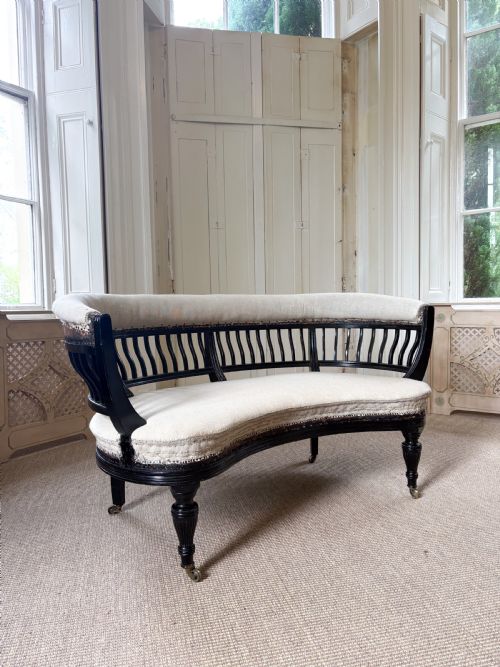

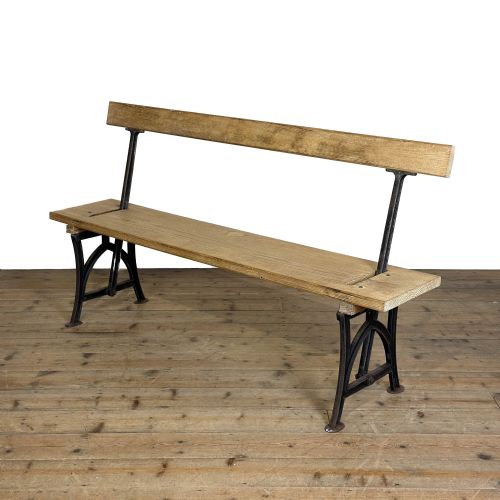
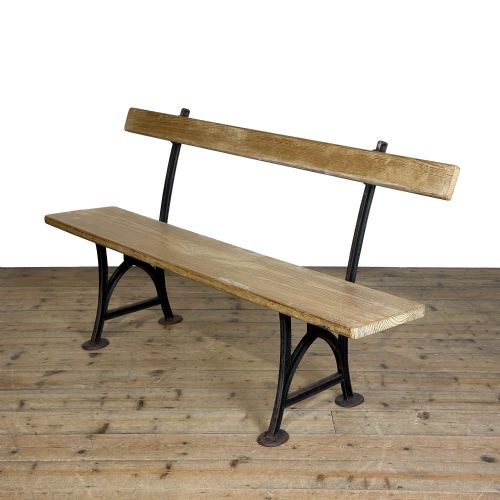
Antique Bench with Back
An antique bench with back offers enduring character and solid seating, making these historic pieces a practical centrepiece for any hall or room.
Antique Bench with Back
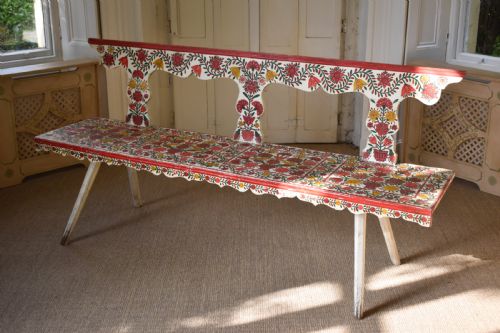
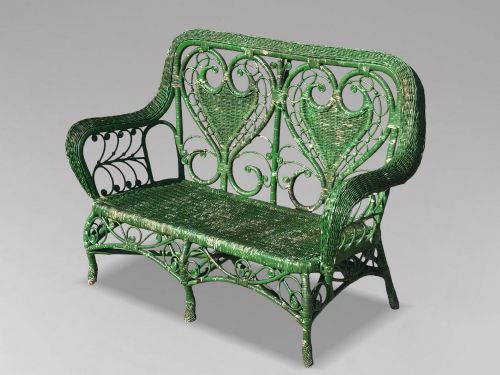
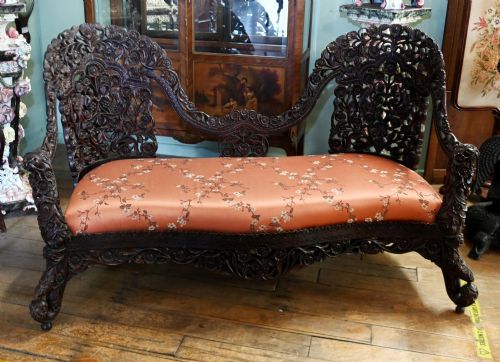
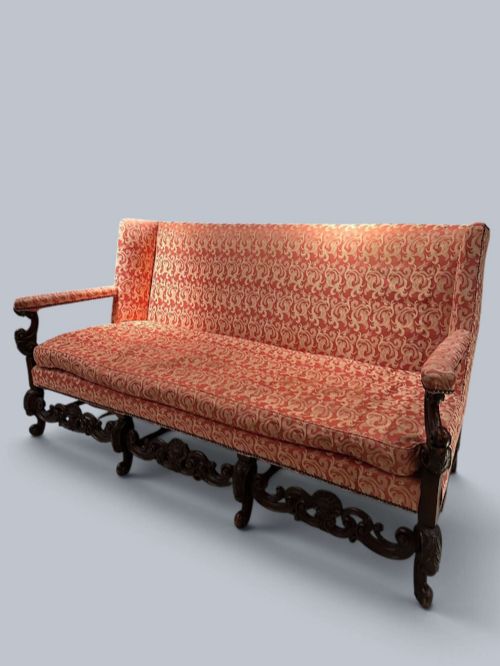
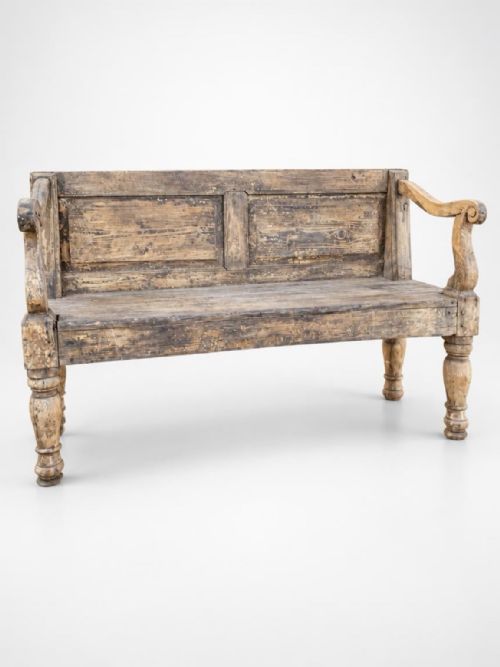
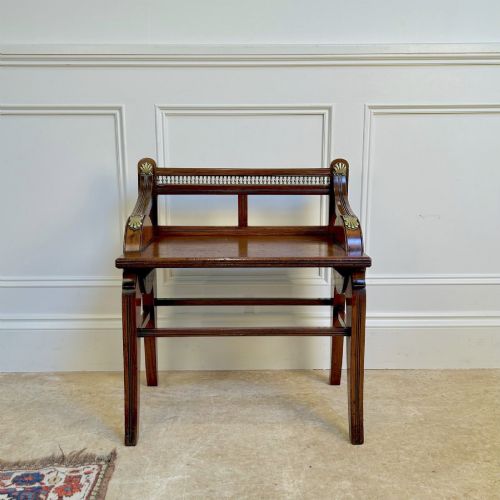
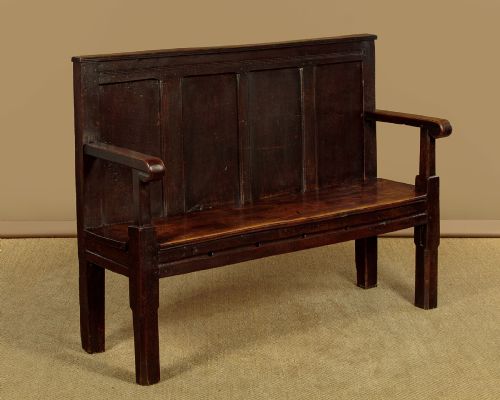
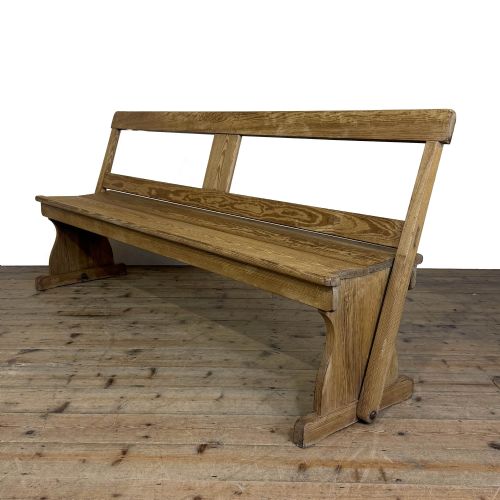
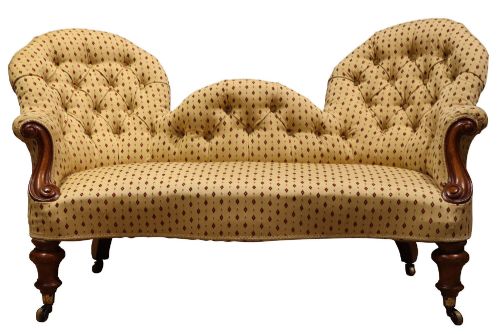
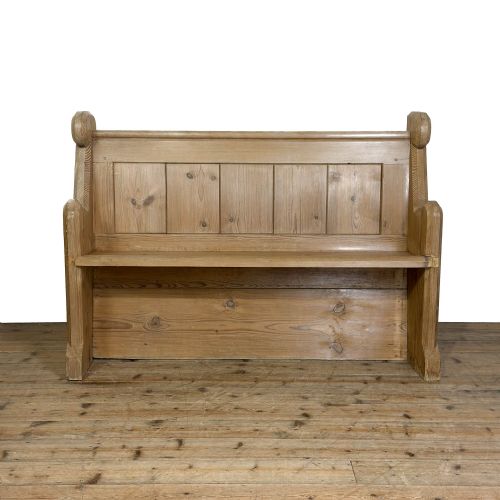
An antique bench with back encompasses robust oak and pine settles, church pews, hall seats and mahogany settees spanning from the seventeenth century through to the Edwardian era. These pieces served practical seating and storage needs in taverns, country houses, churches and domestic halls.
How they were made
Cabinetmakers and country joiners utilised solid hardwoods such as oak, mahogany and elm alongside softwoods like pine and pitch pine. Construction relied on traditional joinery techniques including pegged mortise and tenon joints to ensure structural stability for daily use.
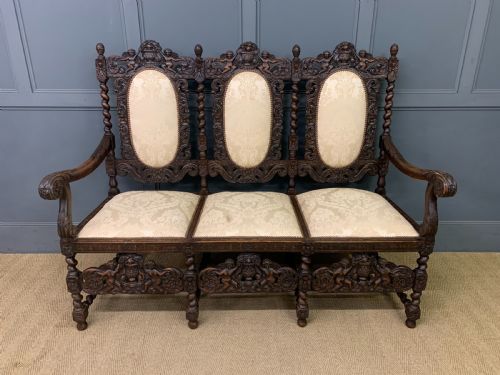
Surfaces were finished with wax, polished patinas or original paintwork, occasionally complemented by carved details such as tulip motifs or spindle backs. Upholstered variants incorporated fabric, leather or velvet with trim details.
Antique Bench with Back Retail Price Guide 2026
Typical asking prices for bench with back among the pieces listed under this phrase on Sellingantiques today, from the lower quarter to the upper quarter. They describe what is for sale here now, not the wider market.
Listings span multiple centuries from the seventeenth through the early twentieth, featuring pine, oak, mahogany, iron and fabric materials across styles like Arts & Crafts and Georgian.
What varies in quality
The distinction between standard examples and superior pieces rests on timber selection, surface preservation and structural integrity. Untouched original painted finishes, honest honey brown patinas and untouched board seats elevate a piece above later adaptations or stripped surfaces.
Proportion and execution of detail mark out the finer items, whether through crisp Chippendale-style carved chair backs on mahogany settees or the deliberate proportions of regional Welsh and English country settles.
James Shoolbred & Co.·Liberty
The Antique Bench with Back Glossary
- Settle
- A wooden wooden bench with a high back, solid arms and frequently a box seat for storage. They were positioned near hearths to shield occupants from cold draughts.
- Box settle
- A variant of the settle featuring a hinged seat lifting to reveal a storage chest beneath. This form maximised utility in compact historical interiors.
- Church pew
- A long wooden bench traditionally used for seating congregations in places of worship. Pitch pine and oak were standard materials for these utilitarian yet robust rows.
- Patina
- The surface sheen and colour acquired by wood through age, handling and polishing over centuries. An original patina indicates minimal past intervention.
- Chippendale-style
- A mid-eighteenth-century design influence characterised by elaborate carved ribbon backs and graceful proportions. Revival pieces adopted these aesthetic traits in later periods.
Antique Bench with Back: Frequently Asked Questions
Where were settles used historically?
Settles were traditionally placed in farmhouses, cottages and public taverns to provide communal seating near open fires. Their high wooden backs functioned as windbreaks in draughty rooms.
Over time, they also found placement in hallways for receiving guests and storing household items beneath the seat.
How do I care for a waxed wooden bench?
Maintain waxed pine and oak surfaces by applying a quality beeswax paste periodically and buffing with a soft cloth. Keep the timber away from direct heat sources to prevent splitting.
Avoid using modern liquid polishes containing silicone, which can build up and dull the historic patina.
Are these benches comfortable for daily seating?
Wooden settles and pews offer firm, upright support owing to their rigid timber construction. Many historical examples were designed for utility rather than lounging.
Adding a loose squab cushion or pad can improve comfort for extended daily use without altering the underlying bench.
How can I tell pine from oak on a settle?
Oak is a heavy hardwood featuring visible grain patterns and medullary rays, often darkening to a deep brown over centuries. Pine is a softer wood with lighter colouration and distinct growth rings.
Pine settles frequently carry painted finishes or develop a warm honey brown wax patina through prolonged handling.