




Antique Beech Furniture
Antique beech furniture brings tactile domestic utility and organic grain into a room, spanning rustic Windsor seating and steam-bent hall stands.
Antique Beech Furniture
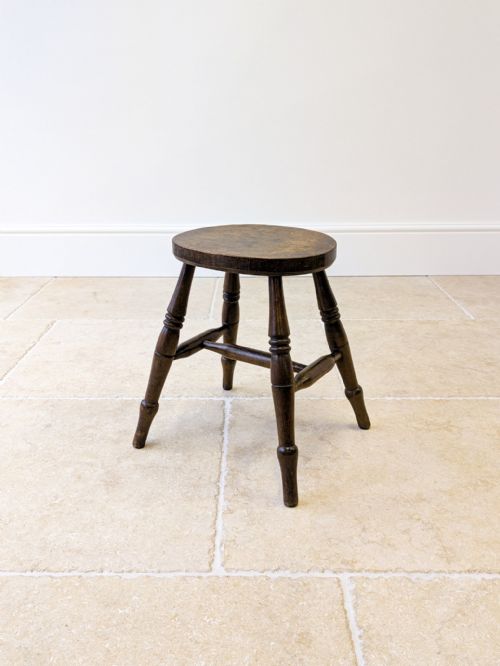
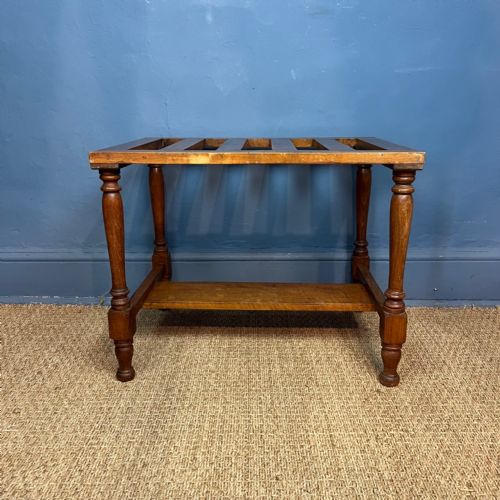
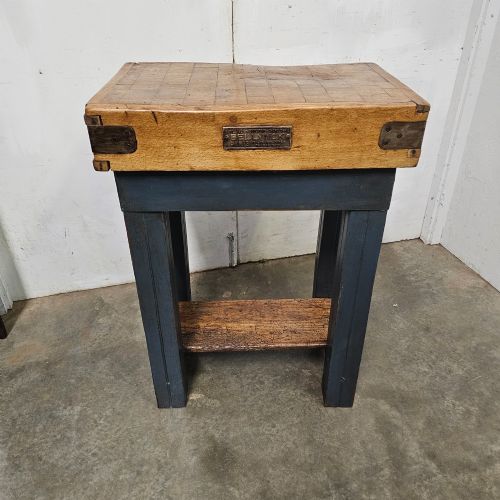
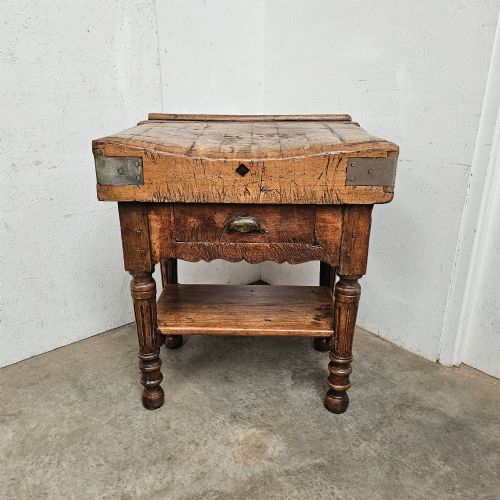
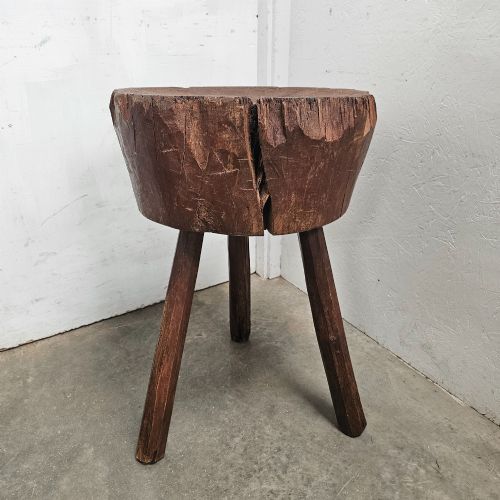
Antique beech furniture encompasses a diverse selection of domestic objects, ranging from heavy-duty butchers blocks and game blocks to domestic seating and hallway storage.
The material appears across multiple periods including Regency, Victorian, Edwardian, and the early twentieth century, showing both vernacular country traditions and urban industrial design.
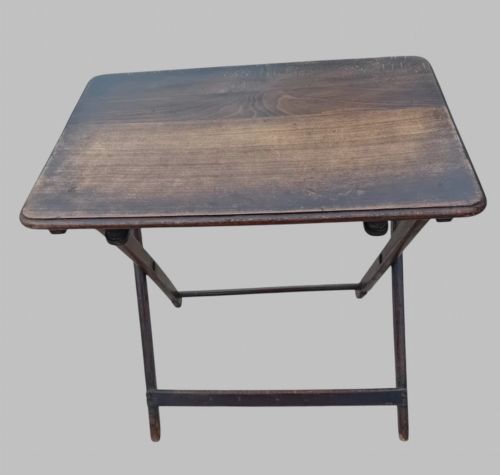
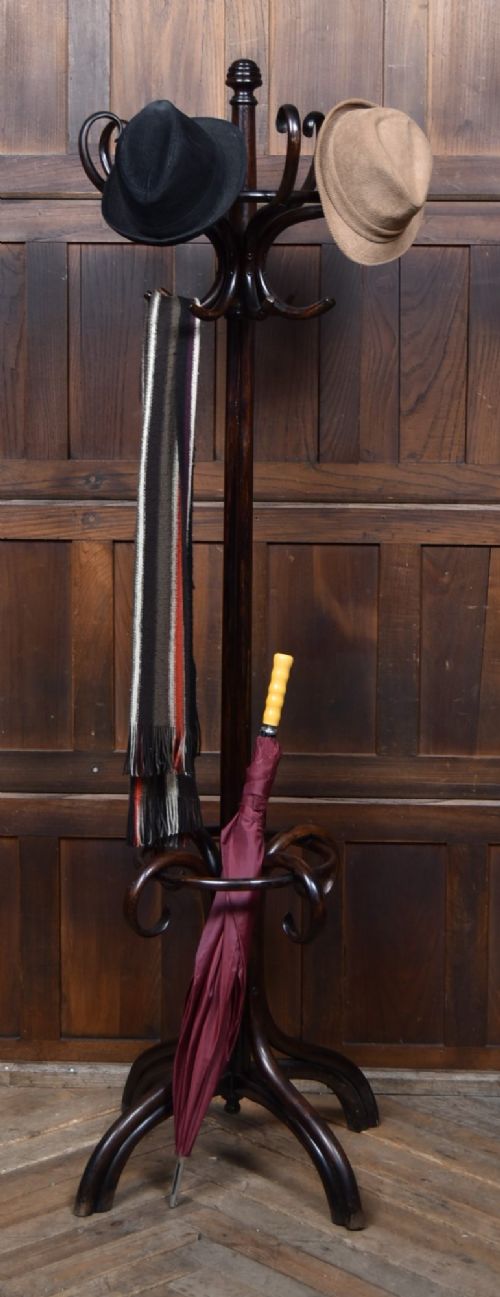
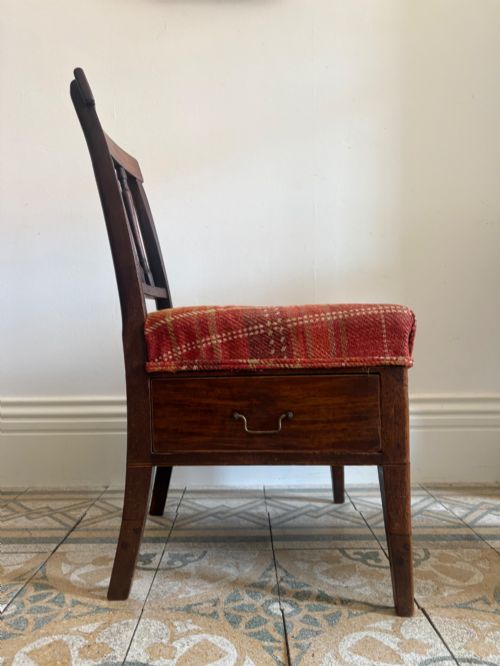
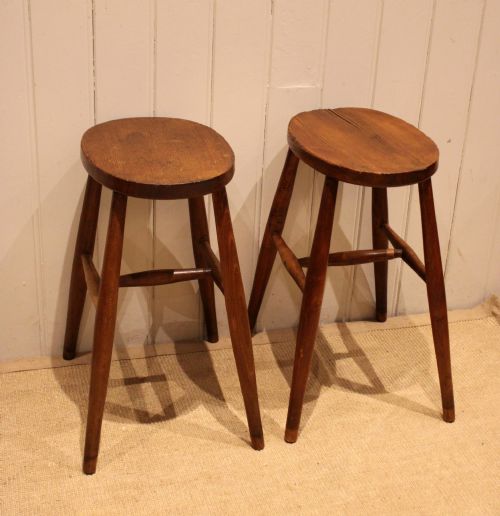
Buyers seeking antique beech furniture frequently encounter seating such as Windsor armchairs, side chairs, high chairs, and office armchairs alongside functional pieces like coat stands, folding tables, and console tables.
Materials and technique
Makers utilised the dense, tight grain of beech alongside supportive secondary timbers such as elm, ash, and mahogany, frequently pairing turned spindles with solid timber seats and panels.
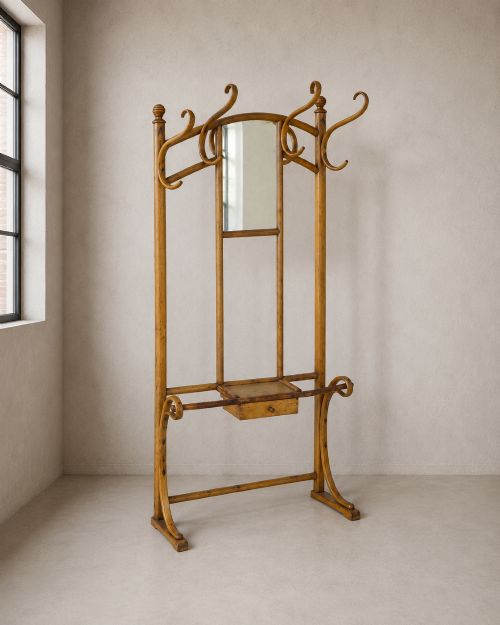
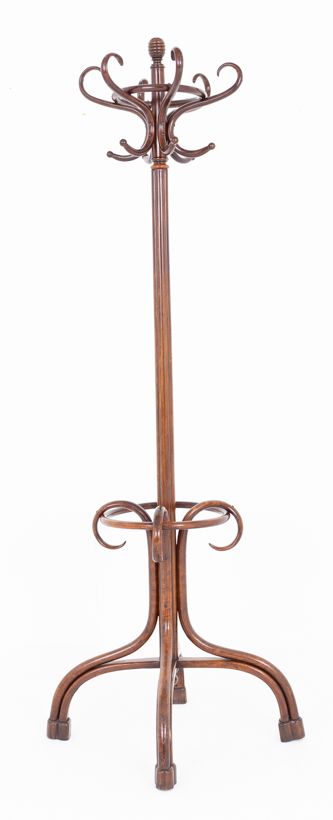
Steam-bending technology allowed craftsmen to shape continuous structural members for bentwood coat stands, hall stands, and seating without the need for complex joinery.
Surface finishes include painted treatments, natural honey-coloured polishes, and stained surfaces that accentuate the distinctive figuring of the wood.
Antique Beech Furniture Retail Price Guide 2026
Typical asking prices for beech furniture among the pieces listed under this phrase on Sellingantiques today, from the lower quarter to the upper quarter. They describe what is for sale here now, not the wider market.
Listings feature beech combined with elm, ash, and mahogany across items dating from the Regency period through to the 1920s.
Quality and construction
Superior examples display precise turning on spindles and structural supports, ensuring physical stability alongside the intended decorative aesthetic.
The integrity of bentwood items depends on the sustained tension of the steam-formed curves and the retention of original components such as double tops and bergère panels.
Material pairing distinguishes vernacular pieces, where contrasting woods like elm seats and beech legs demonstrate purposeful selection by the maker.
Thonet
The Antique Beech Furniture Glossary
- Bentwood
- Wood shaped by applying steam to soften the fibres before bending it into curves. This technique defines hall stands and seating produced by makers like Thonet.
- Windsor
- A chair construction method featuring a solid wooden seat into which the legs, back spindles, and bow are separately socketed. These chairs frequently combine beech with elm.
- Bergère
- A woven cane panel used for seats or inserts. It provides a flexible and decorative surface on seating.
- Campaign style
- Portable furniture designed for travel, featuring folding elements. These pieces allow for easy transport and compact storage.
Antique Beech Furniture: Frequently Asked Questions
What is bentwood furniture?
Bentwood furniture is formed by steaming strips of timber until pliable and bending them into rounded structural components. This process creates lightweight yet durable frames.
Items produced with this method include coat stands, hat stands, and specialist seating found in domestic hallways and interiors.
How do I date antique beech chairs?
Dating relies on stylistic markers such as turned spindle profiles, construction joints, and associated materials like elm seats or rush inserts. Comparing the form against documented Victorian or Edwardian designs clarifies the period.
Design evolutions from Regency country chairs through to Art Nouveau highback dining chairs provide firm chronological indicators.
Where were beech butchers blocks used?
Beech butchers blocks and game blocks served as heavy-duty preparation surfaces in domestic kitchens and commercial food trades. Their dense end-grain construction resisted heavy chopping.
These utilitarian pieces now function as standalone kitchen islands and decorative bases within modern interiors.
Are beech coat stands sturdy?
Bentwood and turned timber coat stands utilise wall-standing designs and stable weighted or splayed bases to support heavy garments and hats. Their structural integrity depends on the original steam-bent curves remaining tight.
Double-top configurations distribute weight evenly across the upper hanging hooks.