


Antique Beech Chair
An antique beech chair brings sturdy domestic utility and varied regional styles from nineteenth and early twentieth century workshops into contemporary rooms.
Antique Beech Chair
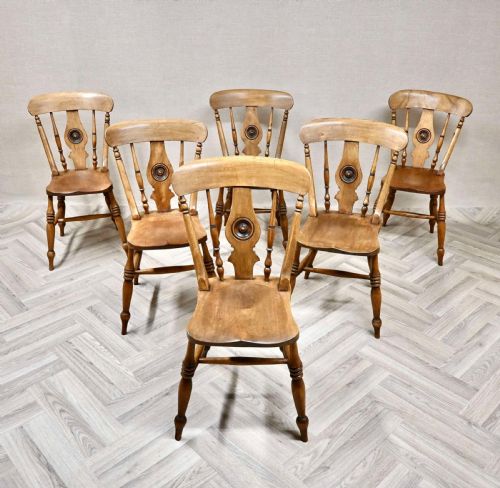
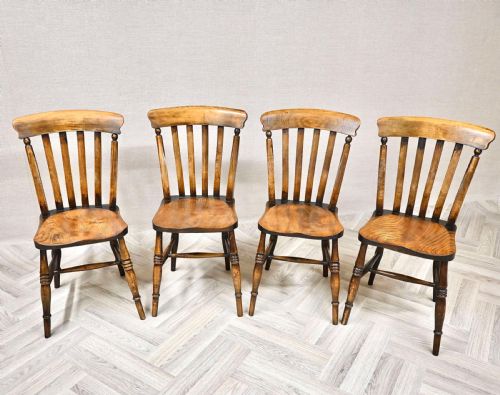
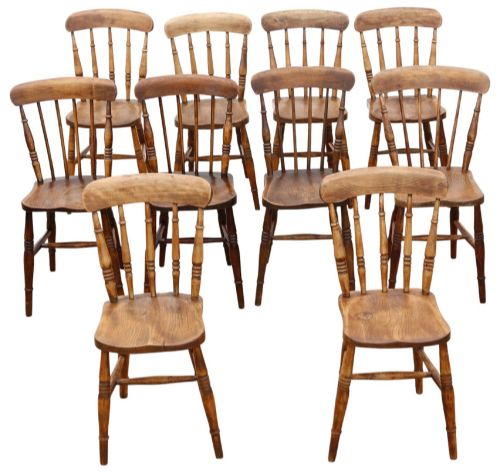
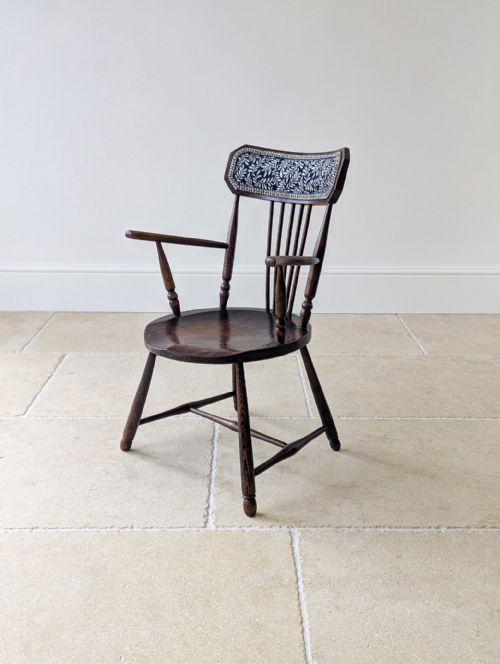
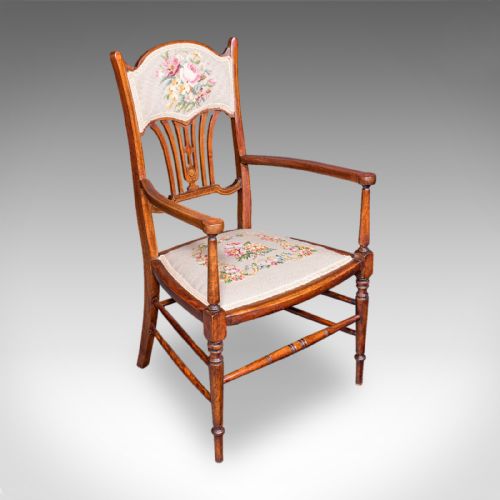
When searching for an antique beech chair, buyers encounter everything from humble kitchen seating to refined parlour furnishings produced across the nineteenth and early twentieth centuries.
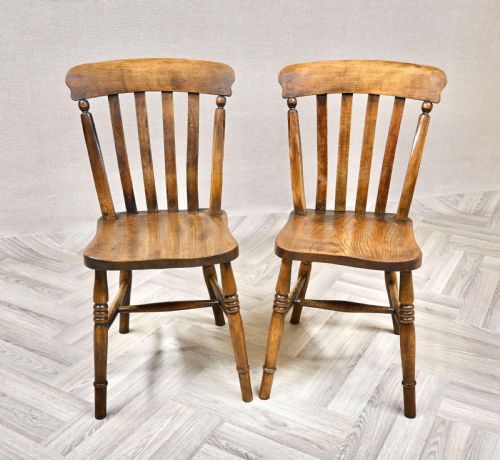
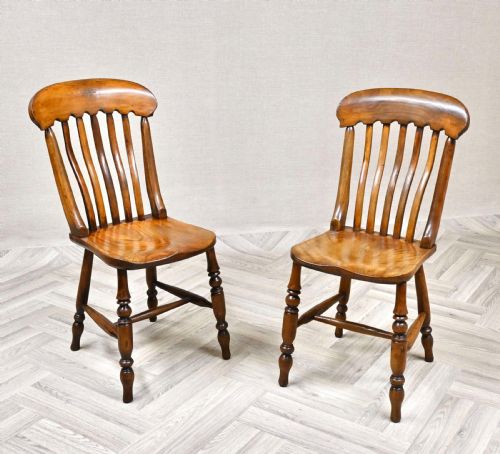
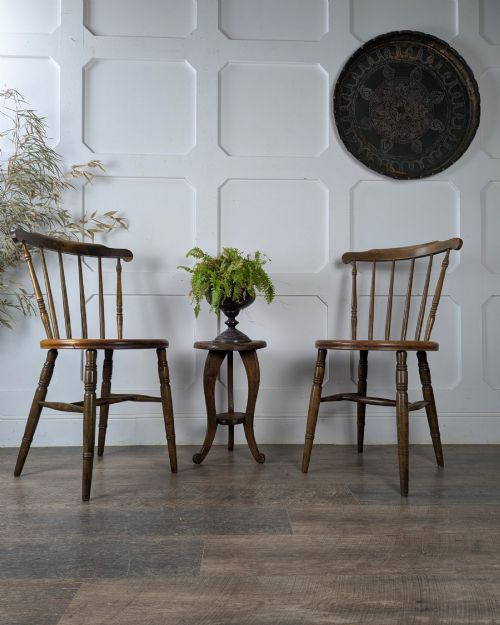
The most common forms on this page are Windsor and kitchen dining chairs, frequently paired with elm seats, alongside office desk swivel chairs and bentwood cafe seating.
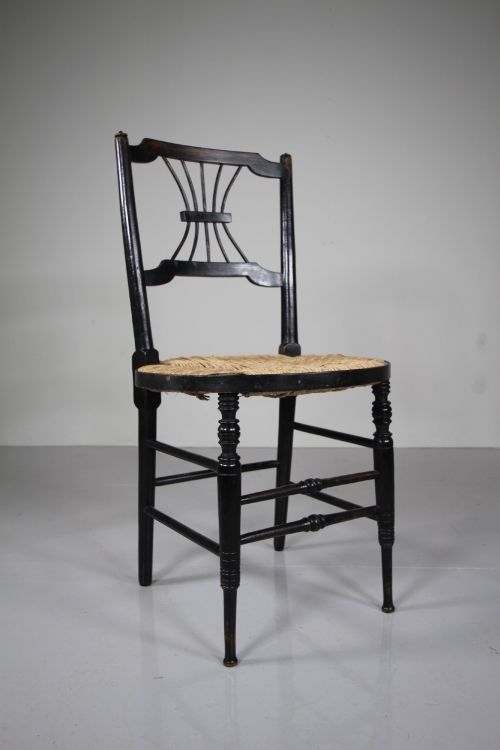
Pieces span Victorian country vernacular, Edwardian arts and crafts movements, and continental revivals, reflecting the wood's widespread versatility.
Materials and Construction
Makers utilised beech for its strong turning and bending properties, often combining it with elm for solid saddle seats or woven rush and leather inserts.
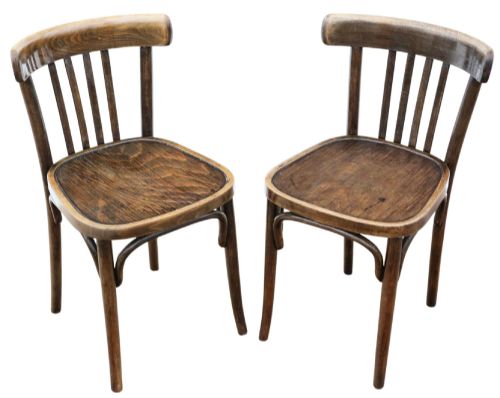
Steam-bending technology shaped smooth components for bentwood rocking and bistro models, while traditional Windsor construction employed turned spindles and wedged tenons.
Several chairs include built-in drawers beneath the seat for storing small writing requisites.
Markers of Distinction
Quality rests on the integrity of the timber selection, the crispness of the turnery, and whether structural joints remain tight after decades of heavy domestic use.
Original surface patination, such as preserved old paint, polished grain, or untouched leather upholstery, distinguishes superior survivals from heavily restored examples.
Jacob and Josef Kohn·Codina
The Antique Beech Chair Glossary
- Bentwood
- Wood softened by steam and pressed into curved forms using metal straps and moulds. This technique enabled lightweight, flowing frames for cafes and rocking chairs.
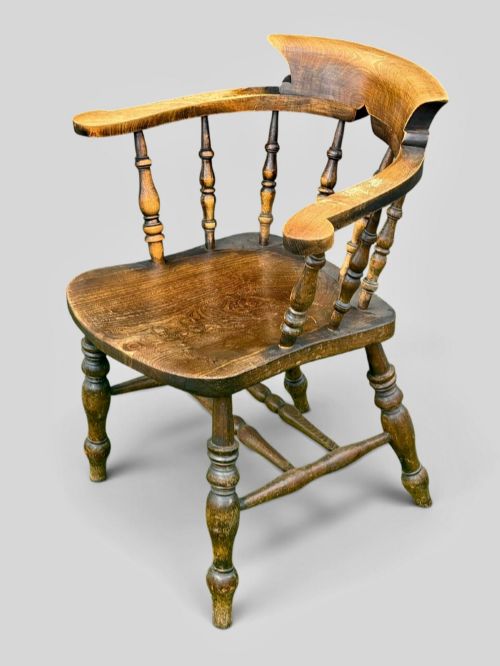
- Smoker's Bow
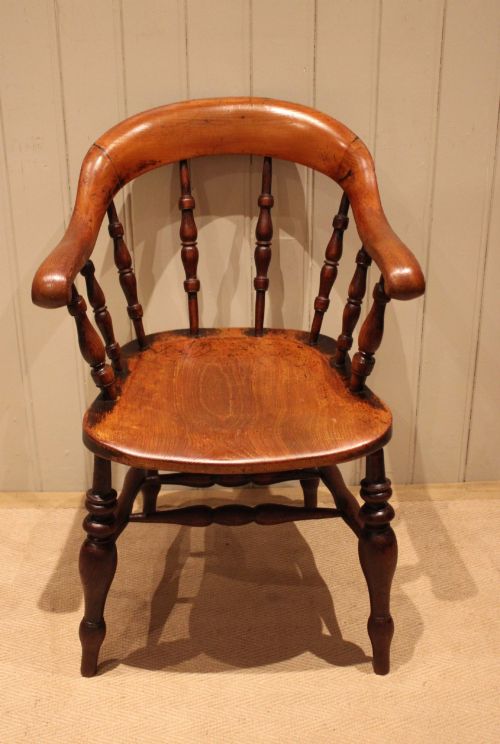
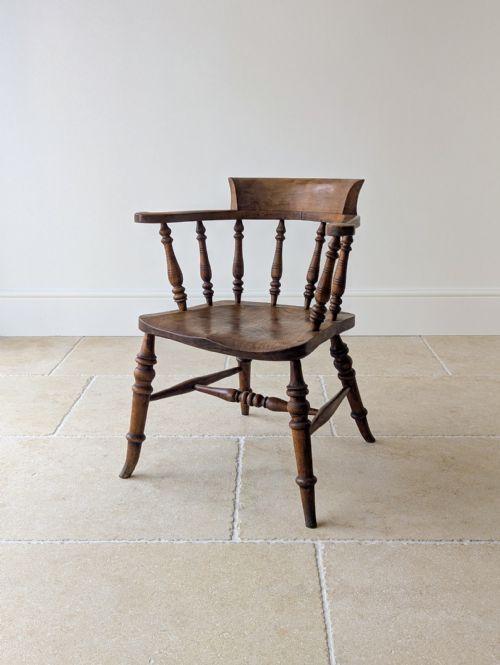
- A low-backed Windsor armchair with a continuous curved armrail supported by turned spindles. These robust seats served nineteenth-century parlours and offices.
- Windsor
- A chair built with a solid wooden seat into which the legs, back spindles, and bow are separately bored and secured. Elm and beech combinations frequently formed these sturdy frames.
- Harlequin Set
- A mismatched collection of dining chairs sharing similar styles, periods, or materials. Such sets assembled over time offer varied character around a dining table.
- Rush
- Dried marsh grass twisted into cords and hand-woven to create supportive, textured seating panels. This traditional technique appears frequently on arts and crafts frames.
Antique Beech Chair: Frequently Asked Questions
What is an antique beech chair?
An antique beech chair is a seating piece constructed primarily from European beech wood, dating from the nineteenth or early twentieth centuries. These range from simple farmhouse kitchen seats to professional office swivel chairs.
Because beech takes turning and steam-bending exceptionally well, makers utilised it across diverse styles including Windsor, Arts and Crafts, and bentwood bistro designs.
How were Windsor chairs made?
Windsor chairs were constructed by boring holes directly into a thick, shaped wooden seat base made from elm. Into this solid foundation, turners fitted separate beech legs, spindles, and back bows.
This method created a remarkably robust frame without requiring traditional box underframes, allowing the wood's natural grain to handle daily stresses.
How do I date an antique beech chair?
Dating relies on examining construction methods, tool marks, joinery wear, and stylistic cues from periods like the Victorian era or Edwardian decades. Machine-cut components indicate later industrial production towards the end of the nineteenth century.
Matching the design characteristics with known regional patterns and recorded maker outputs helps narrow the production timeframe.
Can I use an antique office chair daily?
Many antique office and desk chairs feature revolving mechanisms and leather pads well-suited for regular modern use. Checking the stability of the central screw thread and undercarriage ensures safe daily sitting.
Leather upholstery and wooden frames benefit from standard conditioning treatments to maintain their resilience under continuous workspace conditions.