




Antique Bedside Mirror
An antique bedside mirror sits ready on your surface, bringing period glass and timber together to complete a historic bedroom.
Antique Bedside Mirror
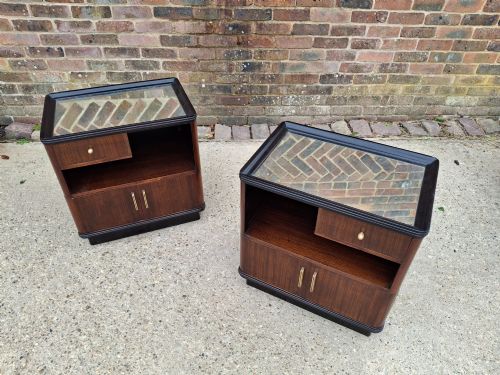
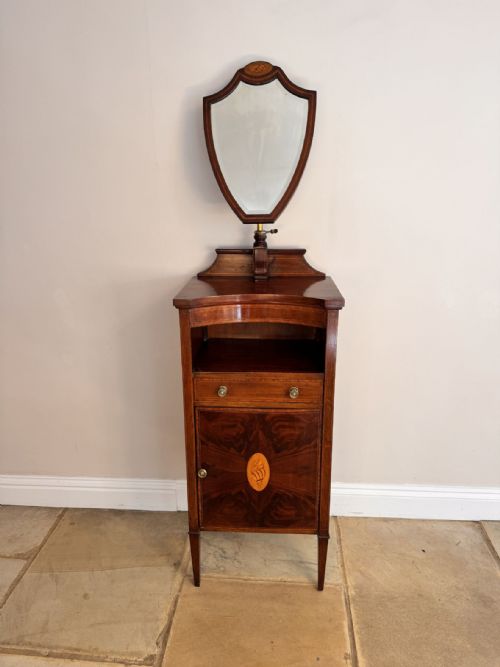
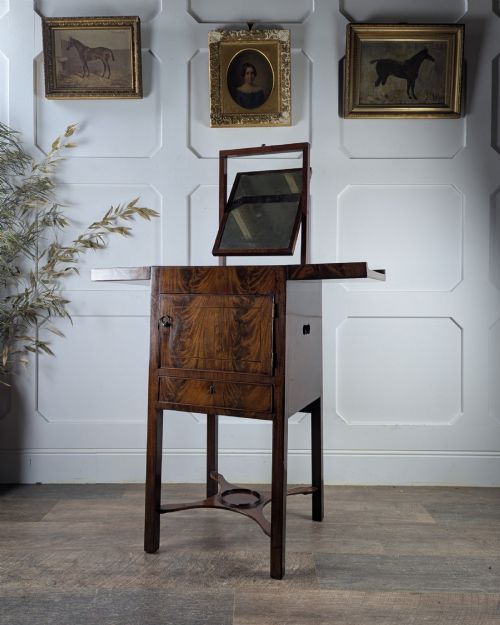
An antique bedside mirror is a small tabletop or cabinet glass designed for the bedroom, often appearing alongside related furnishings like cabinets, chests, and dressing tables. When you search for an antique bedside mirror, you encounter pieces spanning from the Georgian era through Victorian, Edwardian, and Art Deco periods.
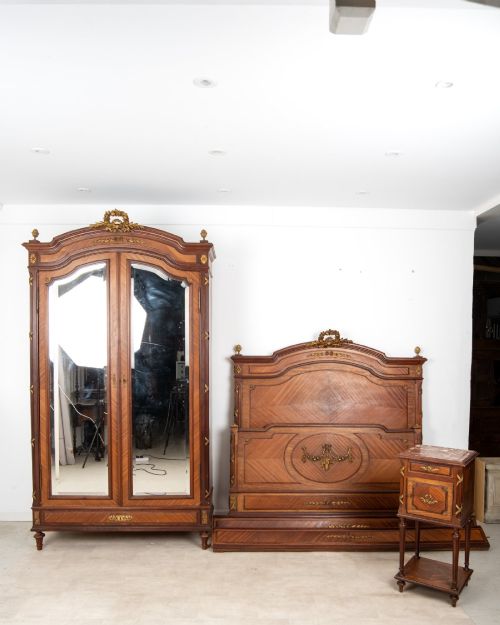
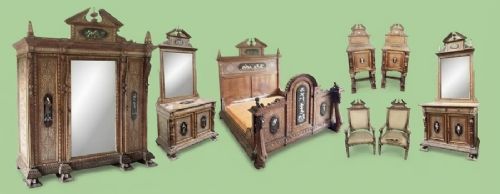
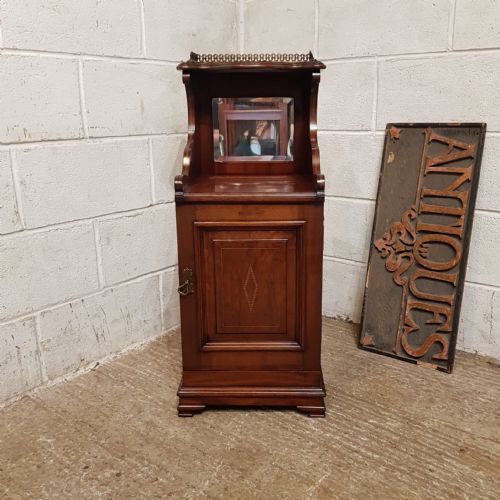
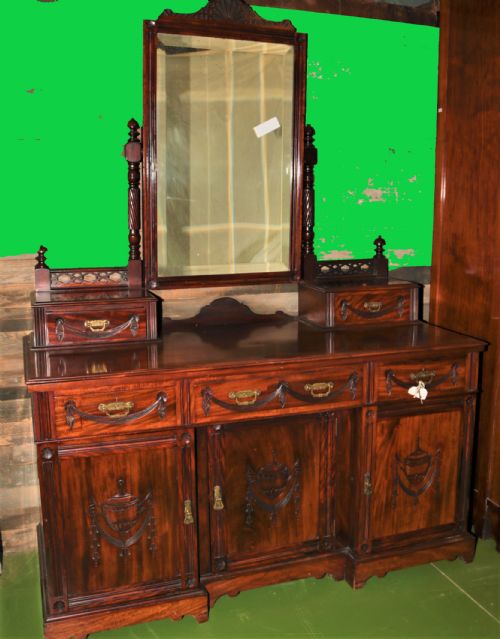
The selection here encompasses various related bedroom furniture forms, including bedside cabinets, washstands, and dressing tables, reflecting how historic chambers were furnished. These items emerge in woods such as mahogany, walnut, and rosewood, alongside styles from simple Victorian forms to elaborate Louis XVI and Louis XV revivals.
Makers and makers' marks occasionally surface on items within larger suites, such as those by Waring & Gillows, or clocks by Smiths, showing the breadth of craftsmanship. Whether you choose a simple inlaid chest with its matching surface glass or a full bedroom suite, these pieces bring period utility to a modern home.
How they were made
Cabinet makers utilised dense timbers like mahogany, Cuban mahogany, walnut, and rosewood, often applying intricate marquetry or wood inlays to the surfaces. Brass mounts, ormolu, and marble tops further enhanced the finish of these domestic pieces.
Glass production and silvering techniques of the nineteenth and early twentieth centuries created the reflective surfaces seen in these mirrors and table tops. Joinery methods relied on traditional cabinet-making skills, resulting in robust bedside furniture and associated bedroom suites.
Antique Bedside Mirror Retail Price Guide 2026
Typical asking prices for bedside mirror among the pieces listed under this phrase on Sellingantiques today, from the lower quarter to the upper quarter. They describe what is for sale here now, not the wider market.
Some Edwardian cupboards hide secrets of their own, designed to match grand bedroom suites that once filled stately Victorian chambers.
What varies in quality
The distinction between standard production and finer work lies in the choice of timber figure, such as selected Cuban mahogany or figured walnut, and the precision of the marquetry. Superior examples display refined proportions, integrated brass or ormolu mounts, and harmonious matching within larger bedroom suites.
Condition of the original glass, the integrity of the wood finish, and the quality of associated hardware like handles and hinges dictate the standing of an individual piece. Lesser items show simpler construction or later alterations, whereas better survivals retain their original surfaces and matching components.
Waring & Gillows·Smiths
The Antique Bedside Mirror Glossary
- Marquetry
- The art of applying decorative pieces of veneer to a structure to form intricate patterns. This technique frequently appears on Edwardian and Victorian bedroom furniture.
- Ormolu
- Gilded bronze applications used as mounts on furniture and decorative objects. It is often found on pieces influenced by French Louis styles.
- Cuban Mahogany
- A dense and richly figured hardwood prized by cabinet makers in the Georgian and later periods. It provides a dark, deep grain that ages with a fine patina.
- Breakfront
- A piece of furniture whose central section projects forward from the sides. This architectural form is seen on larger wardrobes and matching bedroom suites.
- Washstand
- A historic piece of furniture designed to hold a basin and pitcher for washing. These often feature marble tops and companion cupboards.
Antique Bedside Mirror: Frequently Asked Questions
What periods do these mirrors come from?
The pieces span from the Georgian era through the Victorian and Edwardian decades, stretching up to Art Deco designs of the 1930s. Each era brings distinct timber choices and decorative styles.
Cabinet work evolved from heavy mahogany and rosewood solids to lighter inlaid marquetry and mirrored occasional tables as tastes shifted through the nineteenth and twentieth centuries.
How were bedside mirrors used historically?
Bedside mirrors and small dressing surfaces provided a convenient spot for morning and evening grooming within the private sleeping chamber.
They sat upon matching bedside cabinets, chests, or washstands, often forming part of a wider suite that included wardrobes and beds.
Are these pieces part of larger suites?
Many items originate from matched bedroom suites produced by cabinet makers, pairing wardrobes, beds, dressing tables, and bedside cabinets together.
Some pieces survive as individual chests or tables, while others retain their companion pieces from the same workshop.
What materials should I look for?
Construction relies heavily on traditional hardwoods such as mahogany, Cuban mahogany, walnut, and rosewood. Decorative elements include brass fittings, ormolu, and marble.
Glass forms the central reflective surface, occasionally appearing as a mirror-topped surface on later Art Deco occasional tables.