




Antique Bedroom Lamp
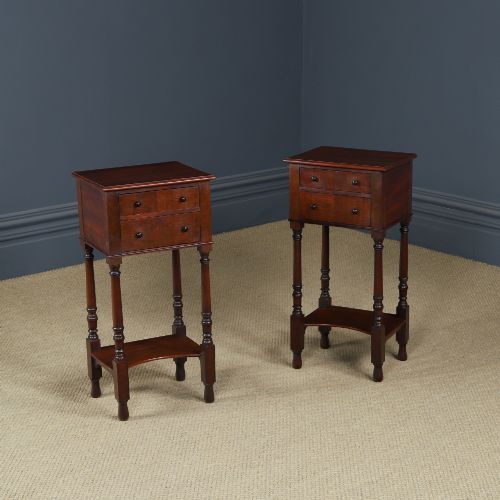
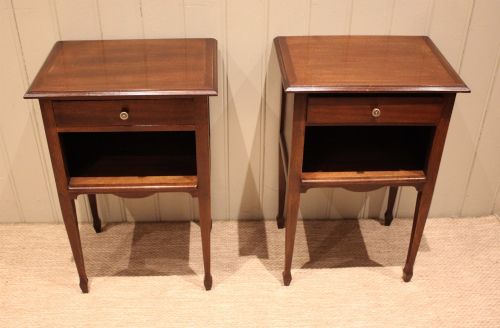
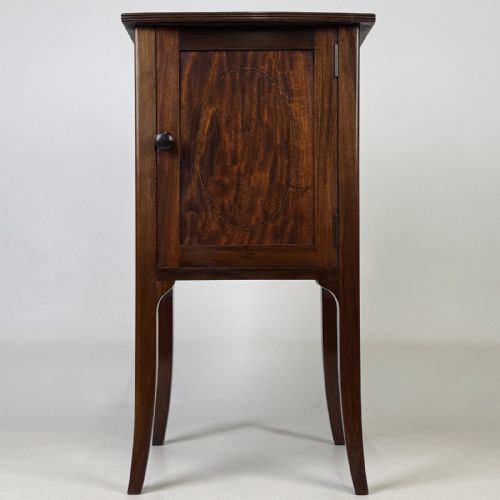
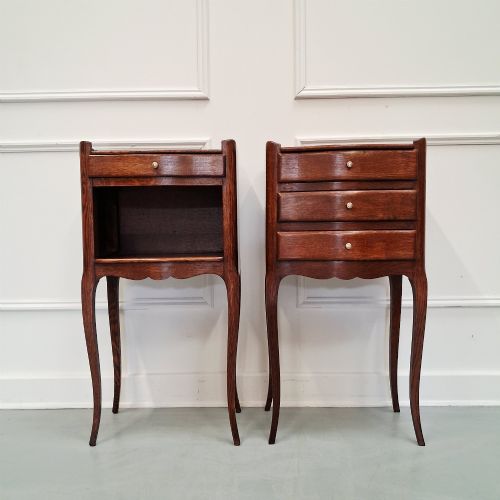
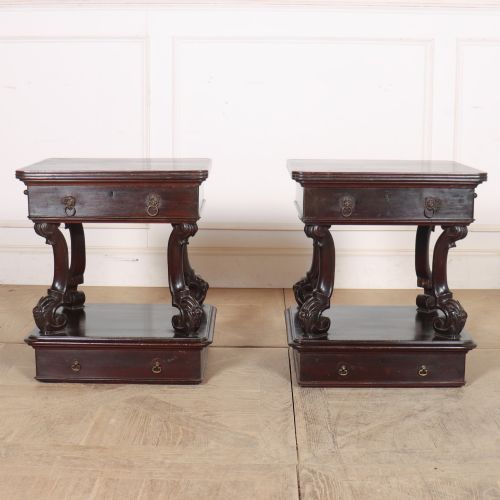
An antique bedroom lamp often takes the form of a small table or cabinet designed to hold a light beside the bed.
Antique Bedroom Lamp
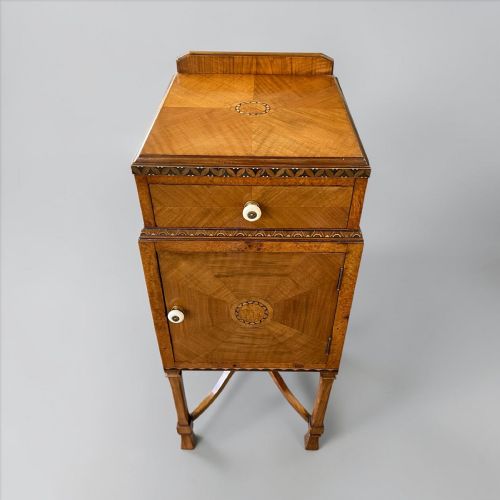
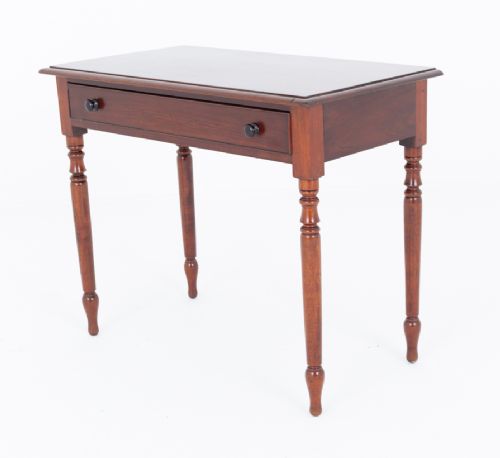
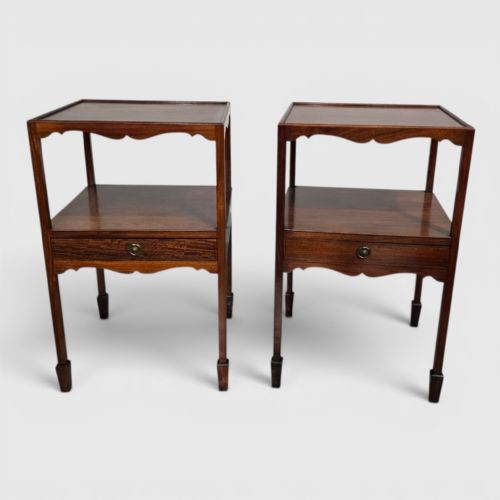
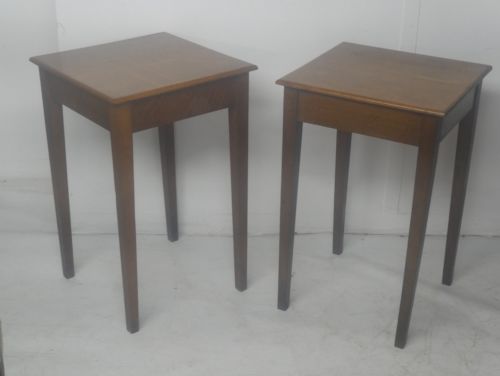
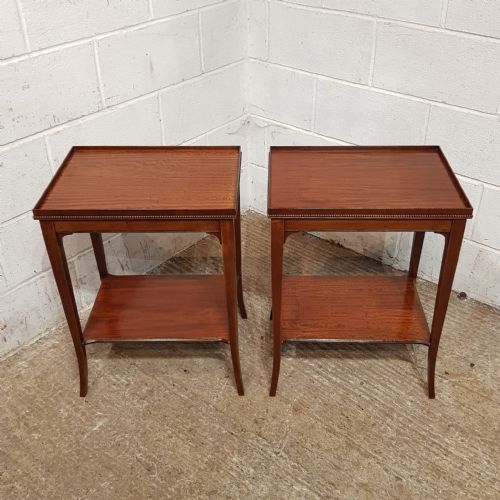
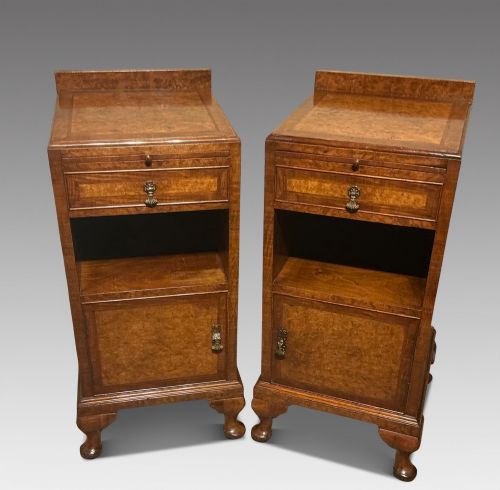
When searching for an antique bedroom lamp, buyers encounter various low-standing furniture pieces intended to support bedside lighting alongside dedicated illumination fixtures like wall lights and table lamps. The selections span compact bedside tables, cabinets, pot cupboards, and nightstands that serve both utilitarian and decorative purposes within sleeping quarters.
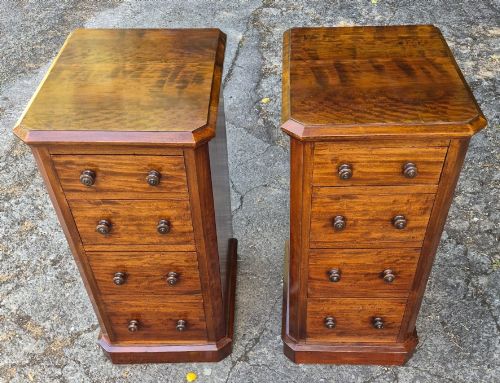
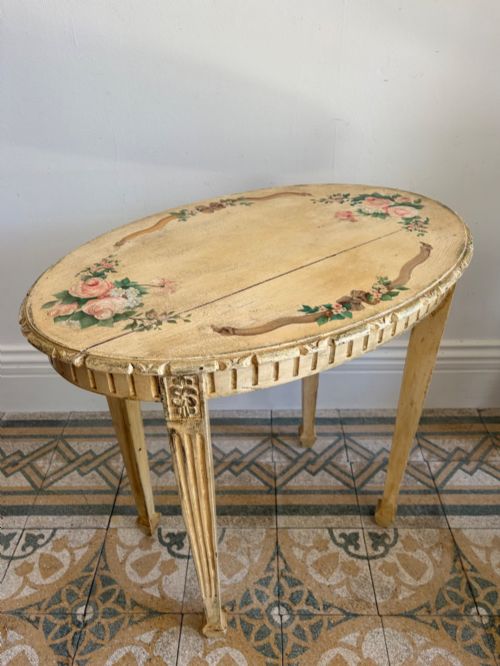
The dominant forms on this page include mahogany and walnut bedside cabinets from the Victorian and Edwardian eras, alongside Art Deco burr walnut pieces and occasional tables adapted for lamp placement. Many examples appear as matched pairs, offering symmetry for placement on either side of a bed.
Origins range across British, French, and Irish workshops, showing historical shifts from Georgian and Regency formal designs toward the functional enclosed cupboards and open lamp tables popular through the nineteenth and early twentieth centuries.
Materials and construction
Cabinetmakers utilised dense hardwoods such as mahogany and walnut, frequently applying decorative veneers, burr walnut, and satinbirch over supportive timber carcases. Metal components such as bronze, brass, and ormolu appear on lighting fixtures and hardware fittings.
Construction methods rely on traditional joinery techniques suited to small-scale furniture and lighting mounts, combining solid timber framing with fine surface preparation, hand-painting, and polished finishes.
Antique Bedroom Lamp Retail Price Guide 2026
Typical asking prices for bedroom lamp among the pieces listed under this phrase on Sellingantiques today, from the lower quarter to the upper quarter. They describe what is for sale here now, not the wider market.
The listings show walnut and mahogany as the primary timbers, spanning Victorian, Edwardian, and Art Deco periods.
Assessing quality in bedside pieces
Quality rests upon the choice of timber figure, such as the selection of richly grained burr walnut or figured mahogany, and the precision of the underlying cabinet construction. Superior pieces display harmonious timber matching across paired items and refined proportions that suit domestic spaces.
The integrity of original surfaces, drawer actions, and the crispness of applied decorative details or hand-painted elements distinguish finer workshop output from simpler utilitarian items.
The Antique Bedroom Lamp Glossary
- Pot cupboard
- A small bedside cabinet originally designed to enclose a chamber pot, now commonly utilised as a lamp stand or nightstand.
- Burr walnut
- A decorative timber veneer harvested from the gnarled growths of a walnut tree, prized for its swirling, highly figured grain patterns.
- Nightstand
- A small low table or cabinet positioned beside a bed to hold personal items and a bedside lamp.
- Ormolu
- Gilt bronze ornamentation cast and chased for application onto furniture mounts, clocks, and candelabra during the eighteenth and nineteenth centuries.
Antique Bedroom Lamp: Frequently Asked Questions
What is an antique bedside lamp table?
These pieces are compact tables or enclosed cabinets built to hold a reading light and personal items next to a bed.
They reflect the domestic habits and cabinetmaking styles of the Victorian, Edwardian, and Art Deco periods.
How do I choose between a cabinet and an open table?
Enclosed cabinets provide concealed storage behind doors for nighttime necessities, keeping the bedroom surface tidy.
Open tables offer a lighter visual footprint and space underneath for books or a secondary small shelf.
Are these pieces usually found as pairs?
Many bedside tables and lamp stands from the nineteenth and early twentieth centuries survive as matched pairs.
Symmetry is common in bedroom furniture design to balance the placement of lamps on either side of the bed frame.
How do I identify the period of a bedside cabinet?
Dating relies on timber choices, construction methods, and stylistic cues such as Georgian proportions or Art Deco veneers.
Cabinet hardware and leg shapes also provide clear indicators of the era in which the piece was constructed.