
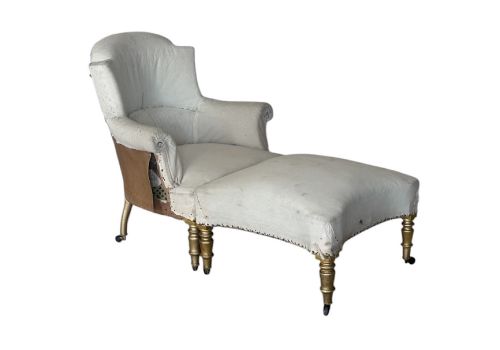


Antique Bedroom Chair Stool
These antique bedroom chair stool pieces combine seating and foot support for dressing areas, offering period craftsmanship from the nineteenth and early twentieth centuries.
Antique Bedroom Chair Stool
An antique bedroom chair stool encompasses low seating furniture intended for dressing rooms and chambers, spanning forms like footstools, dressing table stools, and matching armchair sets. Buyers searching this phrase frequently encounter Victorian walnut and rosewood dressing table stools alongside nineteenth-century window seats and French-influenced armchairs.
The selection ranges from simple cabriole-legged rosewood stools to elaborate pairs of window seats and matching armchair combinations dated around nineteen twenty. Pieces span several eras, recording periods from eighteen hundred through the early twentieth century.
Makers utilised various foundational woods such as mahogany, walnut, and rosewood, often pairing them with textile upholstery or needlepoint covers. Forms include corner stools, music chairs, and step commodes reflecting styles from Regency to Gothic Revival.
Materials and construction methods
Craftsmen shaped dense hardwoods like mahogany, walnut, and rosewood into structural frames, frequently incorporating carved cabriole legs or twisted rope supports. Giltwood accents also appear alongside exposed open frames in window seats and armchairs.
Upholstery relies on textiles, fabric, and needlepoint work applied to support seating surfaces, dressing stools, and footstools. Restorers frequently renew these fabric covers while retaining the underlying wooden framework.
Listings feature items from eighteen hundred through nineteen twenty, utilising mahogany, walnut, rosewood, and brass.
Factors determining quality
The degree of hand-carved detail on wooden frames and the choice of primary timber distinguish finer examples, with rich rosewood and figured walnut commanding attention. The complexity of leg forms, such as crisp cabriole shaping or twisted rope turning, marks superior craftsmanship.
The preservation of original structural integrity alongside quality upholstery materials like needlepoint or tailored fabric dictates the standing of each piece. Matching sets and pairs demonstrate higher consistency in design execution.
The Antique Bedroom Chair Stool Glossary
- Cabriole leg
- A furniture leg that curves out and then tapers inward, mimicking an animal's leaping leg. This form appears frequently on Victorian stools and chairs.
- Prie Dieu chair
- A devotional chair featuring a low seat and a tall, narrow top rail designed for kneeling and praying. These pieces often utilise rosewood or walnut.
- Duchess brisee
- A two-part chaise longue comprising an armchair and a matching footstool or chair combined to form a daybed. French nineteenth-century examples showcase this configuration.
- Window seat
- An elongated upholstered bench designed to fit within a window recess. These items are constructed in pairs using mahogany or rosewood frames.
- Needlepoint
- Hand-stitched canvas embroidery utilised for covering seat cushions and dressing table stools. This textile technique provides decorative patterned surfaces.
Antique Bedroom Chair Stool: Frequently Asked Questions
What is a dressing table stool?
A dressing table stool is a low seat designed specifically for use in a bedroom or dressing area, usually paired with a vanity or dressing table.
These pieces typically feature upholstered tops in fabric or needlepoint, supported by wooden frames with cabriole legs or turned supports.
How do I identify a Victorian stool?
Victorian stools are identified through their use of dense hardwoods like rosewood and walnut, combined with period specific carving techniques.
Common markers include cabriole legs, needlepoint upholstery, and proportions suited for nineteenth-century chambers and dressing rooms.
What is a step commode?
A step commode is a specialised piece of furniture that conceals a chamber pot beneath hinged steps used for reaching high beds or shelves.
Originating around eighteen hundred, these mahogany items combined practical bedroom utility with refined cabinetmaking.