


Antique Bedroom Cabinets
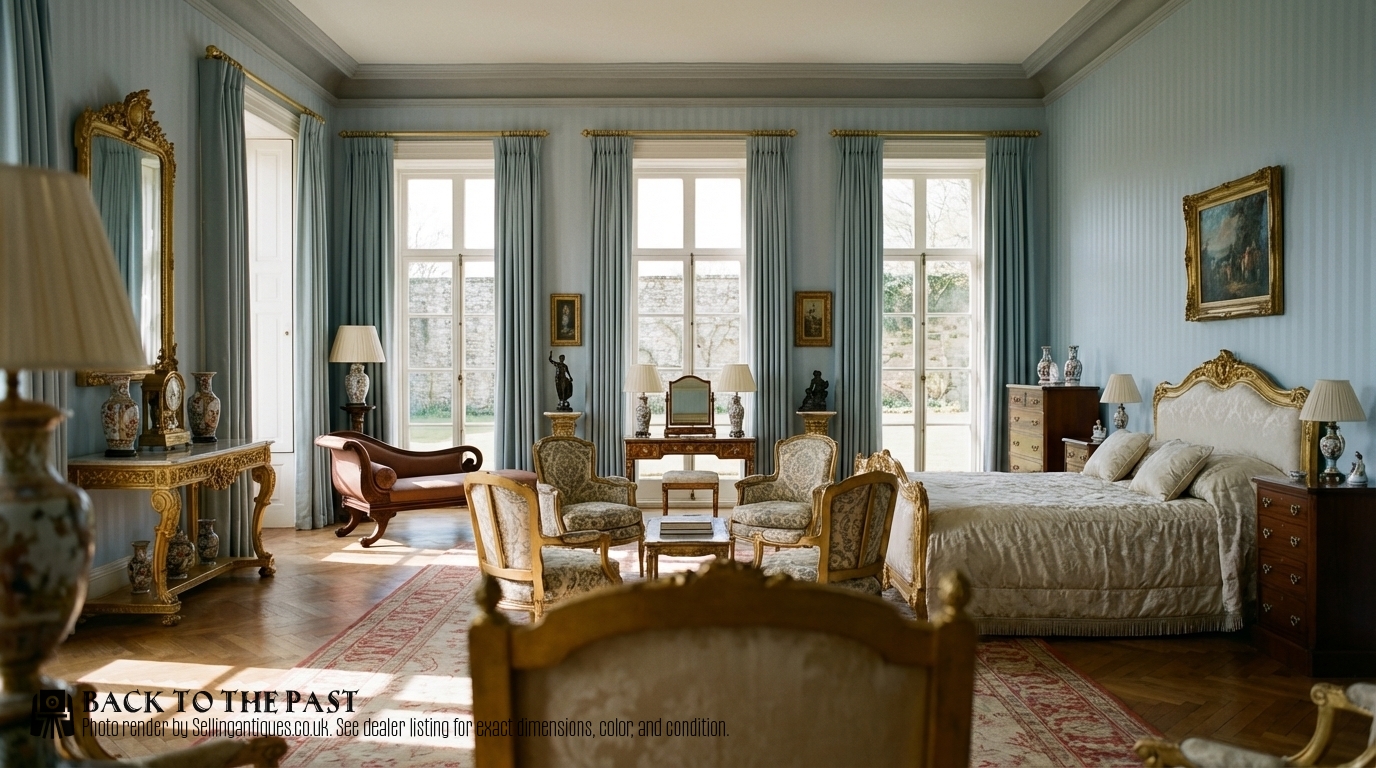
These antique bedroom cabinets bring practical surface space and period character beside the bed.
Antique Bedroom Cabinets
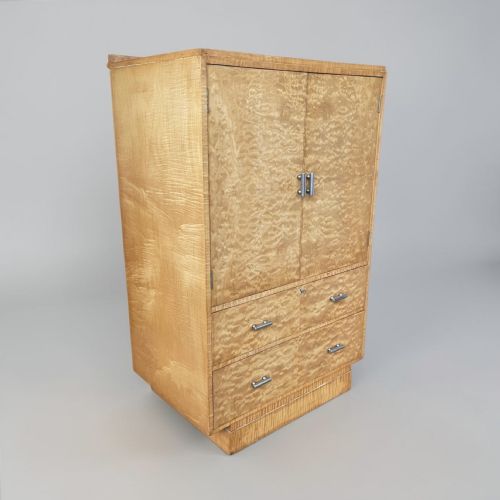
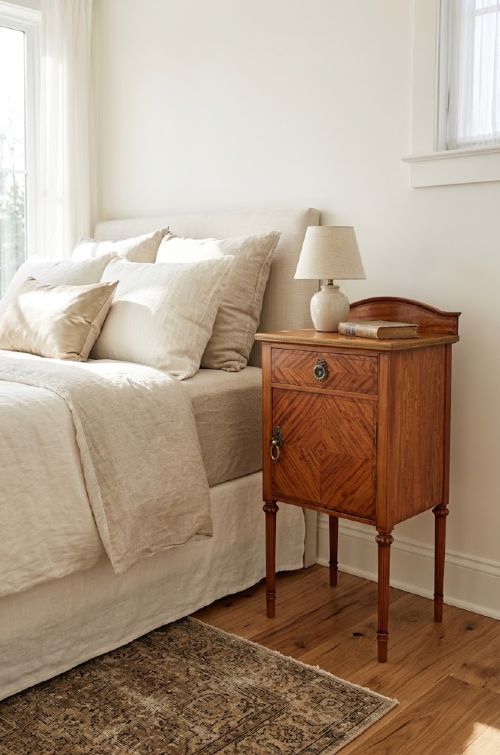
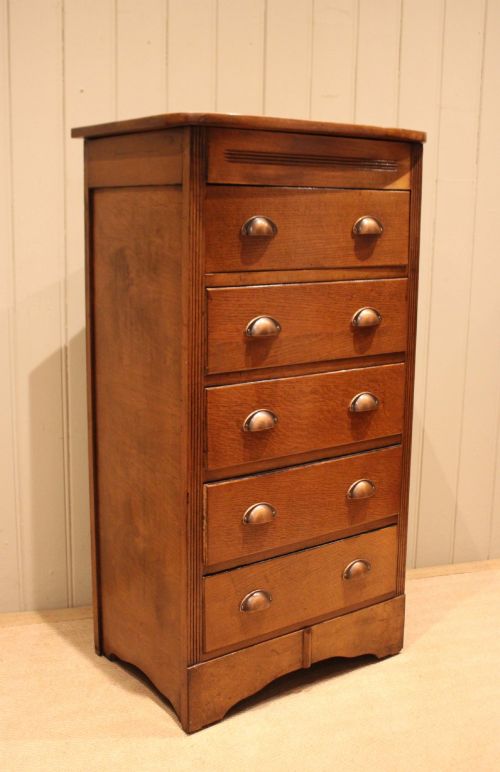
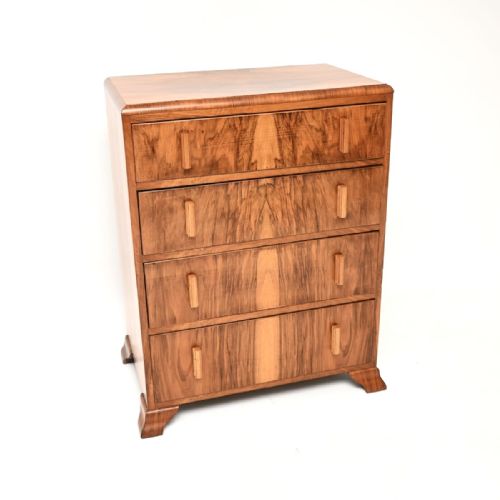
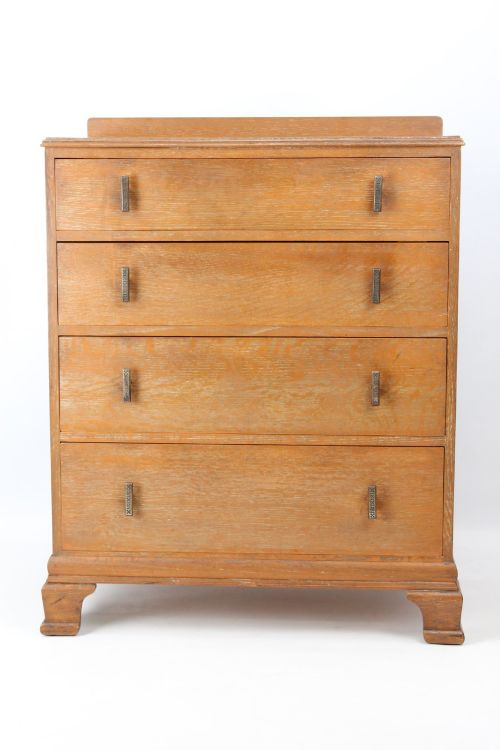
Antique bedroom cabinets take the form of bedside chests, lockers, cupboards and tables designed to sit beside a bed. The selection centres on pairs, spanning Victorian, Edwardian and early twentieth century periods.
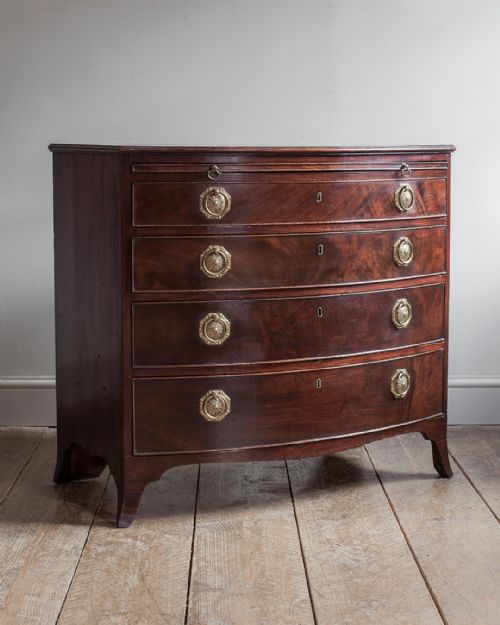
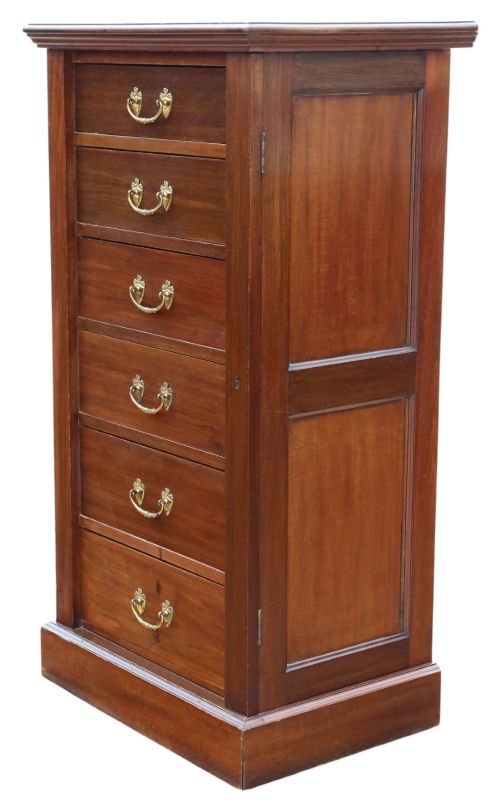
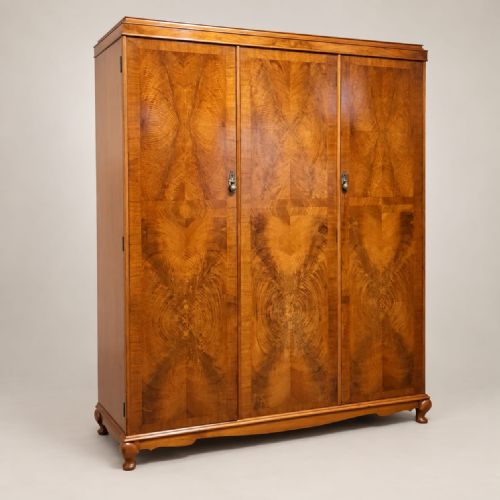
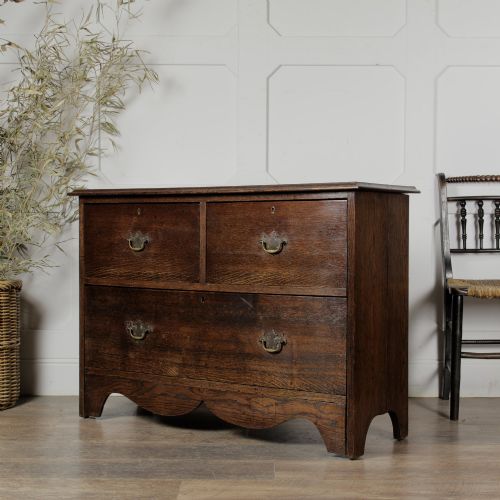
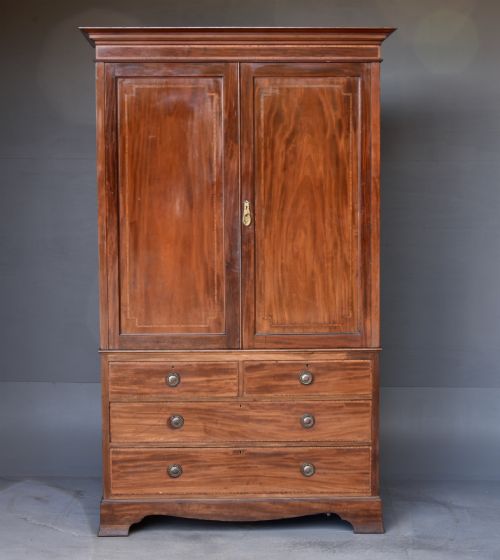
Most examples appear in mahogany or walnut, often built with multiple drawers or doors to conceal storage. Styles draw on Sheraton Revival, Neo-Classical Revival and Regency traditions, alongside straightforward Victorian designs.
How they were made
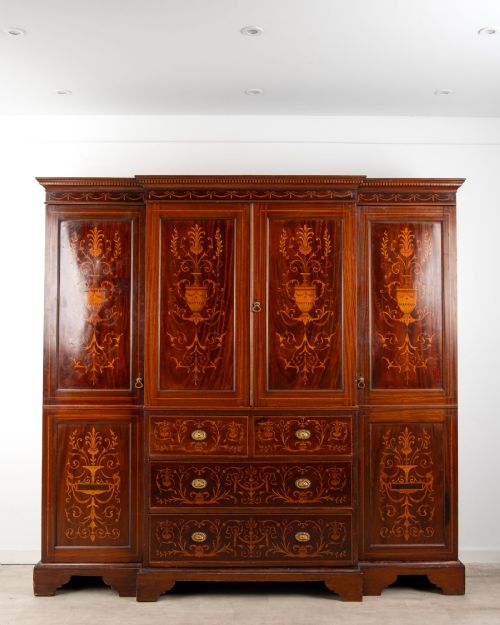
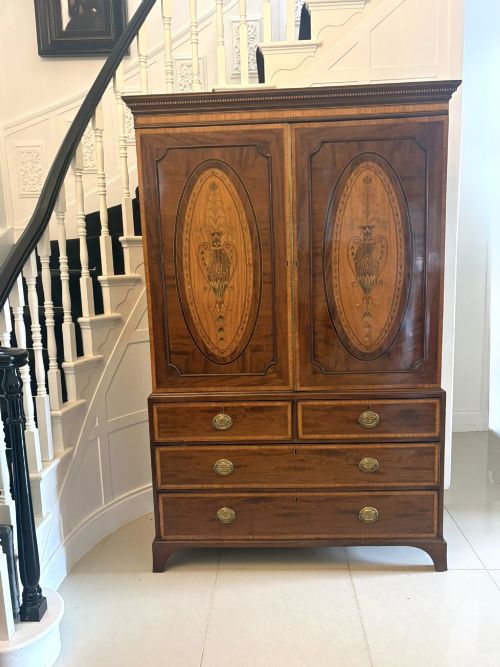
Cabinet makers utilised timbers such as mahogany, walnut and satinwood, frequently embellished with rosewood inlay, boxwood stringing and marquetry. Brass fixtures provide hardware for handles and drawer pulls.
Construction methods rely on traditional joinery suited to housing multiple drawers and cupboard doors within compact bedside proportions.
Antique Bedroom Cabinets Retail Price Guide 2026
Typical asking prices for bedroom cabinets among the pieces listed under this phrase on Sellingantiques today, from the lower quarter to the upper quarter. They describe what is for sale here now, not the wider market.
The site listings feature items exclusively in mahogany, walnut, satinwood, boxwood and brass, spanning the Victorian to Edwardian periods.
What varies in quality
Quality separates through the ambition of the timber selection and the precision of decorative inlay like boxwood and rosewood. Matched pairs and pieces bearing recognised workshop attribution stand apart from standard utility examples.
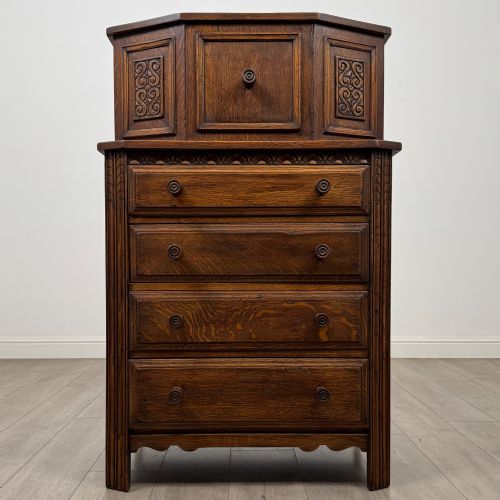
Refined surface carving and balanced proportions elevate certain Victorian and revival pieces above simpler utilitarian bedside lockers.
Gillows
The Antique Bedroom Cabinets Glossary
- Marquetry
- Decorative veneer patterns formed by fitting together small pieces of coloured wood, ivory or shell. This technique creates pictorial or geometric ornament on cabinet doors and tops.
- Bedside Locker
- A regional or period term for a bedside cabinet featuring a small enclosed cupboard space. These often include multiple internal shelves or drawers.
- Stringing
- Thin lines of contrasting timber inlaid into the surface of furniture to create geometric borders. Boxwood is frequently used for this purpose against dark mahogany.
Antique Bedroom Cabinets: Frequently Asked Questions
What is the difference between a bedside cabinet and a chest?
Bedside cabinets generally feature a door enclosing a cupboard space, whereas bedside chests are built with stacked drawers for smaller items.
Both forms serve the same practical purpose beside a bed but offer different internal storage layouts.
Are these cabinets usually sold individually?
The majority of pieces in this selection appear as matched pairs designed to sit on either side of a bed.
Single cabinets also occur, often originating from larger bedroom suites.
Which woods are most common?
Mahogany and walnut form the primary timber choices across the Victorian and Edwardian periods represented here.
Satinwood and rosewood inlay appear more frequently on revival pieces.
How do revival styles differ from original pieces?
Revival pieces date from later periods such as the Edwardian era or the early twentieth century but copy earlier historical designs.
Sheraton Revival and Neo-Classical Revival items emulate eighteenth and early nineteenth century aesthetics using contemporary methods.