

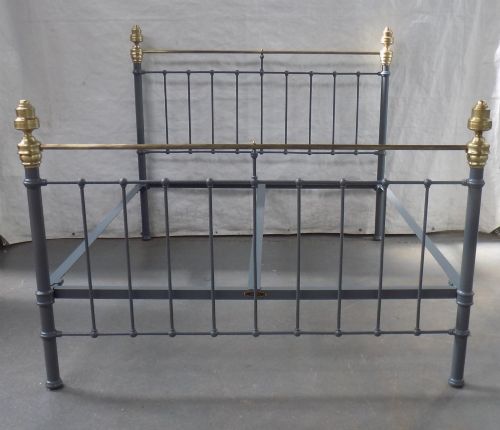


Antique Bedframes
These antique bedframes bring solid construction and distinct period presence to a bedroom, ranging from robust iron frames to polished walnut designs.
Antique Bedframes
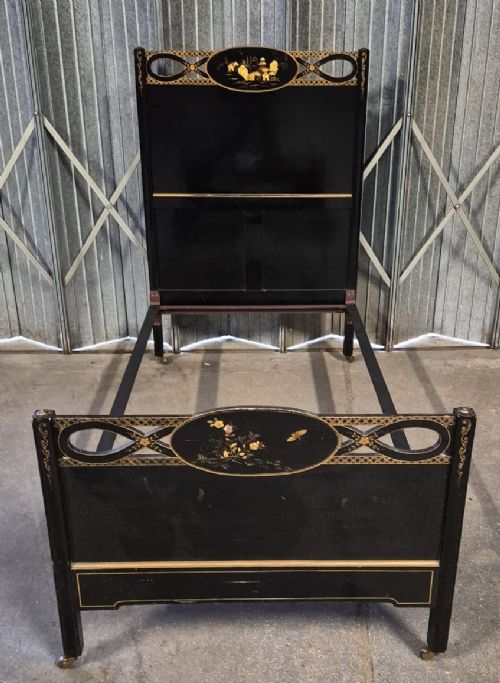
When searching for antique bedframes, buyers encounter substantial sleeping furniture spanning the Victorian, Edwardian, and Art Deco eras, along with robust examples from around nineteen hundred. These pieces encompass single, double, king size, and super king size proportions designed to accommodate contemporary mattresses.
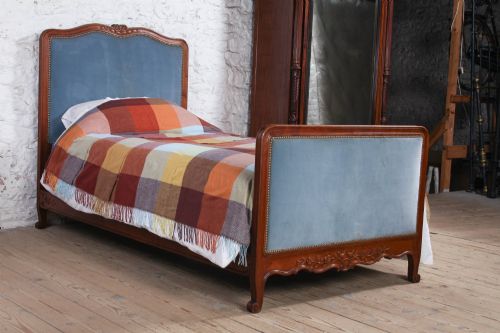
Stylistic influences vary significantly, taking in French Provincial, Louis XVI revival, Queen Anne style, and clean Art Deco lines. Buyers most frequently meet single and double sizes alongside generous king proportions, often bearing the marks of distinct period manufacturing.
How they were made
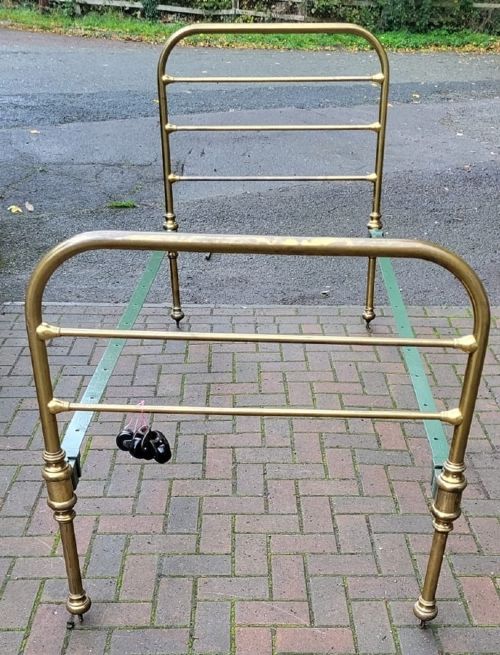
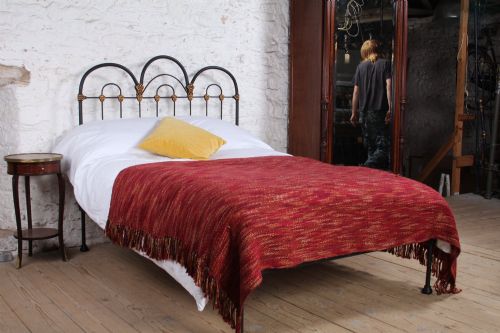
Metal bedframes utilise heavy cast iron and solid brass, employing casting and joining techniques that produce rigid, enduring structures. Iron components often feature detailed decorative mouldings, while brass elements are polished or lacquered to highlight the metallic lustre.
Wooden bedframes rely on timber construction using walnut, burr walnut, oak, mahogany, and Hungarian ash, frequently enhanced by decorative veneers and marquetry work. Joinery is robust, designed to support heavy weights and withstand repeated assembly and dismantling.
Surface finishing involves careful polishing of hardwoods to reveal the natural grain and colour, alongside carved detailing found on revival and provincial pieces.
Antique Bedframes Retail Price Guide 2026
Typical asking prices for bedframes among the pieces listed under this phrase on Sellingantiques today, from the lower quarter to the upper quarter. They describe what is for sale here now, not the wider market.
The selection includes multiple design movements, from Victorian Gothic and Edwardian simplicity to French Louis XVI revival and streamline Art Deco.
What varies in quality
Quality in these frames depends on the integrity of the original construction and the weight of the materials used, with heavier iron castings and denser hardwoods sitting at the higher end. Solid timber frames show superior material selection compared to simpler secondary woods.
The sophistication of decorative elements creates a clear distinction, separating standard utility pieces from finely detailed items with marquetry, intricate brass work, or substantial carved mahogany. Maker labels and stamps further elevate certain examples.
Proportion and scale also dictate quality, as extra wide king sizes, half testers, and matched pairs require greater craftsmanship to execute successfully than standard single models.
Heals
The Antique Bedframes Glossary
- Bedstead
- A framework of a bed upon which the mattress is supported. This term frequently appears interchangeably with bed frame in period listings.
- Half tester
- A bed featuring a partial canopy that extends only partway over the head of the bed. It provides a distinct architectural presence without the full enclosure of a traditional tester.
- Marquetry
- Inlaid woodwork arranged in decorative patterns using various veneers. It appears on French revival furniture to create pictorial or geometric designs.
- Hungarian ash
- A pale timber with distinctive swirling grain patterns used in cabinetmaking and bed construction. It provides a striking contrast to darker surrounding veneers.
- Burr walnut
- Wood taken from the warted excrescence of a walnut tree, highly prized for its swirling, mottled grain. It decorates high-status Victorian and Edwardian furniture.
Antique Bedframes: Frequently Asked Questions
Will an antique bedframe fit a modern mattress?
Many larger period frames accommodate modern standard mattress sizes, particularly king and super king dimensions. However, older single and double frames often require custom or bespoke mattress sizing due to historical measurements.
Buyers should verify internal dimensions carefully before purchasing to ensure a proper fit for contemporary bedding.
How do I assemble an antique bedframe?
Most metal and wooden frames utilise traditional side rail connections with iron wedges, bolts, or slot-in brackets. These systems allow the headboard, footboard, and side rails to lock together securely without permanent fixings.
Careful alignment and two people make assembly straightforward, though checking the stability of joints is essential during setup.
Are brass and iron beds sturdy?
Cast iron and heavy brass bedframes offer exceptional structural rigidity and weight. Their robust metal construction easily supports modern daily use.
Periodic tightening of any securing bolts maintains their long-term stability and prevents movement.