





Antique Bed Cover
An antique bed cover brings texture, history, and craftsmanship to a room through centuries-old textiles, embroidered suzanis, and quilted coverlets.
Antique Bed Cover
An antique bed cover encompasses a diverse range of historic textiles, from intricately embroidered Central Asian suzanis to traditional English coverlets and regional variations. These historic textiles serve as functional bed coverings while acting as significant decorative focal points within an interior space.
Buyers searching for an antique bed cover will encounter pieces originating from the eighteenth, nineteenth, and early twentieth centuries. The selection includes Uzbek suzanis worked in silk, flat quilted linen coverlets, and Indian palampores, alongside related furniture pieces such as daybeds and blanket chests.
The materials and aesthetic traditions vary widely across the inventory, reflecting the specific regional cultures that produced them. Central Asian traditional designs and Victorian folk art styles dominate the visual range available to collectors.
How they were made
Makers utilised natural materials including silk, cotton, wool, and linen to construct these textiles, often employing natural dyes to achieve rich colour palettes on grounds such as red silk or cotton calico. Embroidered pieces feature meticulous needlework, notably silk on silk execution seen in traditional suzani panels.
Quilted examples demonstrate specialist hand-stitching techniques across layers of linen or cotton, creating textured surfaces that endure through generations. Furniture items associated with these textiles involve traditional cabinet-making woods like mahogany and pine, combined with brass hardware.
Antique Bed Cover Retail Price Guide 2026
Typical asking prices for bed cover among the pieces listed under this phrase on Sellingantiques today, from the lower quarter to the upper quarter. They describe what is for sale here now, not the wider market.
Pine kist chests waited centuries just to smell permanently of old wool and cedar.
What varies in quality
The distinction between tiers of quality rests upon the complexity and precision of the needlework or quilting. Pieces displaying finely executed silk embroidery on a silk ground or intricate flat quilting represent a higher level of artisanal skill.
Preservation of the original natural dyes and the overall structural integrity of the fabric base determine the enduring integrity of the textile. Examples retaining vibrant colour saturation and complete, undamaged embroidered motifs command greater attention from discerning collectors.
The Antique Bed Cover Glossary
- Suzani
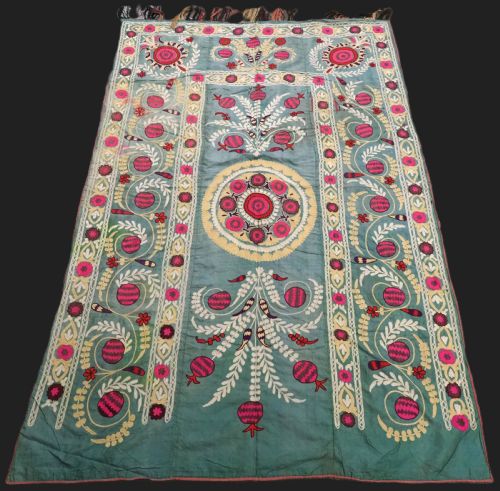
- A type of embroidered tribal textile originating from Central Asia, typically featuring floral and geometric designs worked in silk on a cotton or silk ground.
- Coverlet
- A decorative bed covering that is traditionally smaller than a modern bedspread, often featuring woven or quilted construction.
- Palampore
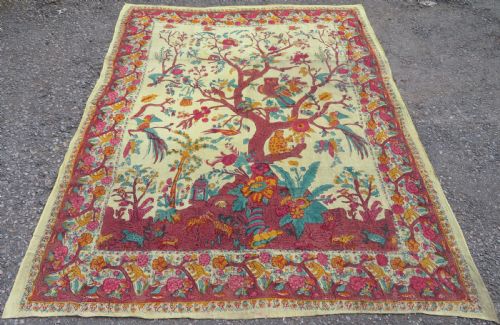
- A large, hand-painted or printed Indian cotton bed cover or hanging, traditionally produced for export using the tree of life motif.
- Kist
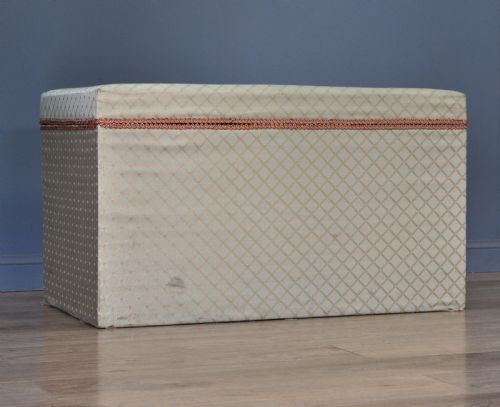
- A traditional Scottish or Northern European wooden storage chest or trunk, frequently used for keeping blankets and household linens.
- Calico
- A plain-woven textile made from unbleached and often not fully processed cotton.
Antique Bed Cover: Frequently Asked Questions
How do I care for an antique silk suzani?
Keep historic silk textiles away from direct sunlight to prevent natural dyes from fading. Display them gently or store them flat in breathable conditions.
Avoid regular washing and consult a specialist textile conservator for any necessary cleaning. Gentle handling preserves the delicate silk embroidery threads over time.
What is the difference between a coverlet and a suzani?
A coverlet is typically a woven or quilted bed covering used for warmth and decoration. Examples include flat quilted linen pieces from the eighteenth century.
A suzani is a decorative embroidered panel from Central Asia, often created as part of a dowry. These pieces use silk needlework on silk or cotton grounds rather than standard weaving techniques.
Can I use an antique bed cover daily?
Fragile nineteenth-century silks and fine embroideries require gentle treatment to prevent thread breakage. Using them as wall hangings or decorative top layers limits physical wear.
Sturdier quilted linen or cotton coverlets handle lighter daily use more readily. Assess the structural strength of the fabric before placing any textile under heavy daily friction.
How do I identify eighteenth-century linen coverlets?
Examine the textile for hand-quilted construction methods and the characteristics of early linen fibres. Eighteenth-century pieces often display heavy, flat quilting patterns worked by hand.
Compare the weave and weight against nineteenth-century examples to understand the progression of textile production. Period documentation and provenance help confirm the era of manufacture.