
Antique Bead Jewellery
Antique bead jewellery brings together centuries of carved coral, lustrous pearl and precious metals worn close to the skin.
Antique Bead Jewellery
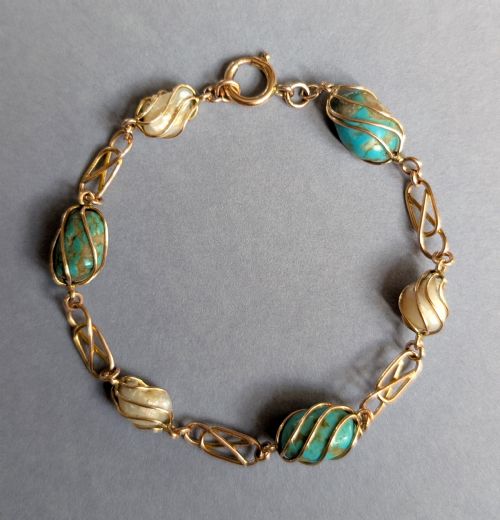
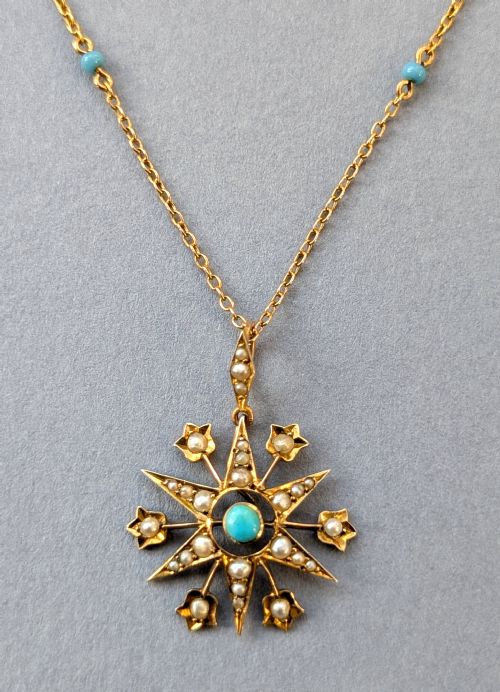
Antique bead jewellery spans necklaces, bracelets, earrings and long guard chains from the Victorian, Edwardian and mid-century periods. These pieces range from delicate pearl strands and turquoise clusters to substantial amber and Mediterranean coral necklaces.
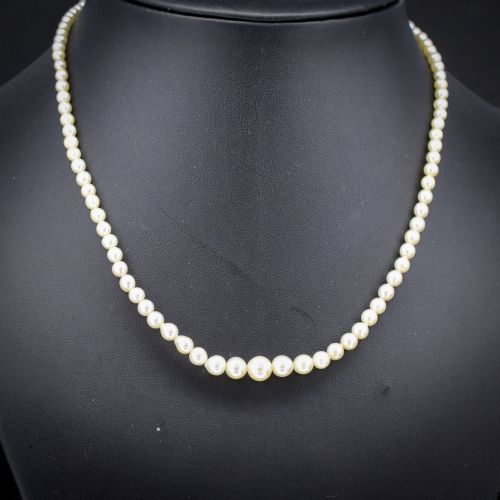
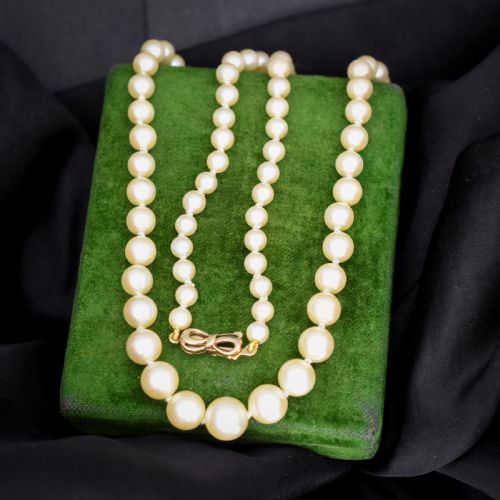
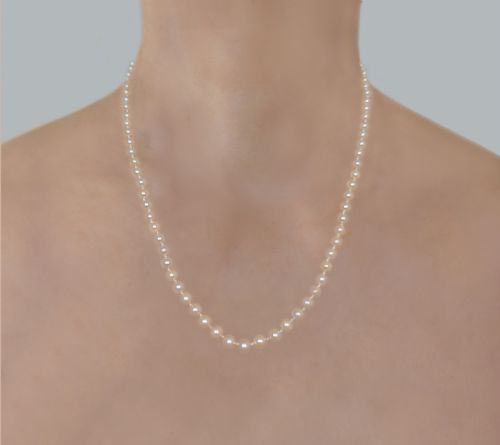
The most common pieces encountered on this page are graduated pearl and coral necklaces secured with gold or silver clasps. Alongside these sit rock crystal, jade, lapis lazuli and early plastics such as Bakelite.
Designs stretch from traditional single strands to elaborate multi-strand arrangements and pieces featuring figural pendants or decorative metal spacers. Origins extend from British workshops to continental Europe and Asia.
Materials and construction
Goldsmiths and silversmiths utilised nine carat, fifteen carat and eighteen carat gold alongside sterling silver to fashion clasps, spacers and mountings. Natural materials like amber, coral, jade and freshwater or saltwater pearls were hand-carved, drilled and polished.
Stranding techniques involved threading beads onto durable cords or wire, often graduating the size carefully from back to front. Metalwork utilised techniques such as filigree, stone setting with diamonds, sapphires and paste, and enamel work on clasps.
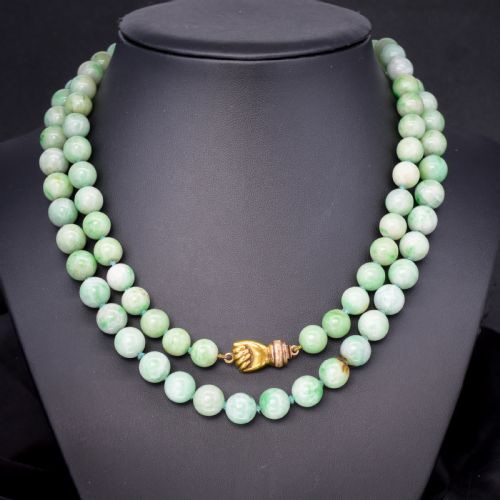
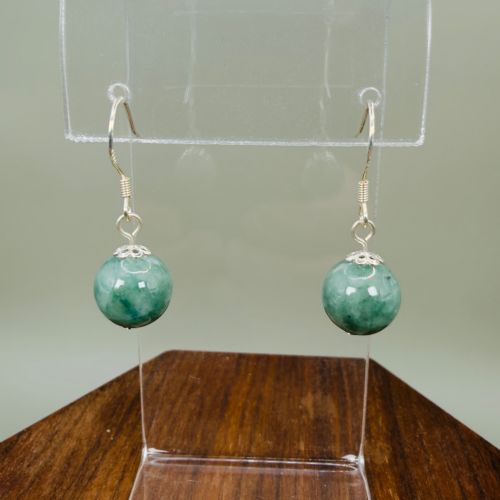
Listings feature organic and mineral materials including Mediterranean coral, amber, jade, lapis lazuli, turquoise and rock crystal.
Assessing quality and craftsmanship
Quality rests upon the uniformity and natural state of the materials, such as the depth of colour in red coral or the unblemished skin of natural pearls. Superior pieces display meticulous graduation and matching of stones across long strands.
The sophistication of the clasp and metal mountings distinguishes finer examples from ordinary production. Intricate hand-carving on organic elements like amber and jade elevates a piece significantly above standard commercial work.
The Antique Bead Jewellery Glossary
- Graduated
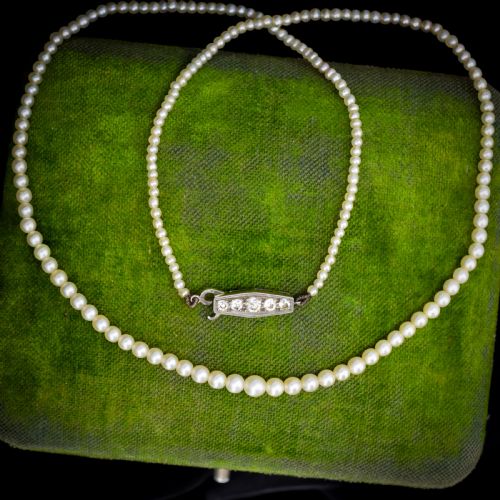
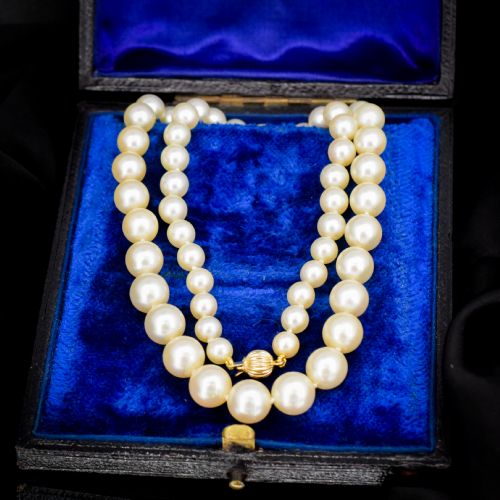
- A strand where the beads increase steadily in size toward the centre, creating a balanced and formal silhouette. This technique requires careful sorting of natural materials by diameter and weight.
- Guard chain
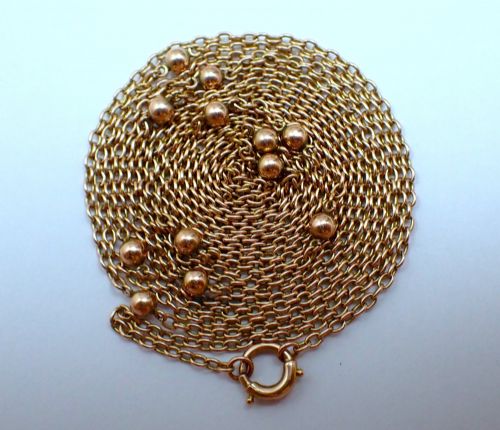
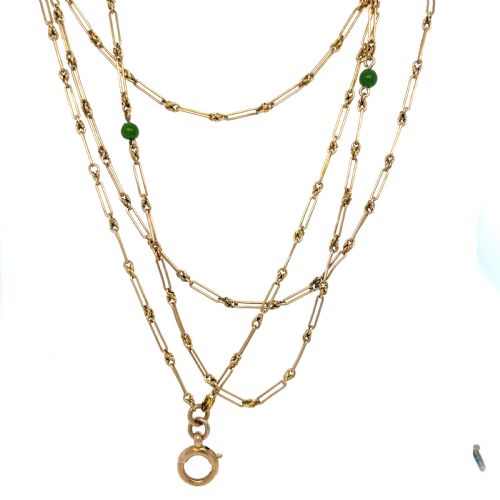
- An exceptionally long chain, often Victorian or Edwardian in origin, designed to secure a pocket watch or locket. Collectors frequently wear these doubled or tripled as necklaces.
- Bakelite
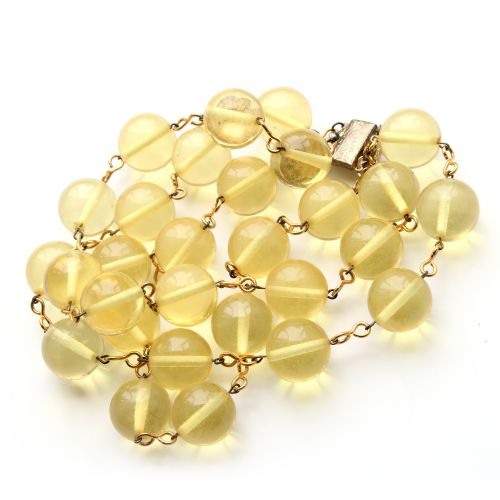
- An early synthetic phenol-formaldehyde plastic developed in the early twentieth century. In jewellery, it is prized for rich butterscotch, egg yolk and cherry tones.
- Figa hand
- A traditional amulet carved in the shape of a clenched fist with the thumb protruding between the index and middle fingers. It serves as a protective talisman against the evil eye.
- Luohan
- A depiction of an enlightened Buddhist follower or arhat, frequently hand-carved in sets from amber or hardstone. These detailed figures indicate Asian export work of considerable age.
Antique Bead Jewellery: Frequently Asked Questions
How do I care for antique pearl and coral jewellery?
Organic materials like pearl and coral are soft and porous, reacting poorly to cosmetics, perfumes and harsh cleaning chemicals. Wipe them gently with a soft, damp cloth after wearing and store them flat away from direct sunlight.
For threaded necklaces, check the silk or cord periodically for fraying, particularly near the clasp. Professional restringing every few years prevents catastrophic loss of beads during wear.
What is a longuard chain used for today?
Originally created to secure heavy pocket watches or lorgnettes in the nineteenth and early twentieth centuries, longuard chains now function primarily as versatile long necklaces. Their substantial length allows them to be doubled over the head or looped multiple times.
Many feature sliding ornamental elements and secure swivel clasps originally intended for charms or lockets. These clasps make modern suspension of pendants straightforward.
How do I distinguish natural coral from synthetic substitutes?
Natural coral exhibits faint growth lines, tiny surface pits or subtle colour variations under magnification, unlike uniform synthetic glass or plastic. Genuine coral also feels cool to the touch and has a distinct organic weight.
Historical pieces from the Victorian and Edwardian eras overwhelmingly employ natural Mediterranean or sea coral. Examination of the drill holes often reveals matte textures characteristic of hand-drilling.
Can I wear antique amber jewellery every day?
Amber is a fossilised tree resin that remains relatively soft on the Mohs scale, meaning it scratches easily against harder metals or gemstones. Daily wear is entirely possible if the piece receives careful handling and separate storage.
Avoid exposing amber to alcohol, solvents or extreme heat, which can dull the surface polish. Gentle cleaning with lukewarm water and a soft cloth maintains its warm lustre.