


Antique Barrel Seat
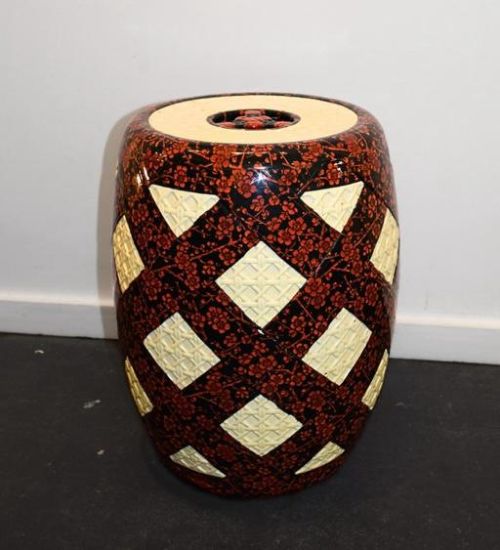
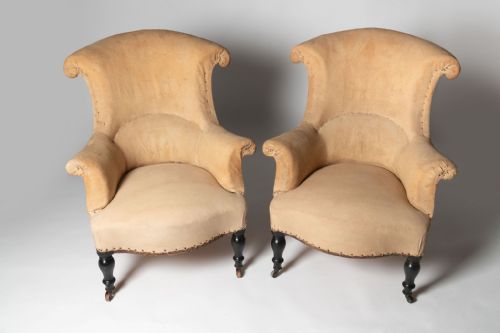
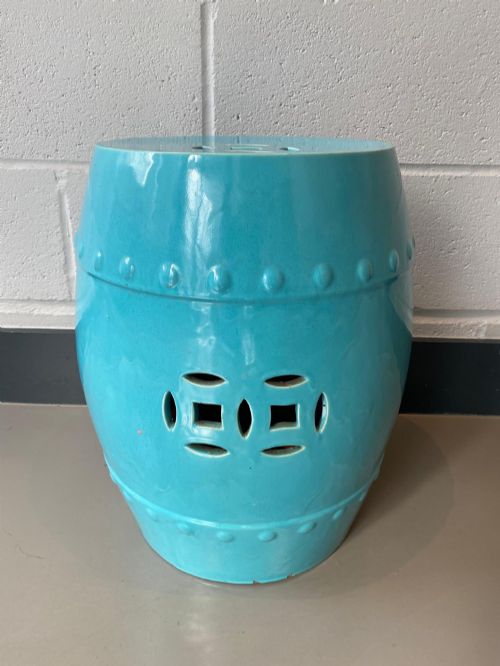
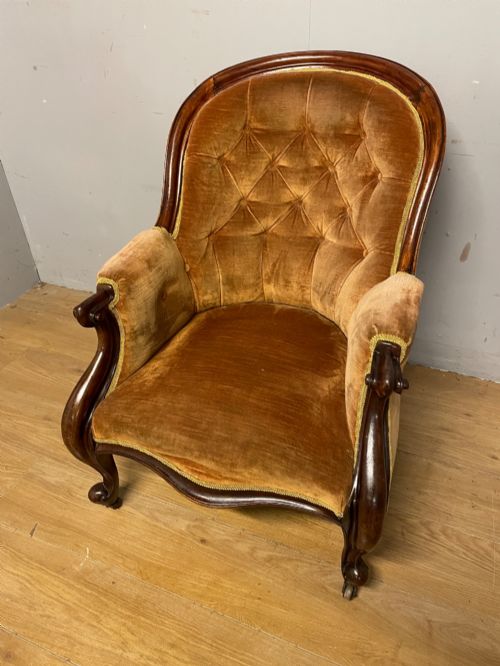
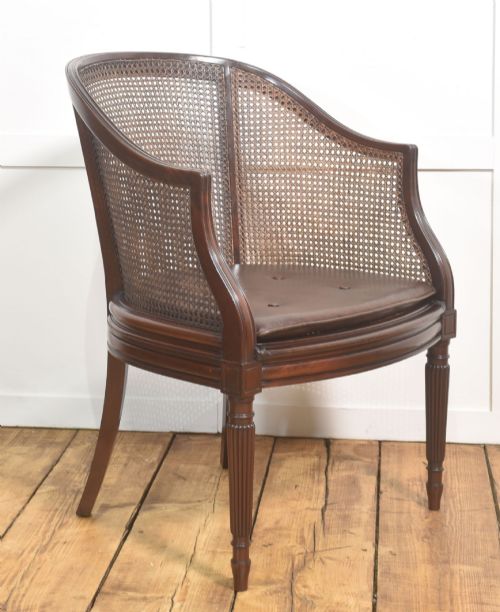
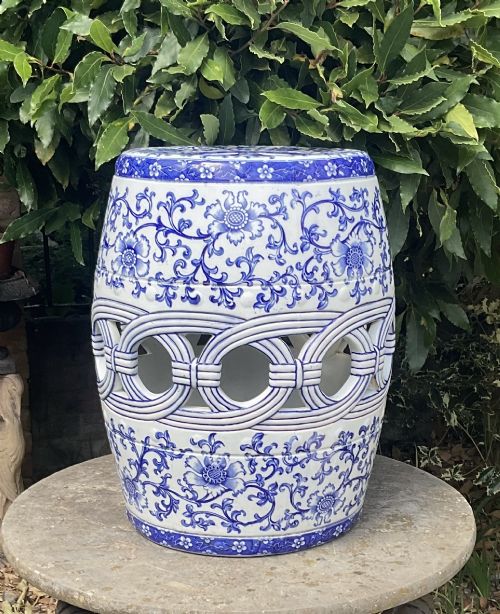
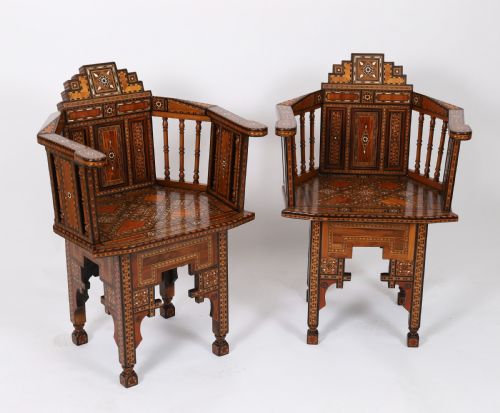
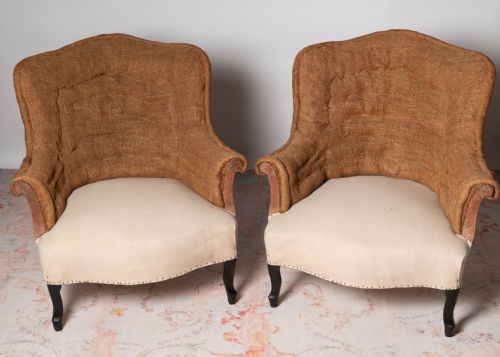
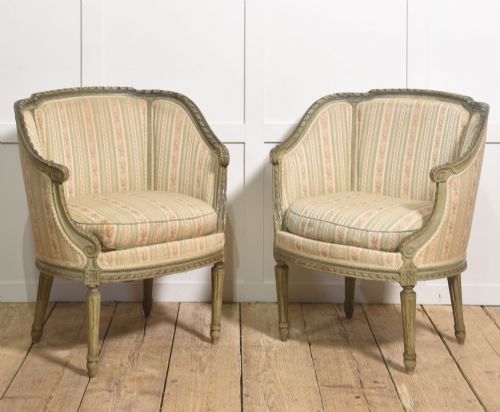
An antique barrel seat provides a deeply curving enclosure for the body, taking form as a sturdy garden stool or a supportive tub chair.
Antique Barrel Seat
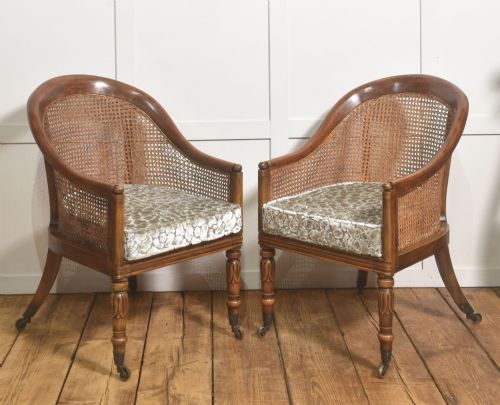
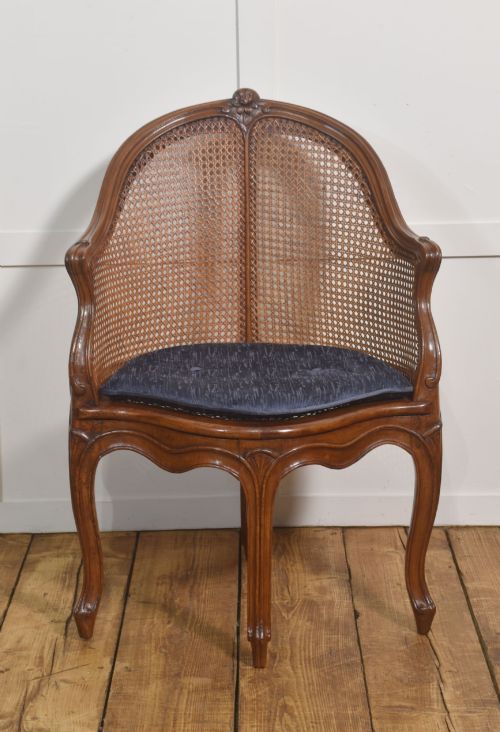
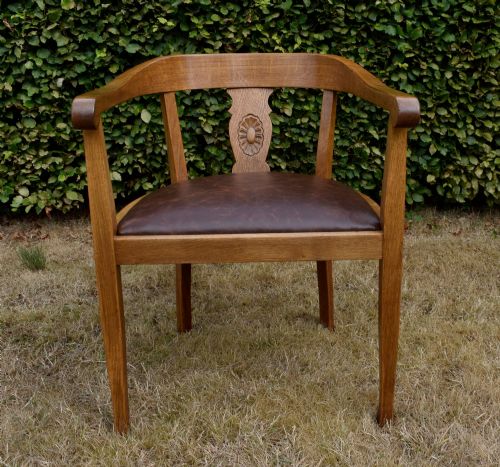
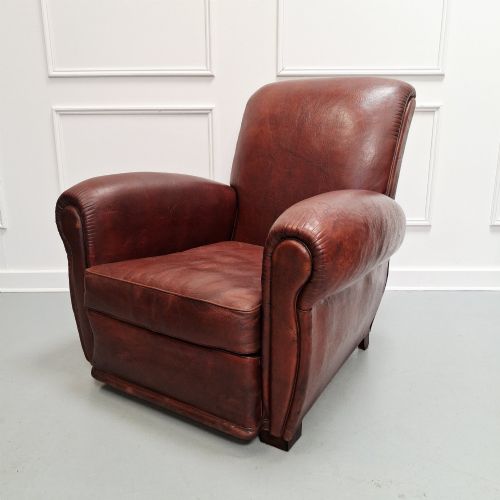
When you search for an antique barrel seat, you encounter a diverse group of circular or semi-enclosing forms that bridge indoor comfort and outdoor utility. These pieces span from ceramic garden seats and porcelain vessels to robust wooden settles, tub chairs, and library armchairs designed with continuous curved backs.
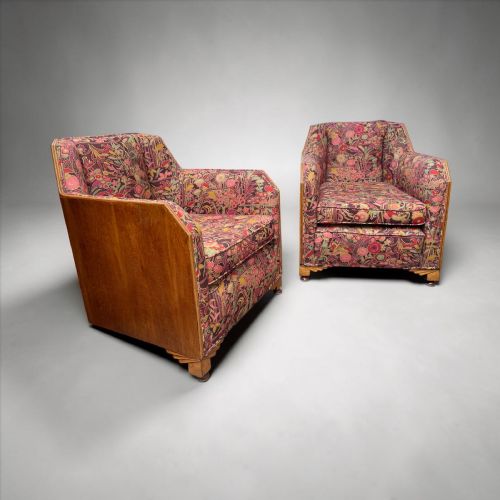
On this page, the domestic tub chair and the ceramic garden seat appear most frequently, drawing from periods ranging from the Georgian era through the Victorian period and into the Art Deco style. Makers utilised woods such as mahogany, oak, and walnut, alongside clay, cane, and leather, to build seats intended to shelter the sitter from draughts or to ornament a terrace.
The selection includes low garden drums alongside upholstered parlour chairs, reflecting how diverse the barrel form remains across different centuries and origins. Whether in carved wood or glazed pottery, each piece centres on that characteristic rounded contour.
Materials and construction
Makers constructed wooden frames using solid timbers such as mahogany, oak, walnut, and pine, often turning structural supports or steam-bending rails to achieve the continuous curve of a tub back or settle. Joinery techniques varied from panelled construction in early oak pieces to precise framing in later mahogany and walnut armchairs.
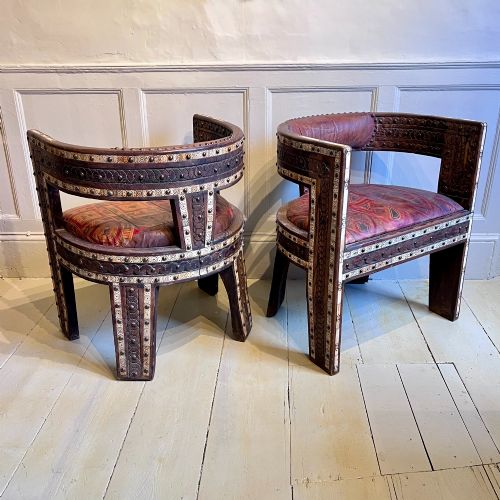
For garden forms, potters relied on majolica, creamware, ironstone, and porcelain, shaping clay into hollow drums that were pierced, moulded, and finished with coloured glazes or blue and white painted decoration. Other seating variations incorporate woven cane panels, leather upholstery, brass mounts, and ormolu details to finish the design.
Antique Barrel Seat Retail Price Guide 2026
Typical asking prices for barrel seat among the pieces listed under this phrase on Sellingantiques today, from the lower quarter to the upper quarter. They describe what is for sale here now, not the wider market.
Listings feature barrel forms across the Georgian, Victorian, and Art Deco periods, utilising mahogany, oak, porcelain, and cane.
Distinctions in quality
Quality rests in the integrity of the curved framework and the precision of the joinery or pottery moulding. A superior wooden tub chair or settle displays fluent lines in the bent or carved timber, maintaining structural strength along the continuous back rail without compromising the fluidity of the curve.
In ceramic garden seats, excellence shows in the crispness of the moulded relief, the depth and consistency of the glaze, and the preservation of hand-painted details. Finer pieces demonstrate careful attention to proportion, whether in the weight of the porcelain or the richness of the polished mahogany and fitted leather.
Minton·Hary and Lou Epstein
The Antique Barrel Seat Glossary
- Tub chair
- An armchair featuring a continuous curved back and arms that form a deep, enclosing shape. This form offers solid support around the sitter.
- Settle
- A wooden wooden bench with a high back, solid arms, and a closed base designed to keep out cold draughts. These pieces often incorporate a barrel or concave back.
- Majolica
- A type of earthenware coated with an opaque tin glaze and painted with bright metal oxide colours. Potters used this technique extensively for decorative garden seats.
- Cane
- Woven rattan or split plant material used to form light, flexible panels for chair backs and seats. It appears frequently on Edwardian and nineteenth-century tub chairs.
- Ironstone
- A heavy, durable type of ceramic developed as a robust alternative to porcelain. Clobbered examples feature overglaze decoration added to earlier white pottery.
Antique Barrel Seat: Frequently Asked Questions
What is an antique barrel seat?
An antique barrel seat is a piece of furniture defined by a rounded, enclosing backrest that resembles the stave construction of a barrel. These items include upholstered tub chairs, wooden settles, and ceramic garden drums.
They were built across various centuries to offer enclosed comfort indoors or decorative utility in outdoor spaces.
How were ceramic garden seats used?
Ceramic garden seats functioned primarily as movable stools or decorative pedestals in gardens, conservatories, and parlours. Their glazed earthenware or porcelain bodies resisted outdoor weather.
Their hollow barrel shape allowed them to be easily picked up and placed wherever extra seating was required.
How do I identify a tub chair?
A tub chair is recognised by its semicircular back that curves downward to form low arms in one continuous sweep. This enclosed profile distinguishes it from standard open-armed armchairs.
Many examples feature wooden frames paired with cane inserts, leather upholstery, or fabric coverings.
Where should I place a settle?
A wooden settle works well in hallways, large living rooms, or against a wall where its high back can create a sense of enclosure. Historically, these pieces stood near hearths to block cold air.
In modern interiors, they provide substantial seating while adding historic character to an empty corner.
How can I tell the age of a chair?
Determining the age of a chair involves examining the wood species, joinery methods, and the style of the carved or turned elements. Earlier pieces often display hand-cut joinery and heavy timber construction.
Later Victorian and Edwardian examples utilise machine-assisted production techniques and lighter framing materials like cane.