


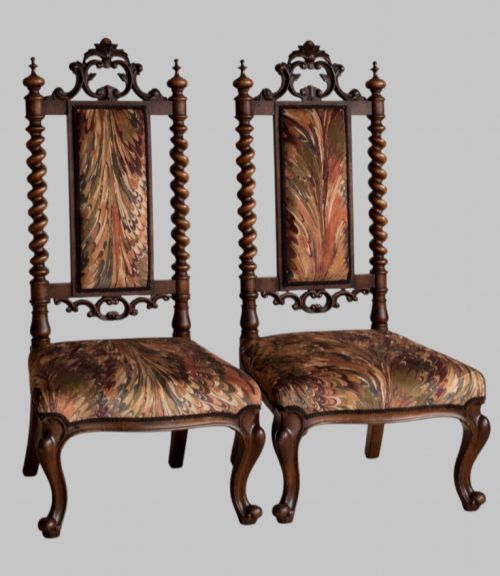


Antique Barley Twist Pair
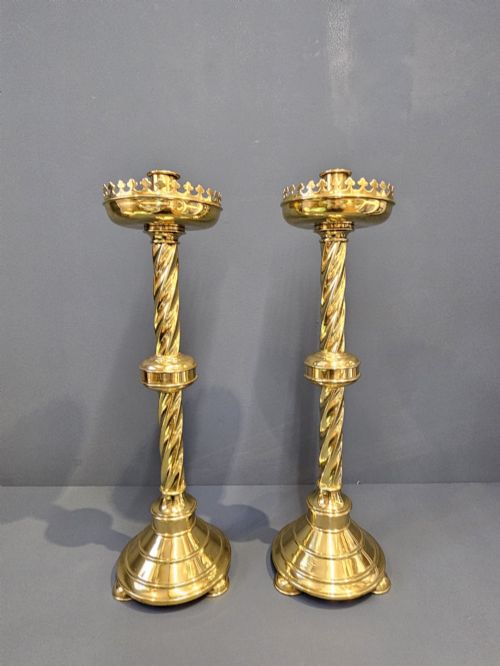
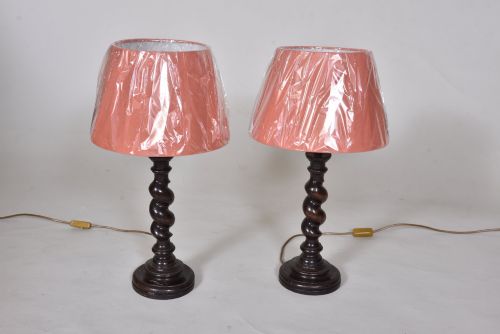
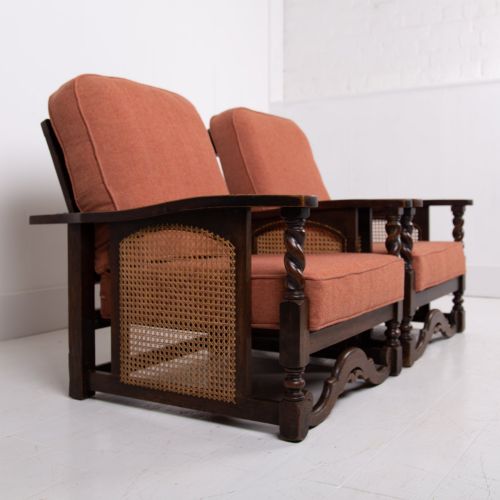
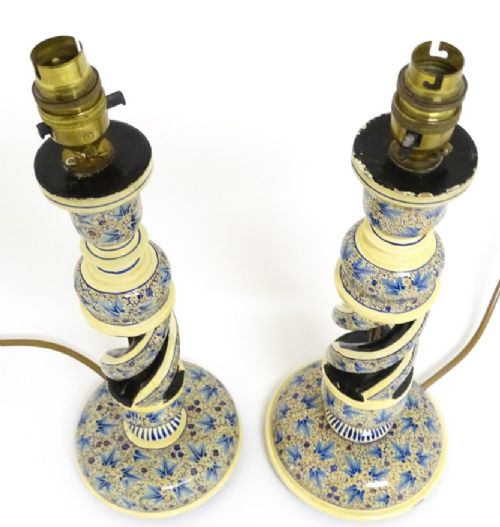
An antique barley twist pair brings rhythmic, spiral symmetry into a room through matched candlesticks, chairs, or table lamps.
Antique Barley Twist Pair
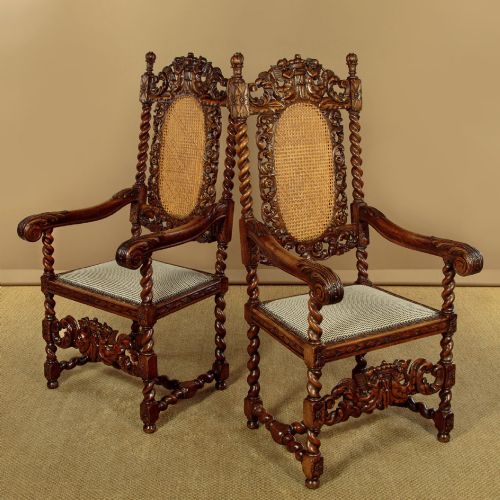
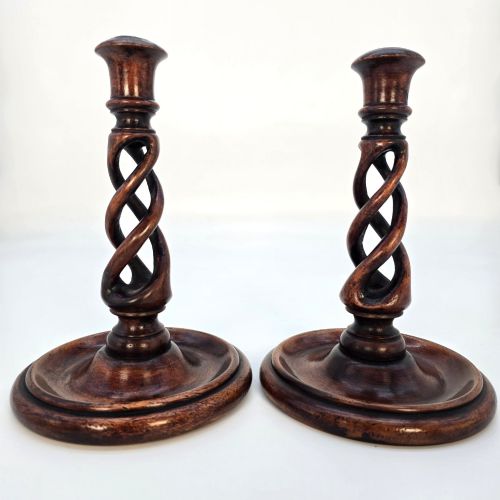
An antique barley twist pair consists of matched furnishings or decorative objects featuring characteristic spiral turned columns. When searching for this phrase, buyers most commonly encounter timber candlesticks and seating items such as armchairs and hall chairs.
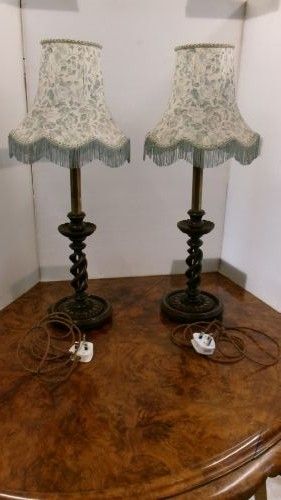
The selections span from the Victorian era into the early twentieth century, showing revival styles like Jacobean and Gothic alongside domestic oak and walnut pieces. Lighting forms frequently combine turned timber or brass shafts with weighted bases.
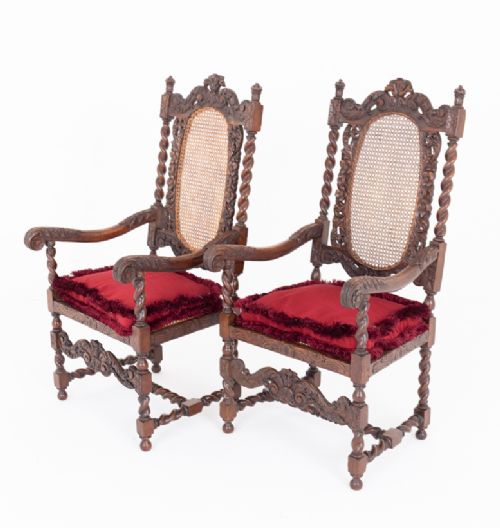
Seating variations integrate spiral supports into armchairs, throne chairs, and side chairs, often upholstered in tapestry, leather, or fabric. These paired objects serve both practical utility and balanced visual symmetry in interior schemes.
How They Were Made
Turned wooden elements were shaped using lathes or hand-carved to achieve the helical twist, utilising dense timbers like oak, walnut, and fruitwood. Brass casting and turning created heavy candlesticks, altar lamps, and decorative mounts.
Upholstered seating integrated secondary materials including cane, leather, and woven textiles secured to sturdy hardwood frames. Surface finishes relied on traditional wax or polish applied directly to the timber grain.
Watch for stubborn brass thistle sockets hiding securely atop sturdy oak stems.
What Varies in Quality
The precision and depth of the spiral turning distinguish standard domestic work from finer artisan production. Crisp, well-defined twists maintain equal pitch and symmetry down the entire length of the shaft.
Material selection and structural integrity separate robust pieces from lesser examples, particularly in the joinery of heavy armchairs and the solidity of brass casting. Original matching components and uncompromised timber patination elevate the status of a pair.
The Antique Barley Twist Pair Glossary
- Barley twist
- A spiral turning resembling the stalk of barley, popular in furniture and decorative arts during various revival periods. This form adds diagonal movement and texture to vertical supports.
- Torchiere
- A tall stand or candlestick designed to elevate a light source or decorative object. These tall supports frequently feature turned columns.
- Bergere
- An enclosed upholstered armchair with wooden framing and cane panels. This seating style often incorporates turned structural elements.
- Pew end rail
- Architectural salvage timber from church pews, occasionally adapted into paired rails. These items often display ecclesiastical carving and brass fittings.
- Thistle top
- A specific metal candle socket shaped like a thistle flower, commonly found on brass and oak candlesticks. This detail assists in identifying period lighting components.
Antique Barley Twist Pair: Frequently Asked Questions
How do I date an oak barley twist pair?
Dating relies on timber species, construction methods, and stylistic cues from the Victorian and Edwardian periods. Deeper patination and hand-carved inconsistencies often point towards nineteenth-century origins.
Later twentieth-century examples tend to show more uniform machine turning and lighter surface finishes. Examining joint construction helps differentiate older artisan production from subsequent revival pieces.
Were these candlesticks originally for church use?
Many large pairs originate from ecclesiastical settings, including church altars and chapels. These altar candlesticks are typically heavier and taller than domestic variants.
Smaller domestic candlesticks were produced for private homes and tables. Both types utilise turned timber or brass columns with secure drip pans.
How should I clean polished brass parts?
Maintenance requires gentle dusting with a soft cloth to preserve the aged metal surface. Aggressive polishing removes the historical dark oxidation that collectors value.
Wooden sections benefit from occasional natural wax application to nourish the grain. Avoid chemical cleaners that strip the original finish from both brass and timber.
What rooms suit a pair of armchairs?
These substantial chairs work well as fireside seating or balanced accents in a study or hallway. Their strong architectural silhouettes anchor open spaces and complement traditional interiors.
Pairing them opposite a sofa creates visual symmetry in a principal room. The tactile nature of the turned wood complements woven textiles and leather furnishings.