





Antique Bamboo Display
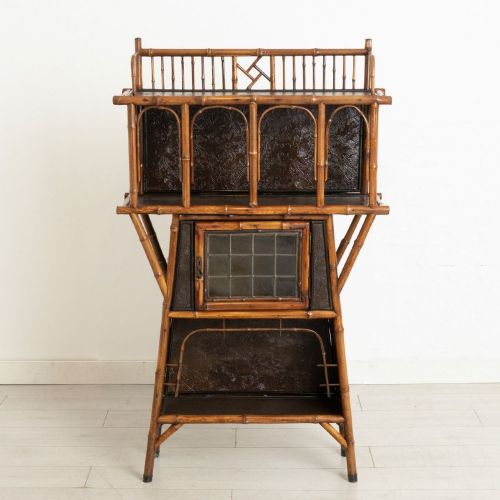
These antique bamboo display pieces bring natural cane framing together with lacquer panels and glass shelving to showcase ornaments in style.
Antique Bamboo Display
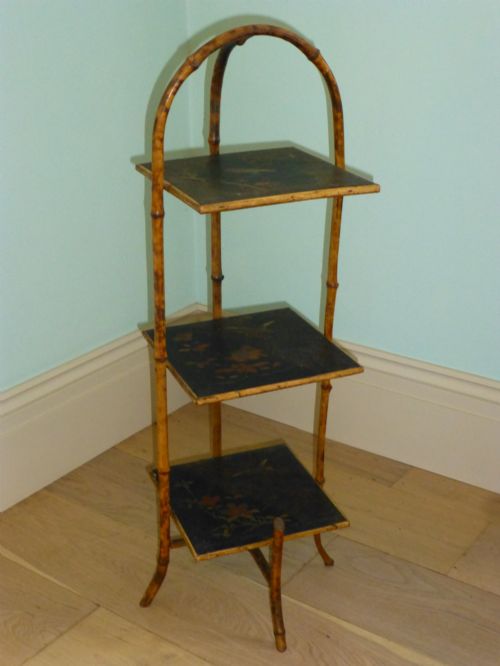
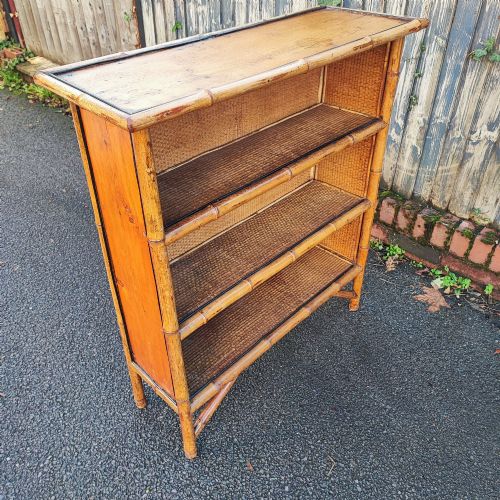
An antique bamboo display piece offers lightweight structural framing combined with shelves, cabinets, and glass doors designed specifically for holding ornaments and curiosities. When searching for an antique bamboo display, buyers encounter a variety of forms ranging from multi-tiered étagères and corner cabinets to glazed bookcases originating from the nineteenth and early twentieth centuries.
The selection on this page demonstrates how makers utilised the natural flexibility and strength of bamboo alongside wood, lacquer, and marble. Pieces span styles from the Aesthetic Movement and Victorian Chinoiserie to Chinese Export and Meiji Period productions, giving collectors multiple design pathways to explore.
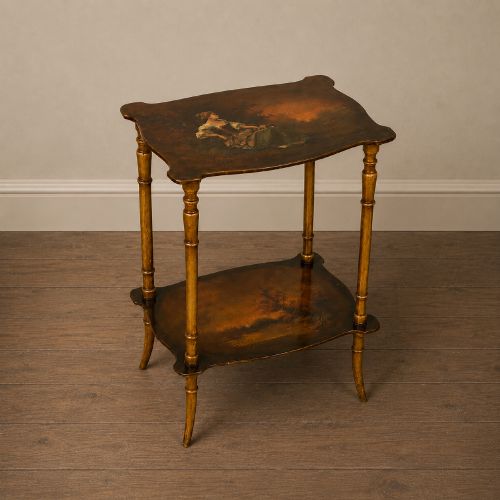
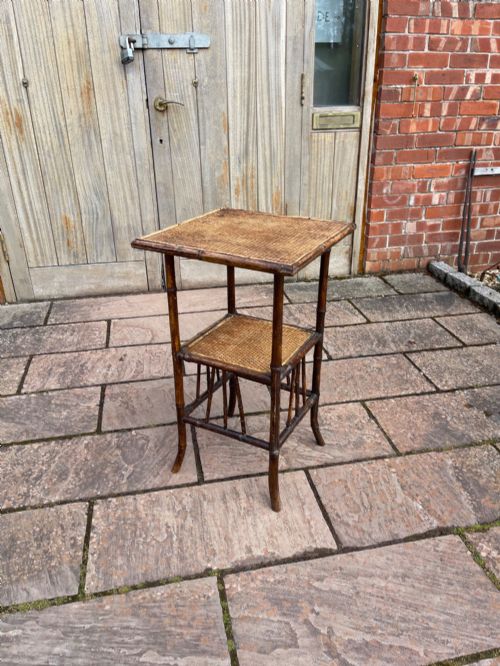
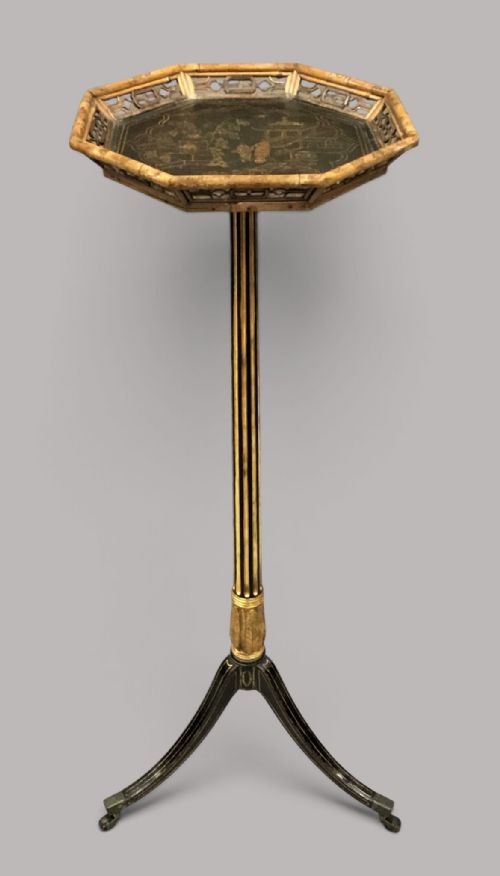
Side tables, plant stands, and shelving units make up the core of these listings, often featuring painted details or gold leaf highlights. Buyers frequently meet pieces that reflect late nineteenth-century European enthusiasm for Asian decorative arts, merged with practical domestic furniture.
How they were made
Craftsmen built these display structures by bending and joining heat-treated bamboo canes to form rigid frames, securing the joints with pins and binding. Hardwood or lacquer panels were frequently fitted into the bamboo framework to provide stable backing and surfaces for shelves.
Surface decoration involved applying layered lacquer, gold leaf, and hand-painted motifs directly onto wood or paper panels housed within the bamboo structure. Glazed doors and glass panels were added to protect delicate ornaments, while marble inserts occasionally provided heavy, durable tops for stands and tables.
Antique Bamboo Display Retail Price Guide 2026
Typical asking prices for bamboo display among the pieces listed under this phrase on Sellingantiques today, from the lower quarter to the upper quarter. They describe what is for sale here now, not the wider market.
Listings feature bamboo, wood, lacquer, glass, hardwood, gold leaf, enamel, and marble across Victorian, Edwardian, and nineteenth-century periods.
What varies in quality
The sophistication of the joinery and the rigidity of the bamboo frame set the better examples apart from standard utility furniture. Tight, well-pinned joints and straight cane alignment indicate careful workshop production rather than hurried assembly.
The quality of surface ornament, such as hand-painted lacquer panels, gilt highlights, and the inclusion of materials like marble or quality glass, elevates a piece. Makers who incorporated detailed panels or robust hardwood secondary framing produced more enduring items.
Leonard Wyburd·Liberty and Co·Kinkozan
The Antique Bamboo Display Glossary
- Étagère
- A piece of furniture consisting of a set of open shelves for displaying small objects or ornaments. These multi-tiered structures often utilise bamboo framing for a lightweight appearance.
- Aesthetic Movement
- A nineteenth-century design style that emphasised decorative arts and visual beauty over narrative subject matter. Pieces from this period frequently feature bamboo and Japanese-inspired motifs.
- Chinoiserie
- European artistic style reflecting Chinese artistic influences, characterised by ornate decoration and lacquered finishes. This style appears frequently on Victorian bamboo display cabinets and tables.
- Hongmu
- A category of dense, dark Chinese hardwood often used for high-status stands and display furniture. It provides a heavy, contrasting counterpoint to lighter bamboo framing.
- Bijouterie table
- A glass-topped display table designed specifically for showing small valuable objects and jewellery. Late nineteenth-century examples often combined this form with bamboo and lacquer.
Antique Bamboo Display: Frequently Asked Questions
What is an antique bamboo display cabinet?
An antique bamboo display cabinet is a storage and exhibition piece constructed primarily from bamboo canes, often featuring glass panels, shelves, or lacquer inserts.
These cabinets were designed to safely exhibit porcelain, ornaments, and curiosities within a domestic interior, combining structural lightness with decorative charm.
How do I care for antique bamboo furniture?
Care for antique bamboo requires maintaining a stable indoor humidity to prevent the natural cane from drying out or splitting. Dust the surface gently with a dry cloth and avoid harsh chemical polishes that can damage lacquer or painted details.
Where were these bamboo display items made?
These display pieces originate from various regions including Victorian Britain, where the Aesthetic Movement popularised Japanese-influenced design, as well as Chinese export workshops.
European manufacturers adopted Eastern motifs and materials, creating hybrid styles that blended bamboo framing with traditional cabinetry techniques.
How do I identify Aesthetic Movement bamboo pieces?
Aesthetic Movement bamboo furniture often displays clear Japanese or Chinese decorative influences, such as painted lacquer panels and asymmetrical shelving arrangements.
Look for refined cane work combined with gilt highlights and dark wood accents that typify late nineteenth-century interior taste.