

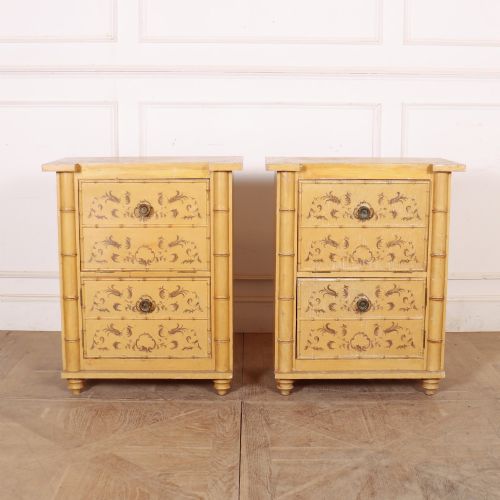


Antique Bamboo Cupboard
An antique bamboo cupboard brings organic texture and light construction to a room, offering practical storage disguised as exotic flair.
Antique Bamboo Cupboard
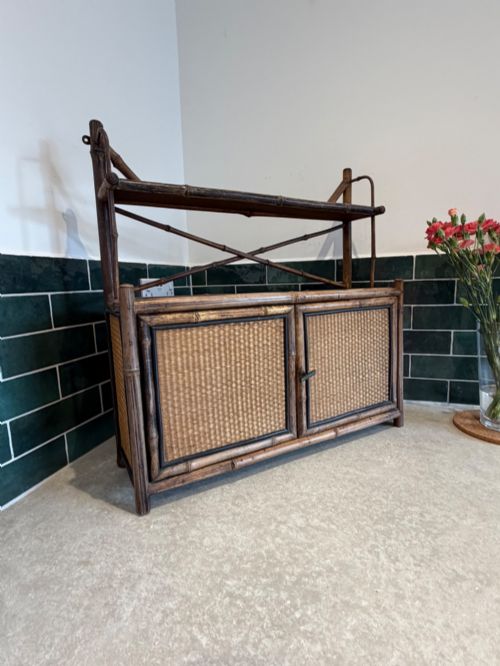
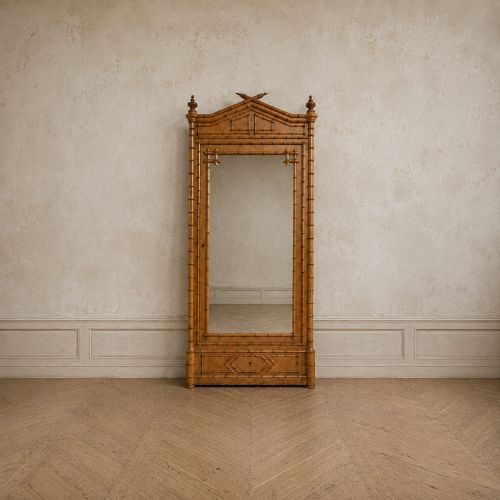
When you search for an antique bamboo cupboard, you uncover pieces originating from the Victorian, Edwardian, and nineteenth-century periods. These items range from small bedside cabinets and corner cupboards to larger display cases, armoires, and miniature table-top storage.
The aesthetic movement strongly influences these designs, alongside French, Chinese export, and Chinese regional styles. You are most likely to encounter Victorian bedside cabinets and glazed display pieces constructed from natural bamboo or painted pine.
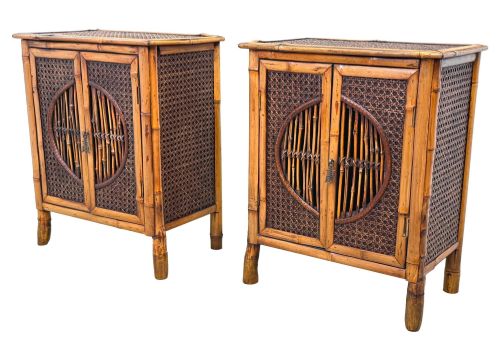
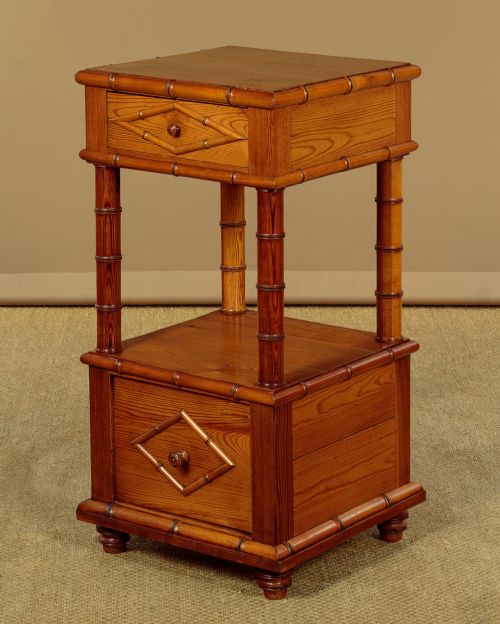
Makers often drew inspiration from Chinese and Japanese motifs, blending structural bamboo frames with panels of cane, rattan, or glass. Some examples adopt a simulated or faux bamboo finish, applying turned woodwork to mimic the distinctive jointed stalks.
Materials and construction methods
Construction relies heavily on natural bamboo poles secured with traditional dowels and bindings, often combined with secondary woods such as pine, birch, or bird's eye maple. Artisans integrated woven cane and rattan panels into doors and sides to maintain a lightweight silhouette.
Faux bamboo pieces required skilled carpentry, where pine and other hardwoods were hand-turned and painted to imitate the characteristic nodes of natural bamboo. Glazed doors frequently incorporated brass hardware, while French variations occasionally added marble tops to pot cupboards.
Lacquer work and painted Chinese regional detailing appear on selected cabinets, providing contrasting surface decoration against the pale, natural tones of the cane and bamboo framework.
Antique Bamboo Cupboard Retail Price Guide 2026
Typical asking prices for bamboo cupboard among the pieces listed under this phrase on Sellingantiques today, from the lower quarter to the upper quarter. They describe what is for sale here now, not the wider market.
The documented object types span bedside tables, armoires, corner cabinets, and miniature table-top cupboards.
Evaluating construction and finish
Quality rests on the tightness of the joinery and the structural stability of the bamboo or turned wood frame. Finer pieces maintain rigid corners and intact bindings without excessive movement in the upright poles.
The integrity of secondary materials dictates overall execution, separating basic utility furniture from finer display items. Intricate cane work, unblemished glass panes, and well-fitted doors distinguish superior examples.
Surface preservation marks the upper tier, where original polished finishes, hand-painted lacquer, and simulated graining remain clear and undisturbed by heavy wear.
The Antique Bamboo Cupboard Glossary
- Faux bamboo
- Simulated bamboo woodwork created by turning pine or other timbers to mimic jointed cane stalks. This technique was popular in nineteenth-century English and French furniture.
- Aesthetic movement
- A late nineteenth-century design style emphasising visual and decorative qualities over narrative content. It drew heavily on Japanese and Chinese artistic traditions.
- Cane
- Woven material made from the outer skin of rattan stalks. It creates breathable, lightweight panels for cabinet doors and sides.
- Pot cupboard
- A small bedside cabinet or commode designed to house a chamber pot. Victorian examples frequently utilise bamboo or faux bamboo frames.
- Corner cupboard
- A storage unit constructed with a triangular cross-section to fit neatly into a room angle. These pieces maximise floor space while displaying collectibles.
Antique Bamboo Cupboard: Frequently Asked Questions
How do I clean a bamboo cabinet?
Dust the bamboo and cane surfaces regularly with a soft brush or dry cloth to prevent dirt accumulation in the joints. Avoid harsh chemical cleaners and excess water, which can damage natural plant fibres and loosen bindings.
Condition the wood occasionally with a suitable furniture wax if the finish appears dry. Keeping the cabinet away from direct sunlight and damp environments preserves the natural materials.
Are faux bamboo cupboards genuine antique furniture?
Simulated or faux bamboo furniture from the nineteenth century is entirely authentic and period-correct. Makers used turned timber to replicate exotic bamboo during periods of high demand for orientalist design.
These pieces share the same age and craftsmanship as natural bamboo items, often featuring superior structural rigidity thanks to hardwood construction.
Where should I place a bamboo display cabinet?
Position these lightweight cabinets in dry rooms away from radiators and drastic temperature fluctuations that cause bamboo and cane to split. Their compact footprint makes them suitable for bedrooms as bedside tables or living rooms as display units.
Ensure heavy items rest on the internal wooden base rather than relying on woven cane shelves for primary support.
What is the difference between Victorian and Edwardian pieces?
Victorian bamboo furniture often reflects the bolder decorative impulses of the aesthetic movement, frequently incorporating dark lacquer, contrasting panels, and heavier proportions. Edwardian examples tend toward lighter painted finishes and simpler lines.
Both periods embraced exotic influences, though turn-of-the-century pieces increasingly favoured French-inspired bird's eye maple and refined faux bamboo structures.