




Antique Bamboo Cabinet
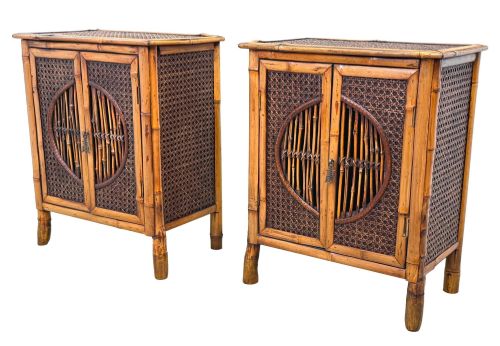
An antique bamboo cabinet brings natural texture and distinctive late nineteenth-century character into a room.
Antique Bamboo Cabinet
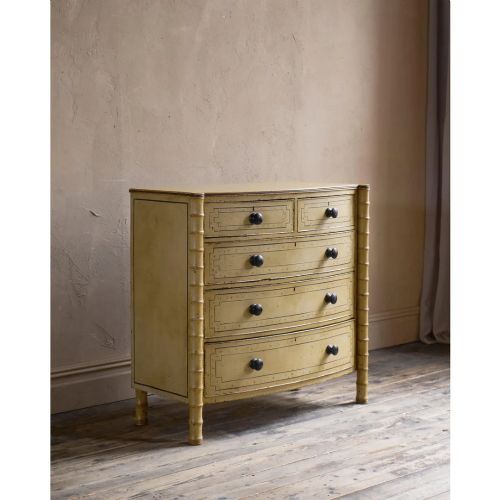
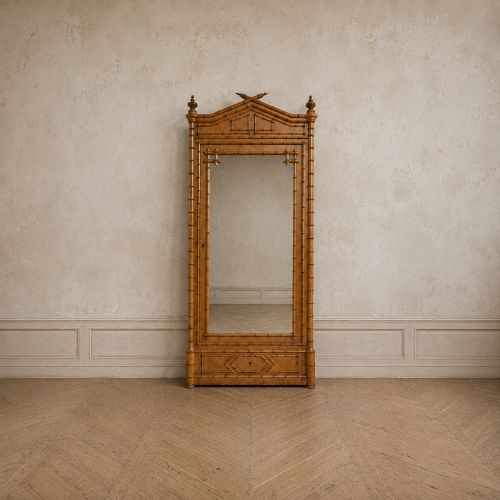
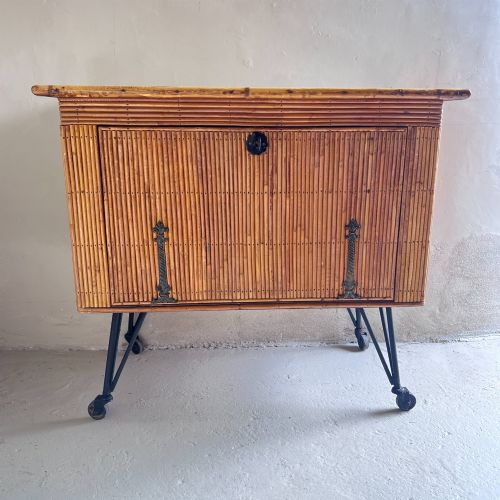
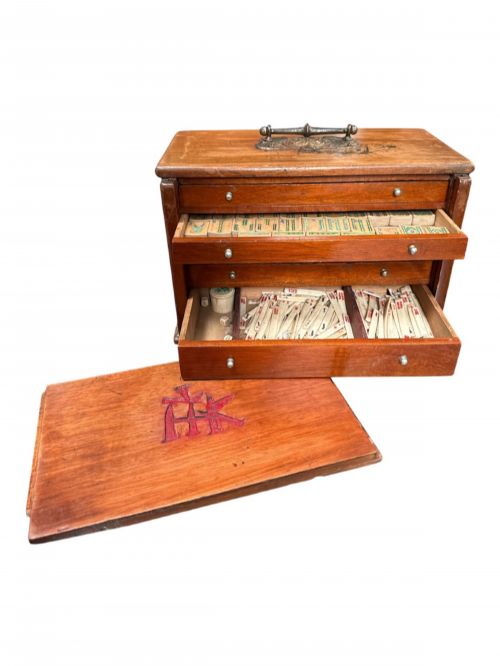
When you search for an antique bamboo cabinet, you encounter forms ranging from compact bedside cupboards and display shelves to large armoires and drinks cabinets. The selections span the Victorian, Edwardian, and later periods, capturing distinct periods of European and Asian craftsmanship.
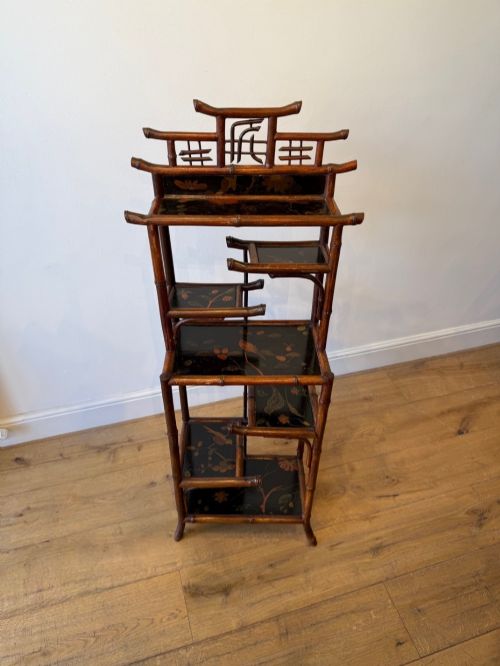
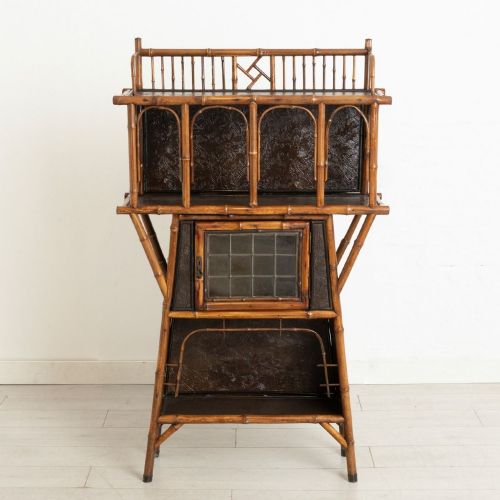
You are most likely to meet Victorian and Edwardian examples that reflect the Aesthetic Movement and Chinoiserie styles. These pieces utilise genuine bamboo or simulated wood alternatives alongside lacquer, glass, and brass hardware.
The objects serve practical storage and display functions while demonstrating the versatility of botanical materials in nineteenth and early twentieth-century interior design.
Materials and construction methods
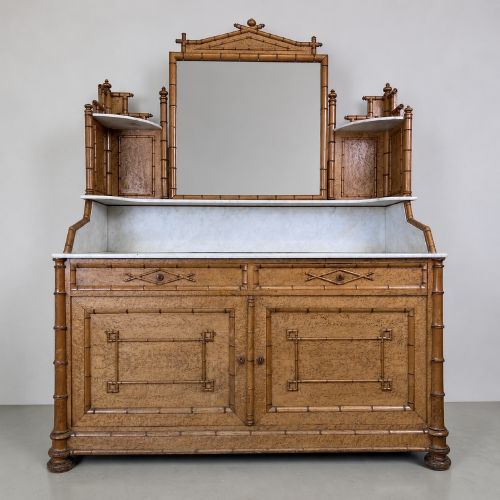
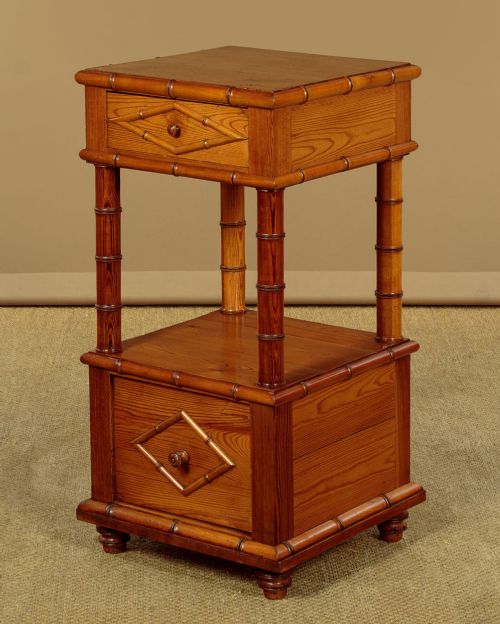
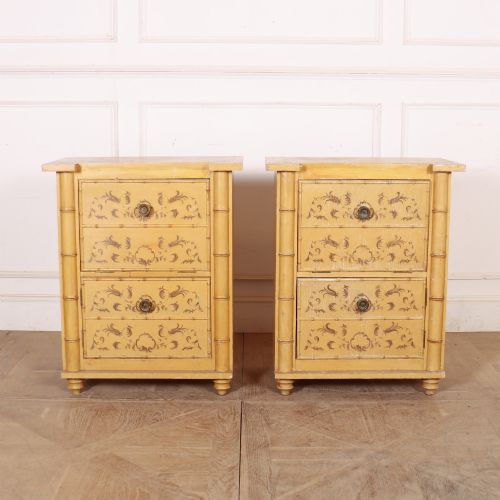
Construction relies heavily on natural bamboo poles secured with pinned or glued joints, frequently paired with wooden secondary framing in pine or bird's-eye maple for structural stability. Faux bamboo versions are meticulously carved from solid timber to mimic the characteristic nodes and rings of the real plant.
Surfaces often incorporate lacquered panels, glass doors, and marble tops, particularly on washstands and dressing cabinets from the late nineteenth century. Brass fixtures, cane inserts, and cast-iron elements complete the structural assembly across the various regional styles.
Antique Bamboo Cabinet Retail Price Guide 2026
Typical asking prices for bamboo cabinet among the pieces listed under this phrase on Sellingantiques today, from the lower quarter to the upper quarter. They describe what is for sale here now, not the wider market.
Listings feature pieces spanning the Victorian, Edwardian, and 1930s periods, utilising materials such as bamboo, lacquer, marble, and cane.
Assessing quality and craftsmanship
Quality rests upon the structural integrity of the bamboo framing and the precision of the joinery where poles intersect. Superior examples maintain rigidity without looseness in the joints, even after decades of environmental changes.
The integration of decorative elements such as hand-painted lacquer panels, bevelled glass, and genuine marble tops elevates certain pieces above standard utilitarian furniture. Faux bamboo versions demonstrate quality through the realism of the hand-carved wood simulation.
Leonard Wyburd for Liberty and Co
The Antique Bamboo Cabinet Glossary
- Aesthetic Movement
- A late nineteenth-century design style focused on art for art's sake, which heavily incorporated Japanese and Chinese motifs into British and European furniture. It championed natural forms and asymmetry.
- Faux bamboo
- Furniture made from traditional hardwoods like maple or pine that has been turned and carved to imitate the segmented growth rings of natural bamboo. This technique was popular in Victorian and Regency workshops.
- Chinoiserie
- European decorative style that reflects Chinese artistic influences through motifs, lacquerwork, and pagoda silhouettes. It often appears on Victorian and earlier imported cabinets.
- Bijouterie table
- A glass-topped display table or cabinet designed specifically for showing small precious objects, curiosities, or jewellery. These typically date from the late nineteenth century.
- Tiger bamboo
- A specific variety of bamboo featuring dark mottled patterns resembling tiger stripes, highly prized for its decorative visual impact on Victorian furniture.
Antique Bamboo Cabinet: Frequently Asked Questions
How do I clean an antique bamboo cabinet?
Dust the surfaces regularly with a soft, dry cloth to prevent dirt accumulation in the natural joints and crevices.
Avoid liquid cleaners and excessive moisture, which can weaken the cane materials and damage historical lacquerwork over time.
Can I use a bamboo bedside cabinet daily?
These cabinets function well for everyday bedside storage when treated with reasonable care and kept away from direct heat sources.
Place protective coasters on top if placing cups or damp items on wooden or lacquered surfaces.
What is the difference between real and faux bamboo?
Real bamboo utilises actual hollow plant stalks joined with internal dowels or pins to create lightweight framing.
Faux bamboo is carved from solid hardwoods like pine or maple, offering heavier construction while imitating the distinctive natural nodes.
How do I date an antique bamboo cabinet?
Examine the construction methods, hardware types, and secondary woods such as pine or bird's-eye maple used in the interior framing.
Stylistic indicators like Aesthetic Movement motifs or Edwardian proportions also help place the piece within its historical manufacturing window.