


Antique Ball Back Chairs
Antique ball back chairs combine sturdy timber frames with distinctive pierced splats, offering both robust seating and traditional elegance for any room.
Antique Ball Back Chairs
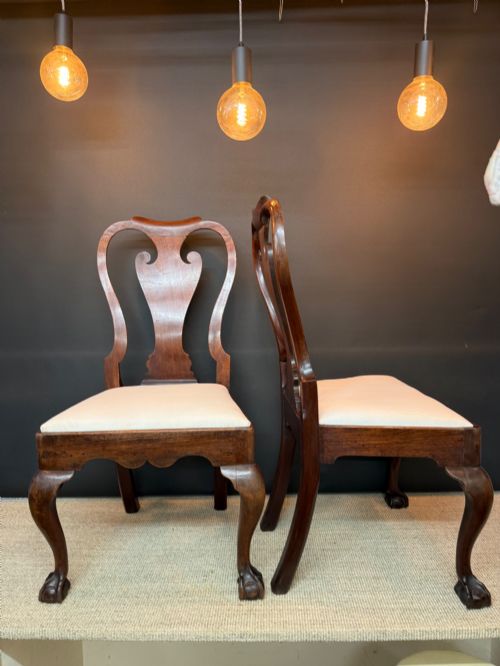
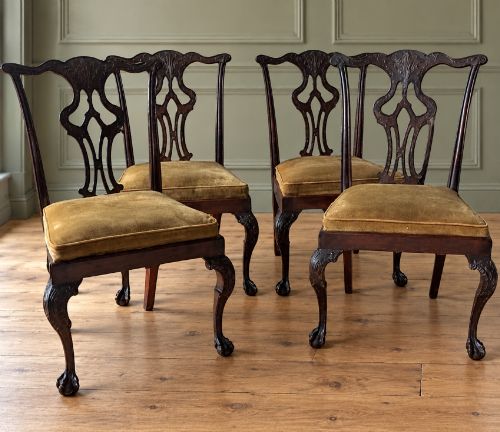
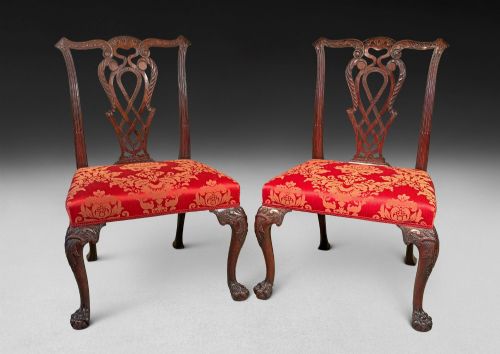
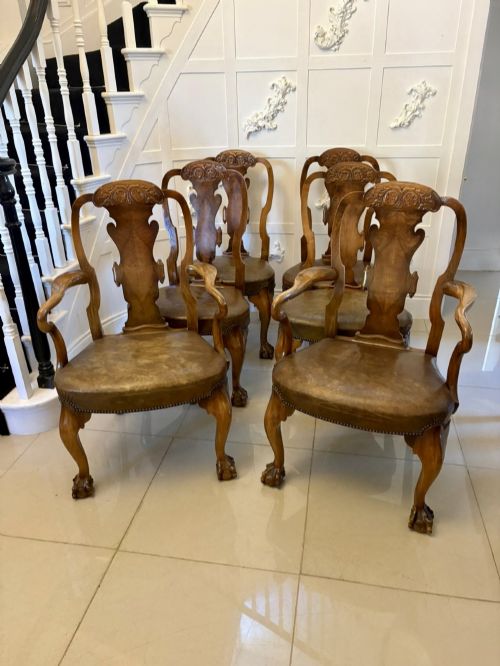
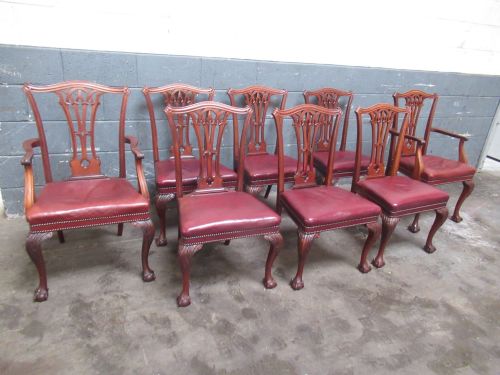
When searching for antique ball back chairs, buyers encounter a diverse selection spanning the eighteenth, nineteenth, and early twentieth centuries. The listings predominantly feature mahogany and walnut dining chairs, side chairs, and desk chairs created during revival periods.
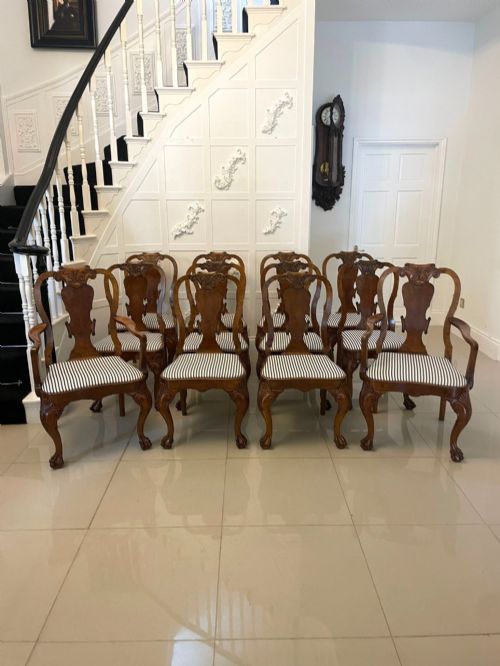
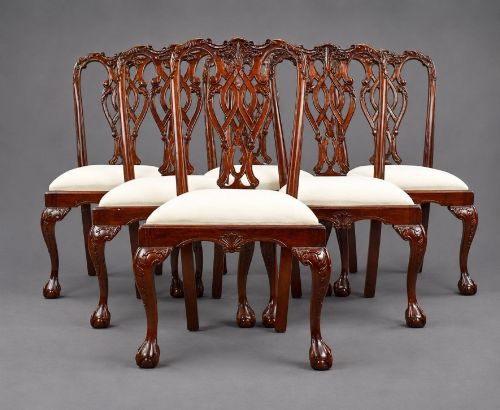
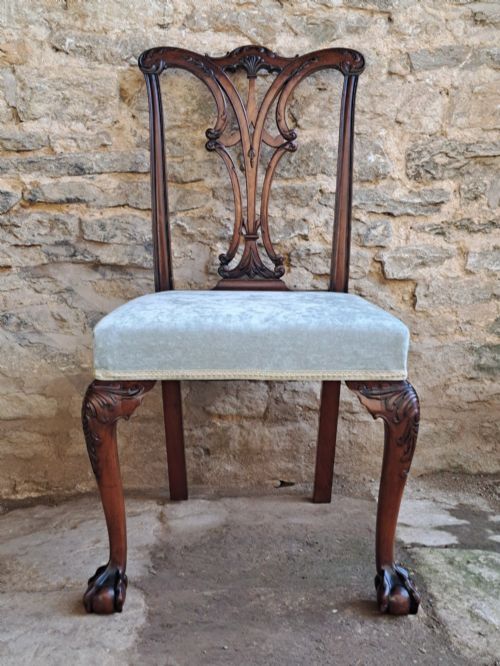
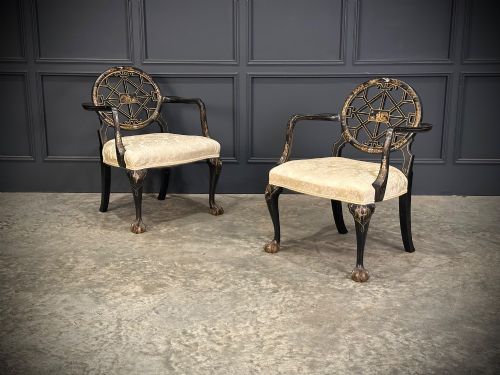
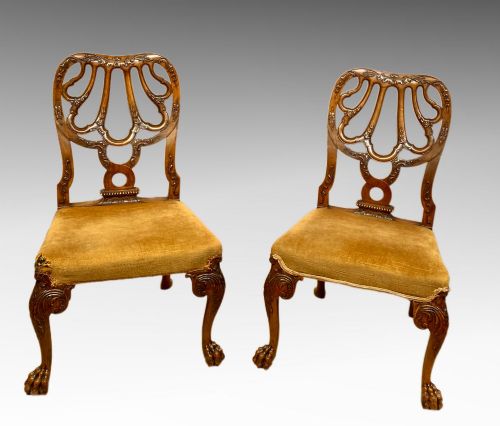
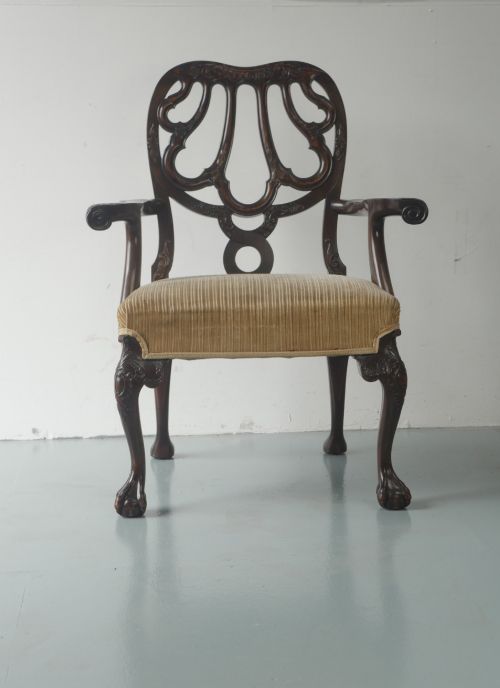
The assortment ranges from single bedroom chairs and pairs of armchairs to large dining sets numbering up to twelve pieces. Many examples draw inspiration from Chippendale, George II, and Queen Anne designs, incorporating carved backs and open arms.
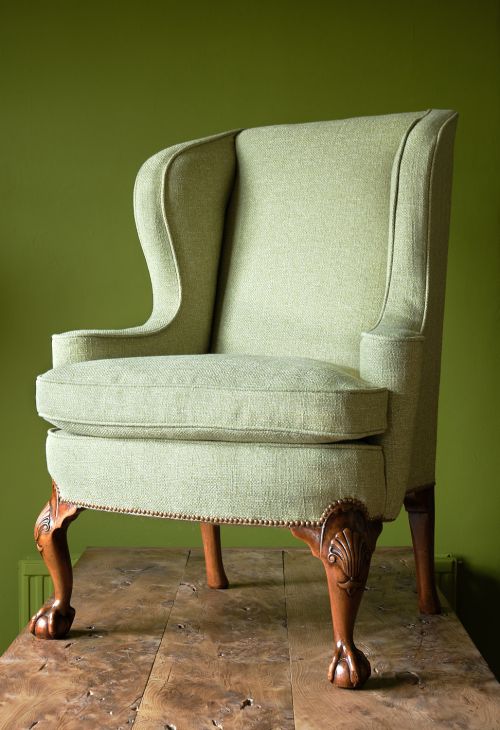
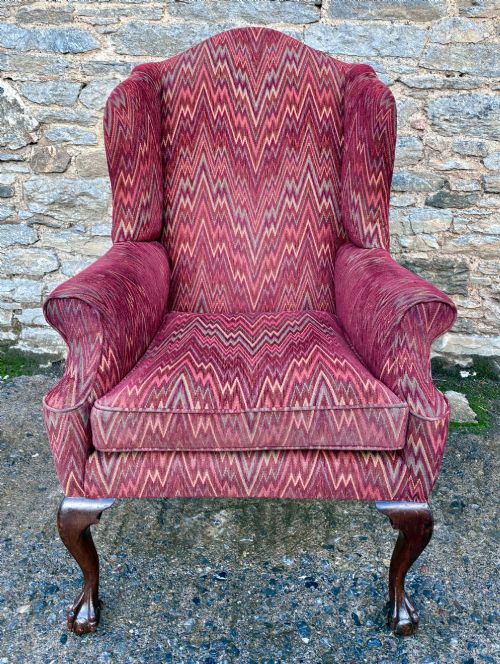
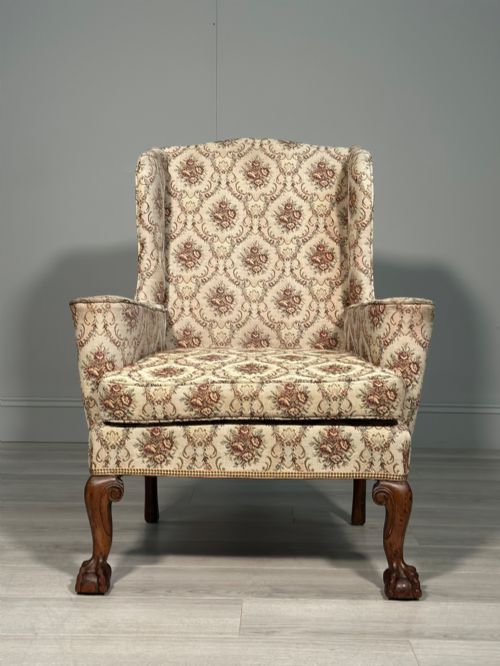
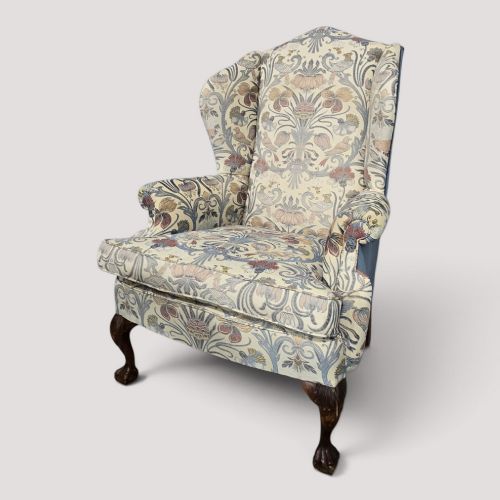
Originating largely from the nineteenth and early twentieth centuries, these pieces include specific forms such as wing armchairs, library chairs, and settees. The primary focus remains on timber dining and desk seating produced in revival styles.
How they were made
Cabinet makers utilised dense hardwoods such as mahogany, Cuban mahogany, red walnut, and burr walnut for the primary frames. These timbers provided the structural integrity required for carved splats, cabriole legs, and solid joints.
Upholstery fabrics, leather, velvet, and textile coverings were applied to seats and wing armchairs using traditional stuffing methods. Brass tacks and detailed wood carving completed the decorative scheme on many nineteenth and early twentieth century examples.
Antique Ball Back Chairs Retail Price Guide 2026
Typical asking prices for ball back chairs among the pieces listed under this phrase on Sellingantiques today, from the lower quarter to the upper quarter. They describe what is for sale here now, not the wider market.
Some chairs enjoy walnut frames shaped in the Carolean taste, proving old designs simply refuse to sit down.
What varies in quality
The standard of carving on the back splats and frames separates standard production from superior pieces. Crisp depth in the timber detailing indicates skilled hand workmanship rather than basic mechanical shaping.
Selection of timber grain also dictates overall grade, with figured burr walnut and dense Cuban mahogany commanding higher regard among collectors. The structural harmony between the frame and the upholstered elements remains central to the assessment.
The Antique Ball Back Chairs Glossary
- Chippendale Style
- A design aesthetic drawing from eighteenth century English furniture patterns featuring elaborate carved backs and cabriole legs. These revival pieces were frequently produced during the Victorian and Edwardian eras.
- Wing Armchair
- A large upholstered seat featuring protective side panels designed to deflect draughts from firesides. Nineteenth century examples often incorporate substantial mahogany or walnut frames.
- Splat
- The vertical central strip of wood within a chair back. In these items, the splat often incorporates carved openwork or geometric motifs.
- Elbow Chair
- A traditional term for an armchair with wooden supports for the arms. They frequently accompanied larger dining sets as carver chairs.
- Gainsborough Chair
- A wide, open-armed desk or reading chair with upholstered back and seat, typically standing on square or cabriole legs.
Antique Ball Back Chairs: Frequently Asked Questions
What defines antique ball back chairs?
These chairs are traditional timber seats distinguished by their carved wooden back structures, often produced in mahogany or walnut.
They span multiple design revivals from the eighteenth to the early twentieth centuries, encompassing dining sets, armchairs, and desk chairs.
How do I care for mahogany chairs?
Keep wooden frames away from direct heat sources and strong sunlight to prevent the timber from drying out or splitting.
Apply a traditional beeswax polish periodically to maintain the natural sheen of the mahogany or walnut surfaces.
Are these chairs suitable for daily dining?
Most mahogany and walnut dining chairs possess sturdy hardwood frames built for regular domestic use.
Upholstered seats can be re-covered or reinforced to support contemporary daily seating requirements without altering the antique timber structure.
How are different periods identified?
Makers utilised specific revival styles, such as George II or Chippendale designs, alongside characteristic timber selections like Cuban or burr walnut.
Examination of the joinery, wear patterns, and carving depth helps distinguish nineteenth century revival pieces from earlier eighteenth century origins.